


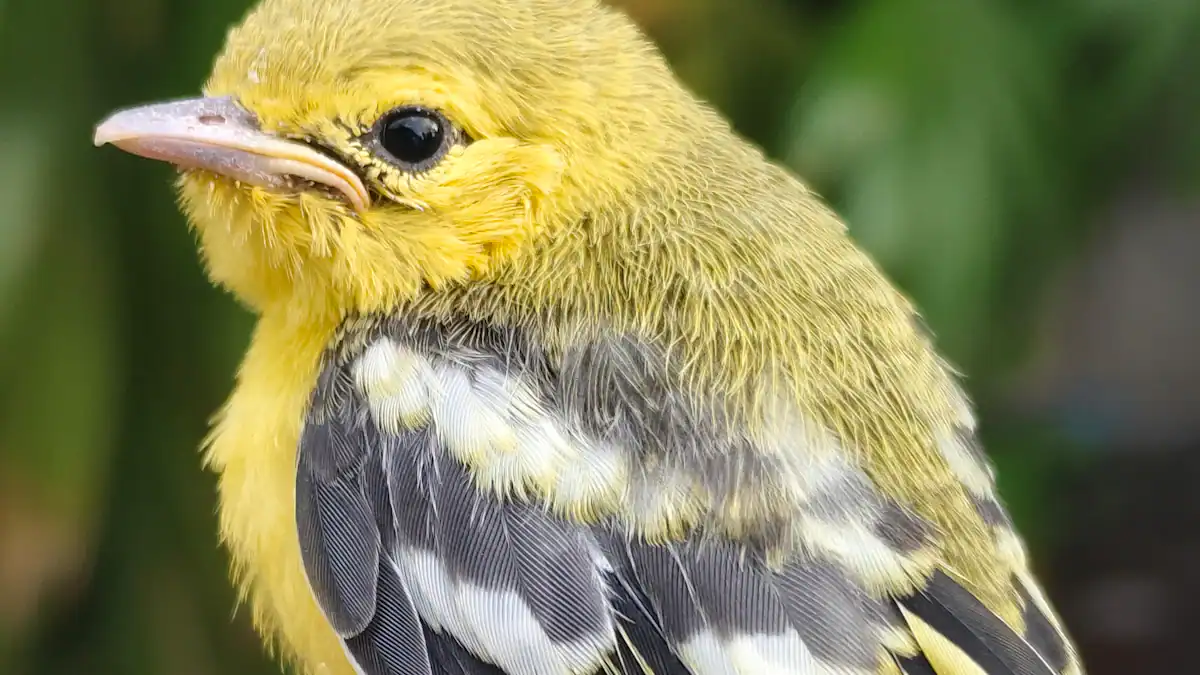
Spotting a warbler brings excitement to any birder. These small, vibrant birds are often elusive, making their identification a rewarding challenge. This warbler identification chart provides a practical guide. You can simplify spotting these beautiful warbler species.
Accurate identification requires keen observation. You must look for key visual cues and listen to their unique songs. When identifying warblers, pay attention to:
Their fine pointy bill
Blurry streaking on their flanks
Faint yellow tinges around the breast
Greenish edging on flight feathers
A greenish-yellow rump
Their small size
This guide will detail 11 common warbler species found in North America. It makes identifying warblers in the field accessible for every birder. You will gain confidence using this field guide.
Key Takeaways
Warblers are small, colorful birds. They are hard to spot. This guide helps you find them.
Look for special marks on warblers. Also, listen to their songs. This helps you know what kind they are.
This guide shows 11 common warblers. It tells you how to identify each one. You will learn about their colors, actions, and sounds.
Use binoculars to see warblers better. Learn their songs. Look at them from below. These tips help you identify them.
American Redstart
The American Redstart is a truly captivating warbler. This warbler species is a common sight in North America. You will find it a joy to observe. This warbler identification chart helps you recognize its unique features.
Plumage Features
You will immediately notice the male American Redstart’s striking plumage. It has glossy black feathers. Vivid reddish-orange patches appear on its sides, wings, and tail. Its black head, back, and throat contrast sharply with a white belly. These bright orange patches are prominent in the flight feathers and at the base of the tail. They create a stunning visual display. The female American Redstart looks different. She has a gray head and back. Her patches are yellow instead of orange.
Behavioral Cues
This warbler is incredibly active. You will often see it flitting through trees and shrubs. It constantly fans its tail. This behavior flashes its bright orange or yellow patches. It uses this display to startle insects. Then it catches them in mid-air. This unique foraging style makes identifying warblers like the American Redstart quite straightforward. Look for this energetic movement.
Vocalizations
The American Redstart has a distinctive song. It sings a series of clear, high-pitched notes. The song often ends with a sharp, emphatic phrase. You might hear it as “tsee-tsee-tsee-tsee-o.” This song helps you locate this beautiful warbler even when it hides in dense foliage. Listen for its bright, ringing calls.
Yellow Warbler
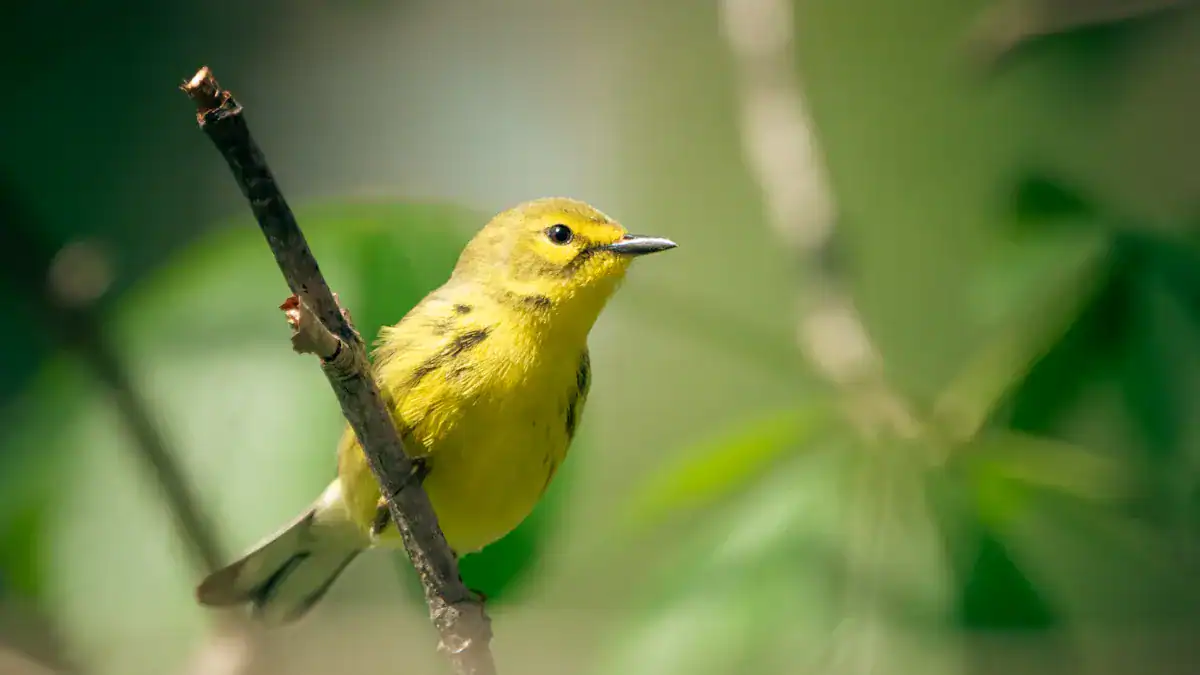
The Yellow Warbler is a truly bright and cheerful sight. You can easily spot this small warbler. It is one of the most widespread warbler species in North America. This warbler identification chart helps you recognize its distinct features.
Yellow Plumage
You will notice its entirely yellow body. Adult males are bright yellow overall. They have chestnut streaks on their breast. Adult females are also yellow. They show a yellow-green back. Their underparts are mostly unstreaked yellow. Both sexes have a small, round head. They possess a beady black eye and a stout bill. Immature Yellow Warblers appear paler yellow. Their color varies from pale yellow to brownish or grayish. They also have that characteristic beady black eye and stout bill.
Key Markings
This warbler has mostly yellow plumage. Its upperparts are greenish-yellow. The wings and tail are greenish-yellow with yellow feather edges. You will see a plain yellow face with a yellow eye ring. Its legs are yellowish. Adult males display golden yellow plumage. They have rusty streaks on their breast and flanks. These reddish streaks are quite noticeable. Female and immature birds have plain yellow plumage. Their breast streaks are absent or barely noticeable. Some birds in the southwestern United States may show a pale gray wash.
Habitat & Song
You often find Yellow Warblers in wet, brushy areas. They inhabit successional areas. These include riparian edges, fence lines, and old fields. You can also find them in willows, wet thickets, and streamsides. They thrive in open woodlands and along roadsides. This warbler species prefers woods and thickets near streams, lakes, swamps, and marshes. They favor plants like willows and alders. The Yellow Warbler sings a bright, cheerful song. It sounds like “sweet-sweet-sweet, I’m so sweet!” This distinctive song helps you locate them.
Common Yellowthroat
You will find the Common Yellowthroat a charming and easily recognizable warbler in North America. This species often hides in dense vegetation. However, its striking features and loud song make it a favorite for birders. This warbler identification chart helps you spot this unique bird.
Mask & Throat
You will notice the male Common Yellowthroat’s distinctive black mask. This mask extends from the sides of its neck across its eyes and forehead. A white or gray border often outlines it. Its throat and chest are bright yellow. This creates a bold contrast. Females look different. They have paler underparts and do not have the black mask. Immature birds resemble adult females. First-year males might show a faint black mask. This mask fully darkens by spring.
Size & Build
The Common Yellowthroat is a small bird. It has a chunky, rounded body and head. Its length typically ranges from 4.3 to 5.1 inches. It weighs about 0.3 ounces (9-10 grams). Its wingspan measures between 5.9 and 7.5 inches. You will see its olive-brown upperparts. Its underparts are yellow, with some white on the belly and buff on the sides. It has a relatively short tail. This warbler often holds its tail upright. You will also observe its black eyes, pinkish legs, and a long, pointed black bill.
Characteristic | Measurement |
|---|---|
Weight | 0.3 ounces (9-10 grams) |
Length | 4.3 – 5.1 inches |
Tail Length | ~1.9 inches |
Wingspan | 5.9 – 7.5 inches |
Distinctive Song
You can easily identify the Common Yellowthroat by its song. It sings a loud, rhythmic “wichity, wichity, wichity.” Some describe it as “wit-chi-tah, wit-chi-tah, wit-chi-tah.” This song has slow slurs and shallow pitch changes. It sounds even and smooth. Listen for this clear, repetitive call. It helps you locate this active warbler even when it stays hidden. This species uses its song to declare its territory.
| Common Name | Scientific Name | Key Field Marks | Breeding Male Appearance | Female / Non-breeding | Habitat & Range | Song / Call Description |
|---|---|---|---|---|---|---|
| Yellow Warbler | Setophaga petechia | Bright yellow body, reddish streaks on chest | Vivid yellow with chestnut streaks | Paler yellow, lacks streaks | Wetlands, thickets, riparian zones | Sweet “sweet-sweet-sweeter-than-sweet” |
| American Redstart | Setophaga ruticilla | Flashy orange patches on wings & tail | Black with orange patches | Gray with yellow patches | Open woods, edges, second-growth forests | Sharp “see-see-see-o” notes |
| Black-and-White Warbler | Mniotilta varia | Black & white stripes, creeps like a nuthatch | Same year-round, zebra-like pattern | Similar but duller | Forest trunks, bark forager | Thin, squeaky “wee-see, wee-see” |
| Common Yellowthroat | Geothlypis trichas | Olive back, bright yellow throat | Black facial mask, olive above | Lacks mask, duller yellow | Marshes, reeds, wet thickets | Distinct “witchety-witchety-witchety” |
| Black-throated Green Warbler | Setophaga virens | Olive back, yellow face, black throat patch | Yellow face, black throat | Paler, less contrast | Mixed forests, conifers | Sweet “zee-zee-zee-zoo-zee” |
| Chestnut-sided Warbler | Setophaga pensylvanica | White underparts, chestnut flanks | Yellow crown, chestnut sides | Duller, olive-green crown | Regenerating forests, scrub | Cheerful “pleased-pleased-pleased-to-meet-cha” |
| Magnolia Warbler | Setophaga magnolia | Black streaks on yellow chest, white wing patch | Bright yellow underside, black necklace | Duller, lacks necklace | Mixed forests, spruce-fir zones | Clear “weeta-weeta-weetsee” |
| Palm Warbler | Setophaga palmarum | Constant tail bobbing, rusty cap | Brownish with rusty cap | Paler with yellow undertone | Bogs, edges, open woods | Chirpy “chit-chit-chit” |
| Yellow-rumped Warbler | Setophaga coronata | Yellow rump (“butter-butt”), white wing bars | Blue-gray with yellow crown & sides | Brownish-gray with faint yellow | Coniferous forests, widespread | Dry trill “tsee-tsee-tsee” |
| Blackpoll Warbler | Setophaga striata | Streaked back, orange legs, black cap (male) | Black cap, white cheeks | Greenish above, streaked below | Boreal forests, migratory | High “tsee-tsee-tsee” |
| Pine Warbler | Setophaga pinus | Yellow throat, white wing bars | Bright yellow-green | Duller olive | Pine forests | Musical trill like Chipping Sparrow |
| Wilson’s Warbler | Cardellina pusilla | Plain yellow body, small size, black cap (male) | Bright yellow with black cap | No cap or faint shadow | Shrubs, forest edges | Sharp “chit” or “chi-chi-chi” |
| Prothonotary Warbler | Protonotaria citrea | Deep golden head, blue-gray back | Bright golden-yellow | Slightly duller | Swamps, cypress forests | Loud ringing “sweet-sweet-sweet-sweet” |
| Northern Parula | Setophaga americana | Blue-gray upperparts, yellow throat with chest band | Blue-gray, yellow chest with chestnut band | Paler with less contrast | Moist forests, hanging moss | Buzzy rising trill “zeeeee-up” |
| Blackburnian Warbler | Setophaga fusca | Fiery orange throat, black face | Bright orange throat, black crown | Pale orange-yellow | High coniferous canopy | High “zip zip zip zip zeee” |
Yellow-rumped Warbler
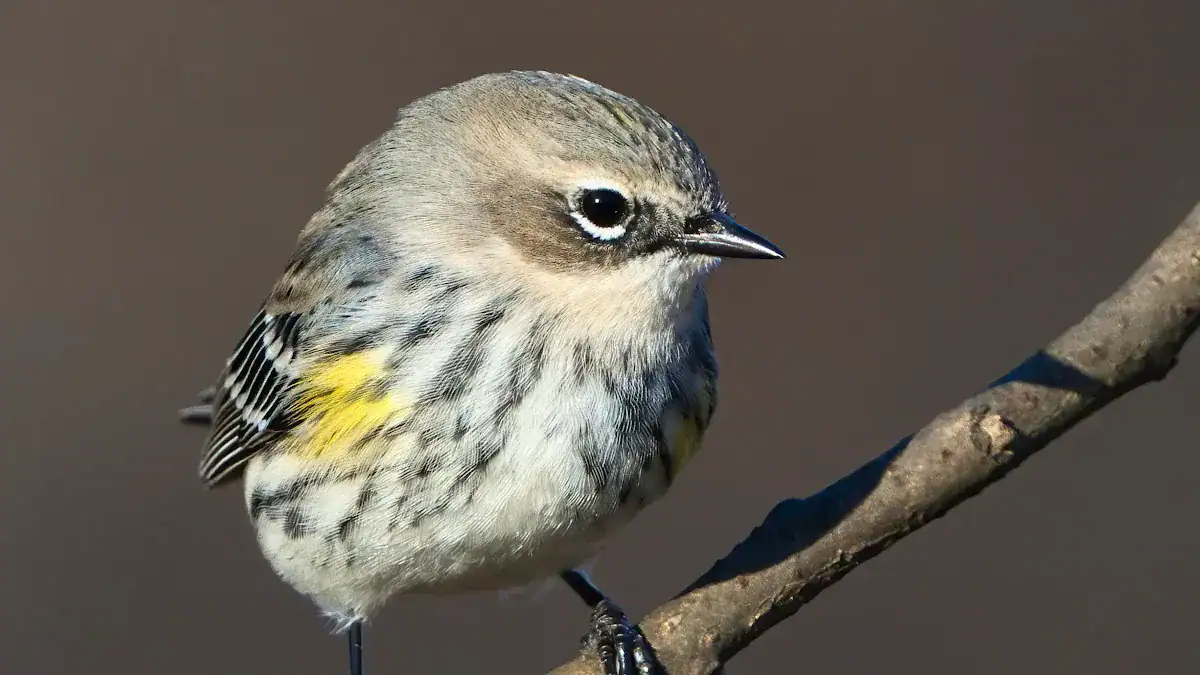
You will often see the Yellow-rumped Warbler. It is one of the most common and widespread warblers in North America. This warbler identification chart helps you recognize its key features.
Yellow Rump
You can easily identify this warbler by its prominent yellow rump. This bright yellow patch is visible in all plumages. It gives the bird its famous nickname: “butter butt.” Males of the Audubon’s subspecies group show conspicuous yellow patches on their rump in summer. Females, though duller, still have noticeable yellow rumps. This distinct bright yellow patch helps you spot them quickly.
Seasonal Changes
The Yellow-rumped Warbler shows noticeable seasonal plumage changes. During winter, its coloration is subdued. You will see streaky brown and yellow tones. However, a key feature, the yellow rump patch, remains consistent across all plumages, except for juvenile birds. In the fall, these birds typically display a brownish overall coloration. They have fine, dark streaks across their back. Their non-breeding plumages are generally duller. This can make them harder to distinguish from other species. With the arrival of spring molt, their appearance transforms. You will see a vibrant combination of bright yellow, charcoal gray, black, and bold white. This is especially noticeable during migration and on breeding grounds. This vibrant change marks the start of spring migration.
Habitat & Calls
You can find the Yellow-rumped Warbler in almost every habitat. This species lives in woodlands, marshes, thickets, fields, and ornamental landscapes. They breed in coniferous and mixed forests. In winter, they use a variety of open and second-growth habitats. Their song is a slow, loose, sweet “tuwee-tuwee-tuwee-tuwee.” It usually rises or falls at the end. You might also hear a high-pitched musical trill. Their calls include a rather metallic “check” or “chep.” You can also hear a dry “check” or a sharp “chek!” This warbler’s voice is sometimes described as a colorless, buzzy warble.
Pine Warbler
You will find the Pine Warbler a somewhat plain but interesting warbler species. This bird often blends into its preferred habitat. However, its unique habits make it stand out. This section helps you identify this fascinating warbler.
Plumage & Markings
You will notice the Pine Warbler is primarily yellow with gray wings. Its yellow color is darker on its head and lighter on its underside. These warblers have olive backs and whitish bellies. You will see two prominent white wingbars on their gray wings.
Adult males are the brightest. They feature a yellow throat, a yellow-olive back, and blurry streaking on their sides. Males also have a broken yellow eyering and white lower belly and undertail coverts. Females and immature Pine Warblers show softer coloring. They can even appear gray-brown. Adult females are pale yellow with a broken yellow eyering and two white wingbars. Some immature females may be gray overall, lacking yellow. They still have a broken white eyering and two white wingbars. Immature birds vary from gray to pale yellow. All immatures possess a white eyering. Their face can look weakly ‘spectacled’ with a pale eyering connected to a pale stripe in front of the eye.
Unique Diet
The Pine Warbler has a unique diet among wood-warblers. It is the only wood-warbler known to regularly eat significant amounts of seeds. This includes pine seeds. You might even see this species at bird feeders. They enjoy millet, cracked corn, sunflower seeds, peanuts, and suet, especially in winter. This primarily insectivorous bird undergoes seasonal changes in its digestive system. These changes allow it to digest seeds. They also consume insects and various fruits. These fruits include bayberry, grape, and sumac.
Habitat & Song
You will find Pine Warblers almost exclusively in pine forests. They prefer open pine forests. You can also find them in dense conifer stands or small pockets of pines within deciduous forests. They inhabit pine woodlands, pine-oak forests, and mature pine plantations across eastern North America. Their wintering habitat mirrors their breeding habitat. Their song is a simple, musical trill. It sounds like a steady, sweet “chip-chip-chip-chip.”
Palm Warbler
You will find the Palm Warbler a distinctive and active warbler species. This bird often catches your eye with its unique movements. This section helps you recognize this fascinating species.
Tail-Wagging Behavior
You can easily identify the Palm Warbler by its near-constant tail-wagging. This behavior helps you confirm its identity. It often forages on open ground or in low vegetation. The Palm Warbler’s tail-wagging is a bobbing, up-and-down motion. It is not a side-to-side wag. The exact reason for this behavior is not definitively known. A common theory suggests it helps startle insects out of hiding. This aids the bird in feeding.
Undertail Patterns
You will notice its distinctive undertail patterns. This warbler has striking yellow undertail coverts. You see them during winter plumage. Western Palms show yellow on the undertail in spring. They still show bright yellow under the tail in fall. This bright yellow patch is a key field mark.
Vocalizations
The Palm Warbler’s sound is a weak, dry trill. It is comparable to a Chipping Sparrow’s song. However, it is notably slower. This warbler produces a steady series of repeated, buzzy notes. Its sound has a buzzy quality. It can almost sound digital. Sometimes, the song is faster. It sounds remarkably similar to a Chipping Sparrow’s song. It is typically shorter.
Tennessee Warbler
You will find the Tennessee Warbler a relatively plain but intriguing warbler. This species undertakes impressive long-distance journeys. This section helps you identify this often-overlooked bird.
Build & Bill
You will notice the Tennessee Warbler has a slender build. Its bill is thin and pointed. This distinguishes it from other bird species. It uses this thin, sharp-tipped bill for foraging. This build helps it navigate dense forest foliage. You might also observe its short tail. These features contribute to its often drab appearance.
Plumage Details
Tennessee Warblers are generally considered to have a bland appearance throughout the year. Males exhibit an olive-green back. They have a gray crown and white underparts. A white line above the eye is a notable facial feature. This helps you identify this species. In the fall, the plumage takes on a more yellowish hue. Females and immature birds are duller. They show less contrast in their markings.
Song Characteristics
You can identify the Tennessee Warbler by its distinctive song. It has a loud song. You will hear a staccato song. It is also a high song. Many describe it as a chipping song. This song often has three distinct parts. You might hear it as “tic-tic-tic, swee-swee-swee, chip-chip-chip.” This vocalization is important for attracting mates after a long migration. You will hear these songs during their spring migration. They sing to establish territories.
Magnolia Warbler
You will find the Magnolia Warbler a truly striking species. It stands out with its bold patterns and bright colors. This warbler identification chart helps you recognize this beautiful bird.
Necklace & Undersides
You will immediately notice the male Magnolia Warbler’s bold black necklace. This thick band crosses its bright yellow breast. Its underparts are also a vibrant yellow. Heavy black streaks mark its sides. The male has a gray crown and a black mask through its eye. Females have a paler black necklace. Their yellow underparts are less intensely streaked. Immature birds show a duller yellow. They have faint streaking and a less defined necklace.
Wing Markings
You will observe distinctive white markings on the Magnolia Warbler’s wings. These are visible when the bird raises its wings. Adult male Magnolia Warblers in alternate plumage have gray wings with thick white edging. This creates striking white wing patches. Females in alternate plumage show wingbars instead of a large white wing patch. Fall Magnolia Warblers, including immatures, typically display two clear white wingbars. These wing markings are a key feature for identification.
Habitat & Song
You can find these boreal warblers breeding in dense stands of conifers. They prefer areas with short, young spruce trees. They also inhabit young hemlocks and pines. You will see them in the dense understory of taller coniferous forests. During migration, they stop in all types of forests. You can observe them foraging at the tips of branches. In their tropical wintering grounds, they frequent second-growth and scrub areas. They also use the edges of taller forests.
Male Magnolia Warblers sing a very short song, about one second long. You will hear a whistled weta, weta, WETA. The final notes are typically the loudest and most emphatic. The initial notes are fast. They alternate between higher and lower pitches. They conclude with an emphatic slide. You might also hear their song described as “Weeta-weeta-weeteo.” Their call note is a “tslip.”
Black-and-white Warbler
You will find the Black-and-white Warbler a truly unique and striking species. This bird stands out with its bold patterns and unusual foraging style. This section helps you identify this fascinating warbler.
Striped Plumage
You will immediately notice this bird’s crisply striped black and white feathers. It has a zebra-like appearance. This makes it easy to spot.
You will see black and white crowns with a white eyebrow.
Its belly has black streaking on a white background.
Its wings are black with two wide, white wing bars.
The back is streaked black-and-white.
Males show more pronounced black streaking on their underparts and cheeks.
Females and immatures appear paler. They have less streaking. They also display large black spots on their undertail coverts.
Creeping Foraging
This warbler exhibits a unique foraging behavior. You might even call it a “black-and-white creeper.” It routinely moves along tree bark and trunks. This is similar to a nuthatch or creeper. However, it moves in any direction—up, down, and sideways. It does not use its tail as a prop. Its toes are specially adapted for clambering on bark. This shows its long-standing foraging method. It scours bark and limbs for various arthropods. This includes moth and butterfly larvae, ants, flies, spiders, beetles, and weevils. You will see it move surprisingly quickly. It creeps under and over large branches to capture its prey.
Distinctive Song
You can easily learn the Black-and-white Warbler’s song. It is a repetitive, high-pitched “weesee.” This song often sounds like “wee-see wee-see wee-see wee-see.” Some describe it as a thin whistle. It resembles a squeaky wheel spinning. You will hear an even, roller coaster pattern of thin, rising and falling notes. This distinctive sound helps you locate this active bird.
Ovenbird
You will find the Ovenbird a unique ground-dwelling species among warblers. This bird often stays hidden on the forest floor. However, its loud song makes it easy to detect. This section helps you identify this fascinating bird.
Back & Undersides
You will notice the Ovenbird’s olive-brown back. Its white undersides are heavily streaked. Black spots arrange in rows on its breast. The rest of its belly is also spotted. These markings help it blend into the leaf litter. Its olive or olive-grey back provides excellent camouflage.
Crown Stripe
Look for its distinctive crown stripe. An orange stripe runs down the center of its head. Black borders this orange stripe. This feature is a key identifier. It helps you distinguish the Ovenbird from other ground-dwelling birds.
Song Pattern
The Ovenbird has a very loud song. It sounds like “teacher-teacher-teacher.” The song gets louder with each repetition. You will hear this emphatic call echoing through the forest. It helps you locate this secretive bird. This song is a clear sign of its presence, even when you cannot see it.
Northern Parula
You will find the Northern Parula a small and colorful warbler. This vibrant species often hides high in the canopy. However, its distinctive features make it a joy to identify. This section helps you recognize this beautiful bird.
Color & Band
You will notice its blue-gray back. A yellowish-green patch appears on its back. This patch is often quite bright. Its underparts are white. A distinctive yellow breast band crosses its chest. This band often has reddish-brown markings. These markings can vary in intensity. They create a striking contrast against the yellow. You will also see a white belly.
Eye Markings
Look closely at its face. You will observe prominent white eye crescents. These crescents appear above and below its eyes. They stand out against its blue-gray head. These markings help frame its dark eyes. They are a key identifier for this bird.
Trilling Song
You can easily identify the Northern Parula by its song. It sings a distinctive, buzzy trill. The song ascends in pitch. It then drops sharply at the end. You might hear it as “zeee-up.” This sound is often described as a rising buzz. It ends with an abrupt, downward note. This unique trill helps you locate this bird even when it stays hidden in the treetops.
Tips for Identifying Warblers
Identifying warblers can be challenging. You can improve your skills with a few key tips. These tips will help you become a better birder. You will enjoy identifying warblers in the field.
Master Warbler Songs
You should learn warbler songs. Many warblers hide in dense foliage. Their songs are often your first clue. You can use apps or online resources. Listen to recordings of different warbler species. Pay attention to the rhythm and pitch. Practice associating the sound with the bird. This skill is crucial for identifying warblers. It helps you locate them even when you cannot see them.
Observe from Below
You will often look up at warblers. They forage in the tree canopy. This means you need to observe them from below. Look for key markings on their undersides. Pay attention to their undertail patterns. Many species have unique colors or streaks there. These patterns are often visible when they move. You can also see wing bars and breast streaking more clearly from this angle.
Utilize Binoculars
You must use good binoculars. They are essential for warbler identification. Binoculars bring distant birds closer. They allow you to see fine details. You can spot subtle plumage differences. You can also observe their behavior more clearly. A good field guide helps you compare what you see. These tips will greatly enhance your birding experience.
You will feel immense satisfaction when you successfully identify warblers. Consistent practice with this warbler identification chart, focusing on key visual and auditory cues, will greatly enhance your birding skills. Get out, observe, and enjoy the vibrant world of the warbler. Every sighting offers a learning opportunity for identifying warblers.