


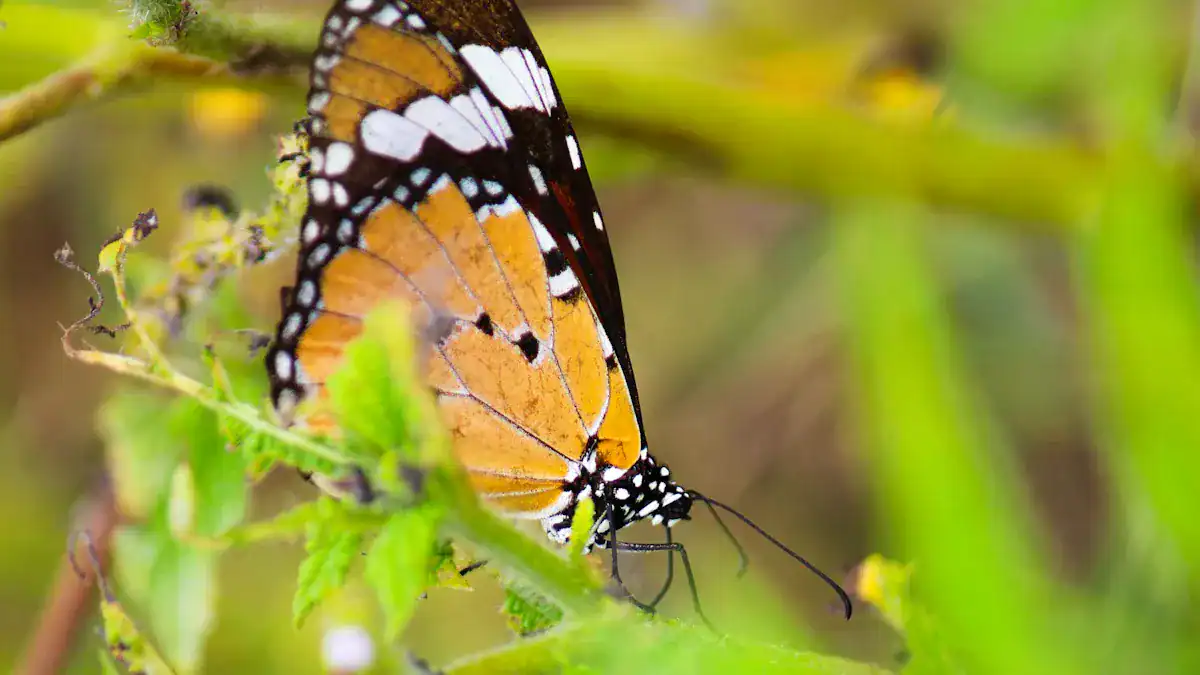
You often encounter an unknown flying insect. This can spark curiosity or frustration. You do not need expert knowledge for flying insect identification. A systematic approach helps you. This post offers 12 simple steps for insect identification. You will learn to identify flying bugs. This skill helps you understand local ecosystems. You can manage pests or satisfy curiosity about beneficial insects. You will become a proficient identifier with this guide. You will understand key insect parts. This bug identification guide makes identifying insects easy.
Key Takeaways
Start by looking at the insect’s size, shape, and how many wings it has. This helps you begin to figure out what kind of insect it is.
Examine small details like wing patterns, antennae shapes, and leg structures. These parts give important clues about the insect’s identity.
Observe where the insect lives and what it does, like how it flies or what it eats. This behavior helps you understand the insect better.
Take clear photos from different angles and use tools like field guides or apps. If you are still unsure, ask experts or online groups for help.
Keep a log of the insects you identify. Write down the date, location, and key features to improve your identification skills over time.
Step 1: Initial Flying Insect Identification by Size and Shape
You begin your flying insect identification journey by observing the insect’s overall size and shape. Before you do this, understand basic insect anatomy. Every insect has three main body parts: a head, a thorax, and an abdomen. The head holds the eyes and mouthparts. The thorax is the middle section; wings and legs attach here. The abdomen is the rear part of the body. You will use these parts for your observations.
Initial Size Categorization
First, estimate the insect’s size. Is it tiny, medium, or large? This initial observation helps you quickly narrow down possibilities. For example, some insect orders have very specific size ranges.
Order | Size Range (mm) |
|---|---|
Diptera | 0.5 to 40 |
Mecoptera | 2 to 35 |
Strepsiptera (males) | 1 to 7 |
Strepsiptera (females) | 2 to 30 |
You can compare the insect to common objects like a grain of rice or your fingernail. This gives you a rough measurement. A tiny insect might be a gnat. A large insect could be a dragonfly. This simple step provides a strong starting point for insect identification.
Body Shape Characteristics
Next, look at the insect’s body shape. Is it long and slender, short and stout, or flattened? Observe the proportions of its head, thorax, and abdomen. Some insects have a very distinct shape. For instance, a mosquito has a slender body. A bee often has a more robust, hairy body. Some beetles have a very hard, rounded shape. You might see a wasp with a narrow “waist” connecting its thorax and abdomen. These unique shapes often belong to specific insect groups. Noticing these details helps you categorize the insect more accurately.
Step 2: Count the Wings
You have observed the insect’s size and shape. Now, focus on its wings. Counting the wings is a crucial step. This feature helps you narrow down the insect’s order quickly.
Two Wings: Diptera (Flies)
Some flying insects have only two wings. This is a very distinct characteristic. Insects belonging to the order Diptera, commonly known as true flies, are characterized by possessing two wings. This name comes from ‘DI’ meaning ‘two’ and ‘PTERA’ meaning ‘wings’. You will see a single pair of functional wings. The hind wings are reduced to small, club-like structures called halteres. These halteres help with balance during flight. Think of house flies, mosquitoes, or gnats. They all belong to Diptera. This unique adaptation makes them very agile flyers.
Four Wings: Hymenoptera, Lepidoptera, Odonata
Many other winged insects have four wings. You will see two pairs of wings. These pairs can be similar or different in size and shape. For example, Hymenoptera includes bees, wasps, and ants. Lepidoptera includes butterflies and moths. Odonata includes dragonflies and damselflies. The order Neuroptera also has four wings. Adult neuropterans possess four membranous wings. These wings are typically of similar size. They feature many veins. Observing the wing structure helps you identify the insect further. Pay attention to how the wings connect to the body.
💡 Tip: Sometimes, the front and hind wings can be coupled together, making them appear as a single wing. Look closely for the separation line.
No Visible Wings (Wingless Forms)
Sometimes, you might encounter an insect that appears to have no wings at all. This can be tricky. Some insects have wingless forms. For instance, worker ants are often wingless. Some female moths have reduced or absent wings. You might also see very young insects, or nymphs, which have not yet developed wings. Do not assume a creature cannot fly just because you do not see wings. Look closely for wing scars or very small wing pads. This observation helps you understand the insect’s life stage or specific caste. This particular winged insect might still be part of a typically winged group.
Step 3: Examine Wing Characteristics
You have counted the wings. Now, look closer at their details. Wing characteristics offer many clues for identification.
Wing Vein Patterns
Observe the patterns of veins on the wings. These veins are like roads on an insect wing. They provide structure and carry fluids. You will see main veins and cross-veins. The main leading vein is the costa (C). It is always unbranched. The subcosta (Sc) sometimes branches. The radial sector begins with R1 and can fork into R2-R5. The media vein can fork into an anterior and a posterior division. The cubitus can have an anterior off-shoot and a posterior branch. Up to four unbranched anal veins (A1-A4) may be present. Cross-veins connect these main veins. Common ones include the anterior cross-vein and the posterior cross-vein.
Different groups of winged insects have unique vein patterns. Dragonflies and damselflies (Odonata) have five main vein stems. A nodus forms where the subcosta meets the leading edge. Many families have a pterostigma near the wing tip. Grasshoppers and crickets (Orthoptera) have tough, opaque forewings called tegmina. These cover the hindwings and abdomen at rest. Their hindwings are broad and membranous. They fold like a fan.
Wing Texture
Feel the wings, if possible, or observe their appearance. Are they clear and membranous, like a fly’s wing? Are they covered in scales, like a butterfly’s wing? Some wings are leathery, like the forewings of a beetle. Others are hairy or iridescent. This texture helps you narrow down the possibilities.
Resting Wing Position
Notice how the insect holds its wings when it is not flying. Does it fold them flat over its back? Does it hold them out to the sides? Or does it hold them together above its body, like a butterfly? This position is a key identifier. For example, male Strepsiptera have large, fan-shaped hind wings. They hold these wings in a twisted position at rest. Their front wings are small and club-like. This unique resting position gives the order its name, meaning ‘twisted wings’.
Step 4: Look at Antennae
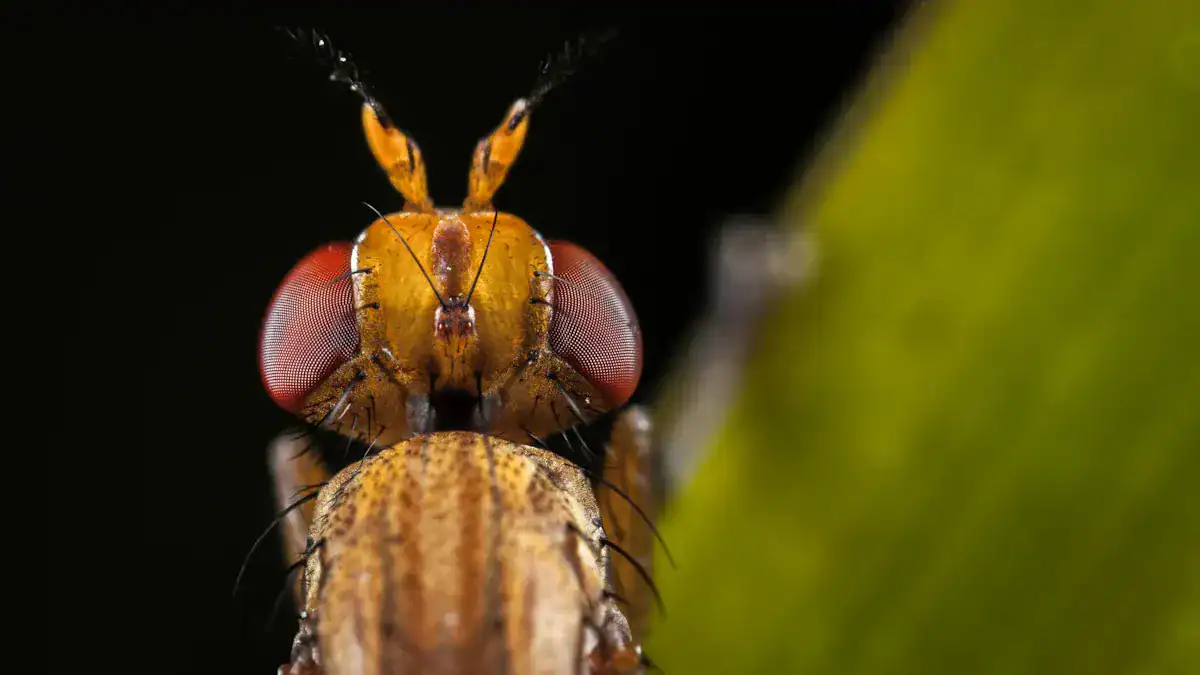
You have examined the wings. Now, turn your attention to the insect’s antennae. These sensory organs are very important for identification. Antennae help an insect sense its environment. They detect smells, tastes, and even vibrations. Their shape and length offer clear clues about the insect’s identity.
Antennae Types
Antennae come in many shapes. Each shape helps you identify different insect groups. Here are some common types:
Aristate: These antennae are small and pouch-like. A tiny bristle comes out from the third segment. You often see them on flies.
Capitate: These antennae have a club or knob at their ends. Butterflies and some beetles have capitate antennae.
Clavate: These antennae get thicker towards their ends. Moths and carrion beetles show this type.
Filiform: These are simple, long, and thin. Their segments are all the same size. Cockroaches, crickets, and longhorn beetles have filiform antennae.
Flabellate: These antennae have thin, flat segments. They look like a folding paper fan. Some beetles, wasps, and moths have them.
Geniculate: These antennae bend like a knee joint. The first segment is long before the bend. Bees, wasps, and weevils often have geniculate antennae.
Lamellate: The end segments are flat and nested. They resemble a folding fan. Scarab beetles have lamellate antennae.
Moniliform: Segments are round and equal in size. They look like a string of beads. Termites and some beetles have moniliform antennae.
Pectinate: Segments have a side projection. This makes them look like combs.
Antennae Length
The length of an insect’s antennae also varies greatly. This feature helps you narrow down the possibilities. You can compare the antennae length to the insect’s body length.
Insect Family/Order | Antennal Length Relative to Body Length |
|---|---|
Odonata | Small |
Diptera | Small |
Long-horn beetles | Longer than body length |
Crickets | Longer than body length |
You will notice that dragonflies (Odonata) and true flies (Diptera) have very short antennae. Long-horn beetles and crickets, however, have antennae that are often longer than their entire body. This difference is a key characteristic.
Step 5: Note Leg Structure
You have looked at antennae. Now, examine the insect’s legs. The structure of an insect’s legs tells you much about its lifestyle. Legs are not just for walking. They adapt for many different tasks.
Leg Adaptations
Observe the shape and size of the legs. Flying insects commonly possess legs that are longer and more slender. These adaptations facilitate rapid movement and enhance agility. This distinguishes them from non-flying species. Non-flying species often have shorter, sturdier legs. Those legs are for activities like walking, climbing, or digging. For example, a praying mantis has strong, spiky forelegs. It uses these to grasp prey. A water beetle has flattened, oar-like hind legs. It uses these for swimming. A grasshopper has large, muscular hind legs. It uses these for jumping. These specialized legs help you identify the insect.
Leg Segment Count
You can also count the segments of an insect’s legs. This is especially true for the tarsus. The tarsus is the foot-like part at the end of the leg. It usually has several small segments. The number of these segments varies among different insect groups.
Insect Order | Tarsal Segments |
|---|---|
Diptera (flies) | 5 segments, or 4 or fewer segments |
Lepidoptera (moths) | 5 segments, or 4 or fewer segments |
Ephemeroptera (mayflies) | 5 segments, or 4 or fewer segments |
Trichoptera (caddis flies) | 5 segments, or 4 or fewer segments |
Orthoptera (crickets, grasshoppers, cockroaches, preying mantids) | Segmented legs (number of segments not specified) |
You will find that many flying insects have five tarsal segments. Some may have four or fewer. This detail helps you narrow down the insect’s order. You need a magnifying glass for this close observation. This small detail is a powerful identification clue.
Step 6: Analyze Mouthparts
You have examined the legs. Now, focus on the insect’s mouthparts. These specialized structures help an insect eat. Observing them gives you strong clues for identification. Different mouthpart types indicate different feeding habits.
Mouthpart Types
Insects have diverse mouthparts. Each type helps them consume specific foods. You can categorize them into several main groups:
Mouthpart Type | Description | Examples |
|---|---|---|
Chewing | These mouthparts have strong mandibles. They cut and grind solid food. | Beetles, grasshoppers, caterpillars |
Siphoning | A long, coiled tube forms this type. It unrolls to suck up liquids like nectar. | Butterflies, moths |
Piercing-Sucking | These mouthparts form a needle-like stylet. They pierce tissues and suck fluids. | Mosquitoes, aphids, true bugs |
Sponging | A fleshy, sponge-like labellum forms this type. It mops up liquid food. | House flies |
Chewing-Lapping | These mouthparts combine chewing mandibles with a lapping tongue. | Bees, wasps |
You will find that a mosquito uses its piercing-sucking mouthparts to feed on blood. A butterfly uses its siphoning proboscis to drink nectar. This difference in feeding strategy is a key identifier for each insect.
Mouthpart Visibility
Sometimes, you can easily see an insect’s mouthparts. A grasshopper’s chewing mandibles are often quite visible. Other times, they are small or hidden. A butterfly’s proboscis might be coiled tightly under its head. You may need a magnifying glass to see them clearly. Some mouthparts retract into the head when not in use. For example, many true bugs keep their piercing-sucking stylets tucked away. You must look closely. The visibility of these structures helps you confirm the mouthpart type. This detail further narrows down your identification of the insect.
Step 7: Observe Color and Markings
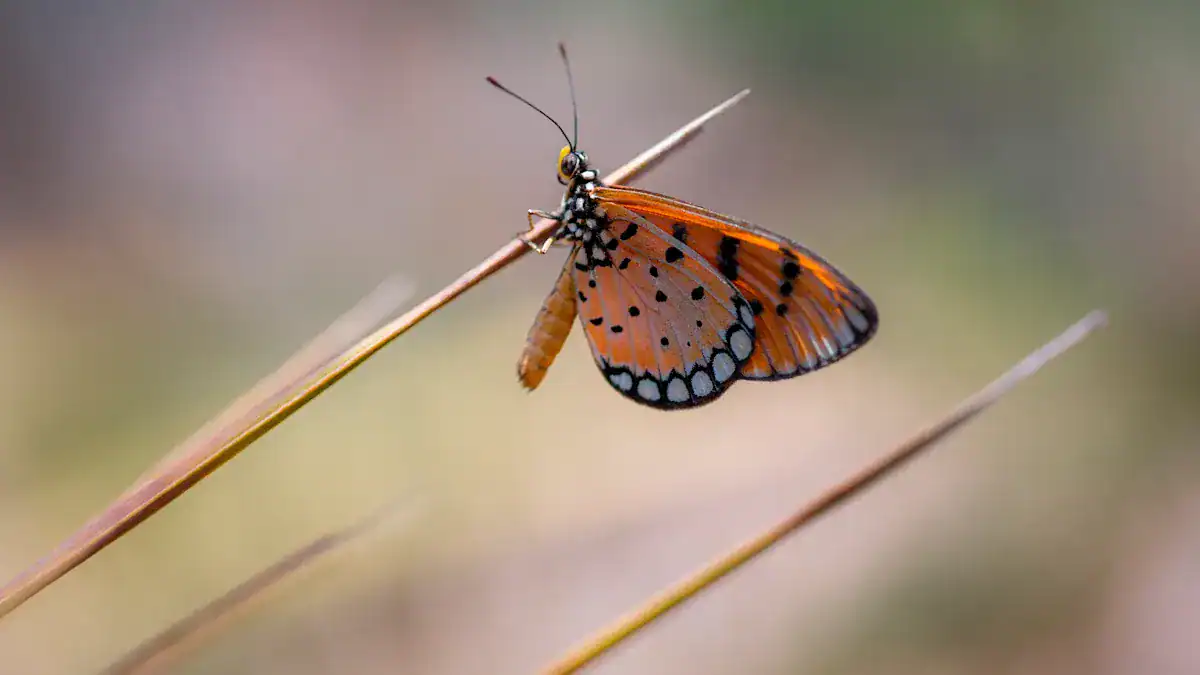
You have looked at the insect’s physical structure. Now, pay attention to its color and markings. These visual cues are often the first things you notice. They provide important clues for identification.
Overall Color
Start by noting the insect’s main color. Is it black, brown, green, yellow, or a combination? Many insects have camouflage colors. They blend into their environment. For example, many grasshoppers are green or brown. This helps them hide in foliage. Other insects have bright colors. These colors can warn predators. A ladybug’s red and black warns birds it tastes bad. This initial color observation helps you narrow down possibilities.
Patterns and Iridescence
Look for specific patterns on the insect’s body or wings. Does it have stripes, spots, or bands? Are there any unique shapes? Many butterflies have intricate wing patterns. These patterns are unique to their species. Some insects also show iridescence. Their bodies or wings shimmer with metallic colors. These colors change with the light. Think of a dragonfly’s wings. They often have a beautiful, iridescent sheen. 🦋 This shimmering effect is a strong identifier for certain groups.
Mimicry Examples
Some insects copy the appearance of other, more dangerous insects. This is called mimicry. They do this to avoid predators. For instance, many hoverflies look like bees or wasps. They have yellow and black stripes. However, hoverflies cannot sting. Their mimicry protects them. You might see a clearwing moth. It looks like a bumblebee. This deception helps them survive. Observing these mimicry patterns helps you identify the true nature of the insect.
💡 Tip: Always look beyond the obvious. A bee-like appearance does not always mean it is a bee.
Step 8: Consider Habitat and Behavior
You have observed the insect’s physical traits. Now, think about where you found it and what it was doing. An insect’s habitat and behavior offer crucial clues for identification. These environmental and action-based observations help you understand the insect’s life.
Habitat Location
Where did you find the flying insect? Was it near water, in a garden, or inside your home? Different insects prefer specific environments. You might find mosquitoes near standing water. Bees often visit flowers. Some moths live in forests. Others prefer urban areas. Knowing the insect’s preferred habitat helps you narrow down its identity. A specific location often points to certain insect groups.
Flight Patterns
Observe how the insect flies. Its flight pattern is a strong identifier.
Mayflies and dragonflies show direct flight. Their muscles attach directly to wing bases. Dragonflies have independent fore and hind wings. This allows precise control. They change direction and speed rapidly.
Most other winged insects use indirect flight. Their muscles attach to the thorax. The thorax deforms to move the wings.
Flies and some beetles use an asynchronous nervous system. This leads to very high wingbeat frequencies.
Bumblebees also use asynchronous muscles. These muscles contract multiple times per nerve impulse. This results in faster wing beats.
Very small insects use a “clap and fling” mechanism. This generates lift.
Many insects can hover.
Moths have coupled forewings and hindwings. This allows them to move together.
Behavioral Traits
What is the insect doing? Its actions provide more clues.
Look at its movement patterns. Does it fly in a straight line? Does it dart quickly? Does it hover?
Observe its feeding habits. Is it drinking nectar? Is it preying on other insects?
Note its time of activity. Is it active during the day or at night?
See if it shows attraction to certain substances or environments. Is it drawn to light? Is it attracted to fruit? These behaviors help you identify the insect.
Plant Damage Clues
Look for any damage on nearby plants. Different insects cause specific types of plant damage. Chewing insects leave holes in leaves. Sucking insects cause wilting or discoloration. Some insects create galls or tunnels. This damage helps you identify the culprit. It links the insect to its feeding habits.
Step 9: Take a Clear Photo
You have observed many details about the insect. Now, you need to capture these details. A clear photo is very important for accurate insect identification. It lets you examine the insect later. It also helps you share the image with experts.
Multiple Angles, Close-Ups
You should take several photos of the insect. Get pictures from different angles. Shoot from the top, the side, and the front. These different views show all its features. You need close-up shots. These close-ups reveal small details. Focus on the head, antennae, wings, and legs. These parts hold key identification clues. A sharp, well-lit image makes insect identification much easier. Avoid blurry photos. They hide important characteristics.
Include a Size Reference
Always include something in your photo to show scale. This helps others understand the insect’s actual size. You can place a coin next to the insect. A ruler also works well. Even your finger can provide a size reference. Without a size reference, a tiny gnat might look like a large fly. This makes accurate insect identification difficult. A clear photo with a size reference is a powerful tool. It helps you and others correctly identify the flying insect.
Step 10: Using Tools for Insect Identification
You have gathered many details about your insect. Now, you can use various tools to help with insect identification. These resources make the process easier and more accurate.
Online Resources and Field Guides
Many helpful tools exist for flying insect identification. Field guides are books with pictures and descriptions of insects. You can compare your insect to the images in these guides. Online resources offer even more information. Websites from universities or entomological societies provide detailed databases. You can search for insects by their features. When you use these tools, look for both common names, like “honey bee,” and scientific orders, such as Hymenoptera for bees and wasps. This dual approach helps you find the correct match. Many guides also use identification keys. These keys ask you a series of questions about the insect’s features. Your answers lead you to the correct identification.
Smartphone Apps for Instant ID
Smartphone apps offer a quick way to identify insects. You take a picture, and the app suggests an identification. These apps use artificial intelligence to recognize insect features. Some apps work better than others for insect identification.
ObsIdentify: This app performs very well for insect identification. It shows high accuracy across many insect types.
Picture Insect: This app is also a good choice. Its accuracy is generally lower than ObsIdentify.
Google Lens and Seek by iNaturalist: These apps are useful for general identification. However, they show lower accuracy specifically for insects compared to ObsIdentify or Picture Insect.
You can use these apps as a starting point. Always cross-reference their suggestions with field guides or online resources for confirmation.
Step 11: Consult with Experts or Online Communities
You have gathered information and used tools. Sometimes, you still need help. Do not hesitate to ask experts or online groups. They offer valuable assistance for insect identification.
Local Entomologists, University Extensions
You can find local experts. Entomologists study insects. Many universities have entomology departments. They often offer public services. You can contact your local university extension office. These offices provide agricultural and environmental advice. They help identify insects. You can send them your photos and observations. They give you accurate information. This resource is great for complex cases. They help you understand local insect populations.
Insect Identification Forums and Social Media Groups
Many online communities exist for insect enthusiasts. You can join insect identification forums. Websites like BugGuide.net have active communities. People share photos and ask for help. Social media platforms also host groups. Search for “insect identification” groups on Facebook or Reddit. You can post your clear photos there. Provide all the details you collected. Mention the location and behavior of the insect. Members often identify insects quickly. They share their knowledge. This is a fast way to get answers for your flying insect identification. You learn from experienced observers.
Step 12: Document Your Findings
You have identified a flying insect. Now, you must document your findings. This final step is crucial. It helps you build your knowledge. It also contributes to scientific understanding. Good documentation makes you a better identifier.
Keep a Log of Identified Insects
You should create a personal log. This log can be a notebook or a digital file. Record every insect you identify. This practice strengthens your identification skills. It helps you remember key features. Your log becomes a valuable reference. You can track insect populations in your area. You can also notice seasonal changes. This log is your personal insect encyclopedia.
Note Date, Location, and Key Features
When you document an insect, include specific details. Always record the date of your observation. Note the exact location where you found the insect. Include details like the type of habitat. Did you find it in a garden, a forest, or near water? Describe the insect’s key features. Mention its size, color, and wing patterns. Add details about its antennae and leg structure. You should also write down its behavior. What was it doing? Was it flying, feeding, or resting? Your clear photos also belong in this record. These details make your documentation complete. They help you confirm future identifications. Your observations become valuable data.
💡 Tip: Consider adding the scientific name and common name to your log. This helps you learn insect classification.
You now master a 12-step approach for flying insect identification. Practice and consistent observation are key. They improve your insect identification skills. Embrace the journey of discovery. Appreciate the diverse insect world around you. Anyone can become a confident identifier. Apply these easy steps. Use available resources. Professional insect identification services offer expertise and tailored solutions. They ensure accurate treatment plans. This prevents health risks and supports environmental sustainability. Find satisfaction in understanding your natural world.