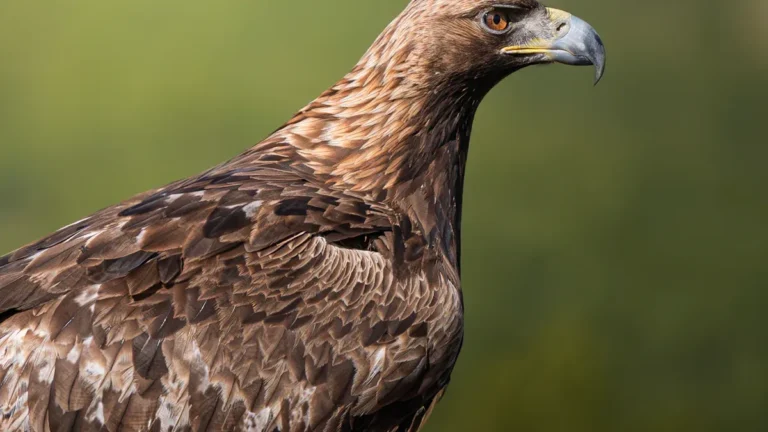


Winter in New Brunswick brings a dependable cast of hardy birds that stick around for the cold months. Look to backyard feeders for chickadees, nuthatches, sparrows, juncos, cardinals, and finches feeding on seeds and suet. Dawn shoreline walks reveal ducks, mergansers, dunlin, and gulls near open water. Scan trunks for woodpeckers and fence posts for perched hawks or owls, and share sightings to learn more.
Common Backyard Visitors and Feeder Birds
Stepping outside on a crisp winter morning, you’ll likely spot familiar feathered friends that make cold months feel a little warmer. You’ll see chickadees, nuthatches, sparrows, and cardinals visiting your backyard habitat for seeds and shelter.
You feel connected whenever birds hop near your window or land on a nearby branch. You can welcome them through keeping bird feeder maintenance simple and kind. Clean feeders regularly, refill with fresh seed, and place feeders near shrubs for quick cover.
You’ll also add suet or peanuts to help energy needs. Watch for pairs and family groups that bring quiet joy. Through caring for feeders and habitat, you create a safe space where both you and birds belong together.
Waterfowl and Shorebirds on Icy Coasts and Estuaries
The bright activity at your feeders often gives way to a different kind of winter scene along New Brunswick’s icy shores, and you can feel that shift as soon as you head down to an estuary or rocky beach. You notice ducks and scoters riding small waves, and shorebirds probing exposed mudflats near salt marshes. You could pass ice fishing sites where people watch holes while eiders loaf offshore. You belong here with others who watch and learn.
| Bird to Spot | Where to Watch |
|---|---|
| Common Eider | Offshore rocks, near tide edges |
| Dunlin | Mudflats and creek mouths |
| Green-winged Teal | Salt marshes and shallow pools |
These birds teach patience and shared amazement.
Raptors and Owls of Winter Woodlands
If you walk through a New Brunswick winter woodlot, you’ll observe raptors change their hunting patterns to cope with cold, open fields and scarce prey. Pay attention to perching hawks that scan from fence posts and to short bursts of flight that signal a successful strike, and you’ll begin to read their behavior like a friendly guide.
As you watch, let your eyes learn owl ID traits such as round facial disks, silent wingbeats, and steady, unblinking stares so you can tell species apart without startling them.
Raptors’ Winter Behavior
Even though snow covers the ground and forests look quieter, raptors and owls keep busy throughout the winter, and you can learn how to spot them and understand their habits. You feel part of a group watching sharp-eyed hunters adapt.
Pay attention to migration patterns and prey selection because they shape where birds stay and how they hunt. You’ll notice kestrels hovering near open fields while hawks sit on roadside posts. Raptors change hunting times as daylight shrinks, and they work together with nearby woodlands where owls hunt at night.
- Watch edges of woods for perch hunting.
- Scan frozen ponds for waterfowl prey.
- Track thermals on sunny days.
- Look for fresh feather bits beneath perches.
Owls: Identification Traits
Numerous people experience a quiet thrill as they spot an owl on a winter night or at dawn, and you’ll too once you learn a few simple ID clues.
You’ll look for the facial disc initially. It frames the eyes and helps you tell species apart.
Size matters next. Some owls are small and round, others are large with long wings.
Listen for calls and rustling that hint at location.
Watch for silent flight as a key trait. Soft wing fringes mute sound, so you might see movement before you hear anything.
Observe posture and habitat together. A perched owl in open fields differs from one in dense woods.
Stay warm, stay respectful, and you’ll feel part of the winter night life.
Finch Flocks and Seed Specialists
Should you love watching little bursts of motion at your feeder, finch flocks will feel like a lively neighborhood visit that keeps coming back, and you’ll quickly learn to tell their personalities apart.
You’ll notice cone feeding behavior at thistle socks and sunflower heads, where specialized bills strip seeds with quiet skill.
You belong here with other watchers who care about gentle feeders and safe perches.
Watch flock interactions for clues about trust, family groups, and newcomers.
They’ll teach you routines and make winter feel less cold.
- Provide thistle and sunflower for cone feeding comfort.
- Offer varied ports so timid birds join braver ones.
- Keep feeders clean to protect flock health.
- Place shelter nearby to invite longer visits and shared warmth.
Sparrows, Juncos, and Ground Foragers
Image a quiet patch of snow where small birds hop and peck, and you’ll see sparrows and juncos in their element. You’ll feel welcomed watching winter groundbirds working together, probing leaf litter and shallow snow with steady focus.
For ground foraging, you can set low feeders and scatter seed near shrubs where birds feel safe. Learn simple sparrow identification by noting streaks, head patterns, and size.
Junco habitat tends to include brushy edges, hedgerows, and backyard thickets, so you can create pockets of cover with native plants.
As you watch, you’ll notice how sparrows and juncos share space yet use slightly different microhabitats. That closeness helps you feel part of their small community and gives you gentle reasons to protect their winter needs.
Woodpeckers and Tree-Clinging Species
You’ll notice woodpeckers and other tree-clinging birds from their steady tapping and clipped calls, so look for strong bills, stiff tails, and zygodactyl feet that help them cling.
In winter they spend more time foraging on trunks and larger branches, probing bark for concealed insects and caching seeds once the weather turns harsh. As you watch, you’ll see how their identification features link directly to their behavior, making it easier to tell species apart and understand how they survive cold months.
Identification Features
Should you watch closely at the edge of a snow-dusted woodlot, you’ll notice how woodpeckers and other tree-clinging birds stand out through posture and motion.
You’ll spot plumage changes on some species as they molt or show worn feathers.
You’ll hear distinct vocalization patterns that help you separate a nuthatch from a creeper.
You feel included at the moment someone points them out and you learn together.
- Body posture: vertical clingers press tails against trunks and hop or shimmy.
- Bill shape: chisel bills vs thin probes signal feeding method.
- Tail use: stiff tail feathers brace birds while climbing.
- Foot arrangement: strong rear toes give grip on bark.
These features link form and sound so you can identify birds with confidence.
Winter Behavior
The posture and bill shapes you learned about help explain how woodpeckers and other tree-clinging birds cope with cold winter days. You’ll notice they hug trunks, brace with stiff tails, and peck in steady rhythms to reach concealed insects and sap.
As you watch, recall their migratory patterns vary; many stay put here while only a few move south. You’ll join others who feel glad whenever a steady nuthatch or downy woodpecker arrives at your yard. You can help through offering suet and through keeping dead limbs for foraging.
These birds also practice food caching, tucking seeds and insects into bark crevices for later. That behavior links movement, feeding, and survival in a quiet winter community you’re part of.
Rare and Irregular Winter Visitors
Even though most winter birdwatching centers on familiar species, rare and irregular visitors can arrive and change everything in a hurry.
You could feel excited and a little nervous whenever an unexpected warbler or gull shows up, since migration patterns and habitat preferences that usually predict arrivals sometimes fail.
You belong here with others who watch closely and share sightings, and you’ll learn how to observe subtle signs.
- Take notice of unusual plumage and behavior swiftly.
- Record date, time, and exact location.
- Compare with known migration patterns and habitat preferences.
- Share photos and observations with local groups.
These steps connect you to a caring community. They help you make sense of surprises and keep winter birding joyful and inclusive.
Where and When to Go Birding in Winter
Where do you head as snow hides familiar landmarks and birds tuck into pockets of open water? You’ll find comfort in steady birding spots like coastal coves, river mouths, and sheltered parks. Go with friends or join a local group so you feel welcome. Use timing tips: visit at daybreak for active feeders, and check thaw cycles for open water. Dress warm, bring binoculars, and share sightings to build fellowship. Below is a simple table to plan outings and spark conversation.
| Spot Type | Best Time | What to Expect |
|---|---|---|
| Coastal cove | Dawn | Ducks, gulls, harassment-free views |
| River mouth | Midday | Open water, mergansers, friendly company |
| Sheltered park | Late afternoon | Chickadees, nuthatches, easy trails |