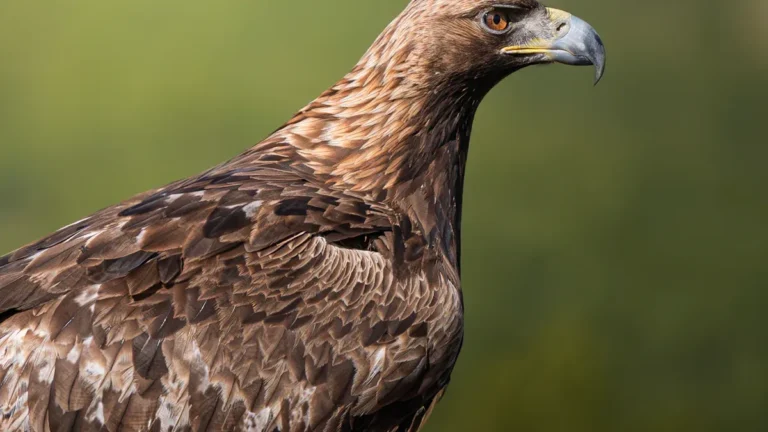


Find a nest with eggs? Stay calm and watch quietly from a distance for at least an hour at different times to confirm parents are really gone. Never touch eggs without guidance from a licensed rehabilitator, since many species and eggs are legally protected and embryos can die from temperature or contamination changes. If the nest is unsafe, contact local wildlife experts for advice on emergency warming, safe relocation, or rescue. Keep the area quiet and observe — experts will guide the next steps.
How to Assess Whether a Bird Egg Is Truly Abandoned
How can you tell whether an egg is truly abandoned or whether a parent is just out for a moment? You look for background and trust your careful observations.
Initially, observe the clutch size and whether all eggs match in age and appearance. A single egg with a clean eggshell nearby could indicate a hatchling hatched or a predator visited.
Watch from a distance for a few hours at different times of day. In case parents return, you’ll feel relief and belong to a caring group of observers.
Otherwise, check for warmth by briefly hovering your hand near the nest without touching. Keep a log of visits, times, and changes. Share notes with local rehab volunteers. That team approach helps you decide what to do next.
Common Signs of a Temporarily Unattended Nest
You could find a nest empty for a short time because the parents are out foraging and will be back soon.
Listen for a sudden hush or brief vocal silence that feels different from the usual chattering.
In case the eggs still feel warm when you peek from a distance, that’s a strong sign the adults have only just stepped away.
Parents Out Foraging
Seeing an empty nest right now can feel worrying, but keep in mind parents often leave briefly to forage and will come back.
You could notice a nest with warm eggs and no adults nearby. That’s often normal parental behavior. Watch from a distance for patterns in foraging duration. Some birds come back every 20 minutes. Others might be gone an hour while they gather food for the whole family.
Stay nearby but unseen. Use soft observation times, like every 15 to 30 minutes, to track visits.
In case adults return regularly and eggs stay warm, you belong with other careful observers who protect nests. Should you ever feel unsure, contact local wildlife experts for clear next steps and support.
Brief Vocal Silence
Considering why a once-chatty nest suddenly goes quiet for a while? You might feel uneasy, but brief vocal silence can be normal. Parents use silent communication through pauses to avoid drawing predators.
You notice bird stillness as adults slip away to forage or check the area. Stay close but unseen. Watch from a distance without touching eggs or nest. Listen for soft calls returning after a short time.
In case silence stretches into many hours with no signs of activity at dawn or dusk, reach out to a local wildlife rehabilitator for guidance. Trust your instincts and the community around you. You belong with others who care, and together you can protect fragile nests while respecting natural behavior.
Visible Warmth Retained
How can you tell whether a nest is only temporarily empty and not truly abandoned? You look for warmth still there. Whenever you approach gently, you can sense heat or use infrared sensing from a respectful distance to check without touching. This helps you feel part of caring for wild neighbors.
- Warm surface whenever you hover near the nest indicates recent brooding.
- Slight humidity inside the nest shows an incubator simulation effect from parent presence.
- Small impressions or fresh lining rearrangement mean recent activity.
- Adults returning at dawn or dusk prove they’re still committed.
You want to belong to a community that protects life. Stay calm, keep distance, and wait a few hours. Provided signs persist, consult local wildlife help.
How Long Is Too Long: Timing and Incubation Clues
You can tell a lot through checking egg temperature and how long the parents have been gone, and that helps you decide whether the eggs need help.
Start through feeling the eggs through the shell or using a quick hand test to see if they’re warm, then observe how many hours the nest has been empty.
In case eggs are cool and parents have been absent beyond the usual incubation stretch, look for developmental signs like veins or movement before you act.
Egg Temperature Checks
Ever considered how long an abandoned egg can sit before it becomes hopeless? You can check warmth gently to discover whether an embryo could still need help.
Use careful thermal regulation reflection and basic incubation monitoring steps so you and others feel confident together. Follow this short numeric list for practical checks:
- Warmth test: cup the egg for 15 seconds to sense steady warmth without squeezing.
- Candle or dark cloth: in low light look for veins during initial stages but only if you know how.
- Touch schedule: check every hour briefly should you plan to assist, keeping records.
- Record signs: observe temperature, odor, shell feel, and any movement to share with a rescuer.
You belong to a team that cares and acts thoughtfully.
Parental Absence Timing
At what point should you worry in case a parent bird hasn’t returned to the nest? You notice parental absence and feel the urge to help.
Initially, consider species habits and typical leave times. Some birds take short breaks; others leave longer to forage.
Watch for temperature fluctuations in the nest area. In case eggs cool quickly or feel cold to the touch after a few hours, that signals concern.
Stay near but out of sight and observe at different times of day.
In case absence stretches beyond normal for that species or several long cold periods occur, contact a local wildlife rehabilitator. They’ll tell you at what time to intervene and might check incubation needs.
You’ll feel calmer realizing you followed careful, community-minded steps.
Developmental Signs Inspection
How long should you wait before worrying the eggs aren’t being cared for? You lean in, gentle and curious, to check embryo growth without disturbing the nest. Use soft light through the shell provided local rules allow, and look for clear developmental milestones like blood vessels, darkening, or movement.
- Day count: compare days since laying to species incubation period.
- Visible signs: veins within day 3 to 5, shadowed embryo later on.
- Temperature clues: shells too cool for long mean stalled growth.
- Professional help: in case milestones stall, contact a rehabilitator you trust.
You belong here with other careful helpers. Move slowly, keep records, and communicate findings to experts so the eggs get the best chance.
Species Differences That Affect Intervention Decisions
Different bird species have different needs, so you’ll want to take into account the kind of bird prior to deciding what to do with abandoned eggs. You’ll notice species specific traits like size, eggshell color, and how parents behave.
Those clues link to nesting behaviors and typical incubation periods, so they guide your choices. For example, ground nesters need camouflage and quick warming, while canopy species rely on insulated cups and longer incubation. That means you shouldn’t apply one rule to all eggs.
In case you recognize the species, you can match help to its pattern, or call a local rehabilitator who knows regional birds. You’ll feel part of a caring group once you learn these differences and act with gentle patience.
Legal Protections for Wild Birds and Their Eggs
Because wildlife laws protect nests and eggs, you should know the rules before you touch anything; these laws exist to keep birds safe and to guide you in case you’re worried about an abandoned nest.
You belong to a community that cares, and you can act responsibly through learning legal limits. Federal regulations often make it illegal to disturb nests of protected species. Permit requirements apply should you work with wildlife or need to move eggs for safety.
Know who to call and what forms matter.
- Contact local wildlife agency for species-specific rules.
- Check federal regulations like Migratory Bird Treaty Act.
- Ask about permit requirements prior to intervening.
- Keep records and photos to share with rescuers or officers.
Risks of Handling or Moving Wild Eggs
In case you touch or move wild eggs you can pick up germs or spread bacteria that harm both you and the chicks. You can also upset the eggs’ temperature and stop the embryo from developing, which often dooms a hatch.
On top of that you risk breaking laws and causing ethical harm, so it’s usually best to call a local wildlife expert prior to acting.
Disease and Contamination
- Wear gloves and change them after each nest to stop cross contamination.
- Use a sealable bag for an egg you must move and avoid placing it near pets.
- Clean any surfaces with a mild disinfectant and water right away.
- Call a wildlife rehabilitator in case an egg looks soiled or damaged.
Temperature and Incubation Disruption
Suppose you pick up or move a wild egg, you can change the tiny balance that keeps an embryo alive, and that matters more than you could envision. You could mean well, but eggs rely on an incubation rhythm set through the parents and the nest microclimate.
Once you handle an egg you stop that rhythm. Temperature shifts can slow development, harm organs, or cause death. You also risk altering humidity and the egg orientation birds use to keep membranes healthy.
With climate impact already stressing habitats, small disruptions matter more now. Stay connected to community caretakers and experts.
In case you find an egg, resist touching it, observe from a distance, and contact local wildlife help so you protect the future together.
Legal and Ethical Risks
In case you pick up or move a wild egg, you’re not just risking the embryo’s life; you may also be breaking laws and crossing ethical lines that protect wildlife and the people who care for it. You belong to a community that wants to help, so learn the risks before acting.
- You could cause permit violations in the event the species is protected, and that can lead to fines or legal trouble.
- Handling eggs creates ethical dilemmas about human control over nature and the responsibility you feel to help.
- Moving eggs can stress parents, change hatch timing, and reduce survival chances.
- Well-meaning rescue attempts often interfere with trained rehabilitators and local wildlife efforts.
Trust local experts. Reach out and stay part of the caring network.
When It Is Appropriate to Intervene and How to Do It Safely
At the moment you find an unattended egg, keep in mind that you’re not alone in wanting to help; many people feel a tug to act quickly because the egg looks fragile and lonely.
Initially, look and listen for parents from a distance. In case birds return within an hour, stay back and let them care.
Should the nest be damaged or the area is unsafe and no adults appear, consider emergency intervention with calm, gentle moves. Wear gloves, limit handling, and keep the egg warm in a soft cloth.
For safe relocation, move the egg only a short distance into a similar, secure nest site nearby. Stay nearby to watch for parental return while keeping pets and people away for their comfort and safety.
How to Contact and Work With Licensed Wildlife Rehabilitators
Want to know who to call should you find an abandoned egg and feel swamped? Reach out to a licensed wildlife rehabilitator right away. Look for rehabilitator credentials upon your call. Ask about their experience, permits, and hours. Be calm and kind; you’re joining a community that cares.
- Find local rehab centers online or through wildlife hotlines.
- Prepare basic info: location, species in case known, and egg condition.
- Follow their collaboration protocols for transport and handoff.
- Stay available for follow-up and ask how you can help.
You’ll feel included once you follow their guidance. Clear, polite communication builds trust. That teamwork keeps the egg safe and links you to people who share your compassion.
Short-Term Emergency Care for Eggs While Waiting for Help
At the moment you find an unattended bird egg and you’re waiting for help, stay calm and act gently so you don’t harm it; your careful choices right now can make a big difference. You want to offer emergency incubation and temporary warmth without taking over. Hold the egg close to your body in a soft cloth for short checks. Keep it shaded, quiet, and still. Don’t rotate unless instructed. Share care by calling a rehabilitator and following their steps. You belong to a group that cares for wildlife and your calm actions help.
| Action | Why it helps |
|---|---|
| Soft cloth pocket | Cushions and prevents rolling |
| Body warmth brief | Provides temporary warmth |
| Quiet location | Reduces stress |
| Call pros now | Guarantees proper emergency incubation |
Alternatives to Taking Eggs Home: Creating a Safe Nesting Environment
In case you don’t want to take the egg home, you can still help through creating a safe nesting spot nearby that gives the egg the best chance without removing it from nature.
You belong here with other helpers who care. You can act gently, follow rules, and feel proud.
- Place a shallow, insulated cup in the original nest location or a nearby sheltered branch to stabilize temperature and mimic the original nest.
- Use birdhouse design principles like proper ventilation, drainage, and suitable entrance size so parents can return.
- Add predator deterrents such as baffles, smooth poles, or metal collars to stop rodents and snakes.
- Keep pets and loud activity away while watching discreetly from a distance to reduce stress on the egg and hopeful parents.
Preventing Future Nest Abandonment and Human Disturbance
Once you create a safer nest close to, you’ll want to reduce the chance of future abandonment and stop people from causing stress to nesting birds.
You can protect the nest site through marking safe zones and gently educating neighbors so they feel included in care. Keep human noise low with quiet hours and signs that invite curiosity without intrusion. Pair habitat restoration coupled with simple plantings and native shrubs to give parents cover and food.
Use predator deterrence such as baffles on poles, secure trash lids, and thoughtful placement of feeders to keep raccoons and cats away.
Encourage shared responsibility offering to monitor from a distance and celebrate small wins together. That way everyone belongs to the effort and the birds stay safer.