


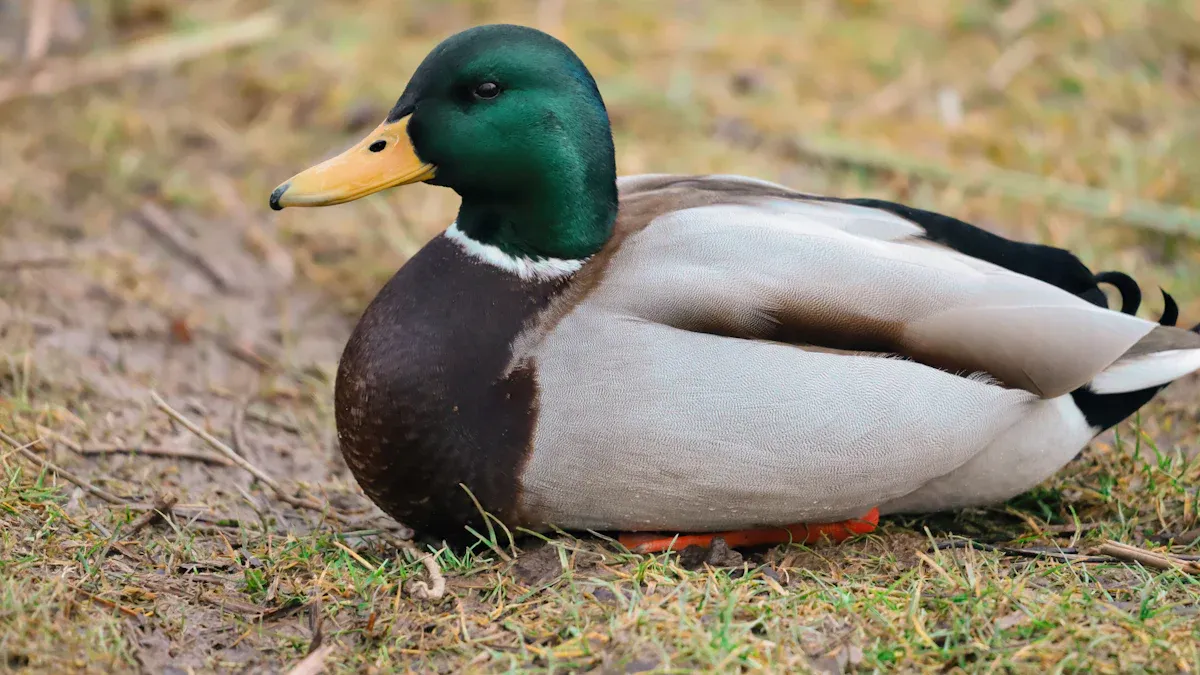
The american black duck vs mallard often causes confusion for many observers. They share similar sizes, shapes, and habitats. However, accurate identification is crucial for birdwatchers, hunters, and conservationists. Distinguishing these waterfowl is important for conservation efforts. For example, the American Black Duck experienced significant population declines in past decades, while the Mallard population remains robust at around 6.6 million. This post will help you understand their key differences. We will explore differences in appearance and sound to help you confidently tell them apart.
Key Takeaways
American Black Ducks look dark brown all over. Mallards have lighter bodies and males have a bright green head.
Look at their bills. Male American Black Ducks have a yellowish-green bill. Male Mallards have a bright yellow-orange bill.
Check their wing patches called speculums. American Black Ducks have a violet-blue speculum. Mallards have a bright blue speculum with white stripes.
American Black Ducks and Mallards can breed together. This creates hybrid birds with mixed features.
American Black Ducks like quiet marshes. Mallards live in many different water areas.
American Black Duck Overview
General Appearance
The American Black Duck often appears very dark brown from a distance. This bird is similar in size and shape to the Mallard. However, it has a darker, brownish-black plumage. Its body is darker throughout compared to Mallards. An adult American Black Duck typically weighs between 720 and 1,640 grams. Its length measures 54 to 59 centimeters. The wingspan ranges from 88 to 95 centimeters. Males are usually heavier, averaging 1.4 kilograms, while females average 1.1 kilograms. This makes the American Black Duck a robust waterfowl species.
Key Behaviors
American Black Ducks show interesting behaviors. They feed in shallow water. They often tip their heads down and lift their tails up to probe in mud and water. Sometimes, they skim the surface of the water for food. Their diet includes submerged plants and seeds. They also eat mollusks, crustaceans, insect larvae, tadpoles, and small fish.
These ducks form monogamous pairs each breeding season. Some pairs even stay together in later years. Courtship happens in fall and winter before they migrate. Females choose various nesting spots. These can be shrubby areas, brush piles, or even rock crevices. The female builds the nest. She digs a basin and adds plant material. Later, she adds down feathers from her body. Nesting can start as early as February in warmer areas. It can be as late as May in northern regions. The female incubates the eggs for 23 to 33 days. The male defends the territory at first. He leaves the nest halfway through incubation. Ducklings hatch quickly. The female then guides them to areas rich in food and cover. The oldest recorded American Black Duck lived to be 26 years and 5 months old. This shows a long potential lifespan, though many do not reach this age due to high early mortality. Distinguishing the american black duck vs mallard is important for understanding these unique behaviors.
Mallard Overview
General Appearance
Mallards have paler bodies compared to American Black Ducks. They show a variety of feather patterns. All Mallard pattern ducks have eye stripes. Their wing speculum is brightly colored and iridescent, usually blue to purple. The underside of their wing is pure white. An adult Mallard is a medium-sized duck.
Measurement | Range (cm) | Range (kg) |
|---|---|---|
Length | 50-71 cm | N/A |
Wingspan | 81-99 cm | N/A |
Weight | N/A | 0.7-1.6 kg |
Male vs Female Mallard
Distinguishing male vs female mallard is quite easy, especially during breeding season. Male Mallards are very colorful. They have bright green head feathers. This striking difference is called sexual dimorphism. It helps females choose mates. Males develop this colorful breeding plumage from late fall through winter. This plumage shows they are ready to mate. In contrast, female Mallards have much duller colors. The female Mallard has a lighter, creamier orange-brown coloration. This helps them blend in with their surroundings while nesting.
Key Behaviors
Mallards are adaptable eaters. They find food in and around freshwater. They also travel for food if water freezes. Mallards mostly feed during the day. They search for insects and small animals in shallow water. They dabble or tip their bodies to reach food below the surface. They usually do not dive. Their diet changes with the seasons. In winter, they eat mostly plants like acorns, wheat, and corn. In summer, they eat more insects and tadpoles.
Mallards are early spring migrants. They arrive at nesting grounds by late March or early April. They form new pairs each year. Females choose nest sites in dense plants near water. They lay about 10-12 eggs. The female cares for the young alone. Ducklings can feed themselves right after hatching. They follow their mother to water soon after. A Mallard can live for 5-10 years in the wild. Some have lived for nearly 30 years. However, many live less than two years. Understanding the american black duck vs mallard differences helps appreciate these behaviors.
Head and Bill Differences
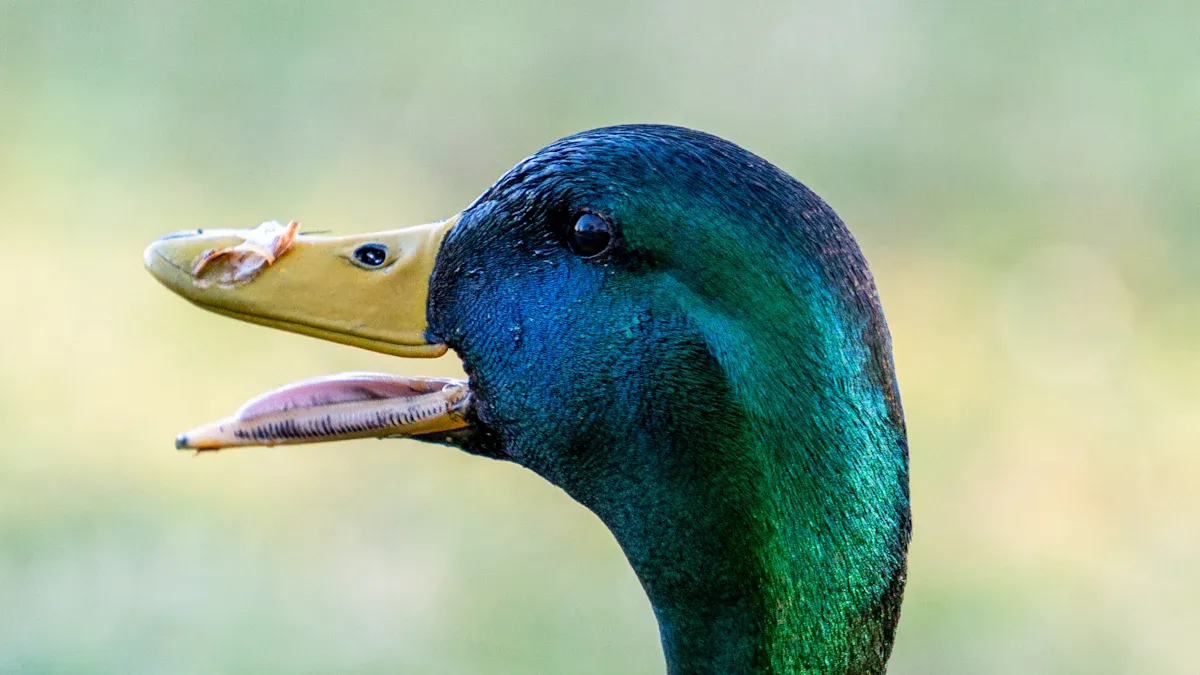
Observing the head and bill offers some of the most reliable differences between American Black Ducks and Mallards. These features show distinct colors and patterns. They help observers identify each species quickly.
American Black Duck Head and Bill
The American Black Duck has a uniformly dark head. This head color is often a lighter brown than its body. This contrast helps it stand out. The bill color varies by sex and age. Adult males, during courting and breeding, display a completely bright yellow to greenish-yellow bill. This bill also has a prominent black nail at the tip. Sometimes, a dusky spot appears at the base of the bill. When molting, the male’s bill becomes a duller greenish-yellow.
Adult female American Black Ducks have a medium-bright olive to yellow-olive bill during courting and early breeding. This bill often has a dusky wash in the center and a blackish nail. During molting, the female’s bill becomes duller and duskier. Young birds also show variations. Hatchlings have a dark brownish-gray upper bill and a brownish-pink lower bill. Juvenile birds of both sexes have a dark greenish-olive bill. As they grow, their bill colors start to show sex-specific traits.
Sex | Bill Color |
|---|---|
Male | Vivid/Bright Yellow |
Female | Olive/Duller Olive-Green |
Mallard Head and Bill
Mallards show clear distinctions in their head and bill. Male Mallards have an iridescent green head. This head color shines brightly in the sunlight. Female Mallards have a mottled brown head. This head color helps them blend into their surroundings. The bill colors also differ significantly between the sexes.
Feature | Male Mallard (Drake) | Female Mallard (Hen) |
|---|---|---|
Primary Color | Bright Yellow-Orange | Mottled Orange and Black, or Dusky Gray |
Pattern | Solid, Uniform | Irregular, Streaky, or Blocked Pigmentation |
Intensity | Typically Vivid and Bold | More subdued, less uniform |
Adult male Mallards, also known as drakes, have a solid, bright yellow-orange bill. This color becomes vivid and bold as they mature. Young drakes might have a slightly duller bill during their development. However, it fully develops into the characteristic vibrant yellow-orange. Adult female Mallards, or hens, typically have a mottled orange and black bill. Sometimes, their bill appears dusky gray. This bill shows irregular, streaky, or blocked pigmentation. The female’s bill appearance is more subdued and less uniform than the male’s. This pattern remains consistent regardless of age past fledging. Observers should look at the entire bill, including the ‘nail.’ A hen might have a pronounced orange color, but the presence of mottling or a dusky base will still distinguish her from a drake.
Body Plumage Differences
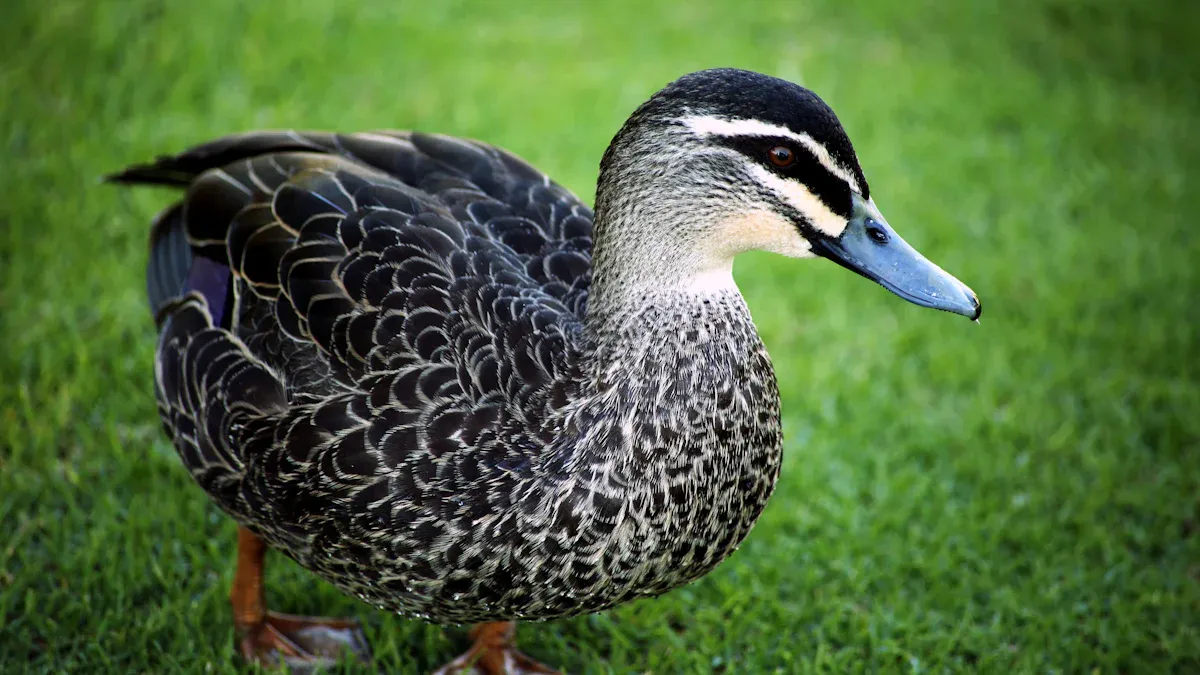
Observing body plumage reveals clear differences between American Black Ducks and Mallards. These distinctions help in identification. They show unique duck plumage patterns for each species.
American Black Duck Plumage
The American Black Duck has a dark sooty brown body. This color appears almost black from a distance. Its head and neck are a lighter brown. This creates a subtle contrast with the darker body. The feathers have fainter edges. This gives the plumage a ‘tighter’ look. The overall body feathering is uniformly blackish. It has only narrow pale edging on the feathers. Both male and female American Black Ducks possess black body plumage. This makes them appear slightly darker than female mallards. The speculum, a patch on the wing, tends to show a purplish sheen.
Mallard Plumage
Mallards display more varied duck plumage patterns. Male Mallards have a grayish body. They feature a striking chestnut breast. Female Mallards have a mottled brown body. This helps them blend into their surroundings. Their body feathering is paler and browner. It shows more contrasting patterns compared to the American Black Duck. The speculum on a Mallard’s wing is typically bluish. This is a key visual cue.
Here is a comparison of their body feathering and speculum sheen:
Feature | American Black Duck | Mallard (female and eclipse male) |
|---|---|---|
Body Feathering | Uniform blackish with only narrow pale edging | Paler, browner, and contrastingly patterned |
Speculum Sheen | Tends to show purplish sheen | Bluish speculum |
The American Black Duck’s plumage is generally darker overall. The mallard, especially the female, has a lighter, more patterned appearance.
Speculum Differences
The speculum is a distinct patch of color on a duck’s secondary flight feathers. This feature offers clear visual differences between American Black Ducks and Mallards. Observing the speculum helps in accurate identification.
American Black Duck Speculum
The American Black Duck displays a violet-blue speculum. This patch often has a thin black border. Sometimes, the border appears indistinct. However, it can also be lined by white and black lines. This speculum is a key identifier. American Black Ducks lack the prominent white stripes above their secondaries. These stripes are a characteristic feature of Mallards.
Mallard Speculum
The mallard has an iridescent blue speculum. White stripes clearly border this bold blue patch on its wing. Both male and female mallards display this iridescent blue speculum. These vibrant blue wing bars are easily visible when the bird is in flight. The special brilliance of these colors comes from light waves. These waves pass through microscopic layers of crystals within the feather barbules. This, combined with underlying pigments, creates vibrant sheens. The iridescence changes with lighting conditions. For instance, a low, oblique angle of sunlight can make the normally lustrous green sheen of the head appear dark purple. This phenomenon occurs because the microscopic structure of certain feathers refracts white light like a prism. It causes different colors to reflect at various angles. This can result in a blend of green and violet iridescence. The iridescent colors of the mallard’s blue speculum arise from light interacting with stacks of melanosomes. These are melanin-pigment containing organelles found in the feather barbules. This structural coloration results from light interference effects. These effects are enhanced in a multilayer of thin films within the feathers. Mallards have a white bar above their secondaries. This white bar is absent in American Black Ducks.
Leg and Foot Color
Leg and foot color provides another clear way to spot the differences between American Black Ducks and Mallards. These colors can vary slightly based on age and sex, but they offer consistent clues for identification.
American Black Duck Legs and Feet
American Black Ducks typically have orange to reddish-orange legs and feet. This color can sometimes appear a bit duller, especially outside of breeding season. The intensity of the orange might vary from a bright, almost fiery hue to a more subdued, earthy reddish-orange. These sturdy legs and webbed feet help them navigate various aquatic environments and terrestrial foraging grounds. The color remains a reliable indicator, regardless of the duck’s activity.
Mallard Legs and Feet
Mallards generally display bright orange legs and feet. This vibrant color is often quite striking against their plumage. While both sexes share this characteristic, some subtle variations exist. Female Mallards, for instance, often have orange-red legs and feet. This can sometimes appear a bit less intense than the male’s bright orange. The bright coloration helps them move efficiently in water and on land. These strong, webbed feet are essential for swimming, dabbling for food, and walking across different terrains. Observing these specific colorations helps distinguish a mallard from other duck species.
Vocalization Differences
Ducks communicate through various calls. These sounds help them interact with each other. They also warn about danger or attract mates. Understanding these vocalizations reveals key differences between species.
American Black Duck Calls
American Black Ducks use specific calls for different situations. They have begging signals, contact calls, and alarm calls. Alarm calls are very important. They help protect against predators. The type of alarm call changes based on the threat.
Female American Black Ducks make loud quacks.
Females also produce a six-syllable call. This call decreases in pitch. The second syllable receives emphasis.
Male American Black Ducks have raspy, reedy calls.
During courtship, males give a flutelike whistle.
Males also create a rattling sound during courtship. They rub their bill tip along the underside of their wing.
Mallard Calls
Mallards have a wide range of vocalizations. These calls vary by gender, age, and context.
Vocalization Type | Gender/Age | Description | Context/Function |
|---|---|---|---|
Decrescendo Call | Female | 2-10 notes (qua Quack quack quack…), decreasing in amplitude. | Indicates location to other Mallards, especially a separated mate. |
Slow Raehb | Male | Rasping rab quality, quieter than female quacks. | Alarm, attracting female attention during courtship, contact call with mate. |
Rapidly delivered, double-noted Rabrab Calls | Male | 1.0–3.0 kHz; 100 ms. | Threatening, courting, and greeting displays; hostile situations. |
Whistle | Male | High-pitched, flutelike. | During social courtship displays. |
Contentment Calls | Ducklings | Quiet pipi notes. | While feeding, rejoining siblings, or during other social activities. |
Maternal Alarm Call | Female | Single quaaack. | When disturbed or a predator is detected; causes ducklings to freeze. |
Female Mallards often make a persistent quacking sound. They do this during nest-site selection. This might help them detect predators. Ducklings also have distinct calls. They make distress calls when stressed. They use air-alarm calls for unfamiliar objects overhead.
Habitat and Range
Preferred Habitats
American Black Ducks show specific preferences for their living spaces. They are dabbling ducks. They feed at or just below the water’s surface in aquatic habitats. They eat aquatic plants and small invertebrates. On land, they look for seeds, grasses, and grains. For nesting, they choose quiet marshes and sheltered forest pools. Their breeding areas include fresh and brackish wetlands. In winter, they live in coastal salt marshes and inland wetlands. American Black Ducks are most commonly found in the Northeast and Midwest regions. Some American Black Ducks stay in one place all year. Others are short-distance migrants. They move only to find unfrozen water. Ducks breeding in northwestern Ontario and Quebec travel longer distances. They cover 700–800 miles. Migration usually happens at night in small groups of 12–30 birds. During fall, especially with cold fronts, flocks can grow to thousands before they fly.
Most mallard populations in Europe, Asia, and North America migrate. They need good stopover sites during their yearly journeys. Mallards live year-round across much of the United States. Populations breeding in Canada and Alaska fly south in the fall. They go to wintering grounds in the southern United States and northern Mexico. They follow known migration paths. These paths include areas like Alaska, the North, California, and the Great Lakes.
Coexistence and Hybridization
American Black Ducks and mallards often share the same habitats. This close living can lead to hybridization. Hybridization means the two species breed together. Analysis shows a minimum hybridization rate of about 25% between American Black Ducks and mallards. This means a quarter of the birds show mixed ancestry.
Scientists use genetic markers to identify hybrids. These markers help find mallard DNA in birds that look like Black Ducks. Hybrids often have dark plumage and dusky tails. They may also show darker cheeks or dark crescents on their faces. Their bills can be green. They might have restricted white around the speculum. Some hybrids have hints of green in their heads. They can also have partially curled tail feathers and warmer brown sides.
Identification Checklist
Visual Cues Summary
Distinguishing the american black duck vs mallard becomes easier with a focus on specific visual cues. These key characteristics offer reliable ways to tell them apart. Pay close attention to the head, bill, body plumage, and speculum. These features provide the clearest differences.
Feature | American Black Duck | Mallard (Male) | Mallard (Female) |
|---|---|---|---|
Head Color | Uniformly dark, often lighter brown than body | Iridescent green | Mottled brown |
Bill Color | Yellowish-green (male), dull greenish-yellow (female) | Bright yellow-orange | Mottled orange and black |
Body Plumage | Dark sooty brown, narrow pale feather edges | Grayish body, chestnut breast | Mottled brown, paler and more patterned |
Speculum | Violet-blue, thin black border, sometimes indistinct | Iridescent blue, bordered by white stripes | Iridescent blue, bordered by white stripes |
Legs/Feet | Orange to reddish-orange | Bright orange | Bright orange (sometimes orange-red) |
Behavioral Cues Summary
Behavioral cues also help in telling these ducks apart. Listen carefully to their calls. Female American Black Ducks make loud quacks. They also produce a distinct six-syllable call. Male American Black Ducks have raspy, reedy calls. In contrast, female Mallards often make a persistent quacking sound. Male Mallards use a raspy rab call and a high-pitched whistle during courtship. Both species are dabbling ducks. They feed by tipping their bodies in shallow water. Their nesting habits also show some differences. American Black Ducks prefer quiet marshes. Mallards often choose dense plants near water. Observing these behaviors helps confirm your visual identification.
While the american black duck vs mallard often causes confusion, focusing on specific features leads to confident identification. Head and bill color, body plumage, and the speculum are key differences. Readers should practice their observation skills in the field. Distinguishing these species holds ecological significance, especially concerning hybridization. Continue appreciating these beautiful waterfowl. The american black duck and mallard both contribute to our natural ecosystems.
FAQ
### What is the easiest way to tell an American Black Duck from a Mallard?
The easiest way to tell them apart is by their overall body color. American Black Ducks appear uniformly dark brown or black. Mallards have paler bodies. Male Mallards have a bright green head. Female Mallards have a mottled brown body.
### Do American Black Ducks and Mallards have different bill colors?
Yes, they do. Male American Black Ducks have a yellowish-green bill. Female American Black Ducks have a dull greenish-yellow bill. Male Mallards have a bright yellow-orange bill. Female Mallards have a mottled orange and black bill.
### Can American Black Ducks and Mallards breed together?
Yes, they can. These two species often share habitats. This can lead to hybridization. This means they breed together and produce offspring with mixed ancestry. Scientists use genetic markers to identify these hybrid birds.
### Where do American Black Ducks typically live?
American Black Ducks prefer quiet marshes and sheltered forest pools for nesting. They live in fresh and brackish wetlands. In winter, they use coastal salt marshes and inland wetlands. They are most common in the Northeast and Midwest regions.
