



Pigeons are not just gray birds. They display incredible diversity and beauty in their plumage. These truly colorful pigeons offer stunning variations. An estimated 400 million pigeons exist worldwide. They showcase a multitude of color variants. This pigeon color chart guides readers through 12 distinct colors and markings. Understanding these variations, including eye color, deepens appreciation for these captivating birds. Scientific analysis reveals four fundamental wing feather patterns: bar, checker, T-check, and barless. This highlights the complexity of pigeon breeds and types of pigeons for pigeon enthusiasts.
Key Takeaways
Pigeons have many different colors and patterns, not just gray. This shows their amazing beauty.
Pigeon colors come from their genes. Three main colors are ash red, blue, and brown. Other genes change these colors and patterns.
The ‘blue bar’ pigeon is the most common type. It has a blue-gray body with two black stripes on its wings.
Genes like ‘spread’ can make a pigeon all black. The ‘dilute’ gene makes colors lighter, like turning blue into silver.
Learning about pigeon colors helps you understand and enjoy these birds more. You can identify different types of pigeons.
Pigeon Color Genetics: A Chart Overview
Understanding pigeon colors involves looking at their genetics. A few key genes control the wide array of colors and patterns seen in different types of pigeons. This pigeon color chart helps explain these genetic foundations.
Basic Color Genes
Three basic colors form the foundation of pigeon plumage: ash red, blue, and brown. A single gene, called Tyrp1, controls these colors. This gene is located on the Z chromosome, making it sex-linked. The Tyrp1 gene has three different versions, or alleles: ‘blue’, ‘brown’, and ‘ash-red’. Ash-red is the most dominant allele. It is dominant over both blue/black and brown. Blue/black is dominant over brown. This means brown is recessive to both ash-red and blue/black.
Pattern Genes
Pigeons display four main wing patterns: T-Pattern check, check, bar, and barless. A single gene controls these patterns. T-check is the most dominant pattern. Check follows, then bar, and barless is recessive to all others. For example, a pigeon with both barless and bar genes will show the bar pattern. The C locus, a specific genome region, influences T-Pattern check and check patterns. A mutation in the NDP gene causes the barless phenotype.
Modifier Genes
Modifier genes alter the basic colors and patterns. These genes create the vast diversity in pigeon breeds. Many modifier genes exist, including indigo, recessive red, dilute, and grizzle. These modifiers can prevent the expression of the wild-type blue/black color. For instance, the ‘spread’ gene changes a blue bar pigeon into a solid black pigeon. It alters pigment distribution, but the bar pattern remains genetically present. The ‘dilute’ gene lightens colors, changing blue/black to silver. These genes work together to produce the many beautiful colors seen in pigeons.
| Base Color | Common Name / Variety | Feather Pattern / Markings | Description / Notes |
|---|---|---|---|
| Blue / Slate | Blue Bar | Two dark bars on each wing | The wild-type color; slate-blue body with black wing bars. |
| Blue Check | Checkerboard wing pattern | Similar to Blue Bar but with spotted (checkered) markings. | |
| Blue T-Check | Darker and denser check pattern | Heavier checkered pattern, giving a darker overall appearance. | |
| Blue Spread | Solid blue all over | Uniform blue-gray with no wing bars. | |
| Ash-Red Series | Ash Red Bar | Two reddish bars on wings | Light silver-gray base with red bars; dominant over blue. |
| Ash Red Check | Checkered red and gray pattern | Red tones on wings with variable depth. | |
| Ash Red Spread | Solid ash-red | All-over reddish-gray with no distinct markings. | |
| Brown Series | Brown Bar | Two soft brown bars | Lighter brown version of Blue Bar pattern. |
| Brown Check | Brown with check marks | Muted chocolate tones with darker check marks. | |
| Brown Spread | Uniform chocolate brown | Solid brown color; relatively rare. | |
| Black Series | Black | Solid black | Deep glossy black feathers with green-purple sheen. |
| Velvet Black | Rich matte black | Lacks metallic sheen; often due to pigment density. | |
| Red Series | Red (Recessive Red) | Solid rusty or cherry red | Caused by a recessive gene masking other patterns. |
| Mealy | Pale red-gray with red bars | Light version of ash red; often seen in racing pigeons. | |
| Grizzle / White Series | Blue Grizzle | White and blue mixed | Speckled or frosted white patches on blue base. |
| Red Grizzle | Red with white flecks | Speckled red and white mix; soft, faded look. | |
| White | Pure white | Completely white feathers; can come from various genetic paths. | |
| Almond | Multi-color flecked | Cream base with random dark flecks — genetically complex. | |
| Dilute Variants | Silver (Dilute Blue) | Soft silvery gray | Lighter version of blue series; delicate tones. |
| Cream (Dilute Ash Red) | Creamy pale tan | Pale version of ash red, almost yellowish. | |
| Khaki (Dilute Brown) | Soft brownish-tan | Light brown tone; rarer than blue or red variants. | |
| Opal / Indigo Series | Indigo | Blue with bronze or purplish hue | Iridescent sheen with bluish-purple tones. |
| Opal | Pale metallic tint | Silvery with a soft metallic glow; genetic mutation. | |
| Pied / Splash Patterns | Pied | White patches on colored body | Random white markings; very common in show pigeons. |
| Splash | Mixed patches of multiple colors | Irregular mix of dark and light patches. | |
| Other Rare / Fancy Types | Dun | Grayish-brown | Dilute form of black; soft gray tone. |
| Lavender | Pale silver-blue | Subtle lavender hue due to combined dilution genes. | |
| Bronze | Shiny reddish-bronze highlights | Often seen in fancy and racing breeds. | |
| Ice | Very light silvery blue | Looks frosted; resembles “ice-gray.” |
1. Blue Bar: Wild Type Pigeon Color
Color and Markings
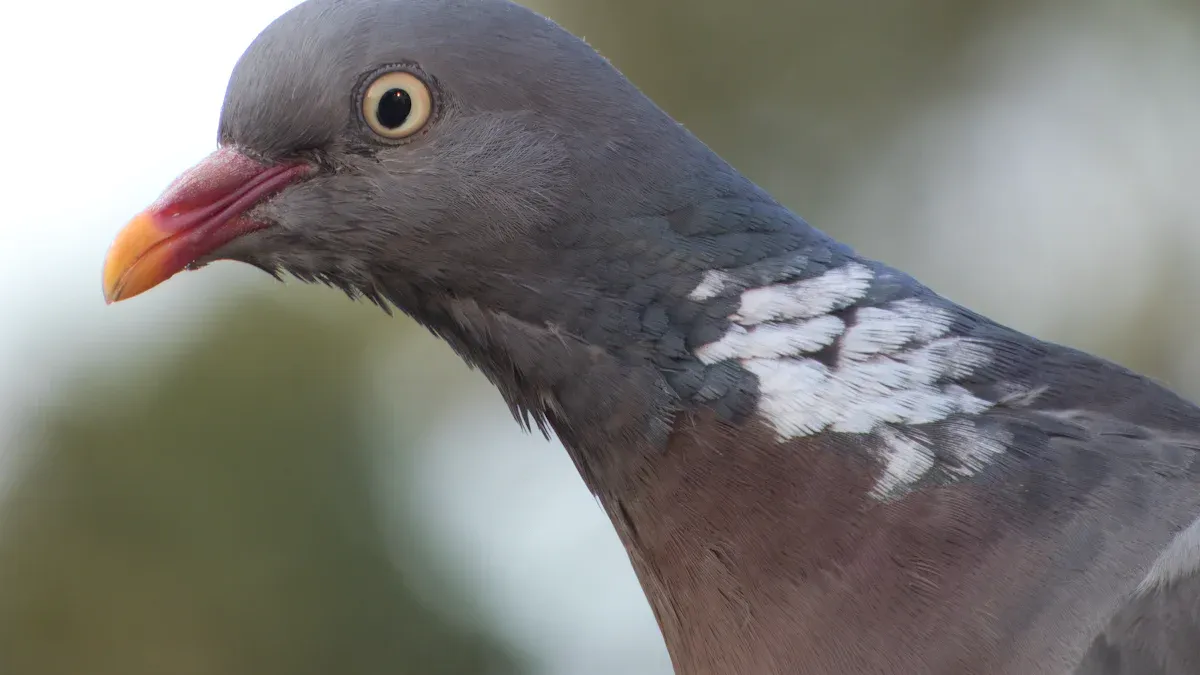
The blue bar pigeon represents the wild type, or original, color and pattern for many pigeon species. This common pigeon features a classic blue-grey body. Its back color is typically gray. A blue bar pigeon has two distinct black bars on each wing. These prominent markings stand out against the lighter blue-grey plumage. The head of this pigeon also shows a blue-gray hue. When a blue bar pigeon flies, observers can see a broad black band at the tip of its tail. This specific set of markings defines the blue bar pattern.
Appearance and Variations
The Rock Pigeon serves as a prime example of the blue bar wild type. This pigeon displays a light blue body. Its overall appearance includes a dark blue-grey body, a lighter breast, and a white belly. The black pattern bars on the wings are a key characteristic. It also features a black tail bar pattern. Geneticists consider the wild type (blue bar) as the basic color and pattern, symbolized by +//+. This means it carries the fundamental genes for color and pattern. Other pigeon colors and markings often derive from modifications of this basic blue bar form. Understanding this foundational color helps in identifying the many variations seen in different types of pigeons.
2. Blue Check
Color and Markings
The blue check pigeon displays a distinctive checkerboard pattern on its wings. This pattern consists of darker blue-black markings against a lighter blue-grey background. The markings often appear as small, square-like patches. These patches create a mosaic effect across the wing shields. The body color of a blue check pigeon generally remains a blue-grey, similar to the blue bar. However, the intricate wing pattern clearly distinguishes it. The head and neck feathers often show iridescent greens and purples, adding to the pigeon’s beauty.
Distinguishing Features
A blue check pigeon differs significantly from a blue bar pigeon in its wing pattern. While the blue bar has two solid black stripes, the blue check features a more complex, mottled design. Wing pattern is a genetic factor. Pigeons can have four different wing patterns: barless, bar, check, and t-check. The check pattern is genetically distinct.
For example, a heterozygous Spread Ash cock, when mated with a blue-bar pigeon, can produce blue checkered offspring. This observation shows that specific genetic factors differentiate these patterns. A study on racing pigeons also found a significant genetic distinction between ‘checker color check’ and ‘color blue bar’ birds. Those with the checker pattern had a lower race coefficient than those with the blue bar pattern. This suggests specific genetic factors underlie these distinct color and pattern phenotypes in a pigeon. The blue check pattern is a common and easily recognizable variation among many types of pigeon.
3. Red Bar
Color and Markings
The red bar pigeon presents a beautiful and warm coloration. This pigeon features an ash red base color across its body. Its wings display two distinct red bars. These bars stand out against the lighter ash red plumage. The head of a red bar pigeon also shows this ash red hue. Sometimes, people refer to these birds as “mealy” pigeons. This term describes the specific appearance of the ash red bars. The red bar pattern is a classic marking. It adds to the visual appeal of this type of pigeon.
Comparing to Blue Bar
A red bar pigeon differs from a blue bar pigeon mainly in its base color. Blue is the wild-type color for many pigeons. Ash red, however, is a dominant coloration. This means the ash red gene often shows its color over blue. Both types of pigeon share the “bar” pattern.
This pattern consists of two clear stripes on each wing. To distinguish a red bar pigeon from a blue bar pigeon, look at their main body color and the color of these bars. A blue bar pigeon has a blue-grey body and black bars. A red bar pigeon has an ash red body and red bars. The ‘bar’ pattern is the wild-type pattern. When this pattern appears on an ash red pigeon, people specifically call it ‘ash red bars’ or ‘mealy’. This difference in color makes the red bar pigeon a striking variant among many pigeon breeds.
4. Red Check
Color and Markings
The red check pigeon displays a striking pattern on its wings. This pattern features reddish-brown or ash-red markings. These markings form a checkerboard design against a lighter ash-red background. The checks can vary in size and intensity. Some pigeons show a dense, dark check pattern. Others have a lighter, more subtle design. The body of a red check pigeon typically has an ash-red base color. This color extends to the head and neck. The iridescent sheen on the neck feathers often adds a beautiful touch. This pigeon stands out with its warm, earthy tones.
Distinguishing Features
A red check pigeon is distinct from a red bar pigeon. The key difference lies in the wing pattern. A red bar pigeon has two solid red stripes on its wings. A red check pigeon, however, shows a broken, checkered pattern. This pattern covers the wing shields. The genetic basis for the check pattern is different from the bar pattern. The check gene creates the mosaic appearance.
This makes the red check pigeon easily identifiable. The ash-red base color is similar to the red bar. However, the intricate wing design sets this pigeon apart. This specific pattern makes it a unique and attractive type of pigeon.
5. Brown
Color and Markings
Brown is a fundamental color in the pigeon world. It stands as one of the basic colors of pigeons, alongside red and black. A brown pigeon typically displays a rich, warm hue across its entire plumage. This distinct color results from a specific genetic mutation that alters the expression of black pigment. While particular colors often appear in specific breeds, observers have noted all colors and patterns across various pigeon breeds at some point. Brown Khaki, a recognized dilute form of brown, offers a lighter, softer variant of this appealing color. This coloration gives the brown pigeon a unique and attractive appearance.
Shade Variations
Brown pigeons exhibit a wide and fascinating range of shades. The way brown pigment, a type of melanin, distributes itself within the feathers causes these differences. When brown pigment clumps together, it creates a ‘silvery’ appearance on the pigeon’s feathers. Conversely, when the same brown pigment spreads out more evenly, it produces a deeper, ‘dark cocoa’ color.
Brown also has a dilute form known as khaki, which presents a lighter, muted brown. Other genetic modifiers lead to further variations in brown pigeons. These include milky brown, brown Almond, brown bar ice, brown reduced, brown with Toy Stencil, and brown masked by recessive red. Each variation adds to the diversity of the brown pigeon.
Several genes play a crucial role in determining brown coloration. For example, the TYRP1 gene encodes an enzyme vital for melanin synthesis. Mutations in this gene are responsible for brown coat color in many mammals. In pigeons, the ‘brown’ allele at the B locus specifically causes brown coloration. This is a mutation that alters the black pigment. The melanocortin 1 receptor (MC1R) gene can influence the production of eumelanin (black/brown pigment). The melanophilin (MLPH) gene is associated with dilute coat colors. Mutations here can lighten brown to a paler shade. These complex genetic interactions create the diverse palette of brown shades seen in different types of pigeon.
Gene | Role in Brown Coloration |
|---|---|
TYRP1 | Mutations in this gene are responsible for brown coat color in many mammals, including dogs, cats, and mice. It encodes tyrosinase-related protein 1, an enzyme involved in melanin synthesis. |
MC1R | Variations in the melanocortin 1 receptor gene can influence the production of eumelanin (black/brown pigment) versus pheomelanin (red/yellow pigment). While not directly causing brown, it can modify its expression. |
MLPH | The melanophilin gene is associated with dilute coat colors. Mutations here can lighten brown to a paler shade, such as lilac or Isabella in dogs. |
B locus | In pigeons, the ‘brown’ allele at the B locus is responsible for brown coloration, which is a mutation that alters the black pigment. |
6. Black (Spread) Pigeon Color
Color and Markings
A black (spread) pigeon presents a striking, uniform dark appearance. Its feathers are a deep, solid black across the entire body. This pigeon shows no visible wing bars or check patterns. The spread gene effectively covers any underlying pattern. This gives the pigeon a sleek, monochromatic look. Even the tail feathers appear solid black. This distinct coloration makes the black spread pigeon easily recognizable among other types of pigeon.
The Spread Gene Explained
The ‘spread’ gene is responsible for this solid black coloration in a pigeon. A single gene controls this trait. It has two alleles: ‘spread’ and ‘not spread’. The ‘spread’ allele is dominant. This means a pigeon with even one ‘spread’ allele will show the spread phenotype. This gene influences color expression by taking the color of the tail bar and distributing it evenly across all feathers.
When combined with the ‘blue’ color allele, this even distribution results in what people commonly call ‘black’ in pigeons. Historically, people often called ‘spread blue’ ‘black’. This happened before scientists fully understood the genetic basis. The spread gene essentially masks other patterns. It transforms a blue bar pigeon or a blue check pigeon into a solid black pigeon. This genetic mechanism creates a truly unique and beautiful black pigeon.
7. White
Color and Markings
A white pigeon stands out with its pure, unblemished plumage. These pigeons have feathers completely devoid of color. Their entire body, from head to tail, appears pristine white.
This lack of pigment gives them a striking and often ethereal appearance. Unlike other pigeons that display various patterns or shades, a white pigeon shows no markings. Its eyes can vary in color, sometimes appearing dark or even ruby red, depending on the specific genetic factors at play. This uniform white coloration makes them easily recognizable among all types of pigeon.
White Plumage Genetics
The genetics behind a white pigeon are fascinating. A specific genetic mutation causes this complete lack of color. Scientists have identified a missense mutation in the EDNRB2 gene. This gene is located on chromosome 4A. The mutation is specifically c.G766A (p.E256K).
This means a change occurs in the amino acid from glutamate to lysine at position 256. This E256K mutation leads to a structural change in the transmembrane protein. This change is predicted to cause a total loss of function for the EDNRB2 protein. All white-feathered pigeons tested were found to be homozygous for this mutant genotype. This means they inherited two copies of the mutated gene, one from each parent. This genetic alteration prevents the production of pigment in the feathers, resulting in the beautiful white plumage of these pigeons.
A missense mutation, c.G766A (p.E256K), in the
EDNRB2gene on chromosome 4A causes white plumage.This mutation changes the amino acid from glutamate to lysine at position 256.
The E256K mutation leads to a transmembrane structural change. This change predicts a total loss of function for the
EDNRB2protein.All white-feathered pigeons tested were homozygous for this mutant genotype.
8. Grizzle
Color and Markings
A grizzle pigeon shows a unique “salt and pepper” appearance. This means its feathers have a mix of colored and white areas. The grizzle gene, symbolized as ‘G’, inhibits pigment formation. This causes the central part of the feathers to appear lighter or even white. The tips of the feathers, however, keep their original color. This creates a frosted or speckled look across the pigeon’s body. This distinct feather pattern is characteristic of grizzle pigeons. Blue grizzle roller pigeons are a good example of this coloration. The overall effect makes each grizzle pigeon look distinct.
Unique Feather Pattern
The grizzle gene creates several unique feather patterns in pigeons. Typical Grizzle (G//+) pigeons generally show this classic grizzle coloration. Homozygotes (G//G) have a greater expression of white. They often appear white-bodied with color only on the flight and tail feathers. People call these ‘Stork’ markings. Another type is Tiger Grizzle (GT). This pattern produces a mottled effect. It has alternating colored and white feathers. Tail and flight feathers remain full color.
Young Tiger Grizzle pigeons are fully colored. White develops as they molt over a couple of years. White Grizzle (Gw) is another variation. Heterozygotes (Gw//+) produce ‘stork’ markings, similar to homozygous typical grizzle. Homozygotes (Gw//Gw) are entirely white. Print Grizzle is not due to a single gene. It comes from a combination of Undergrizzle, Grizzle, and Bronze on a blue-colored pigeon. These markings also appear in homozygous recessive red Show Tippler pigeons. These genetic variations make the grizzle pattern one of the most fascinating among all types of pigeon.
9. Pied (Splashed/Mottled)
Color and Markings
Pied pigeons display a striking mix of colored and white feathers. This gives them a “splashed” or “mottled” appearance. The white markings can appear in various forms. Some pigeons show a “pied splash” pattern, which means they have a mottled look due to scattered white areas. Other pigeons are “pied white,” characterized by solid white spots. “Pied white flight” describes birds with white wings. Generally, pied refers to white feathers grouped on a pigeon’s body.
This includes patterns like white flights, white sides, baldies, and badges. Bald heads are a fixed pied pattern. They sometimes have both white flights and white tails. White sides typically involve white wing bows on a colored pigeon. They can also include entire white wings. Badges are another fixed pied pattern. They usually feature a small amount of white on the face or throat and white flights. This diverse range of patterns makes each pied pigeon unique.
Irregular Color Patches
Irregular white patches on pied pigeons result from several genetic factors. Leucism is a common cause. This condition can be genetic or happen when pigment cells get damaged during development. Leucism leads to irregular white patches, making birds appear ‘pied’ or ‘piebald’. Partial albinism also causes white patches. Some consider it a type of leucism. It means some feathers lack pigment. This creates the distinct white areas.
Several disorders and mutations can cause this depigmentation.
Vitiligo: This condition destroys cells that create pigments. It leads to white patches on the plumage of a pigeon.
Progressive Depigmentation: A pigeon gradually becomes whiter with each molt. This might be the same as a white spotting disorder.
Tiger Grizzle: This is a type of progressive depigmentation common in pigeons. White feathers appear across the body. Scientists believe it is a mutation in pigment DNA.
Neural Crest Disorders: Mutations or disorders during embryonic development cause blotchy white plumage.
Piebaldism: This is a neural crest disorder. It affects melanocyte development. This results in blotchy white spots because color pigments are unevenly distributed.
These genetic conditions explain the beautiful and varied patterns seen in pied pigeons.
10. Silver: Dilute Blue Pigeon
Color and Markings
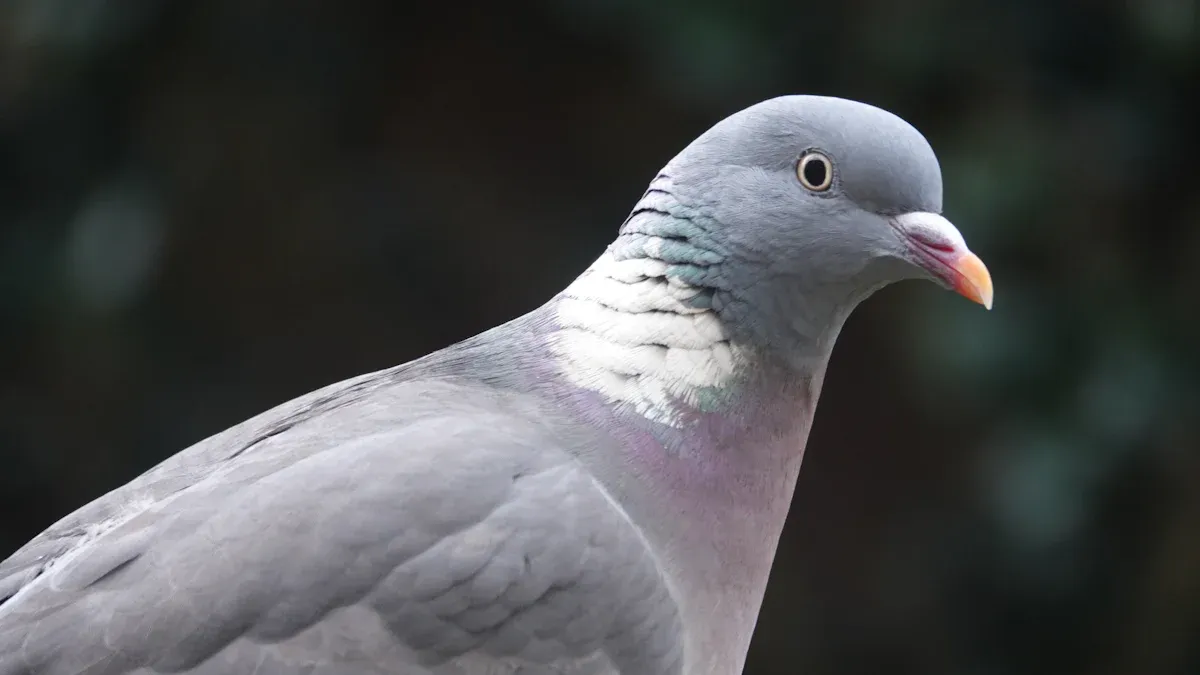
A silver pigeon displays a beautiful, muted blue-grey color. This color appears much lighter than a standard blue pigeon. Its body often has a soft, almost powdery appearance. The wing bars, if present, also show a diluted black. They look more like a faint grey.
This light coloration gives the silver pigeon a delicate and elegant look. People often admire this specific shade among different types of these birds. The head and neck feathers might still show some iridescence, but even these colors appear softer. The overall impression is one of understated beauty. This bird stands out because of its gentle hue. Its eyes typically remain dark, providing a contrast to its pale plumage.
Dilute Gene Effect
The dilute gene creates the silver color in a pigeon. Researchers in 2014 identified this gene as Slc45a2. This gene codes for the SLC45A2 protein. Dilution is a sex-linked recessive mutation. It reduces the amount of pigment in a growing feather by approximately half. This reduction in pigment causes a blue bar pigeon to appear as a silver bar. The gene essentially “waters down” the original blue pigment. This genetic change transforms a dark blue bird into a lighter, silvery one.
This dilution effect is quite common. Many different animals show similar dilute mutations. In pigeons, the Slc45a2 gene plays a key role in melanin transport.
When this gene has a specific mutation, it cannot transport pigment effectively. This leads to less pigment reaching the feathers. The result is a lighter color. For example, a blue check with this dilute gene would become a silver check. A blue T-check would become a silver T-check. The dilute gene acts on the base color, making it lighter without changing the pattern. This genetic mechanism creates a truly unique and beautiful silver bird. It shows how a single gene can dramatically alter a pigeon’s appearance.
11. Dun: Dilute Brown Pigeon
Color and Markings
A dun pigeon displays a unique, muted brown coloration. This color is a dilute form of brown. The overall body of a dun pigeon shows a gun-metal color. This rich hue covers the entire surface. The color extends deeply into the feathers, reaching close to the skin.
It shows no foreign colors or ticking. A dun pigeon often has a horn-colored beak. Its eyes are typically a bright orange. The eye cere, the fleshy ring around the eye, appears beet red. This combination of features gives the dun pigeon a distinct and appealing look. This specific coloration makes it easily identifiable among other types of pigeon.
Dilute Gene on Brown
The dilute gene creates the dun color in a pigeon. This gene acts on the basic brown pigment. It reduces the intensity of the brown, much like it lightens blue to silver. When a pigeon carries the dilute gene along with the brown gene, the result is dun.
The dilute gene essentially “washes out” the deep brown. This creates a softer, more subdued shade. This genetic interaction shows how a single gene can significantly alter a pigeon’s appearance. The dun pigeon is a beautiful example of this genetic modification. It highlights the diverse palette found within the world of pigeons. Understanding this genetic process helps us appreciate the many variations in pigeon colors.
12. Indigo
Color and Markings
An indigo pigeon displays a unique and beautiful coloration. This gene creates a distinct look for the pigeon. In its heterozygous state, indigo gives a blue pigeon a purplish hue. This purplish tint spreads across the body. It changes the bars or checks on the wings from black to a plum color. This gives the wing markings a softer, richer tone.
The indigo gene also washes out the tail bar. It makes the tail bar lighter than the rest of the tail, rather than a strong black stripe. When combined with black, which is blue plus the spread factor, it results in the striking ‘Andalusian Blue’ color.
This creates a deep, dark blue pigeon with a unique sheen. In the homozygous state on a blue base, indigo mimics ash red. It makes the pigeon resemble an ash red bird but with a slightly darker ground color. On a black base, homozygous indigo yields a pigeon with a near-white ground color and darker lacing on its feathers. When combined with brown, it creates a pigeon similar to ash red. However, it features richer wing markings and lacing on the upper tail coverts. This complex gene creates many beautiful variations in a pigeon’s appearance.
Iridescent Qualities
Indigo noticeably enriches the color of recessive red pigeons. This means the red plumage appears deeper and more vibrant. The indigo gene adds a special quality to the pigeon’s feathers. It gives them a subtle shimmer or depth. This iridescent quality makes the pigeon’s colors appear more dynamic. The light catches the feathers in different ways.
This creates a captivating visual effect. The feathers seem to shift in color as the pigeon moves. This unique characteristic makes the indigo pigeon a truly stunning bird. It highlights the intricate beauty found in different types of pigeon. This particular pigeon showcases how genetics can produce such varied and attractive plumages.
This pigeon color chart revealed the vast and fascinating diversity of pigeon colors and markings. Genetic variations lead to this stunning array of plumages. We explored many types of pigeons. Now, pigeon enthusiasts can observe pigeons more closely. They can apply their newfound knowledge to identify different pigeon breeds. Each pigeon offers unique beauty. These colorful pigeons are truly beautiful and complex birds, often underestimated.