


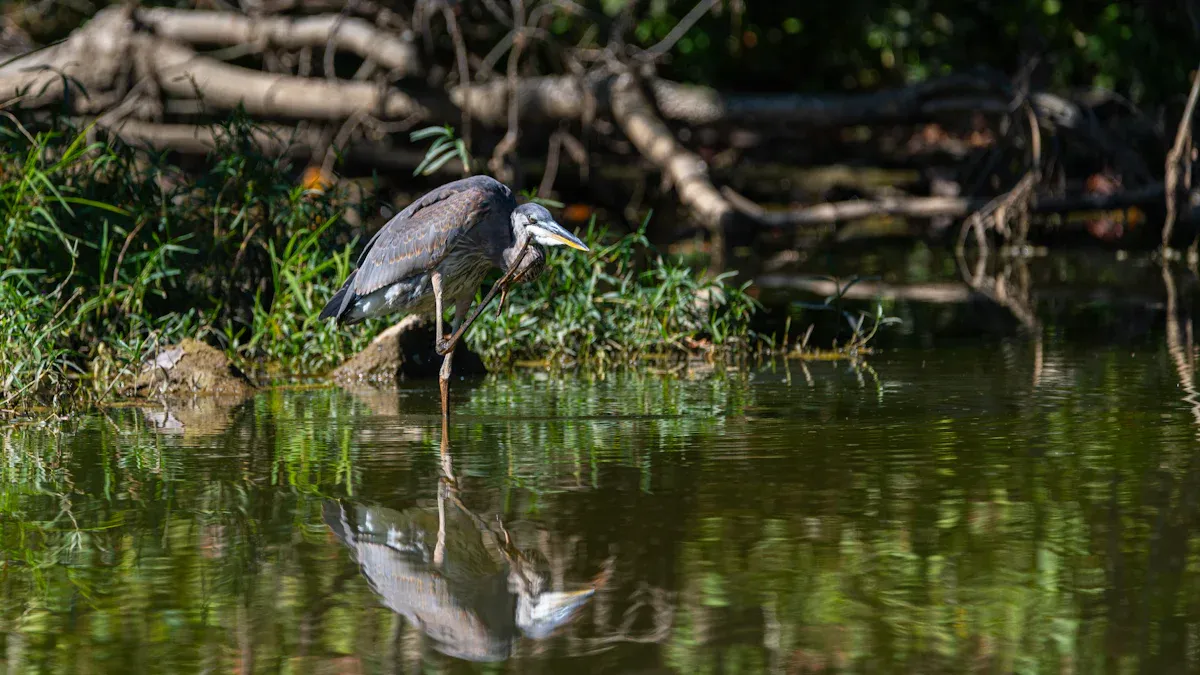
Pennsylvania Birds are a treasure trove of avian beauty, boasting 436 species of wild birds. From the cheerful American Robin to the striking Northern Cardinal, the state’s diverse birdlife captivates many. Birdwatching brings joy to countless residents, with thousands participating each year. For instance, during the Global Big Day, birders from Pennsylvania submitted 3,601 checklists, showcasing their enthusiasm for Pennsylvania Birds. Attracting these feathered friends to your backyard can create a delightful experience, making every day a new adventure in nature.
Key Takeaways
Pennsylvania is home to 436 bird species, making birdwatching a popular and rewarding activity for residents.
Attract birds to your backyard by providing food, water, and native plants, creating a welcoming environment for various species.
Participate in community science projects like the Great Backyard Bird Count to help monitor bird populations and support conservation efforts.
Birdwatching enhances your connection to nature, boosts your mood, and allows you to appreciate local wildlife.
Engaging in backyard birdwatching contributes to the conservation of Pennsylvania’s rich avian life and supports local ecosystems.
Pennsylvania Birds in Backyards
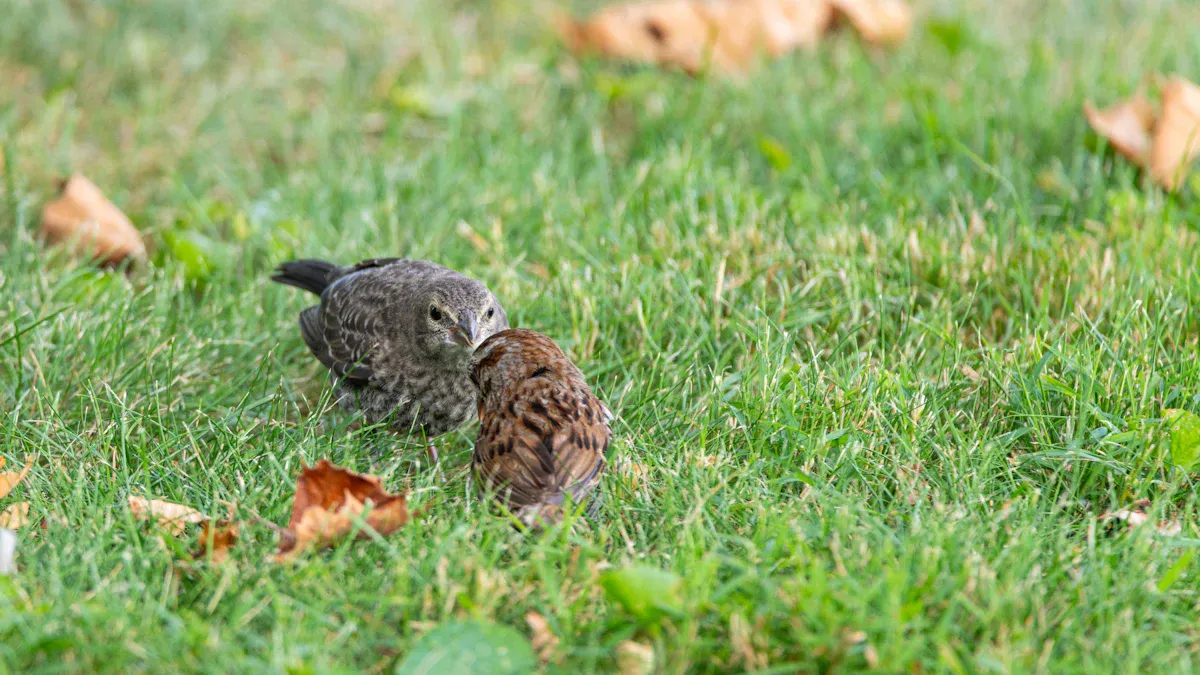
Backyard birdwatching is a delightful way to connect with nature right outside your door. It allows you to observe the beauty of Pennsylvania Birds while contributing to local conservation efforts. You might be surprised to learn that many common species thrive in residential areas. Here are a few you can expect to see:
American Robin
The American Robin is a familiar sight in Pennsylvania backyards. With its bright orange belly and cheerful song, this bird signals the arrival of spring. Robins love to forage for worms and berries, making your garden an ideal spot for them. You can attract these birds by providing a mix of native plants and a water source. They often build their nests in shrubs or trees, so consider adding some greenery to your yard.
Northern Cardinal
The Northern Cardinal is another favorite among birdwatchers. Its vibrant red plumage stands out against the green backdrop of your garden. These birds prefer shrubby thickets and open forest habitats, but they adapt well to human-altered environments. You can often find them at feeders, where they enjoy sunflower seeds and safflower seeds. To attract Northern Cardinals, plant dense shrubs and small trees. They thrive in areas with plenty of cover, so creating a cozy environment will encourage them to visit.
Blue Jay
Blue Jays are known for their striking blue feathers and loud calls. These birds are common in suburban areas, where they interact with various species at feeders. While they can be a bit aggressive, especially when competing for food, their presence adds excitement to your backyard. Blue Jays can mimic the calls of hawks, which can trick other birds into thinking a predator is nearby. This behavior influences how other species interact with them, especially during feeding times. To attract Blue Jays, consider offering peanuts or corn at your feeders.
By observing these birds, you not only enjoy their beauty but also contribute to important conservation efforts. Engaging in backyard birdwatching helps monitor bird populations and connects you with local conservationists through community science projects like the Great Backyard Bird Count. So grab your binoculars and enjoy the vibrant world of Pennsylvania Birds right in your backyard!
Waterfowl Species
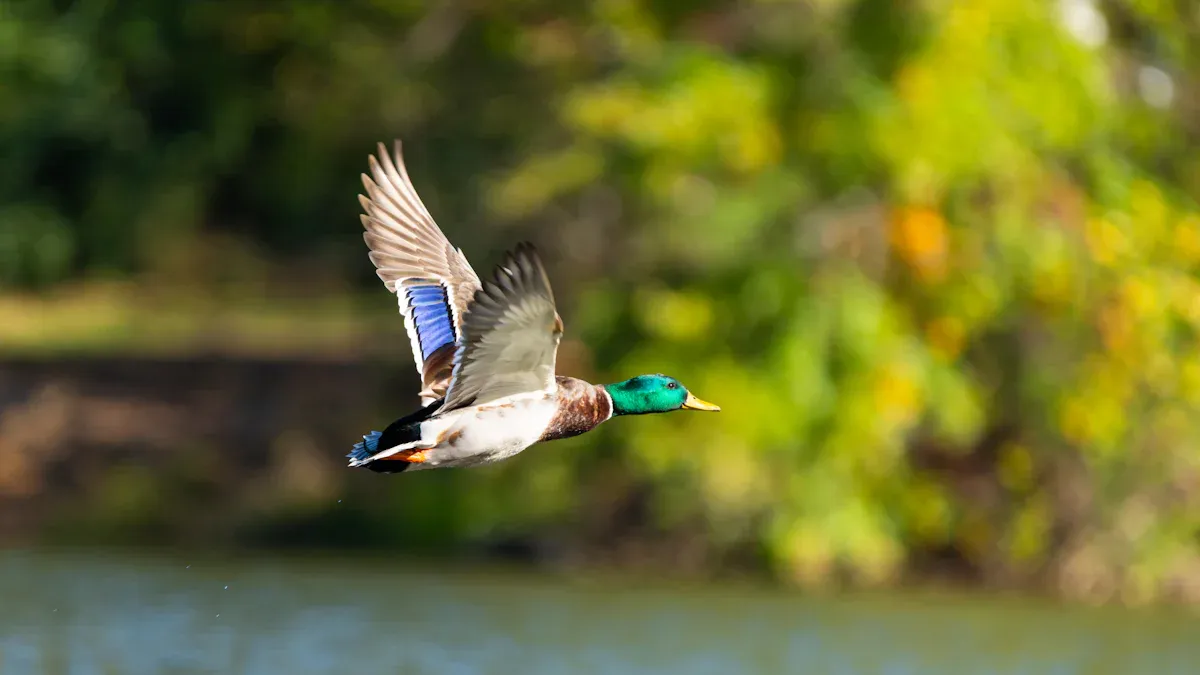
Waterfowl play a vital role in Pennsylvania’s ecosystems. They contribute to the health of wetlands and provide enjoyment for birdwatchers. You can find many species of waterfowl in the state, especially during migration seasons. Here are some notable ones you might encounter:
Mallard Duck
The Mallard Duck is one of the most recognizable waterfowl in Pennsylvania. These ducks have a distinctive green head and a vibrant yellow bill. However, recent surveys show a decline in their populations. In fact, there has been an 18% drop from last year and a 23% decline from the long-term average. You can often spot them in ponds, lakes, and rivers, especially during migration periods.
Canada Goose
Canada Geese are another common sight in Pennsylvania. These large birds are known for their honking calls and distinctive black necks. While they can be charming, their increasing populations have raised concerns. They contribute to nutrient overload in local water bodies, which can harm aquatic life. A single adult Canada Goose can produce up to 1,000 pounds of manure annually! This can lead to poor water quality and excessive plant growth in ponds.
Wood Duck
Wood Ducks are among the most colorful waterfowl you’ll see in Pennsylvania. Their iridescent plumage makes them stand out. They prefer wooded swamps and marshes for nesting. Conservation efforts are underway to support their populations. For instance, Ducks Unlimited and the Pennsylvania Game Commission are restoring habitats like Celery Swamp. This project aims to enhance wetland areas for Wood Ducks and other species. Nest boxes also help increase their numbers when properly maintained.
Pennsylvania serves as a crucial stopover for migrating waterfowl. The Middle Creek Wildlife Management Area attracts over 100,000 snow geese and 10,000 Canada geese each year. The Atlantic Flyway is another important route, where millions of waterfowl migrate every fall and spring.
By observing these magnificent birds, you not only enjoy their beauty but also contribute to the conservation of Pennsylvania’s rich avian life.
Raptors of Pennsylvania
Raptors, or birds of prey, play a vital role in Pennsylvania’s ecosystems. They help control populations of small mammals and birds, maintaining a balance in the food web. You might be surprised to learn that the Kittatinny Ridge serves as a crucial migration flyway for over 150 bird species. This area provides essential resting and feeding habitats for migrating raptors, highlighting their importance in the health of forest ecosystems.
Bald Eagle
The Bald Eagle is a true symbol of strength and resilience. In Pennsylvania, their population has soared from just 3 pairs in 1980 to over 300 nests by 2025! As of 2009, these majestic birds nested in 46 of the 67 counties, with more than 1,000 eaglets fledged since the mid-1980s. This remarkable recovery stems from dedicated conservation efforts, including the removal of harmful pesticides and improvements in water quality. You can often spot them near large bodies of water, where they hunt for fish.
Red-tailed Hawk
Red-tailed Hawks are another impressive raptor you might encounter. They are known for their distinctive red tails and keen hunting skills. Conservation programs, like those at Hawk Mountain Sanctuary, have been crucial in protecting these birds during migration. The sanctuary provides a safe stopover habitat, which is essential for their survival. Since its establishment in 1934, it has played a significant role in ending the slaughter of raptors along Kittatinny Ridge.
Great Horned Owl
Great Horned Owls are fascinating nocturnal hunters. However, they face threats like West Nile Virus, which can impact their populations. Recent data from Christmas Bird Counts and Breeding Bird Atlases suggest a decline in their numbers. Despite these challenges, you can still find them in wooded areas, where they hunt for small mammals and birds. Their distinctive hoots often echo through the night, reminding you of the wild beauty of Pennsylvania.
By learning about these raptors, you can appreciate their role in the ecosystem and support ongoing conservation efforts to protect them.
Attracting Birds
Attracting birds to your backyard can be a rewarding experience. You can create a welcoming environment for Pennsylvania Birds by providing food, shelter, and water. Here are some practical tips to help you get started.
Bird Feeders
Bird feeders are one of the easiest ways to attract a variety of birds. Different species prefer different types of feeders. Here’s a quick guide to help you choose the right feeder for your feathered friends:
Bird Species | Recommended Feeder Type |
|---|---|
Chickadees | Nearly any feeder |
Juncos | Ground feeder |
Downy and Hairy Woodpeckers | Suet feeders of all types |
Bluebirds | Platform or ground feeder |
Eastern Towhee | Ground feeder |
Goldfinches | Tube feeders (best) |
House Finches | Just about anything |
By offering a variety of feeders, you can attract many Pennsylvania Birds. Make sure to fill them with high-quality seeds like black oil sunflower seeds or suet mixes. These foods are high in fat and energy, perfect for keeping birds healthy and happy.
Native Plants
Planting native species in your garden is another fantastic way to attract birds. Native plants provide food and shelter, supporting local bird populations. Here are some excellent choices for your Pennsylvania garden:
Anise Hyssop (Agastache foeniculum)
Cutleaf Coneflower (Rudbeckia laciniata)
Eastern Gray Goldenrod (Solidago nemoralis)
These plants not only attract birds but also support a greater biomass of insects, which many birds rely on for food, especially during breeding season. By creating a diverse habitat, you’ll encourage more bird species to visit your yard.
Water Sources
Water is essential for birds, especially during hot summer months and cold winters. Providing a clean water source can significantly increase the diversity of birds in your backyard. Here are some tips for setting up water sources:
Birdbaths offer essential drinking and bathing water for birds, which is crucial for their survival and well-being.
Different types of birdbaths can attract various bird species. Elevated baths often draw common feeder birds, while ground-level baths can bring in less common species.
Maintain your birdbath by changing the water daily and ensuring it’s safe. This simple act enhances its effectiveness in attracting birds.
Creating bird-friendly environments in Pennsylvania residential areas supports native bird habitats and enhances community health. These efforts contribute to a richer and more beautiful living space for you and your neighbors.
By following these tips, you can enjoy the vibrant world of Pennsylvania Birds right in your backyard!
Birdwatching in Pennsylvania offers you a unique way to connect with nature and enjoy the beauty of local wildlife. By creating bird-friendly environments, you not only attract stunning Pennsylvania Birds but also contribute to their conservation. Engaging in community efforts can enhance your experience and help protect these species for future generations.
Consider these benefits of birdwatching:
It boosts your mood and reduces stress.
You gain a deeper appreciation for nature.
You can participate in local conservation initiatives.
So, grab your binoculars and immerse yourself in the vibrant world of birds. Together, we can make a difference!
FAQ
What is the best time to observe birds in Pennsylvania?
The best time to observe birds is during early morning or late afternoon. Birds are most active during these hours, making it easier for you to spot them.
How can I identify different bird species?
You can identify birds by observing their size, color, and behavior. Using a field guide or a bird identification app can also help you learn more about local species.
What should I feed birds in my backyard?
Offer high-quality seeds like black oil sunflower seeds, suet, or peanuts. Different birds prefer different foods, so providing a variety can attract more species to your yard.
How can I help protect local bird populations?
You can help by creating bird-friendly habitats in your yard. Plant native species, provide clean water sources, and avoid using pesticides to support healthy bird populations.
Are there any birdwatching events in Pennsylvania?
Yes! Pennsylvania hosts various birdwatching events throughout the year, including the Great Backyard Bird Count and local birding festivals. Check local wildlife organizations for upcoming events near you.
