


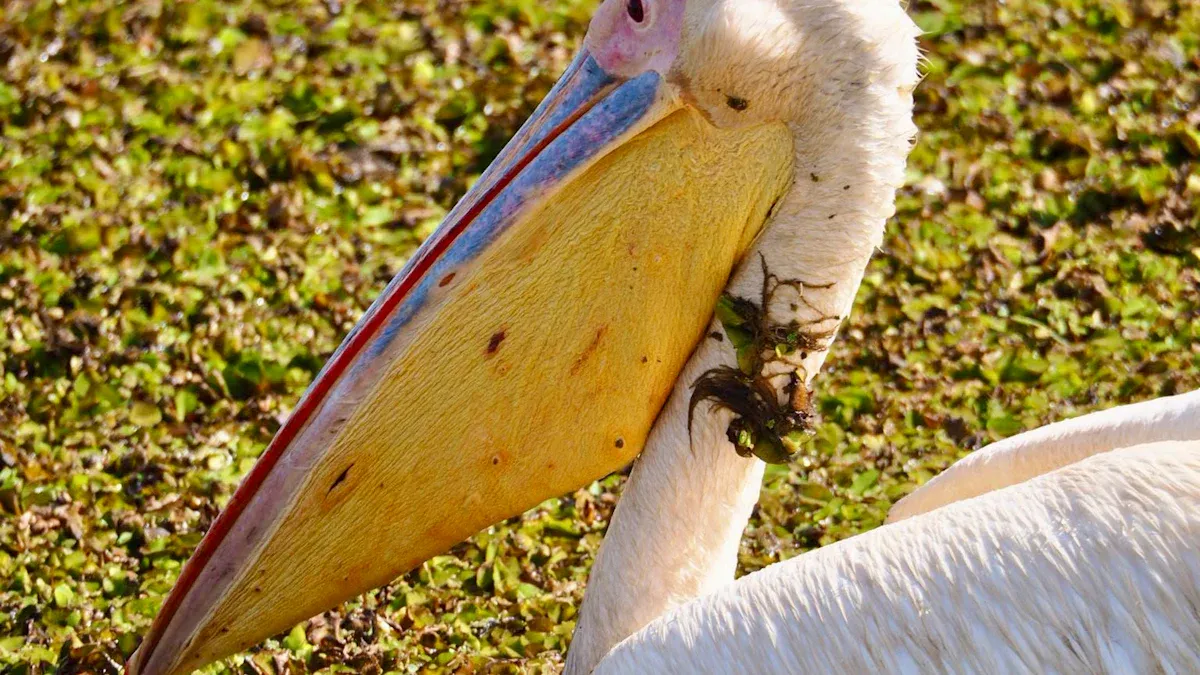
The Great White Pelican plays a vital role in its ecosystem. You can find these magnificent birds in wetlands, where they help maintain the balance of aquatic life. Their impressive wingspan and social behavior make them a fascinating subject for wildlife enthusiasts. Observing them in their natural habitat offers a unique experience that connects you to nature.
Key Takeaways
The Great White Pelican plays a vital role in maintaining healthy aquatic ecosystems through its feeding habits.
Protecting the habitats of Great White Pelicans helps sustain biodiversity and supports the overall health of the environment.
You can contribute to conservation efforts by raising awareness and participating in local initiatives focused on preserving these magnificent birds.
Characteristics of the Great White Pelican
Size and Weight
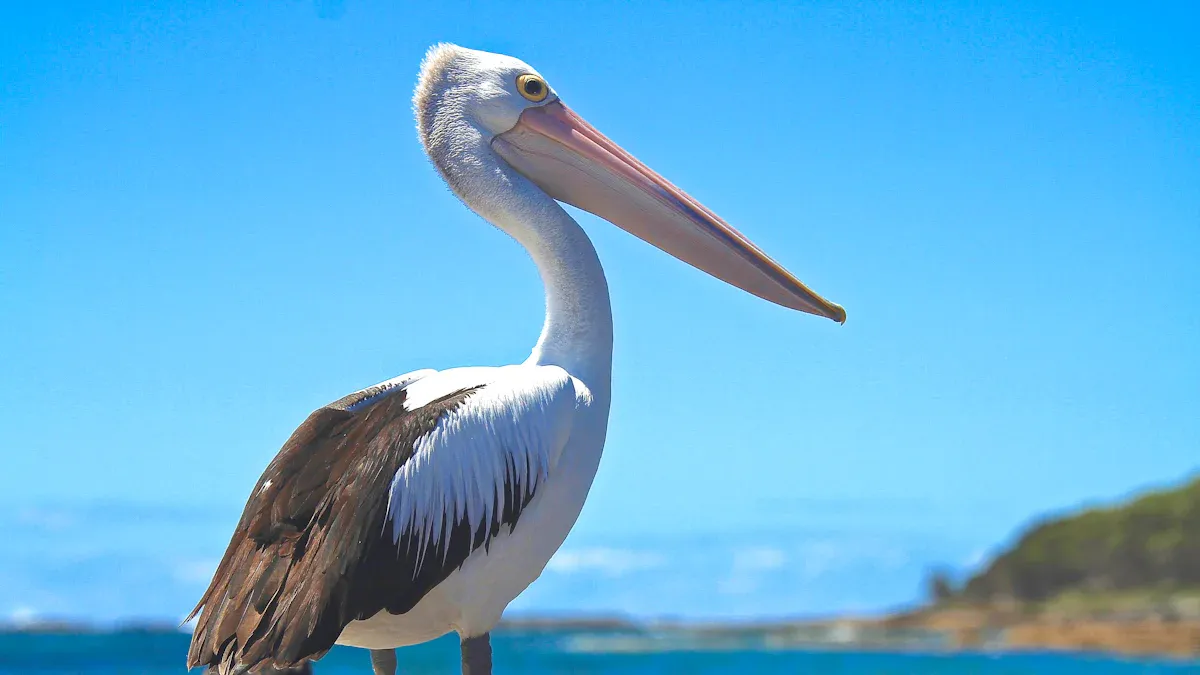
The Great White Pelican is one of the largest pelican species. You can expect adult birds to weigh between 9.07 to 11.79 kg (19.98 to 25.97 lb). They typically measure 137.16 to 167.64 cm (54.00 to 66.00 in) in length. Their impressive wingspan ranges from 274.32 to 335.28 cm (108.00 to 132.00 in). This size makes them larger than many other pelican species, such as the Brown Pelican, which weighs only about 3.2 kg (7 lb).
Measurement Type | Range |
|---|---|
Mass | 9.07 to 11.79 kg |
19.98 to 25.97 lb | |
Length | 137.16 to 167.64 cm |
54.00 to 66.00 in | |
Wingspan | 274.32 to 335.28 cm |
108.00 to 132.00 in |
Distinctive Features
You can easily identify the Great White Pelican by its unique physical traits. Its plumage is predominantly white, often with a faint pink tinge on the neck. The bill is bluish-grey with a red tip, and the gular pouch is a striking cream-yellow. The naked face features a bare pink patch around the eye, and the forehead has a swollen appearance with pinkish skin.
Feature | Description |
|---|---|
Plumage Color | Predominantly white with a faint pink tinge on the neck. |
Bill Characteristics | Bluish-grey with a red tip and reddish maxilla edges; cream-yellow gular pouch. |
Facial Features | Naked face with a bare pink facial patch around the eye; swollen forehead with pinkish skin. |
Size Comparison | Larger than the spot-billed pelican and pink-backed pelican. |
Breeding Season Differences | Males exhibit pinkish skin while females have orangey skin on their face. |
Wing Characteristics | White underwing with black primary feathers; secondary feathers also black with a whitish fringe. |
The Great White Pelican also exhibits fascinating social behaviors. During breeding season, both sexes display bright orange bills, and males develop a fibrous bump on their beak. They engage in communal displays, showcasing their strong social structure.
Habitat of the Great White Pelican
Geographical Distribution
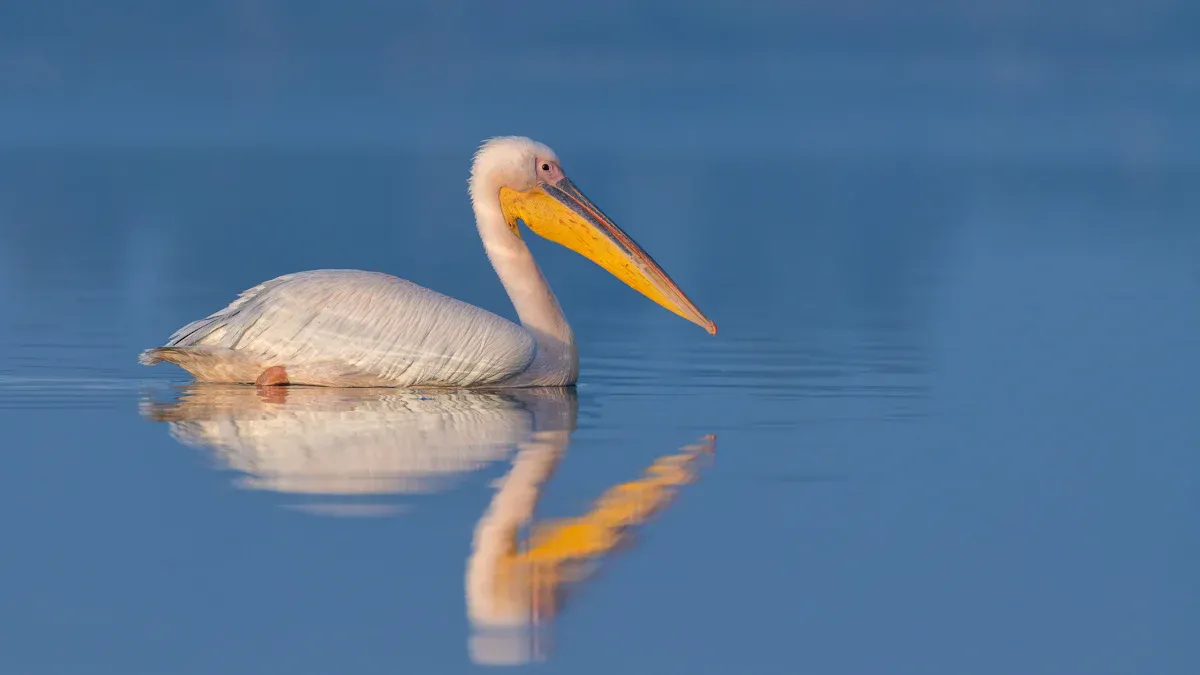
The Great White Pelican thrives in various regions across Europe, Africa, and parts of Asia. You can find these birds in countries like Russia, Greece, and South Africa. They prefer habitats that include shallow lakes, marshes, and coastal areas. These environments provide ample food sources and safe nesting sites.
Key Locations:
Europe: Breeding pairs nest in Russia and Eastern Europe.
Africa: Large populations reside in wetlands and lakes, especially in countries like Botswana and Namibia.
Asia: Some populations migrate to India and Pakistan during winter.
During migration, you may spot over 75,000 Great White Pelicans in Israel. Their migration patterns vary, influenced by environmental factors. For instance, American White Pelicans have shown changes in their spring departures, which might reflect similar trends in Great White Pelicans.
Environmental Needs
Great White Pelicans require specific environmental conditions for successful breeding and feeding. They prefer nesting sites that are isolated from human disturbances. These sites often include rocky islands or remote wetlands rich in fish resources.
Nesting Habits:
They create slight depressions in the ground for nesting.
They use available materials like soil, plastic, and leaves to build their nests.
Successful nesting depends on avoiding human interference, overfishing, and predation on nestlings.
Water quality is crucial for their survival. Great White Pelicans thrive in clean, shallow waters where they can easily catch fish. They often hunt in groups, using cooperative strategies to herd fish into tight schools. This behavior enhances their feeding efficiency and ensures they get enough nourishment.
Conservation of the Great White Pelican
Threats to the Species
The Great White Pelican faces several significant threats that impact its survival. You should be aware of these challenges to understand the urgency of conservation efforts. Here are some of the primary threats:
Habitat Loss: Flooding or drainage of lakes leads to the destruction of essential habitats. This loss directly affects the availability of foraging areas and nesting sites.
Disturbances to Breeding Colonies: Human activities can disrupt breeding colonies. Such disturbances often lead to nest desertion, exposing eggs and young pelicans to predation.
Retaliation for Preying on Fish: In some regions, people retaliate against pelicans for preying on fish in commercial hatcheries. This conflict can result in harmful actions against the birds.
The destruction or degradation of key foraging wetlands and associated prey species has a direct negative effect on Great White Pelican populations. This situation can lead to potential declines in their numbers in critical regions.
Climate change also plays a role in the decline of Great White Pelican habitats. For example, the transformation of Gunnison Island from an island to a landmass due to decreasing water levels has increased access for predators like coyotes and foxes to the pelicans’ nests. This change is a direct consequence of climate change, which is affecting the habitat of the Great White Pelican.
Conservation Efforts
Conservation organizations and governments have initiated various efforts to protect the Great White Pelican. These strategies aim to address the threats and ensure the survival of this magnificent bird. Here are some key conservation programs and international agreements currently in place:
Agreement Name | Description |
|---|---|
Migratory Bird Treaty Act (2023) | Protects various migratory bird species, including the Great White Pelican, under international treaties. |
Successful conservation strategies have emerged in recent decades. These strategies include:
Strategy | Description |
|---|---|
Identify and protect nesting habitat | Focus on safeguarding both occupied and newly identified nesting areas for the American White Pelican. |
Reduce threats | Identify and mitigate known threats to the population and its habitat. |
Raise awareness | Promote stewardship and awareness regarding the American White Pelican. |
Monitor population | Conduct assessments of population status and monitor spatial trends. |
Maintain information | Ensure up-to-date provincial information for ongoing monitoring and assessment of the population status. |
Local communities and individuals can also contribute to the conservation of Great White Pelicans and their habitats. Here are some initiatives you can support:
Initiative | Description |
|---|---|
Artificial Nesting Islets | Creation of islets to establish new colonies, aiding in population growth. |
Protection of Nesting Colonies | Safeguarding sensitive nesting areas from disturbances. |
Permanent Surveillance | Monitoring to mitigate local human threats, such as power lines and fishing activities. |
Education of Local Stakeholders | Informing fishers and hunters about the importance of protecting pelicans. |
Scientific Monitoring | Gathering data on individual birds to inform conservation strategies. |
International Expert Collaboration | Forming a group of experts to actively work on pelican conservation. |
By understanding the threats and supporting conservation efforts, you can play a role in protecting the Great White Pelican and ensuring its survival for future generations.
The Great White Pelican plays a crucial role in aquatic ecosystems. You can see its impact through its feeding habits and social behavior. Here are some key takeaways:
The Great White Pelican contributes to the health of aquatic ecosystems through its feeding habits.
Its social behavior and formation of large colonies play a role in maintaining biodiversity.
The bird’s migratory patterns are essential for ecological balance, highlighting its sensitivity to environmental changes.
The conservation of Great White Pelican habitats emphasizes ecosystem functioning and wetland management. This effort not only aids the pelicans but also enhances the overall health of the ecosystem, thereby supporting the sustainability of various species. Protecting these magnificent birds ensures a balanced environment for future generations. 🌍
FAQ
What do Great White Pelicans eat?
Great White Pelicans primarily eat fish. They hunt in groups, using teamwork to catch their prey efficiently.
Where do Great White Pelicans nest?
You can find Great White Pelicans nesting in isolated areas, such as rocky islands or remote wetlands, away from human disturbances.
How can I help conserve Great White Pelicans?
You can support conservation efforts by raising awareness, protecting habitats, and participating in local initiatives focused on preserving these magnificent birds. 🌍
