


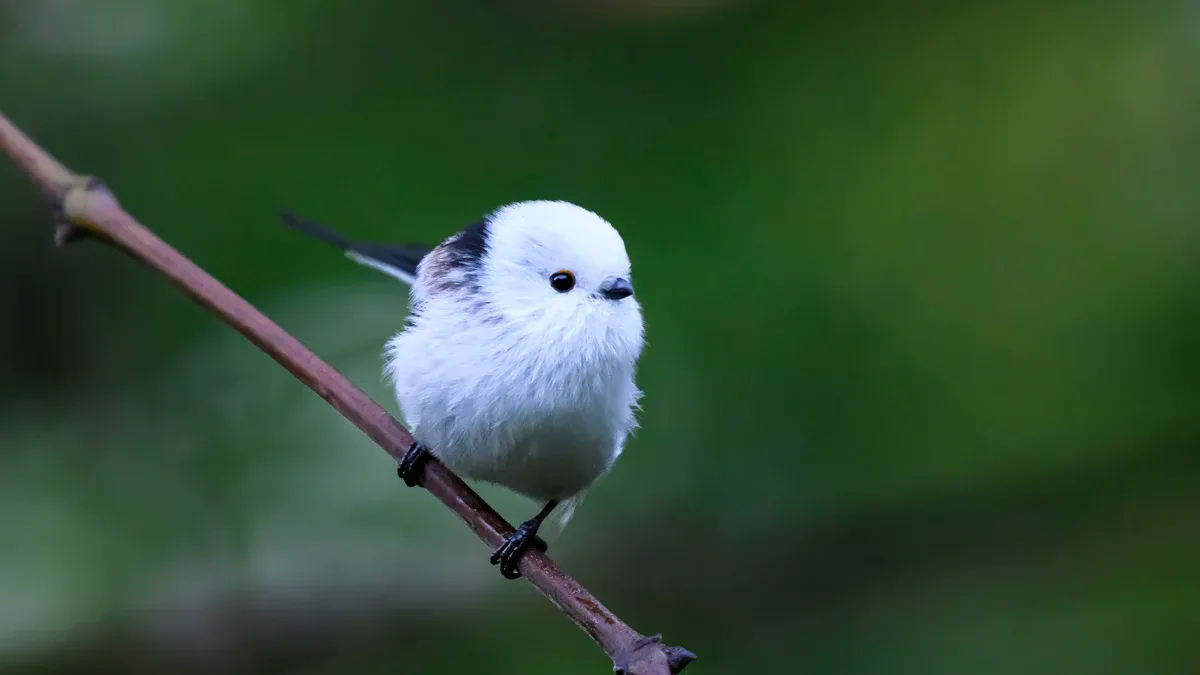
Japan’s unique geographical position as an archipelago creates diverse habitats. This supports a rich variety of bird species. Over 600 accepted bird species call Japan home, making it a prime destination for birdwatching. These avian residents fall into three main categories: resident, migratory, and endemic. Migratory birds make up about 60% of the species. Field guides often highlight over 140 familiar and unique species. For instance, “A Photographic Guide to the Birds of Japan and North-east Asia” covers 520 species. “A Field Guide to the Birds of Japan” by the Wild Bird Society of Japan details 537 species. This blog helps readers identify these different Japan Birds and discover where to find them across the country.
Key Takeaways
Japan has over 600 bird species. They live in diverse habitats.
Birds in Japan are resident, migratory, or endemic. Migratory birds are 60% of the species.
Japan’s islands and climate create unique bird diversity. This includes many seabirds.
Hokkaido, Honshu, Kyushu, and Okinawa are top birdwatching spots. Each has special birds.
Resident birds stay all year. They adapt to local weather. The Japanese Green Woodpecker is one example.
Migratory birds travel long distances. They use Japan as a stopover. Cranes and ducks winter in Japan.
Endemic birds live only in Japan. The Okinawa Rail is a famous endemic bird. Habitat loss threatens them.
Use binoculars and field guides for birdwatching. Respect wildlife and follow rules. Spring, autumn, and winter offer different bird views.
Japan Birds: Understanding the Avian Landscape
Japan’s geography plays a crucial role in its rich bird diversity. The country’s unique features create many different environments for birds. The Ornithological Society of Japan reported 633 accepted bird species in 2012.
Geographical Influences on Diversity
Archipelago Formation
Japan is an archipelago, a chain of islands. This island nature greatly influences the ecology of both land and sea birds. It leads to unique adaptations and species mixes. Large and productive ocean areas around Japan provide important feeding and nesting grounds, especially for seabirds. This contributes to their higher diversity compared to the Asian mainland. Small, isolated islands offer specific nesting sites for seabirds. They also lead to unique evolutionary changes in land species. Japan’s long north-south stretch allows seabirds from both northern and southern regions to nest within its islands. This increases overall seabird diversity. The country mainly consists of mountainous, forested islands. These islands, with their wide range of climates and diverse forest habitats, support many types of avian life.
Diverse Climate Zones
Japan’s diverse climate zones also impact where bird species live. Breeding bird species have moved as temperatures warm in some areas. This changes their distribution. In southern Japan, few areas are cooler than 7.5 °C. This geographical restriction limits how far birds can move to cooler regions. Forest and open-land species that prefer cool areas may decline in the future due to rising temperatures. Some species, like the Japanese scops owl and Japanese paradise flycatcher, have shifted their ranges towards cooler areas. Waterbird species often prefer warmer niches. This shows how different bird groups react to climate changes.
Key Birdwatching Regions
Hokkaido’s Wilderness
Hokkaido, Japan’s northernmost island, offers a wild landscape for birdwatching. It hosts many unique species. The majestic Red-crowned Crane lives here year-round. The rare Blakiston’s Fish Owl also makes its home in Hokkaido. Winter brings visitors like the Whooper Swan and the impressive Steller’s Sea Eagle. Summer breeding birds include the Spectacled Guillemot and the Siberian Rubythroat. Other common Japan Birds in Hokkaido include the Japanese Bush Warbler and the Varied Tit.
Honshu’s Habitats
Honshu, the largest island, provides diverse habitats for many birds. The Varied Tit, also known as Yamagara, is a common sight in its broadleaf forests. The Cattle Egret visits Honshu during the summer. Birdwatchers can sometimes spot the Izu Thrush in areas like the Izu Peninsula during winter. The Iijima’s Leaf Warbler also passes through Honshu during migration seasons.
Kyushu’s Biodiversity
Kyushu, the southernmost of Japan’s main islands, boasts rich biodiversity. Its warmer climate supports different bird communities. This region is a key stopover for many migratory species. It also hosts unique resident birds adapted to its environment.
Okinawa’s Subtropics
Okinawa’s subtropical islands are home to several endemic bird species. The Okinawa Rail is the most famous. Locals call it Yanbaru Kuina. This flightless bird lives only in the Yanbaru region, the northern part of the island. This area features a subtropical rainforest with rich biodiversity. It is the habitat for Okinawa’s ‘big three’ unique birds. Other endemic species include the Okinawa woodpecker, Ryukyu green pigeon, Amami woodcock, and Okinawa robin. The Bonin White-Eye, with its yellow and olive-green plumage, also lives in these subtropical zones.
Resident Birds: Year-Round Inhabitants
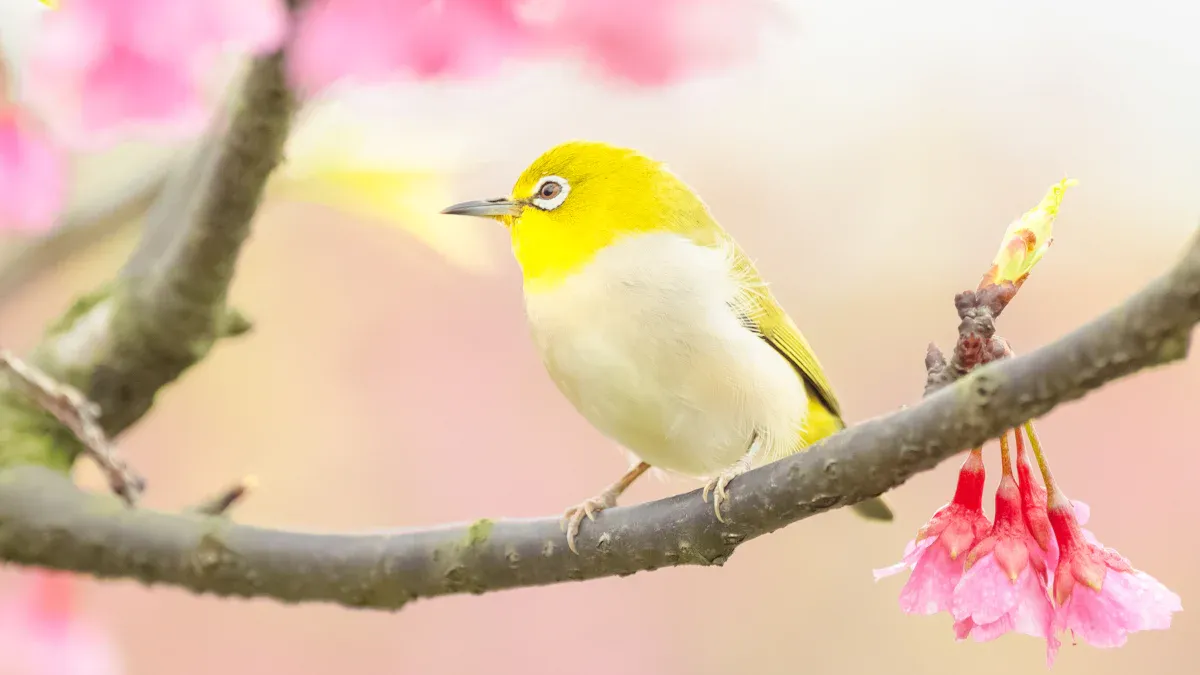
Resident birds live in Japan throughout the year. They do not undertake long migrations. These birds adapt to local conditions. They find food and shelter in their home territories.
Resident Species Characteristics
Local Climate Adaptations
Resident birds show remarkable adaptations to Japan’s varied climates. They can withstand cold winters and warm summers. Their bodies and behaviors help them survive. Some birds grow thicker feathers for insulation. Others change their diet with the seasons. These adaptations allow them to thrive without moving to different regions.
Non-Migratory Behaviors
Resident birds exhibit sedentary behaviors. They stay in one place all year. The Japanese pygmy woodpecker is a good example. It lives in forests, gardens, and parklands. It does not migrate long distances. These birds make short trips for food. This happens especially in winter when food is scarce. They also adjust their habitat use seasonally. They might move to lower altitudes in winter. They forage for insects, larvae, and tree sap. This versatile feeding helps them survive in different environments. They do not need to migrate. They also engage in courtship displays. These include mutual tapping and drumming. They also preen each other. They nest in dead tree trunks or branches. Both parents incubate 3-5 white eggs for 10-14 days. They share feeding duties. Chicks fledge after 20-23 days. Parents care for them for a few more weeks.
Notable Resident Birds
Japanese Green Woodpecker
The Japanese Green Woodpecker is a medium-sized bird. It measures about 31 cm long. It has vivid green upperparts and a yellow underside. A black eyestripe and white throat are also visible. Its bill is significantly curved. This helps it extract insects. Males have a striking red crown and nape. Females have a less apparent red crown. They are also slightly smaller. Juveniles have less vivid colors. Their bodies are softer green. Their crown is duller and pinkish. In flight, a yellow rump appears. It looks sparkling or glittery. This bird has a greenish-yellow back and olive-brown wings. A black mask contrasts with its bright red crown. It has a sturdy, chisel-tipped beak. Its underside is grayish.
Varied Tit
The Varied Tit is a small, active bird. It has a distinctive black and white head pattern. Its back is chestnut brown. It often visits bird feeders. It lives in forests and woodlands. This bird is known for its acrobatic movements. It hangs upside down on branches. It searches for insects and seeds.
Japanese Bush Warbler
The Japanese Bush Warbler is more often heard than seen. Its song is a celebrated sound of spring. It sings a melodious ‘hoohokekyo’. Young birds learn this call by mimicking others. This song is a cultural icon. It appears in traditional Japanese poetry. It is associated with the ume blossom. The bird has olive-brown plumage on its upper parts. Its underside is duskier. It features a pale eyebrow streak. Its beak curves slightly upwards. This gives it a gentle smile. It measures about 15.5 centimeters in length. Both males and females have olive-brown upper parts. They have beige underparts and creamy eyebrows. This bird is also known as ‘haruen-dori’. Its ‘Hohokekyo’ call gives it this name. When chirping, it stretches its neck. This makes its voice echo. Its scientific name, Horornis diphone, means ‘dusty bird with two voices’. This refers to its dull color and two-part song.
Brown-eared Bulbul
The Brown-eared Bulbul is common across Japan. It thrives in many environments. These include forested areas and urban parks. It eats fruits like berries. It also consumes seeds and insects. It adapts its diet based on what is available. These Japan Birds are gregarious. They often form large flocks. They communicate with whistles and chirps. They migrate to warmer areas in winter. They travel in groups for safety. Their breeding season is from April to July. They build nests in dense foliage. Both parents feed the chicks.
Eurasian Jay
The Eurasian Jay is an omnivorous bird. Its diet includes fruit, grains, and nuts. It also eats insects, eggs, and small birds. A single jay can bury thousands of acorns each year. It remembers their locations for up to 10 months. It hoards food by hiding it in the ground. It carries acorns in its throat for hoarding. It uses its feet to hold food. It peels off hard shells to eat the inside. It searches for food in crevices and under leaves. It avoids food on open ground.
Where to Spot Residents
Urban Parks
Urban parks are excellent places to find resident birds. Many species adapt well to city life. You can often see Varied Tits and Brown-eared Bulbuls. These parks provide food and shelter. They offer easy access for birdwatchers.
Temperate Forests
Temperate forests are rich habitats for resident birds. The Japanese Green Woodpecker lives in these areas. The Japanese Bush Warbler also prefers forest environments. These forests offer diverse trees and undergrowth. This provides ample food and nesting sites.
Mountainous Areas
Japan’s mountainous areas provide prime habitats for resident birds. Miike Wild Bird Forest in Kirishima-Kinkowan National Park is one such place. It hosts 151 bird species. Shiga Kogen in Nagano Prefecture is another. This mountainous upland has complex landforms. It features mixed boreal forests. Numerous marshes, ponds, and lakes provide diverse habitats. Kayadani Plains in Kyoto also supports many bird species. This area has forests, riversides, and wetlands. It is home to falcons, owls, and eagles.
Migratory Birds: Seasonal Visitors
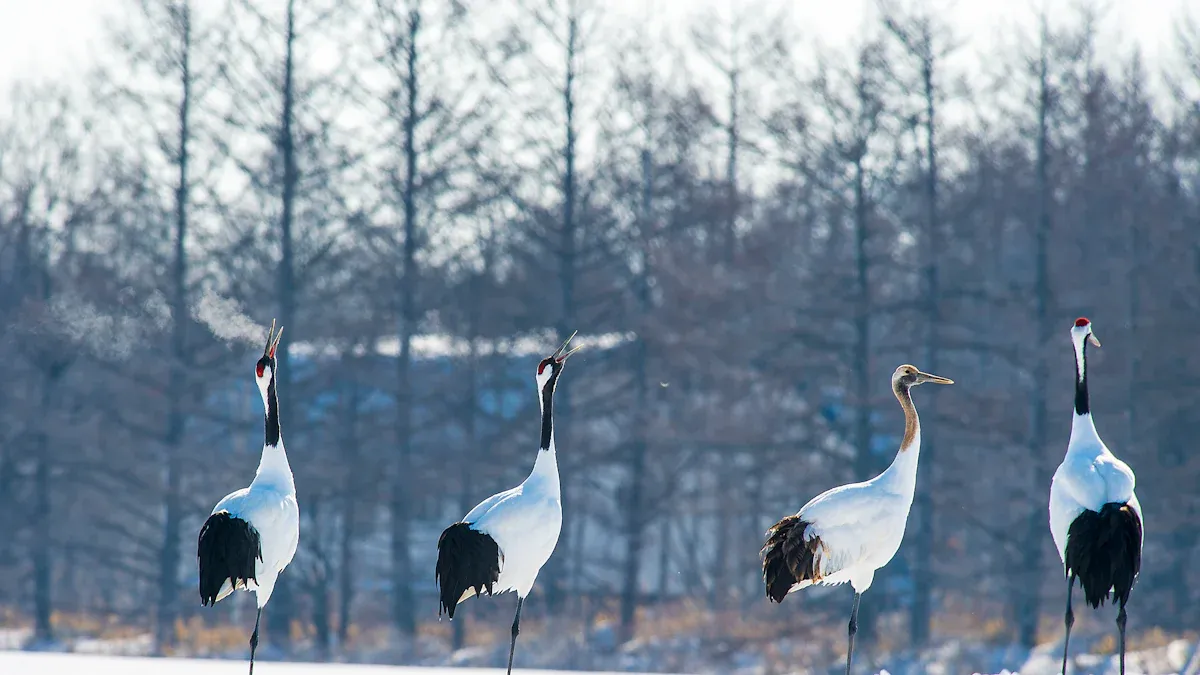
Migratory birds make up about 60% of Japan’s bird species. These birds travel long distances between their breeding and wintering grounds. They follow specific routes each spring and autumn.
Migration Patterns
Spring/Autumn Routes
Many birds use Japan as a crucial stopover during their long journeys. Sandpipers, for example, breed in the Arctic. They stop in Japan between August and October. They then continue their journey to winter in the Southern Hemisphere. In autumn, summer birds like swallows, Muscicapidae, and Cuculidae families leave Japan for Southeast Asia. Conversely, many geese, ducks, swans, and gulls arrive in Japan from places like the Russian tundra.
Spring migration sees significant movement in March. Whooper Swans and Bewick’s Swans fly north through Honshu and into Hokkaido. Tens of thousands of Greater White-fronted Geese also move. Smaller numbers of Taiga and Tundra Bean Geese join them. Red-crowned Cranes begin moving to their breeding territories. By April, shorebirds gather at coastal bays and river mouths. Waterfowl continue north towards breeding grounds in Russia. The last geese and swans head for Hokkaido and Sakhalin. In autumn, early returning shorebirds appear at coastal wetland sites starting in August. Forest birds move from higher and more northerly breeding ranges. Islands in the Sea of Japan serve as routes for northbound spring migrants and southbound autumn migrants.
Breeding/Wintering Grounds
Okinawa is a significant wintering site and a passage area for migratory birds. Man Lake in southern Okinawa hosts migratory shorebirds like the endangered Black-faced Spoonbill. The Yaeyama and Miyako archipelagos are northern limit habitats for species such as the Emerald Dove. Miyako islands welcome migrating Whimbrels. Yaeyama islands host breeding colonies of terns and wintering Ruddy Turnstones. Kin Town, in the middle of Okinawa’s main island, attracts around 270 species. Approximately 85% are migrants, including those passing through Southeast Asia.
Izumi, located in Kyushu, is a significant wintering ground. Hooded Cranes and White-naped Cranes gather here. Thousands of these cranes, along with Eastern Rooks, use Izumi’s fallow fields during winter. They then migrate back north to their breeding territories in northeast Asia. Some Sandhill Cranes and Common Cranes, which breed in far northeastern Russia, also winter in Izumi. The Hooded Crane, a familiar crane of Japan, also thrives and breeds in east Hokkaido.
Key Migratory Species
Siberian Crane
The Siberian Crane is a striking white bird. It reveals black wing feathers when it spreads its wings open during its stay in Japan.
Pintail
The Pintail is a graceful duck. A significant percentage of Pintails pass through Hokkaido during both spring and autumn migration. This shows Hokkaido’s importance as a migratory corridor. Northern Pintails use agricultural lands during their spring staging period in northern Japan. Their distribution is influenced by land use patterns. Frequently used areas are often agricultural.
Osprey
The Osprey is a large raptor. It specializes in catching fish. It can be seen near coastal areas and large bodies of water.
White-naped Crane
The White-naped Crane is a tall, elegant bird. It has a distinctive white stripe on its neck. It winters in southern Japan.
Eastern Spot-billed Duck
The Eastern Spot-billed Duck is a common sight in Japan. It has a dark body and a yellow-tipped bill. It often gathers in large flocks.
Common Snipe
The Common Snipe is a medium-sized wading bird. It has a long, straight bill. It probes for food in muddy areas.
Prime Migration Hotspots
Wetlands and Paddies
Wetlands and paddies are vital for migratory birds. Non-rice croplands in central Hokkaido serve as significant stopover sites for migrating waterbirds. This region is geographically important for the East Asian-Australian Flyway. Rice paddies in snow-rich regions of central Japan are crucial stopover sites. This is especially true during the snow-melting late winter season. These areas provide habitat for various wetland bird species. These include waders, egrets, and waterfowl.
Coastal Areas
Japan is situated along the Pacific flyway. This makes it a crucial stop for shorebirds during spring and autumn migrations. Significant coastal hotspots include Yatsu-Higata and Sanbanze near Tokyo. The Shiokawa estuary in Aichi Prefecture, the Daijyugarami area in Saga Prefecture, and the Kuma River estuary in Kumamoto Prefecture are also important. Further south, Amami-Oshima (Ose Beach) and Okinawa (Manko estuary) are noted for shorebirds during winter months.
Island Stopovers
Islands provide critical resting and feeding points for Japan Birds.
Teuri Island
Bonin (Ogasawara) Islands
Kyushu (specifically Izumi and Amamioshima)
Okinawa (specifically Yonaguni)
Kuril Islands
Izu Islands
Hegurajima
Tobishima
Tsushima
Oki Islands
Endemic Birds: Unique to Japan
Endemic birds are special. They live only in Japan. These unique species highlight Japan’s rich biodiversity. They are a treasure for birdwatchers.
Defining Endemism
Species Found Only in Japan
A bird species is endemic to Japan if it lives exclusively within Japan. BirdLife International, working with the Wild Bird Society of Japan, identifies these species. They also classify “endemic Japanese breeders.” These are birds that breed only in Japan.
Evolutionary Isolation
Japan’s unique geography has created many endemic bird species. This is especially true for oceanic islands like the Bonin Islands, also known as the Ogasawara Archipelago. These islands were never connected to continents. Only birds that could fly or travel by sea reached them. This isolation led to unique ecosystems. Distinct indigenous species developed over time. The Bonin Islands are almost 1000 km south of Tokyo. They show this process well. They have many unique species and are important for seabird breeding.
Iconic Endemic Birds
Okinawa Rail
The Okinawa Rail is a medium-sized bird. It lives only in the subtropical forests of Okinawa Island. It is almost flightless. Its back and wings are dark brownish. This helps it hide on the forest floor. Its head and throat are a deep red. Its legs are bright red, and its eyes are bright orange-red. It has strong legs for walking on the ground. Its sharp beak helps it find insects in leaf litter. It prefers dense, untouched evergreen forests with thick undergrowth and fresh water. It is about 30 cm long and weighs around 435 grams. Its bill is large, bright red with a white tip. It nests and feeds on the ground but roosts in trees.
Iriomote Thrush
This thrush is a shy bird. It lives only on Iriomote Island. It has dark plumage and a strong bill. It forages on the forest floor.
Japanese Accentor
This small bird lives in mountainous areas. It has streaky brown plumage. It often hops on the ground.
Japanese Robin
This robin has a bright orange breast. It lives in dense forests. Its song is very beautiful.
Ryukyu Robin
Similar to the Japanese Robin, this species lives in the Ryukyu Islands. It also has a striking orange breast.
Amami Woodcock
This woodcock is a nocturnal bird. It lives on Amami Island. It has a long bill for probing the soil.
Endemic Species Conservation
Population Threats
Many endemic birds face threats. Habitat loss is a major problem. Forests are cut down for development. Introduced predators, like cats and mongooses, also harm native bird populations. Climate change can also affect their specific habitats.
Protection Efforts
Japan works to protect its unique birds. Conservation efforts include creating protected areas. These areas safeguard critical habitats. Breeding programs help increase the numbers of endangered species. Strict laws also protect these birds from hunting and disturbance.
Essential Birdwatching Tips
Birdwatching in Japan offers rewarding experiences. Proper preparation enhances any birding trip. Consider these practical tips for a successful adventure.
Recommended Gear
Binoculars and Scopes
Good optics are crucial for bird identification. Binoculars bring distant birds closer. A magnification of 8x or 10x works well for most birdwatchers. Spotting scopes offer even greater detail. They are useful for observing waterfowl or shorebirds from a distance. Choose lightweight models for easier carrying.
Field Guides and Apps
A reliable field guide helps identify species. Lightweight, laminated pocket guides are convenient for quick reference. For comprehensive information, consider “Birds of Japan” by Mark Brazil (2018). This guide offers detailed descriptions and illustrations. Many bird identification apps also exist. They provide photos, calls, and range maps directly on a smartphone.
Camera Equipment
Many birdwatchers enjoy photographing their sightings. A camera with a good zoom lens captures clear images. Consider a telephoto lens for close-up shots of birds. Remember to practice using your equipment before your trip. This ensures you are ready when a rare bird appears.
Best Seasons for Birding
Spring for Arrivals
Spring brings many birds to Japan. Migratory species arrive to breed. March to May offers excellent opportunities. You can observe colorful warblers and flycatchers. Their songs fill the air during this season.
Autumn for Migration
Autumn is another prime time for birding. Birds migrate south for winter. September to November sees large movements of raptors and shorebirds. Coastal areas and islands become important stopovers.
Winter for Waterfowl
Winter attracts numerous waterfowl to Japan. Geese, ducks, and cranes gather in large numbers. December to February is ideal for observing these species. Wetlands and lakes become bustling bird havens.
Ethical Practices
Respect Wildlife
Always prioritize the well-being of the birds. Observe them from a respectful distance. Avoid sudden movements or loud noises. These actions can stress birds.
Minimize Disturbance
Do not disturb nesting birds or their young. Stay on designated paths. Avoid trampling vegetation. Your presence should not alter their natural behavior.
Follow Regulations
Always obey local rules and regulations. Some areas have restricted access. Others require permits. Respect private property. Following these guidelines ensures a positive experience for everyone.
Japan’s avian life offers incredible diversity. Resident, migratory, and endemic species provide distinct birdwatching experiences. Readers should embark on their own adventures. Discovering these unique birds is truly rewarding. Key takeaways include understanding habitats, migration patterns, and identification tips. Support conservation efforts and appreciate Japan’s rich natural heritage.
FAQ
### What are the main types of birds found in Japan?
Japan hosts three main bird categories. Resident birds live there all year. Migratory birds visit seasonally. Endemic birds live only in Japan. This diversity makes Japan a great birdwatching spot.
### Where are the best regions for birdwatching in Japan?
Excellent birdwatching regions include Hokkaido for wilderness species and Okinawa for subtropical endemics. Honshu offers diverse habitats. Kyushu is a key stopover for migrants. Each area provides unique avian experiences.
### What does “endemic bird” mean?
An endemic bird species lives only in a specific geographic area. For Japan, this means the bird exists nowhere else in the world. Japan’s islands have many unique endemic species due to their isolation.
### When is the best time to go birdwatching in Japan?
Spring is great for arriving breeders. Autumn is ideal for observing migration. Winter offers excellent views of waterfowl. Each season presents different birdwatching opportunities across Japan. 🐦
### What essential gear do birdwatchers need in Japan?
Birdwatchers need good binoculars for clear viewing. A reliable field guide helps identify species. A camera with a zoom lens captures memorable photos. Comfortable walking shoes are also important.
### How can birdwatchers protect wildlife in Japan?
Birdwatchers should always respect wildlife. They must observe birds from a distance. Avoid disturbing nesting sites. Follow local regulations and stay on designated paths. This minimizes impact on the birds.
### Why is Japan important for migratory birds?
Japan lies along major migratory flyways. It provides crucial stopover points for birds traveling long distances. Wetlands, coastal areas, and islands offer vital resting and feeding grounds for these seasonal visitors.
