
Using animals for entertainment raises profound ethical questions. You should consider the emotional and psychological toll on these creatures. They often endure harsh training methods and live in inadequate conditions. Recent surveys reveal that 69% of Americans express concern for the wellbeing of circus animals. Additionally, 90% oppose cruel training practices such as whipping. This growing awareness prompts many to question the morality of circuses. Misconceptions persist, such as the belief that laws protect these animals. In reality, existing regulations are vague and poorly enforced, allowing for ongoing mistreatment of animals.
Key Takeaways
Animals in circuses often endure harsh training methods that cause fear and pain.
Many circus animals show signs of psychological distress, such as pacing and self-harm.
Public awareness is growing, with many people opposing the use of animals for entertainment.
You can support animal welfare by advocating for stronger laws and avoiding circuses that use animals.
Community involvement and education are key to promoting humane alternatives to animal performances.
Historical Context of Circus Animal Abuse
Early Practices and Public Awareness
Circuses have a long history of using animals for entertainment. In the 19th and early 20th centuries, public awareness of animal welfare began to grow. People started to question the treatment of animals in circuses. Many viewed the conditions as cruel and inhumane.
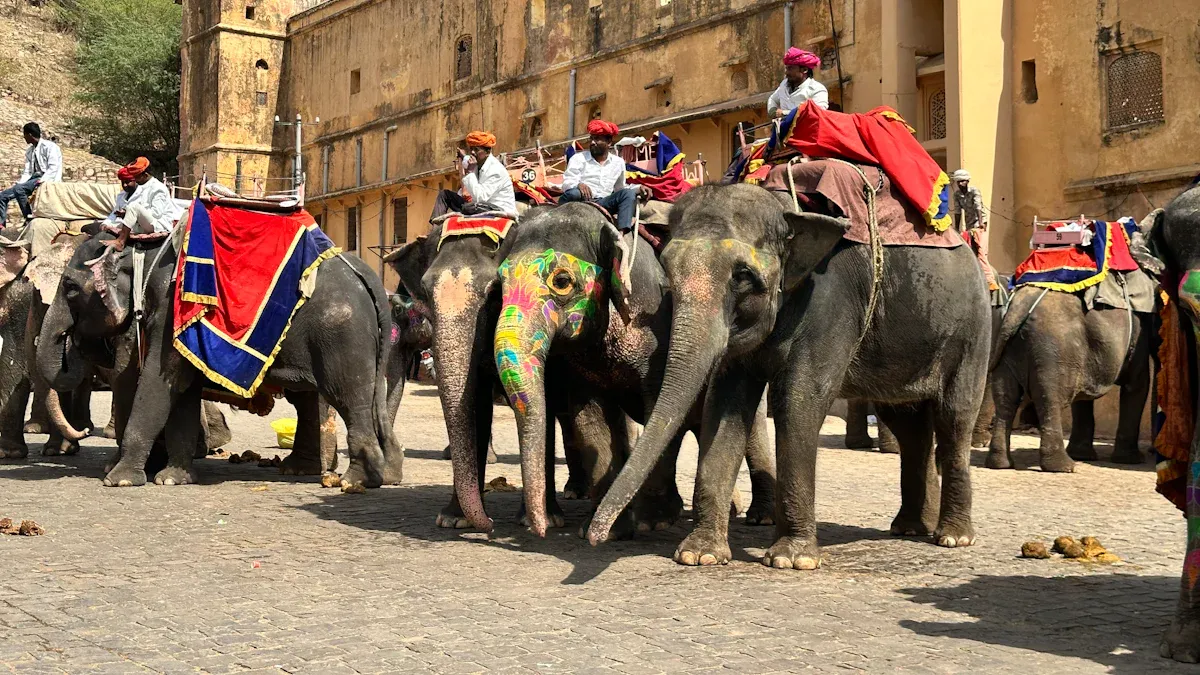
You might find it shocking that 71% of observed animals in circuses had medical issues. Additionally, 33% of tigers and lions lacked outdoor enclosures. These statistics highlight the neglect that many animals faced. Elephants often endured shackling for an average of 17 hours a day. Such practices led to significant psychological stress and trauma.
In testimony in U.S. District Court in 2009, Ringling Bros. and Barnum & Bailey Circus CEO Kenneth Feld acknowledged that circus elephants are struck behind the ears, under the chin, and on their legs with metal-tipped prods, called bullhooks. Feld stated that these practices are necessary to protect circus workers.
The establishment of organizations like the ASPCA in 1866 marked a turning point. These groups aimed to combat the mistreatment of animals. They pushed for anti-cruelty laws and raised public awareness about animal welfare. The relationship between animal rights advocates and circus owners was often contentious. For example, Henry Bergh, the founder of the ASPCA, used P.T. Barnum’s circus as a test case for anti-cruelty legislation.
Rise of Animal Rights Movements
As public concern grew, so did the influence of animal rights movements. The Jack London Club emerged, advocating for legislative changes to ban performing animal shows. This shift in public sentiment pressured circuses to reconsider their practices. The MSPCA sponsored bills to ban these shows, reflecting the growing influence of animal welfare advocates.
Year | Milestone | Description |
|---|---|---|
1824 | Formation of RSPCA | The Royal Society for the Prevention of Cruelty to Animals was established in Great Britain to enforce anti-cruelty laws. |
1866 | Formation of ASPCA | The American Society for the Prevention of Cruelty to Animals was incorporated as the first documented humane society in the U.S. |
2017 | Closure of Ringling Brothers Circus | The circus ceased operations partly due to legal battles with animal rights organizations, highlighting the impact of activism on circus animal treatment. |
These movements have played a crucial role in shaping public perception and advocating for the welfare of animals in circuses. The ongoing dialogue about circus animal abuse continues to evolve, reflecting a society increasingly aware of the ethical implications of using animals for entertainment.
Current Circus Animal Welfare Issues
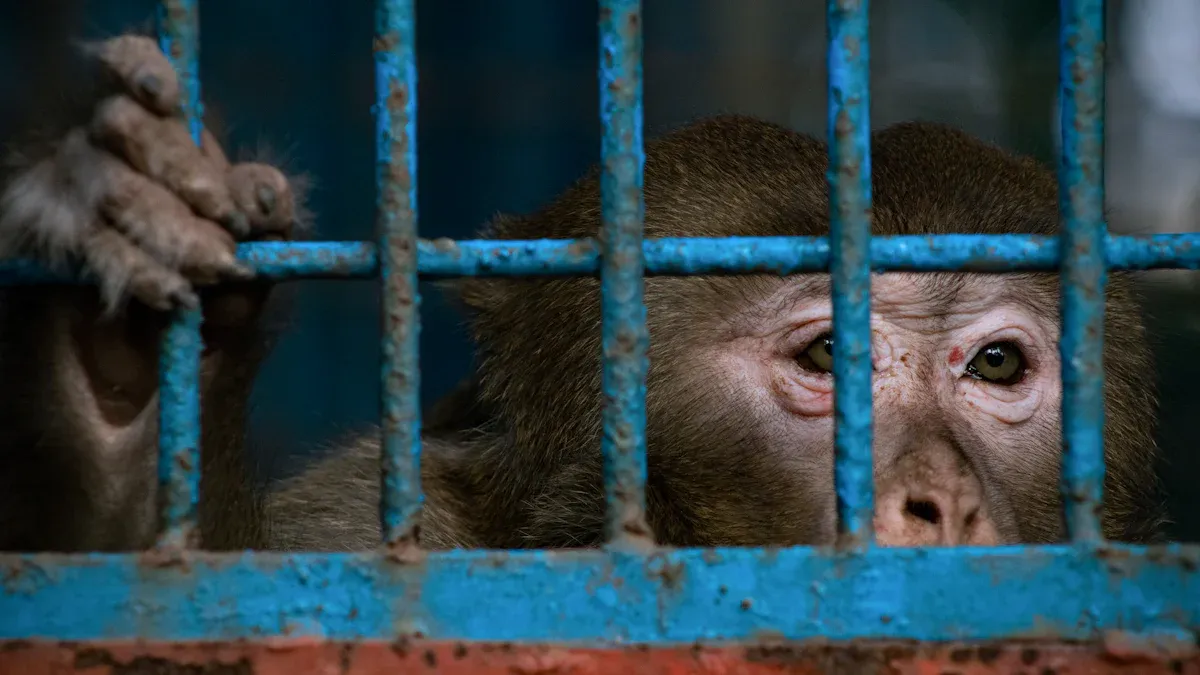
Examples of Circus Animal Abuse
Circuses continue to face scrutiny for their treatment of animals. Many reports reveal ongoing mistreatment of animals in these entertainment venues. You should be aware of some common forms of abuse that occur:
Cruel training methods and unnatural living conditions affect both wild and domestic animals.
Elephants undergo a brutal training process known as “the crush.” This method involves pain and fear, often chaining them for extended periods.
Bears are forced to perform unnatural behaviors, such as riding bicycles and dancing, through fear-based training. They often live in small cages that restrict their movement.
Animals frequently endure transportation in inadequate conditions. This leads to physical and psychological distress, including signs of zoochosis, a condition characterized by repetitive, abnormal behaviors.
High-profile cases of circus animal abuse have drawn significant media attention. For instance, former employees of Ringling Bros. and Barnum & Bailey Circus reported a 30-minute beating of an elephant in Tulsa, Oklahoma, resulting in severe injuries. Undercover footage from PETA showed trainers using bullhooks to beat elephants, with trainers instructing each other to make the animals scream. These incidents highlight the cruelty that many performing animals endure.
The Impact of Neglect and Trauma
The neglect and trauma experienced by circus animals can lead to severe psychological consequences. Studies show that 89% of exotic animals rescued from European circuses experienced mental or physical trauma. Nearly half of these animals had external injuries, including wounds and declawing. Many faced severe veterinary and behavioral issues, requiring multiple treatments.
Research indicates that the life of chains and pain significantly impacts animal welfare. For example, a study focused on the behavior of circus tigers during transport found that confinement in small cages led to restricted movement. This restriction can result in the development of stereotypic behaviors, which are repetitive actions that indicate stress or discomfort.
Study Focus | Findings |
|---|---|
Behavior of circus tigers during transport | Observations showed that tigers in small cages exhibited restricted movement, leading to potential psychological breakdown. |
Effects of enclosure size on behavior | Larger enclosures reduced the frequency of stereotypic behaviors, indicating a link between space and psychological well-being. |
Comparison with other transported animals | Other species showed limited behavior during transport, suggesting that confinement impacts psychological states. |
The trauma inflicted on these animals can lead to long-term health effects. Over 25% of rescued animals exhibited abnormal behaviors that compromised their welfare, including self-injury. Circuses contribute to malnutrition and behavioral disorders due to poor living conditions and forced interactions.
As you consider the plight of these animals, remember that their sentience and intelligence deserve recognition. The ongoing mistreatment of animals in circuses raises serious ethical concerns. You can play a role in advocating for animal welfare by supporting organizations that fight against circus animal abuse.
Legislative Changes for Animal Welfare
Anti-Cruelty Laws and Their Limitations
Many countries have enacted anti-cruelty laws to protect circus animals. However, these laws often fall short. For example, the Animal Welfare Act (AWA) in the United States lacks clear definitions, creating loopholes that allow for continued abuse. Many state laws exempt circuses from anti-cruelty provisions, leading to inconsistent protections across states.
Here’s a look at some significant anti-cruelty laws from various countries:
Country | Anti-Cruelty Law Description |
|---|---|
Austria | General ban on the use of wild animals. |
Belgium | General ban on the use of wild animals. |
France | Ban on the use of lions, tigers, and bears in circuses and ban on live dolphin shows. |
Italy | Law approved to abolish the use of animals in circuses and other traveling shows. |
Spain | New animal welfare law prohibits the use of wild animals in circuses. |
New Jersey | First state to ban wild- or exotic-animal acts. |
California | Bans the use of all animals in circuses except domesticated dogs, cats, and horses. |
Mexico | General ban of wild animals. |
India | General ban of wild animals. |
Costa Rica | General ban of wild animals. |
Despite these laws, the legal framework complicates the situation. Animals are considered property under U.S. law, making it difficult for activists to sue for mistreatment. The transient nature of traveling circuses also complicates regulatory enforcement. This makes it hard to ensure compliance with existing laws.
The Shift Towards Animal-Free Circuses
In recent years, there has been a noticeable shift towards animal-free circuses. Audiences increasingly prefer performances that do not involve animals. This trend reflects growing public awareness about animal welfare. For instance, Cirque du Soleil has gained immense popularity by showcasing human talent and creativity without using performing animals.
The decline in attendance at traditional animal-based circuses highlights this change. Many smaller circuses have merged or closed down due to dwindling audiences. As a result, innovative alternatives, such as holograms and robot performers, are emerging. These new forms of entertainment resonate well with audiences, indicating a positive response to the move away from animal acts.
This shift not only benefits the welfare of animals but also aligns with the values of many animal welfare activists who advocate for cruelty-free entertainment options.
Advocacy for Animal Welfare in Circuses
How to Support Animal Rights Organizations
You can play a vital role in supporting animal rights organizations that work to end the mistreatment of animals in circuses. Here are some effective strategies you can adopt:
Advocate for stronger animal protection laws by signing petitions and contacting local representatives.
Never attend circuses that use animals and encourage your friends and family to do the same.
Report circuses that exploit animals and support those that do not.
Write letters to circus management and local officials urging them to stop using animal acts.
Educate yourself and others about the issues surrounding circus animals and share this information on social media.
By taking these steps, you contribute to a larger movement advocating for animal welfare and help raise awareness about the abuse animals face in circuses.
Community Involvement and Awareness Campaigns
Community involvement is crucial for driving change in circus animal welfare. Many successful campaigns have emerged from grassroots efforts. Here are some notable examples:
Ringling Bros. and Barnum & Bailey Circus and UniverSoul Circus voluntarily eliminated animal acts in response to public pressure and legislative changes.
The final show of Ringling Bros. and Barnum & Bailey Circus with animals marked a significant victory for animal welfare advocates, celebrated by organizations like Last Chance for Animals (LCA).
California’s SB 313, signed into law on October 12, 2019, banned the use of wild and exotic animals in circuses statewide.
The Massachusetts circus law, passed after years of advocacy, reflects the collective efforts of various animal protection organizations.
These examples demonstrate how community advocacy can lead to meaningful changes in circus practices. You can join local animal welfare groups to participate in campaigns, attend events, and spread awareness about the exploitation of animals in entertainment.
Additionally, consider implementing your own awareness campaigns. You can raise awareness by organizing educational workshops or social media campaigns that inform the public about the ethical treatment of animals in circuses. Partnering with animal welfare organizations can amplify your efforts and help promote alternatives to performing animal shows.
Advocacy Method | Description |
|---|---|
Raise Awareness | Implement campaigns to inform the public about ethical treatment of animals in entertainment. |
Advocate for Alternatives | Partner with animal welfare organizations to promote entertainment options that do not involve live animals. |
Showcase Success Stories | Create case studies from organizations that have stopped using live animals, inspiring others to follow suit. |
By engaging in these activities, you can help foster a culture of compassion and respect for animals, ultimately leading to better welfare standards in circuses.
The ethical treatment of animals in circuses is crucial. Animals are sentient beings deserving of welfare considerations. They often face inadequate living conditions and harsh training methods. Here are some key takeaways:
Animals are frequently trained using fear, pain, and punishment.
Many animals show signs of psychological distress, such as pacing and self-mutilation.
Circuses prioritize performances over animal welfare, leading to stress and injuries.
You can make a difference by supporting animal rights organizations and advocating for stronger protections. Consider taking these actions:
Action | Description |
|---|---|
Advocate for stronger laws | Push for legislation that protects all animals from exploitation. |
Educate others | Share information about the ethical implications of using animals for entertainment. |
Support animal-free circuses | Attend performances that do not involve animals to promote humane alternatives. |
Your voice matters. Together, we can create a future where animals are treated with the respect and dignity they deserve.
FAQ
What types of animals are commonly used in circuses?
Circuses often use elephants, tigers, lions, bears, and horses. These animals perform tricks and stunts, which can lead to physical and psychological harm due to harsh training methods and inadequate living conditions.
Are there laws protecting circus animals?
Yes, some laws exist to protect circus animals. However, many laws lack clear definitions and enforcement. This allows circuses to exploit animals without facing significant consequences.
How can I help improve the welfare of circus animals?
You can support animal rights organizations, avoid attending circuses that use animals, and advocate for stronger animal protection laws. Educating others about these issues also helps raise awareness.
What are the signs of distress in circus animals?
Signs of distress include pacing, self-mutilation, and abnormal behaviors. These actions indicate that animals experience significant stress and trauma due to their living conditions and training practices.
Why are animal-free circuses becoming more popular?
Animal-free circuses focus on human talent and creativity, appealing to audiences who prioritize animal welfare. This shift reflects growing public awareness and demand for ethical entertainment options.