

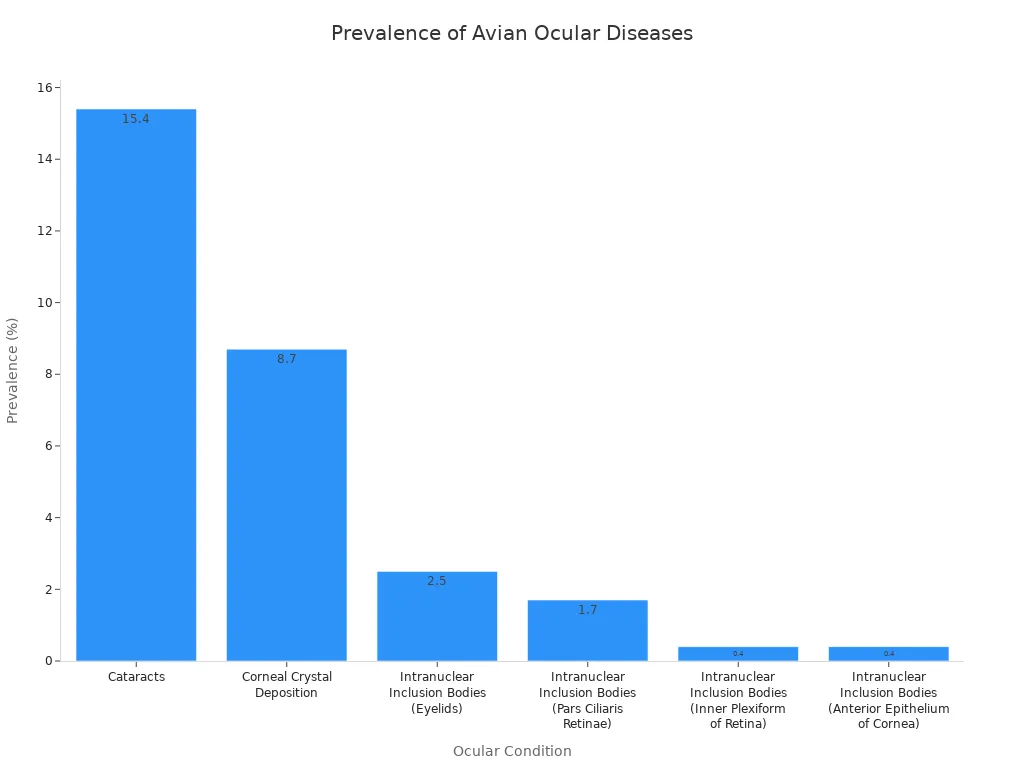
Avian ocular diseases are conditions affecting a bird’s eyes. They range from mild irritations to severe infections or structural abnormalities. These avian conditions often present with visible symptoms like swelling, discharge, or changes in eye appearance. Understanding these common eye disorders in birds is important for bird owners. It ensures the health and well-being of their feathered companions. Many birds experience these issues. For example, cataracts are prevalent in 15.4% of birds. This chart shows the prevalence of various avian ocular conditions:
Ocular issues account for a significant portion of avian veterinary visits, ranging from 7.6% to 26%. Early detection of symptoms and knowledge of causes and treatment are key for these birds.
Key Takeaways
Birds have special eyes. Their eyes are different from human eyes. This makes them get certain eye problems.
Look for signs of eye problems. These include red eyes, swelling, or discharge. Changes in how a bird acts can also mean eye trouble.
Many things cause bird eye problems. These include infections, poor food, or injuries. Each problem needs its own treatment.
Take your bird to the vet quickly for eye issues. Early help can stop small problems from getting worse. This saves your bird’s sight.
Keep your bird’s home clean. Give it good food. These steps help prevent many eye problems. They keep your bird healthy.
Avian Eye Anatomy
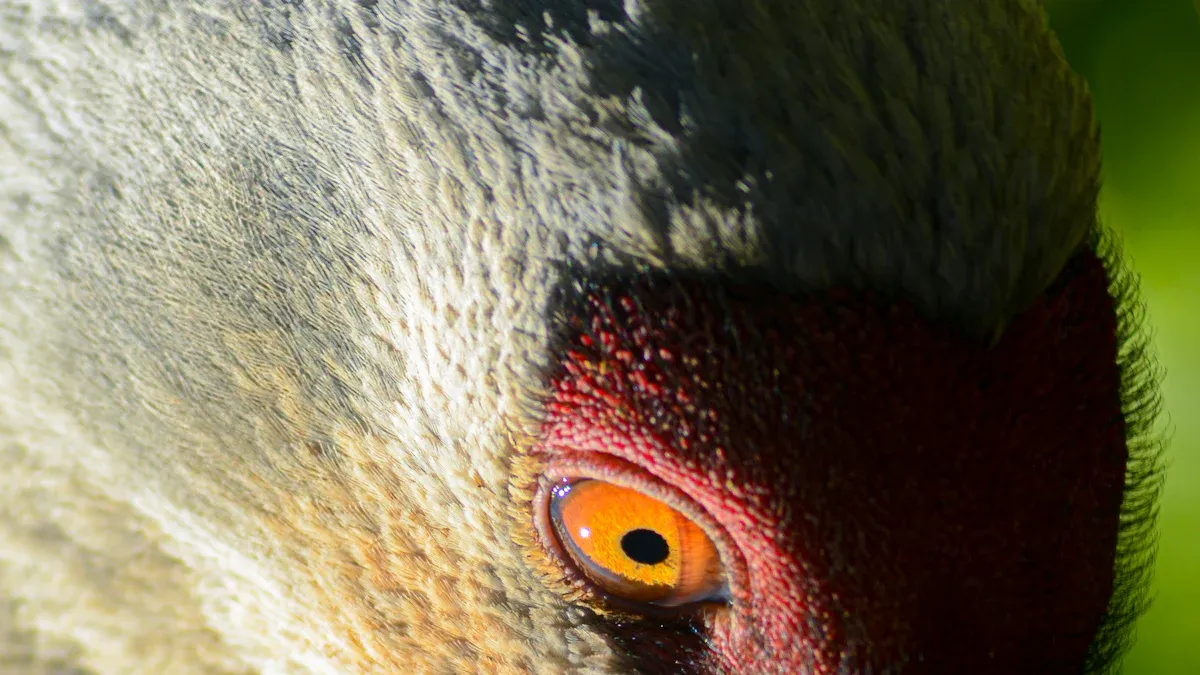
Birds possess extraordinary vision. Their eyes are complex organs, highly adapted for flight and survival. Understanding the unique structure of avian eyes helps us grasp why certain ocular diseases affect them.
Bird Eye Structure
Bird eyes are notably large. They have a greater volume compared to their brains. This is a significant contrast to human eyes, which are tiny relative to the cerebrum. Birds also possess exceptional diurnal vision. They can perceive ultraviolet light. This range of the visual spectrum is inaccessible to human eyes. A unique feature is Crampton’s muscles. These muscles allow birds to change the shape of their cornea. This provides a greater range of accommodation than observed in mammals.
Several other structures make avian eyes distinct:
Scleral Ossicles: These provide a rigid shape to avian eyes. This differs from the mechanism in mammalian eyes.
Cartilaginous Sclera: The sclera in birds has a continuous layer of hyaline cartilage. This reinforces the eye, except at the scleral ossicles.
Tapetum Lucidum: Most birds lack this highly reflective surface. Only a few nocturnal species, like goatsuckers, possess it. Many mammalian species commonly have it.
Enhanced Visual Acuity: Birds achieve this through mechanisms like a one-to-one projection of receptor cells to ganglion cells in the retina.
Anatomy and Susceptibility
The specialized anatomy of avian eyes influences their susceptibility to various disorders. The large size and rigid structure, while beneficial for vision, can make them vulnerable to trauma. The complex muscle system for accommodation, while enhancing focus, also presents more components that can malfunction. The high visual acuity means even minor ocular issues can severely impact a bird’s ability to navigate and find food. Therefore, specialized knowledge in avian ophthalmology is essential. Veterinarians practicing ophthalmology understand these unique challenges. They provide appropriate care for these delicate organs.
Identifying Common Eye Diseases: Symptoms
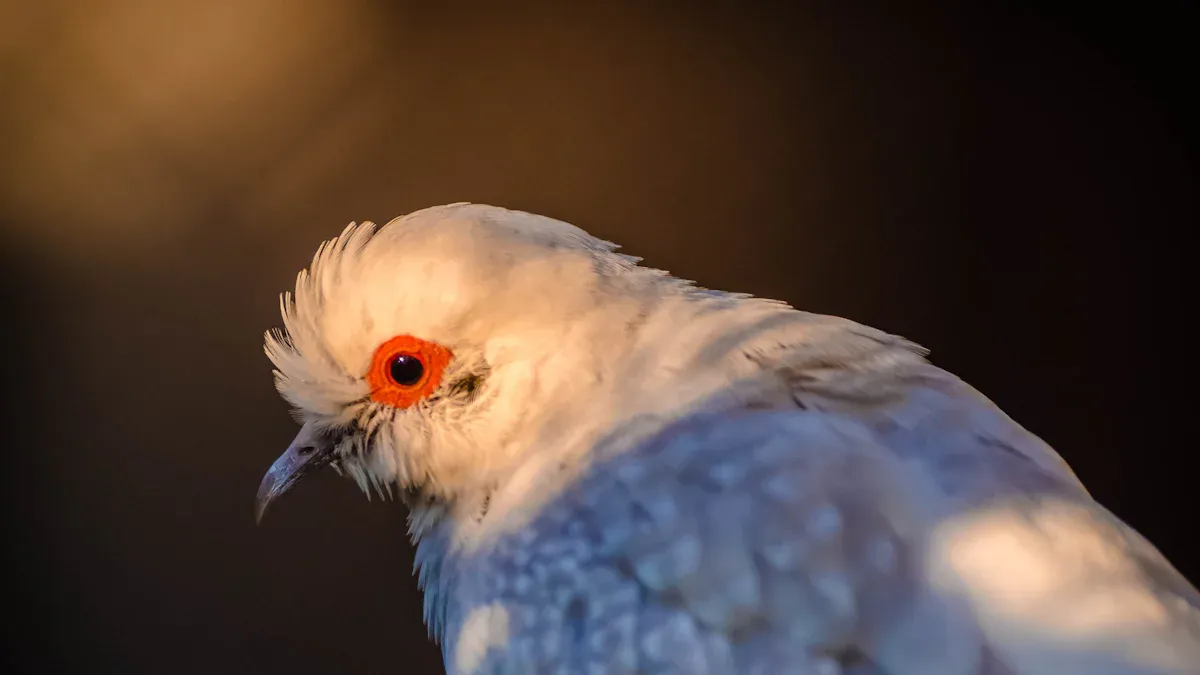
Recognizing signs of eye problems in birds is crucial for their health. Owners must learn to differentiate between normal and abnormal eye appearances. Early detection helps prevent more serious conditions.
Visible Eye Changes
Several visible signs indicate potential eye issues. Birds may show excessive blinking or squinting. This often suggests discomfort or light sensitivity. Redness, swelling, or inflammation around the eyelids can signal an infection or injury. Abnormal eye discharge is another key indicator. This discharge varies in color and consistency. It can be watery, thick, white, tan, or crusted. Sometimes, a white, frothy discharge appears around the eye. This is known as ‘foamy eye’ in some avian species. Inflammation and irritation can also cause feather loss around the eye. This might happen due to frequent scratching. A hazy or cloudy cornea, known as cloudiness or opacity in the eye, impairs vision and causes discomfort. Clouded eyes, visible discharge, or crusts around a bird’s eyes are clear signs of potential eye trouble. These issues could indicate an infection or other internal health problems. These are all symptoms of common eye disorders in birds.
Behavioral Signs
Changes in a bird’s behavior often accompany eye problems. A bird might become lethargic. It may show decreased activity or a loss of appetite. Birds with eye discomfort often rub or scratch their eyes. They might keep their eyes closed or partially closed to avoid light or irritants. Difficulty navigating their environment is another sign. They might bump into objects. Behavioral changes in social interactions can also occur. Avian individuals might avoid flockmates, show aggression, or become isolated.
Normal vs. Abnormal Eye Signs
Healthy birds typically have clear, clean eyes. Their eyes appear bright and fully open. There is no discharge, redness, or swelling. The feathers around their eyes are smooth and intact. Any deviation from this normal appearance suggests a problem. For example, a bird with common eye diseases will not have clear eyes. Owners should observe their avian companions daily. They should look for any of these visible or behavioral changes. Prompt action can make a significant difference in treating ocular conditions.
Specific Avian Eye Disorders
This section explores common eye disorders in birds. It details their specific symptoms, causes, and available treatment options. Understanding these conditions helps bird owners provide timely care.
Conjunctivitis (Pink Eye)
Conjunctivitis, often called pink eye, is a common inflammation of the conjunctiva. This membrane lines the inside of the eyelids and covers the white part of the eye. Birds with conjunctivitis show several signs. They have redness and swelling of the eyelids. Owners may notice watery or thick discharge. This discharge can appear white, tan, or crusted. Birds often squint due to discomfort.
Various factors cause conjunctivitis. Bacterial infections are frequent culprits. Mycoplasma gallisepticum causes mycoplasmal conjunctivitis, also known as finch conjunctivitis. Mycoplasma sturni also causes conjunctivitis in species like European starlings and blue jays. Viral infections, such as Avian Pox, PBFD, Pacheco’s disease, and Influenza A viruses, including avian influenza viruses, also lead to this condition. Fungal infections, environmental irritants like dust or smoke, and allergies can also trigger conjunctivitis.
Veterinarians conduct tests to identify the specific bacterial or fungal strain causing the infection. Common treatments include saline flushes to clean the eye. They often prescribe topical and/or oral antibiotics or antifungals. Anti-inflammatory medication helps reduce swelling and discomfort. Addressing the underlying cause is crucial for successful treatment. Supportive care, including dietary supplements, aids recovery. The veterinarian determines the duration of the treatment. Identifying the exact pathogen is crucial for targeted clinical diagnostic interventions.
Avian Pox
Avian Pox is a viral disease affecting many bird species. It presents in two main forms: dry (cutaneous) and wet (diphtheritic). The dry form causes slowly developing wart-like growths. These growths appear on featherless parts of the bird, especially around the eyes. They start as small white foci and grow, becoming dark. Adjoining lesions can join together, becoming rough and potentially blocking vision. Clinical signs include vision problems, soiled facial feathers, conjunctivitis, and eyelid swelling. The cutaneous form initially appears as small white, pink, or yellow blisters. These blisters become nodules, coalesce, and burst. Lymph congeals, forming scabs, and the nodules become rough and dry, changing to dark brown or black. Secondary bacterial infections can lead to pus and tissue death.
Wet pox lesions can also affect the eyes and eyelids. Birds with wet pox may have small white or gray nodules in these areas. These nodules can expand to cover most of the area with a thick matting or membrane. General symptoms include eye swelling with crusting or discharge, and itching or rubbing of the face.
The Poxvirus causes this disease. Mosquitoes are primary vectors, transmitting the virus when feeding on an infected bird and then a susceptible host. Other biting insects like flies, mites, and midges also spread it. Direct bird-to-bird contact can transmit the virus. Indirect transmission occurs through contaminated surfaces like perches or bird tables. Airborne particles can also spread the virus. Infection happens when contaminated particles contact mucous membranes or skin abrasions.
Treatment for Avian Pox is mainly supportive care. This includes managing secondary bacterial infections with antibiotics. Vitamin A supplementation can help with skin and mucous membrane health. In some cases, a veterinarian may remove large lesions.
Nutritional Deficiencies
Nutritional deficiencies significantly impact avian eye health. A primary concern for pet birds is Vitamin A deficiency, also known as hypovitaminosis A. Vitamin A plays a crucial role in immune system function and the health of epithelial tissues. Diets consisting solely of seeds or mixed diets with insufficient pellet portions often lack Vitamin A.
Birds with this deficiency show several symptoms. They have swollen eyelids and discharge from the eyes. White plaques, or hyperkeratosis, can develop around the eyes and sinuses. Poor feather quality and respiratory issues are also common. A watery discharge from the eyes may be observed. As the deficiency progresses, a milky white, cheesy substance accumulates in the eyes, impairing the bird’s vision (xerophthalmia). In severe cases, the eye can be destroyed. Chronic and recurrent epithelial conditions like conjunctivitis often have Vitamin A deficiency as the underlying cause.
Treatment involves dietary correction. Owners should switch birds to a balanced diet rich in Vitamin A, such as pellets and fresh vegetables. Vitamin A supplementation is often necessary. Antibiotics treat any secondary bacterial infections that arise due to weakened immunity.
Trauma and Injury
Eye trauma and injury are common problems for birds. Visible wounds, bleeding, and swelling around the eye indicate an injury. Corneal abrasions, which are scratches on the eye’s surface, can occur. Foreign objects like dust or seeds can also get into the eye.
Many factors cause eye trauma. Fights with other birds can lead to injuries. Birds flying into objects like windows or mirrors often suffer eye damage. Sharp cage accessories can also cause harm. Chemical and environmental injuries are also possible. Household cleaning agents, lawn chemicals, or insecticides can cause corneal burns. Smoke, dust, or grooming products can lead to irritation and inflammation. Bite wounds from mammalian pets or other birds are also a risk.
Immediate first aid is important. For visible debris or foreign objects, flush the eye with saline solution or clean, lukewarm water. Avoid household remedies. For swollen or bleeding eyes, do not apply pressure. Cover the eye with a clean, damp cloth to protect it and keep it moist. Prevent the bird from rubbing or scratching the eye, using an Elizabethan collar if available. For chemical burns, immediately flush the eye with a steady stream of clean, lukewarm water for several minutes. VetMed Wound and Skin Care Spray can also clean eyes in birds. It is a powerful antimicrobial, safe for eyes and ear canals. After flushing, lightly cover the eye with a clean cloth and seek immediate veterinary care. Treatment often includes cleaning the eye, antibiotic eye drops to prevent infection, and pain relief. Surgical repair may be necessary for severe injuries.
Cataracts
Cataracts involve cloudiness or opacity in the lens of the eye. This condition impairs vision and makes it difficult for birds to navigate their environment.
Several factors cause cataracts in avian species. Genetics play a role; some breeds, like Light and Dark Brahma chickens, are predisposed. Age is another common factor. Certain diseases, such as avian encephalomyelitis or Marek’s disease, can lead to cataracts. Nutritional deficiencies, particularly lacking antioxidants and omega-3 fatty acids, also contribute. Environmental factors like continuous lighting or ammonia exposure can be harmful. Metabolic diseases like diabetes and traumatic events can also cause cataracts. A significant cause links to the synthesis of pheomelanin, a common pigment. This process competes with the eye’s antioxidant defenses, reducing protection from oxidative damage.
Surgical removal of cataracts is a treatment option, though rarely performed in birds. Supportive care for vision impairment helps birds adapt to their reduced sight.
Sinusitis Affecting Eyes
Sinusitis is an inflammation of the sinuses. It often affects the eyes in birds due to their complex sinus system. Numerous air sacs link with the sinuses. This anatomical connection means that any inflammation in the sinuses will also affect the eyes.
Birds suffering from sinusitis typically exhibit swelling and/or discharge in one or both eyes. This is often called periorbital disease. In more severe cases, the discharge can be so gummy that it causes the eyes to become matted shut. Respiratory signs and lethargy often accompany these ocular symptoms.
Bacterial infections are the most common invaders of sinuses and cause the most severe disease. Specific bacterial agents include Chlamydophila and Mycoplasma. E. coli, A. paragallinarum, Pseudomonas, Klebsiella, and Staphylococcus are also identified. Fungal infections can cause sinusitis but are less common. Viral infections can also lead to sinusitis. These infections are often secondary to upper respiratory infections, especially in large psittacine birds.
Treatment involves antibiotics or antifungals, depending on the cause. Anti-inflammatory drugs reduce swelling. Flushing the sinuses helps clear infection. Addressing the underlying cause is essential for effective treatment. Consulting an avian ophthalmology specialist can provide targeted care for these selected ocular diseases. Expertise in avian ophthalmology and ophthalmology is crucial for managing complex cases.
When to Seek Vet Care
Recognizing when a bird needs professional medical help for eye issues is vital. Owners play a key role in their bird’s health. Prompt action can prevent minor problems from becoming severe.
Importance of Early Detection
Early detection of eye problems in birds significantly improves treatment outcomes. Many avian eye conditions, if caught early, respond well to medication. Delaying veterinary care can lead to chronic issues or permanent vision loss. For example, untreated infections can spread and cause more widespread health problems. Regular observation of a bird’s eyes helps owners notice subtle changes. This allows for quick intervention. Early veterinary consultation ensures the best chance for a full recovery.
Immediate Vet Attention
Certain symptoms demand immediate veterinary consultation. Owners should contact an avian veterinarian without delay if they observe any of these signs:
Sudden blindness
Severe pain, shown by crying, hiding, or pawing at the eye
Visible trauma or a foreign object in the eye
Rapid swelling or bulging of the eye
A closed eye that the bird cannot open
General eye swelling
Redness of the eye
Any eye discharge
Immediate veterinary care is crucial for a bird exhibiting any symptoms of conjunctivitis. A veterinarian can determine the best course of treatment. Untreated conjunctivitis can lead to more severe eye problems and infections. An expert in avian ophthalmology can provide specialized care. They understand the unique challenges of avian ocular health. Consulting a veterinarian with expertise in ophthalmology ensures proper diagnosis and treatment for these delicate organs.
Prevention and Husbandry
Preventing eye disorders in birds involves good husbandry practices. Owners play a crucial role in maintaining their companion’s health. Proactive care helps avoid many common eye problems.
Clean Environment
A clean environment significantly reduces the risk of eye infections. Complete cleaning effectively reduces virus spread. Owners should regularly clean cages, perches, and toys. This prevents reinfection and helps the bird recover faster. Use household detergents for cleaning bowls, enclosures, perches, and nets. These items often get contaminated with food, excrement, or secretions. After washing with detergents, thoroughly rinse and dry surfaces and objects. This must happen before the bird contacts them. Sodium hypochlorite (bleach) is a powerful disinfectant. A 1:32 dilution (1/2-cup bleach per gallon water) effectively combats many infectious agents. However, bleach solutions and their fumes are toxic to birds. They can cause irritation of mucous membranes, watery eyes, nasal discharge, and sneezing. Poorly ventilated areas can even lead to fatal tracheitis and pneumonia. Always use bleach in well-ventilated areas and ensure no birds are present. For feeders, scrub debris with soap and water, rinse, then soak in a 10% bleach solution. This prevents disease spread. Also, restrict flock access to freshwater sources, especially where Tarebia granifera and Melanoides tuberculata snails are present. This limits exposure to trematode intermediate hosts.
Balanced Diet
A balanced diet is essential for optimal avian eye health. Vitamin A is crucial for avian eye health. Animals can get it as beta-carotene. Their bodies convert it to vitamin A as needed. A deficiency in Vitamin A is common in pet birds. It can lead to symptoms like swollen eyes. Carrot juice is a rich source of vitamin A and carotenoids. It strengthens eyes and preserves vision. Passion fruit also contains beneficial components for vision.
Regular Health Checks
Regular health checks are vital for early detection. Owners should observe their pets daily for any changes in eye appearance or behavior. Routine veterinary visits allow professionals to catch subtle issues. An avian ophthalmology specialist can provide specific guidance.
Quarantine for New Birds
Quarantining new birds prevents disease transmission to existing flocks. A minimum quarantine period of 30 days is recommended for new arrivals. The disease status of new birds can take six weeks to fully evaluate. If any signs of illness appear during quarantine, owners must reset the time to day one. This protects the entire flock. Consulting an expert in ophthalmology ensures proper protocols.
Bird owners play a critical role in recognizing symptoms of common eye disorders in birds. They must understand the underlying causes and seek timely veterinary treatment. Proactive care, including good husbandry practices and regular health checks, prevents many avian eye disorders. Consulting an avian ophthalmology specialist ensures proper diagnosis and treatment for these avian companions. This specialized ophthalmology expertise protects avian ocular health. Vigilant observation and appropriate action ensure the long-term health and well-being of birds.
FAQ
What are the first signs of eye problems in birds?
Birds often show redness, swelling, or discharge around their eyes. They might squint or keep an eye closed. Changes in behavior, like rubbing eyes or difficulty navigating, also indicate issues. Owners should observe these signs carefully.
Can a bird’s diet affect its eye health?
Yes, a balanced diet is very important for eye health. A lack of Vitamin A, for example, can cause swollen eyelids and discharge. Owners should provide pellets and fresh vegetables. This ensures proper nutrition for their birds.
When should a bird owner take their bird to the vet for eye issues?
Owners should seek immediate vet care for sudden blindness, severe pain, or visible trauma. Rapid swelling, bulging eyes, or an eye that stays closed also require prompt attention. An avian veterinarian can provide specialized care.
How can owners prevent eye disorders in their birds?
Maintaining a clean environment is key. Owners should regularly clean cages and toys. Providing a balanced diet and conducting regular health checks also help prevent many eye problems. Quarantining new birds prevents disease spread.