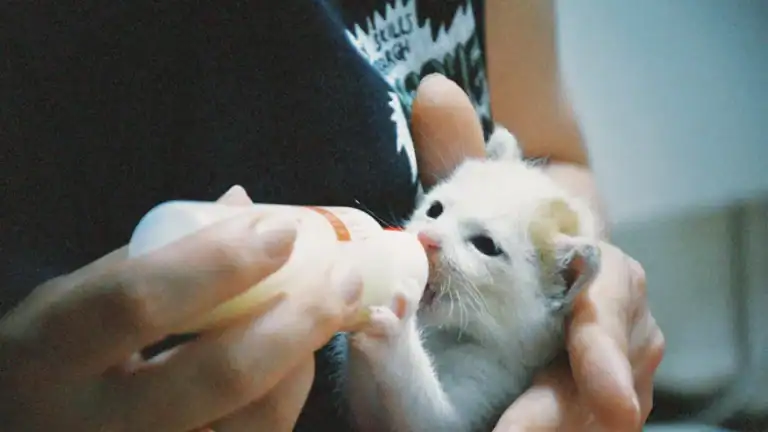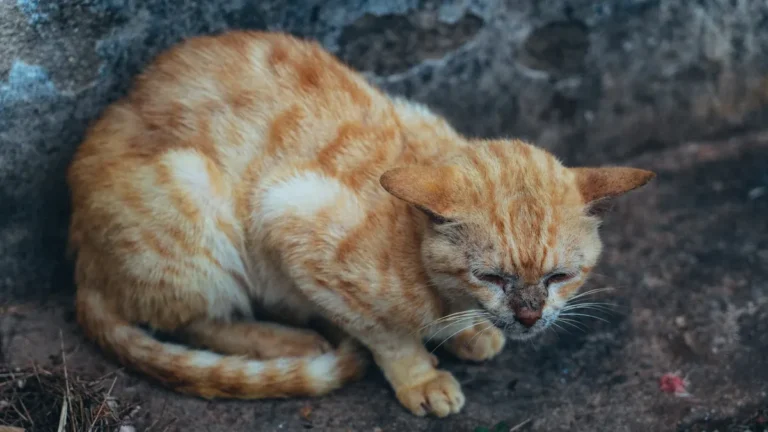


Cats chew on fingers for several common reasons: play and hunting instincts, teething or comfort from early weaning, attraction to salty skin or lotion, and dental pain or oral irritation. Gentle nibbling can be bonding or grooming; harder bites often signal overstimulation or discomfort. Stress, habit, or scent also trigger mouthing. Watch for changes in appetite, drooling, or behavior and protect hands while addressing the cause.
Teething and Gum Discomfort
Feeling uncomfortable in the mouth is a common reason kittens chew fingers, and teething plays a big part in that behavior.
The young cat seeks relief as baby teeth fall out and adult teeth arrive between three weeks and six months.
Gentle gum massage with a finger or soft toy can soothe itchy gums and help loosen deciduous teeth.
This action also supports enamel development through encouraging normal jaw movement and safe pressure on emerging teeth.
Caregivers feel needed whenever they offer comfort, and the kitten learns trust through calm interaction.
Watch for prolonged chewing that could signal pain rather than teething.
Should biting grow harder or seem linked to swelling, a vet check is wise to protect oral health.
Play and Predatory Practice
Play and predatory practice explains why fingers often get chewed as kittens and young cats rehearse stalking and capture moves.
This play teaches timing and bite placement, so fingers look and move like small prey and become tempting targets.
Offering a variety of interactive toys that mimic prey can gently shift that practice away from your skin while still honoring the cat’s natural urges.
Practice Hunting Skills
Mimicking a hunt helps kittens learn how to stalk, pounce, and grab, so nibbling on fingers often serves as practice for those skills.
In a safe home, a young cat treats a hand like prey simulation, testing timing and control. Play grows into deliberate strike rehearsal where the kitten refines its bite force and release.
Caregivers feel included whenever a pet practices near them, and that closeness builds trust even as it teaches hunting moves. Gentle limits and guided play help redirect energy to toys and hunting games, and more frequent interactive sessions reduce accidental nips.
If owners respond calmly and provide consistent play, the kitten learns gentler behaviors while the bond deepens.
Toys Replace Fingers
After practicing hunting moves on a caretaker’s hand, a kitten can learn to aim that energy at something safer and more satisfying. Toys replace fingers whenever interactive substitutes are offered consistently and with warmth. The cat feels included and learns trusted play patterns. Offer moving toys, wand toys, and textured chews to mirror prey and mouthfeel. Rotate items so novelty stays high and bonding play stays joyful.
| Toy type | Purpose | How to use |
|---|---|---|
| Wand toys | Chase and pounce | Short sessions, praise |
| Moving mice | Stalk practice | Toss and hide |
| Textured chews | Oral comfort | After play or during teething |
| Puzzle toys | Mental work | Feed treats inside |
Gentle timing and consistent redirection build belonging and reliable habits.
Affectionate Grooming and Bonding
Often gently, a cat will nibble a person as part of its grooming rituals and bonding behavior. This nibble mirrors how cats groom each other to show care.
The action can include soft licking, tiny teeth, and a steady presence. It comforts the cat and signals trust.
Humans feel included in the cat clan whenever the cat uses scent marking whilst nibbling. This helps the cat blend the person into its safe circle.
The behavior usually comes with purring, slow blinking, and relaxed posture. A person who wants closeness can respond with calm touch and gentle praise.
Should nibbling become firmer, redirect to a toy and pause attention. That keeps affection gentle and welcomes warm bonding.
Overstimulation or Petting Fatigue
Affectionate nibbling can feel warm and reassuring, but it can also tip into sudden nips provided a cat reaches its limit during petting. A cat has petting thresholds and will use soft bites as clear handling signals to say stop. Readers who want closeness will recognize the quiet cues before a nip and feel seen whenever their cat sets a gentle boundary.
- Watch for skin rippling, tail flicks, or quick ear turns as early-on handling signals
- Pause once purring fades or muscles tense to respect petting thresholds
- Offer brief pats rather than long sessions to keep contact positive
- Redirect to a toy whenever the cat becomes restless to protect the bond
- Learn each cats rhythm to deepen trust and belonging
Stress, Anxiety, or Boredom
Sensing stress in a cat starts with watching small changes in behavior and routine, because anxiety and boredom often show up as finger chewing or repeated sucking.
A cat might seek comfort through mouthing a hand whenever the home feels empty or whenever routines shift.
Caregivers who notice this often want to help and belong to a calm household.
Offering environmental enhancement like puzzle feeders, varied toys, and short daily play sessions gives clear outlets for energy and curiosity.
Pairing those changes with gentle anxiety management such as predictable schedules, quiet resting spots, and slow reassuring touch helps the cat feel safer.
Whenever owners respond calmly and consistently, the cat learns kinder ways to ask for attention and reassurance.
Suckling or Early-Weaning Habits
Suckling habits in cats often start whenever a kitten was taken from the mother too soon, and the behavior can carry into later life as finger chewing or blanket sucking.
This pattern links early weaning with comfort nursing and a need for closeness. The cat seeks the same calm feeling it had with littermates and the queen. People who care for these cats often feel needed and wanted, which helps build belonging.
- Early weaning can leave a kitten craving comfort nursing and oral soothing.
- Finger chewing recreates the rhythm and warmth of nursing.
- Owners who respond calmly help the cat feel secure.
- Gentle redirection to soft toys supports healthy attachment.
- Consistent routines reduce anxiety and unwanted sucking behaviors.
Attraction to Smells, Tastes, or Textures
Often drawn by a warm scent or an interesting taste, a cat may chew fingers because they smell like food or feel pleasing to the mouth. A cat notices scent cues on skin that point to meals and treats, so sniffing turns into gentle nibbling.
Lotion flavors or soap residues can add sweet or salty tones that invite repeated licks. The texture of a warm, slightly flexible finger can feel better than a hard toy, so the mouth seeks comfort and curiosity together.
This behavior ties to bonding too because the cat learns the person as part of its safe circle. Owners who feel worried can respond calmly, offer chew toys, and share quiet play to meet the cats sensory needs.
Redirected Oral Exploration or Habitual Chewing
Redirecting a cat’s mouthy habits starts with grasping why chewing moves from toys to fingers, and then working gently to change that focus. Cats might use redirected mouthing whenever play or stress has no other outlet, so a person can offer safe chew toys and steady play to meet that need.
Habitual nibbling can form from comfort or routine, so consistent responses help the cat feel part of the household and guided toward better targets.
- Offer varied textured toys that mimic prey and satisfy chewing urges
- Schedule short, frequent play sessions to burn off hunting energy
- Replace fingers calmly with toys at the outset nibble without scolding
- Create a cozy spot with comforting fabrics to reduce stress chewing
- Praise gentle interactions to reinforce preferred behavior
Dental Pain, Oral Disease, or Other Medical Issues
Many kittens chew fingers while their baby teeth fall out and adult teeth come in, because the mouth feels itchy and sore and chewing brings relief.
In older cats, sudden or persistent finger chewing can be a sign of dental disease or oral pain, especially provided the cat also drools, avoids dry food, or paws at the mouth.
These two ideas are closely linked because both pain from teething and pain from dental problems can push a cat to mouth whatever feels nearby, so noticing other signs helps decide whether a vet visit is needed.
Teething and Discomfort
Teething can be a painful and confusing time for a cat, and that discomfort often shows up as chewing on fingers or pawing at the mouth.
A kitten will bite to shift loose baby teeth and to ease swollen gums. Owners who feel close to their pets often want gentle ways to comfort them. Simple actions can help soothe both cat and person.
- Offer gum massage with a clean finger or soft cloth to ease soreness
- Provide safe soft toys and soothing chews to redirect biting
- Keep play sessions calm so the kitten learns gentle mouths
- Watch for sudden changes in chewing that suggest more pain
- Share gentle routines to build trust and reduce stress
These steps help the pair stay connected while teeth change.
Signs of Dental Disease
Even a small change in a cat’s chewing or mouth behavior can indicate pain or dental disease, so owners should pay close attention and act kindly and promptly.
A cat that chews fingers more or suddenly avoids toys could hide oral discomfort.
Signs to watch for include bad breath and swollen gums, which often appear together and suggest infection.
Cats might show tooth loss or loose teeth through favoring one side of the mouth while eating.
Reluctant eating, dropping food, or slow chewing are common red flags that relate to sore teeth or gums.
Owners who notice these signs should seek veterinary care.
Prompt treatment helps the cat feel safe, stay social, and keep enjoying gentle play and touch.