


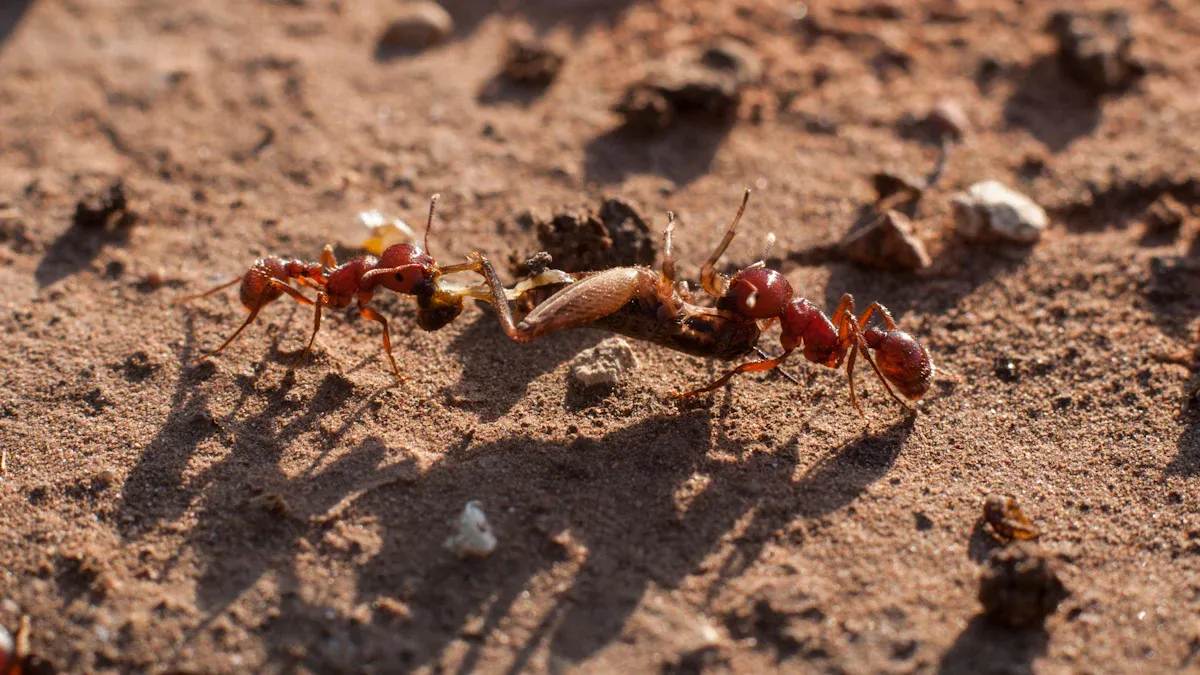
Stepping on a fire ant nest causes instant panic and intense pain. You must act quickly. Annually, five million fire ant stings are reported. In the Southern United States, up to 40% of the population experiences fire ant stings each year. Every individual stung by fire ants will experience sharp localized pain and itchiness. Approximately 98% of people stung by fire ants will develop painful pustules from these ant bites. This guide provides clear, actionable steps for first aid, symptom identification, and treating painful ant stings. You will learn about immediate reactions to fire ant bites and when to seek medical attention. Understanding proper treatment helps when an emergency situation arises from a fire ant sting.
Key Takeaways
Move away from the fire ant nest fast. Brush all ants off your body quickly to avoid more stings.
Clean the sting area with soap and water. Use cold packs and over-the-counter creams to help with pain and itching.
Watch for serious signs like trouble breathing or swelling all over your body. Get medical help right away if these happen.
Do not pop the blisters that form. This helps stop infections and scars.
Learn to spot fire ant mounds and keep your yard clean. This helps you avoid getting stung.
Immediate Actions for Fire Ant Stings
When you step on a fire ant nest, your first reaction is often panic. You must act quickly. Your immediate actions can greatly reduce the number of stings and the severity of your reaction.
Move Away Quickly
You must move away quickly from the fire ant nest. Fire ants are aggressive. They swarm out of their mound to defend it. The longer you stay, the more ants will crawl onto you. More ants mean more painful stings. Get away from the nest as fast as you can.
Brush Off Ants Safely
After you move away from the nest, you need to remove the ants from your body. Brush them off your skin with a fast motion. Do not try to shake them off or rinse them off. Shaking or rinsing does not work. These tiny insects cling tightly to your skin. Water can even make them spread. Use your hands or a piece of cloth to sweep them away. Make sure you remove all the ant bites quickly. Check your clothing and shoes for any hidden ants.
Assess Sting Severity
After you remove the ants, assess the severity of your fire ant stings. You will see different types of reactions.
Normal reactions: A normal reaction to a fire ant sting includes immediate pain and burning. You will see a hive-like bump. Blisters will develop into pustules within 24 hours. Redness will appear. All these symptoms stay at the sting site.
Large local reactions: These reactions involve severe swelling. This swelling might impede function if it crosses a joint, like your wrist or ankle. It can also affect an area larger than 10 centimeters around the sting site.
Serious allergic reactions (anaphylaxis): These are systemic reactions. They affect your whole body. Symptoms include itching and hives beyond the sting site. You might experience swelling of the throat or tongue. Difficulty breathing, flushing, dizziness, stomach cramps, nausea, or diarrhea can occur. A rapid fall in blood pressure, shock, and loss of consciousness are also signs. These are severe ant bites.
You must seek immediate medical attention for certain fire ant bites.
Call 911 Now: Call 911 if you have a history of severe allergic reaction and the sting happened less than two hours ago. Also call if you have symptoms like wheezing, trouble breathing, hoarseness, throat tightness, slurred speech, confusion, or loss of consciousness.
Go to ER Now: Go to the emergency room if hives or swelling are present all over your body.
Call Doctor or Seek Care Now: Call your doctor or seek care for stings inside your mouth or on your eye. Do this for stomach pain or vomiting. Seek care for multiple stings in young children. For example, 20 or more stings for infants under one year, 5 or more stings for newborns, or more than 5 stings per 10 pounds of weight. Also, seek care for signs of infection, such as fever and spreading redness.
Identifying Fire Ant Stings
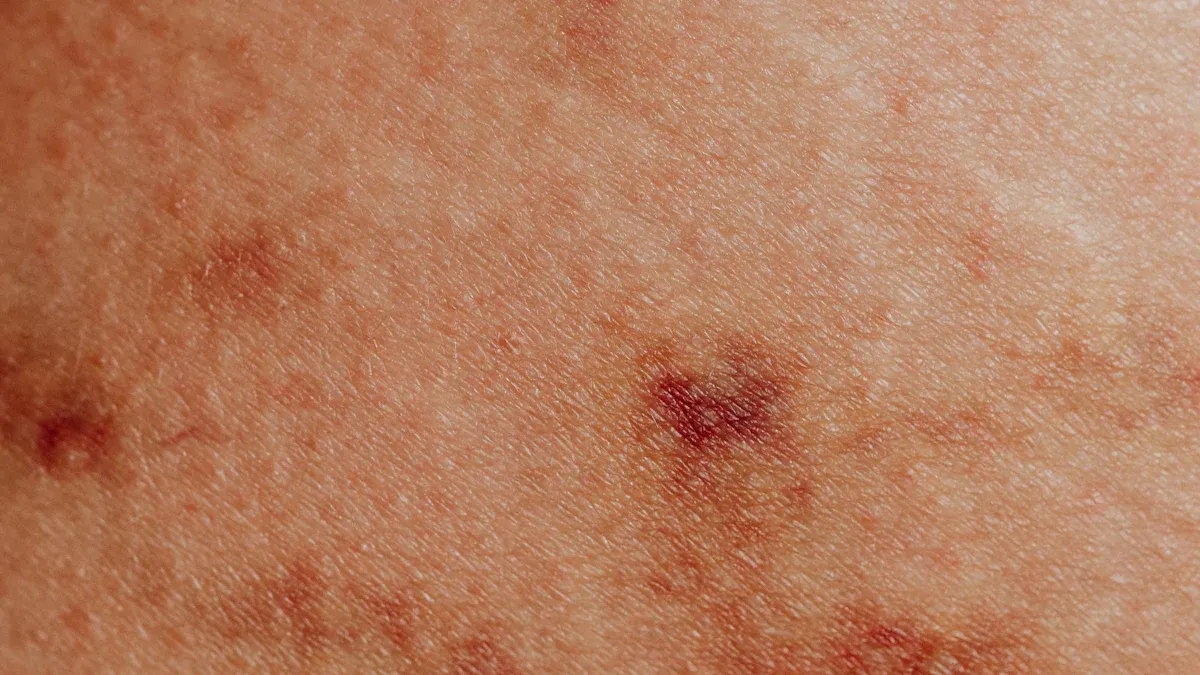
Understanding what fire ant stings look like and feel like helps you manage the situation. You can recognize these specific signs and symptoms.
Visual Signs of Fire Ant Stings
You will notice distinct visual signs from fire ant attacks. The mark resembles a pimple. This mark is red to purple and elevated. Fire ant stings specifically form a pus-filled blister. Sometimes, a dark red circle appears around it, looking like a bullseye. These often appear in clusters. This happens because fire ants attack in groups. They are aggressive. They latch onto your skin with their jaws. Then, they repeatedly sting you while pivoting. This delivers multiple injections of venom. Initially, you might see itchy bumps or welts. These often appear in circular or semicircular patterns. Within about an hour, these bumps develop into blisters. These blisters can form rapidly, sometimes within 20 minutes.
Initial Symptoms of Fire Ant Stings
You will feel immediate discomfort from fire ant bites. A fire ant sting often begins with an intense pinching or burning pain. This sensation is short-lived. It usually lasts from seconds to a few minutes. You will experience a burning or stinging sensation. This is due to the venom. The stings cause itchy welts. These welts often appear in a circular pattern. This initial pain is quite sharp. These are common ant sting symptoms.
Delayed Symptoms and Pustules
The appearance of these stings changes over time. After several hours, the initial bumps develop into blisters. Approximately a day later, these blisters become filled with a yellow or white pus-like fluid. These are called pustules. These raised white pustules are a unique reaction to fire ant venom. They typically develop within about 24 hours. They can persist for many days, even up to a week or more. Within 24 hours, a pustule forms at each sting site. It is surrounded by a deep red halo. These pustules contain yellowish fluid and resemble pimples. They usually open on their own by three days. They can sometimes persist for up to a week. While these pustules are usually sterile, they can become infected if you break the skin. This can lead to further skin irritation. These ant bites can leave scars.
First Aid for Fire Ant Stings
After the initial shock of fire ant bites, you need to focus on proper first aid. Quick and correct actions can reduce discomfort and prevent complications. This section guides you through effective steps for treating painful ant stings.
Clean the Affected Area
The first step in treating fire ant stings is to clean the affected area thoroughly. You should gently wash the stung area with soap and water. This helps remove any remaining venom and reduces the risk of infection. If ants are still present, carefully pick them off by hand. Brushing them off can make them more aggressive. Spraying them with water may cause them to latch on more tightly.
Managing Swelling and Pain
You will likely experience swelling and intense pain from the ant bites. You can manage these symptoms effectively. Apply a cold compress to the affected area. This helps reduce swelling and pain. Use ice packs or cold compresses for 15 minutes on, then 15 minutes off. Avoid direct ice contact with your skin. You can also elevate the affected body part to reduce swelling. Do not squeeze or pop the blisters. This prevents infection or scarring. If you have a known allergy to insect stings or experience allergic symptoms like rapid flushing, general hives, or swelling of the face, eyes, or throat, seek medical attention immediately.
OTC Relief for Itching and Discomfort
Over-the-counter (OTC) medications offer significant relief for the itching and discomfort of fire ant stings. For itching, you can take oral antihistamines like diphenhydramine or cetirizine. These help reduce allergic reactions. You can also apply antihistamine creams or lotions directly to the sting sites. Hydrocortisone creams or calamine lotion are also effective for relieving itchiness and promoting healing. Apply 0.5-1% hydrocortisone cream twice daily for rash and itchiness. Fire-Out is an over-the-counter treatment specifically designed for fire ant bites. Its concentrated formula contains Benzocaine and Menthol. This provides maximum strength relief for both pain and itching. Nonprescription pain relievers can help reduce inflammation. If blisters break, wash them with soap and water. Then apply triple antibiotic ointment to prevent infection.
Simple Home Remedies
Several simple home remedies can also soothe the skin irritation and discomfort from a fire ant sting.
Aloe Vera: Apply aloe vera for immediate cooling and relief from burning sensations. You can use it in its natural form or as a commercial gel.
Baking Soda: Make a thick paste with baking soda and water. This can draw out inflammation and redness.
Oatmeal Baths: Take an oatmeal bath to soothe widespread itchiness.
Cucumber: Place cucumber slices on the affected area. This offers a soothing and cooling sensation.
Vinegar: Mix vinegar with water (1:1 ratio) and apply it. Vinegar has anti-microbial and anti-bacterial properties.
Honey: Honey also has anti-microbial and anti-bacterial properties. It can help prevent infections.
Remember, if pain and itching persist for several days, or if you notice swelling or spreading redness, consult a healthcare provider. They might suggest hydrocortisone injections or prescription hydrocortisone creams. Infected stings may require antibiotics.
Severe Reactions: When to Seek Help
Most fire ant stings cause local reactions. However, some people experience severe allergic reactions to ant bites. You must recognize these serious signs. Knowing when to seek medical attention can save a life.
Anaphylaxis: Severe Allergic Reactions to Ant Bites
Anaphylaxis is a severe, life-threatening allergic reaction. It can happen after fire ant bites. Surveys show that 0.6% to 16% of stung individuals experience anaphylaxis. Over 80 deaths link to fire ant-induced anaphylaxis. You might experience itching or hives. Swelling in your throat or tongue can occur. You may have difficulty breathing. Other symptoms of an allergic reaction include dizziness, stomach cramps, nausea, or diarrhea. In extreme cases, your blood pressure can drop quickly. You might go into shock or lose consciousness. These symptoms require emergency medical treatment.
Emergency Situations
Certain situations demand immediate emergency medical attention. If you have a known severe allergy, use your epinephrine auto-injector (EAI) right away. Then, call 911 and go to the nearest emergency facility. This applies at the first sign of anaphylaxis. If a sting causes severe chest pain, nausea, heavy sweating, loss of breath, serious swelling, or slurred speech, you need emergency medical care. Individuals with heart conditions or diabetes can face serious medical problems from even one sting. Seek medical attention immediately if you experience any of these severe symptoms.
Other Urgent Symptoms
You should also seek medical attention for other urgent symptoms. Watch for spreading blisters or swelling of your lips, eyelids, or tongue. A racing heart or struggling to breathe are critical indicators. These signs suggest a life-threatening condition. If you have difficulty breathing, widespread swelling or hives, vomiting, abdominal pain, or severe itching, get medical attention. Other urgent symptoms include hoarseness, throat tightness, trouble swallowing, slurred speech, or confusion. If you faint or feel too weak to stand, seek medical attention. Stings inside your mouth or on your eye also need medical evaluation. For young children, many ant bites can be serious. For example, 20 or more stings for infants under one year, or more than 5 stings per 10 pounds of weight. Fever with spreading redness at the sting site also requires medical attention.
Treating Painful Ant Stings: Medical Care
Sometimes, home remedies are not enough for treating painful ant stings. You might need professional medical care. This is especially true for severe reactions or persistent symptoms.
Prescription Treatments
For severe allergic reactions, medical professionals provide specific treatments. If you have a history of anaphylaxis, you must carry an epinephrine auto-injector (EpiPen). This device delivers epinephrine (adrenaline). It stabilizes breathing and blood pressure during an emergency. Epinephrine is the first-line medical treatment for severe allergic reactions. You should administer it promptly. Delayed use can be dangerous. After using your auto-injector, call 911 immediately. Seek medical attention at an emergency room for further observation. For long-term prevention, allergists offer Whole Body Extract Immunotherapy. This treatment reduces your sensitivity to fire ant venom. It prevents future severe allergic reactions.
Addressing Secondary Infections
Fire ant bites often form white, fluid-filled pustules. These pustules can become infected if you break the skin, for example, by scratching. Bacteria can enter the wound. This leads to a secondary bacterial infection. This infection sometimes requires extended medical care. Your doctor might prescribe antibiotics to treat it. Preventing infection is key. Do not scratch or pop the pustules.
Post-Treatment Care
After receiving medical treatment for ant bites, follow your doctor’s instructions carefully. This might include continuing oral medications or applying topical creams. Keep the sting sites clean and dry. Watch for any signs of worsening infection or new symptoms. Proper post-treatment care helps you heal faster. It also prevents complications.
When At-Home Treatments Fail
If your at-home treatments do not relieve the intense pain, swelling, or itching, you should seek medical attention. Persistent symptoms or worsening conditions indicate a need for professional help. Do not delay seeking medical advice. A healthcare professional can assess your condition. They can provide effective treatment for ant bites. This ensures proper healing and prevents further issues from fire ant bites.
Preventing Fire Ant Stings
You can take steps to avoid painful fire ant stings. Prevention is always better than treatment. Knowing how to spot their nests and protect your outdoor spaces helps you stay safe.
Spotting Fire Ant Mounds
You must learn to identify fire ant mounds. These mounds can grow quite large. They often reach up to eighteen inches tall and thirty inches across. You will notice they do not have entrance holes on top. Fire ants build these mounds in sunny, open areas. Always observe your yard carefully. Eliminate any threats as they appear. Avoid walking near these mounds. This prevents accidental ant bites.
Outdoor Protection Tips
You can make your yard less appealing to fire ants. Maintain your lawn by mowing regularly. Remove leaf litter, fallen branches, and excess mulch. Ants like to nest in these areas. Eliminate food sources. Keep outdoor areas clean of trash, spilled pet food, and sugary substances. Improve drainage in your yard. Fire ants prefer damp soil. You can also apply fire ant killer to your lawn, flower garden, and home perimeter. This provides season-long control. Use fire ant killer specifically for mounds to treat individual troublesome mounds. This helps prevent a painful sting.
Professional Pest Control
Sometimes, you need expert help. Consider professional pest control for effective baiting strategies. These strategies target queen ants. Professionals offer long-term solutions. They also provide guaranteed results against re-infestation. This ensures your yard remains free from fire ant bites.
You now understand how to handle fire ant stings. Remember to act quickly and calmly. Brush off ants immediately. Recognize the symptoms of fire ant bites. Apply effective first aid to manage the pain. Always monitor for severe reactions. If you experience serious symptoms, you must seek medical attention. Your preparedness helps you manage any future ant bites with confidence. Prevention is key to avoiding these painful encounters.
FAQ
What exactly are fire ants?
Fire ants are aggressive insects. They deliver painful stings. You find them in large mounds, especially in sunny areas. Their venom causes burning pain and unique pustules. They defend their nests fiercely.
What should you do immediately after a fire ant sting?
Move away from the nest quickly. Brush all ants off your body. Then, wash the stung area with soap and water. This helps prevent more stings and reduces infection risk.
What do fire ant stings look like?
Fire ant stings first appear as red, itchy bumps. Within a day, these bumps turn into unique white or yellow pus-filled blisters, called pustules. They often form in clusters or patterns. Do not pop them.
What is anaphylaxis from fire ant stings?
Anaphylaxis is a severe, life-threatening allergic reaction. Your body reacts strongly to the venom. You might experience difficulty breathing, swelling in your throat, or dizziness. Seek emergency medical help immediately if this happens.
