


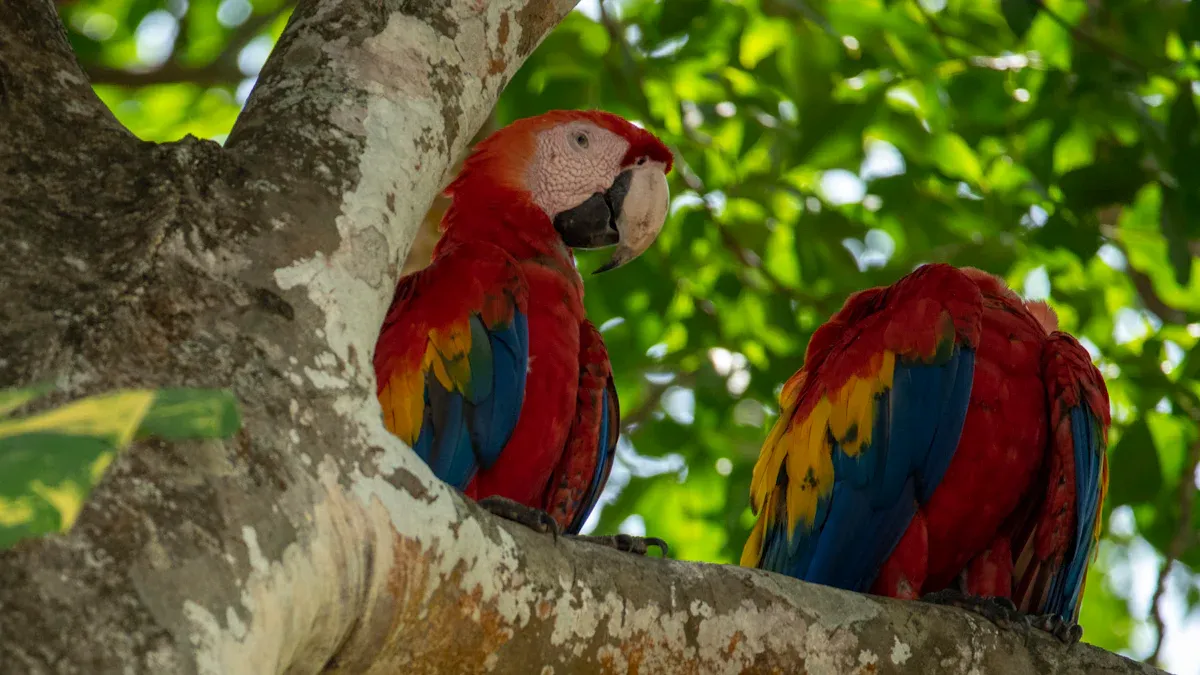
Colombia holds the undisputed title as the world’s richest country for Colombia Birds. It boasts over 1,900 bird species, representing nearly 20 percent of all bird species on Earth. Colombia is one of the 17 Megadiverse countries, holding 10% of global biodiversity. This exceptional bird diversity comes from its extraordinary geography, including the Andes, Amazon, coasts, and plains. These create diverse habitats and microclimates. Birding in incredible Colombia offers a unique chance to see an unparalleled spectrum of birds found nowhere else. This makes it an unmissable destination for serious birding and bird-watching.
Key Takeaways
Colombia has the most bird species in the world. Its diverse lands, like the Andes and Amazon, create many homes for birds.
Many birds in Colombia live only there. These include colorful hummingbirds and the large Andean Condor.
Plan your birding trip during the dry season. Pack light clothes and good shoes. Bring bird guides to help you.
Visit places like Sierra Nevada de Santa Marta or Otún Quimbaya Sanctuary. These spots offer unique bird-watching chances.
Protect Colombia’s birds by birding ethically. Stay on paths, do not disturb birds, and support local efforts.
Geographic Factors for Colombia’s Exceptional Bird Diversity
Colombia’s unique geography creates many microclimates. These diverse environments support an unparalleled variety of avian life. Colombia is home to approximately 1,966 bird species, the highest number globally per surface area. Its tropical location, two ocean coasts, and four mountain ranges, including the Andes, contribute to this richness. This makes for excellent birding opportunities for Colombia birds.
Andes Mountains: A Biodiversity Hotspot
The three ranges of the Andes Mountains in Colombia form a biodiversity hotspot. These high-altitude regions offer unique habitats. Many specific bird species thrive here. For example, the Multicolored Tanager, a vibrant bird with red, yellow, blue, and green plumage, lives in the Western and Central Andes. The Gray-breasted Mountain Toucan inhabits high Andean cloud forests. The Buffy Helmetcrest, a striking hummingbird, lives in paramo ecosystems. Other notable species include the Yellow-eared Parrot and the Gold-ringed Tanager.
Amazon and Chocó Bioregions: Untamed Wilderness
Colombia’s Amazon rainforest and Chocó biogeographic region are vast, untamed wildernesses. These areas hold distinct and often endemic bird populations. The Chocó region, including Solano Bay and Utría Cove National Park, boasts the highest number of species per square meter globally. It supports almost 800 avian species year-round. Characteristic birds here include the Long-wattled Umbrellabird and the Gold-ringed Tanager. The Amazon, with Amacayacú National Park, hosts over half of Colombia’s known bird species. This includes 20 different parrot species, antbirds, and macaws.
Coastal and Wetland Habitats: Migratory and Aquatic Birds
Colombia’s extensive coastlines and wetlands provide crucial habitats for migratory and aquatic birds. La Florida park near Bogotá, a wetland reserve, supports about 75 bird species like the Bogotá rail. The San Andrés and Providencia archipelago, part of the Seaflower Biosphere Reserve, features mangroves. This area serves as a route for migratory birds and hosts native species like the San Andrés vireo. Many duck species use these wetlands. These include the White-faced Whistling-duck, Black-bellied Whistling-duck, and Fulvous Whistling-duck. The Lesser Scaup, a migratory species, winters in Colombia’s coastal areas and river basins, offering great bird-watching. For serious birding, these areas are essential.
Iconic and Endemic Birds of Colombia
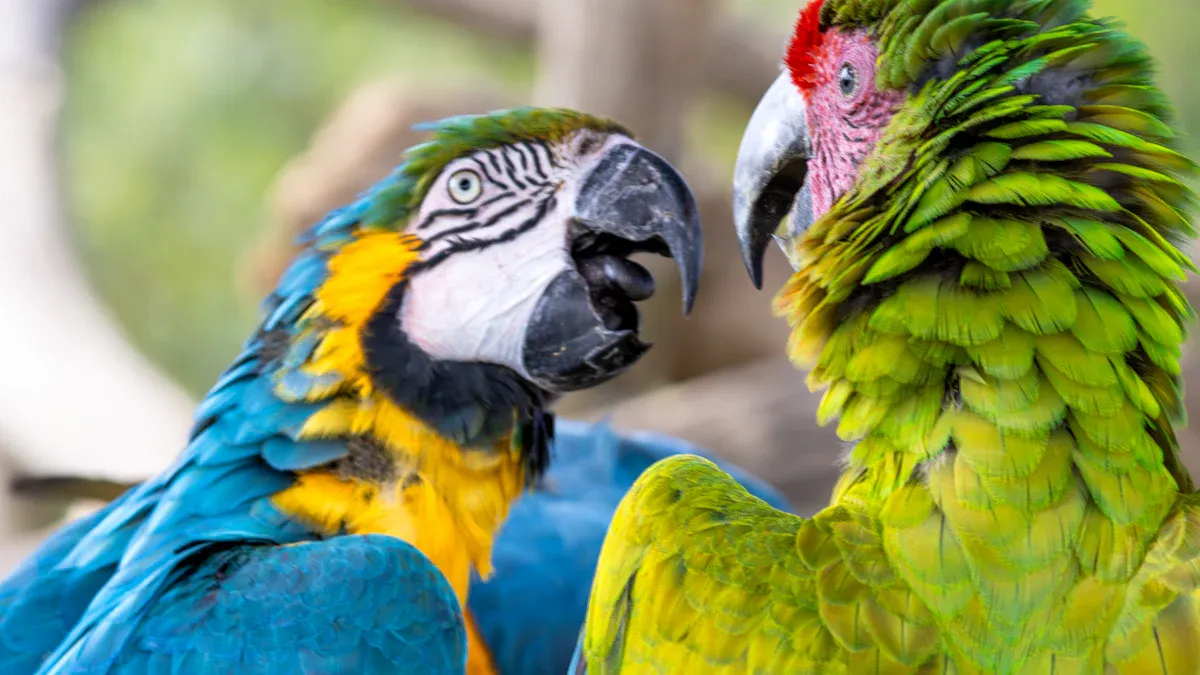
Colombia’s rich avian tapestry features many iconic and endemic bird species. These birds showcase unique adaptations, stunning beauty, and rarity. Their specific habitats are crucial for their survival.
Spectacular Hummingbirds: Jewels of the Andes
Hummingbirds are true jewels of the Andes. These tiny, iridescent birds captivate observers with their rapid wingbeats and vibrant colors. The Colombian Andes host several remarkable hummingbird species. The Longuemare’s Sunangel, for example, lives in Colombia’s Eastern Andes. It displays vivid violet and emerald plumage with a glowing throat patch. The Black-Tailed Trainbearer is another striking species. It lives in Bogotá savannas and along the Eastern Andes. This bird has long, elegant tail feathers, sometimes three times its body length.
High-altitude páramo ecosystems are home to the Buffy Helmetcrest. This Colombian endemic features a striking golden crest and a fuzzy, beard-like tuft. Another endemic, the Green Bearded Helmetcrest, also lives in high-altitude páramos of the Eastern and Central Andes. It has a brilliant green beard and a helmet-like crest. The Copper-Bellied Puffleg, found in cloud forests of the Eastern Andes, is endemic to Colombia and Venezuela. It stands out with its copper-colored belly and fluffy white leg ‘puffs’. These hummingbirds are a highlight for any bird-watching enthusiast.
Andean Condor: Majestic Symbol
The Andean Condor is a majestic symbol for several South American countries, including Colombia. It holds the distinction of being Colombia’s national bird. Andean cultures have revered this bird since pre-Columbian times. They admired its size and majestic flight. Its name ‘condor’ comes from the Quechua word ‘Kuntur’, meaning vulture. This species boasts the largest wingspan among raptors, reaching 3.5 meters. It is also the heaviest flying raptor, weighing up to 15 kg.
Despite its grandeur, the Andean Condor faces significant threats. It is classified as ‘Critically Endangered’ in Colombia. Only about 200 individuals are recorded in the country. Its conservation status reflects increasing vulnerability due to ecological, cultural, and spiritual factors. Protecting this magnificent bird is a vital conservation effort.
Endemic Wonders: Birds Found Only in Colombia
Colombia is a treasure trove of unique bird species. The country boasts 79 endemic bird species. These birds live nowhere else on Earth. This makes them incredibly special for birding.
Some notable endemic birds include the Santa Marta Parakeet, found only in the Sierra Nevada de Santa Marta. The Gold-ringed Tanager lives in the West Andes. The Yellow-eared Parrot is found in a few locations in the Colombian Andes. The Multicolored Tanager, with its vibrant plumage, also lives in the West and Central Andes. Other unique species include the Cauca Guan, the Blue-billed Curassow, and the Bogota Rail. The San Andres Vireo is another endemic, found exclusively on the island of San Andrés. These endemic birds highlight Colombia’s unparalleled biodiversity.
Colorful Tanagers and Cotingas: A Visual Feast
Colombia’s forests burst with color from its tanagers and cotingas. These birds offer a visual feast for any observer. The Andean Cock-of-the-Rock is a spectacular species. Males display vibrant orange plumage, a large crest, and perform elaborate courtship displays. Females have darker, browner feathers. The Red-ruffed Fruitcrow is another visually impressive bird, considered a genuine highlight for birders.
The Multicolored Tanager is celebrated for its vibrant and diverse plumage. It features a brilliant mix of green, blue, yellow, and orange. Males are particularly colorful with a bright green body, a yellow face, a blue crown, and a reddish-orange throat and chest. This endemic bird is a ‘crown jewel’ of South American avifauna. Other stunning birds include the Collared Trogon, with its deep green back and bright red belly. The Highland Motmot has a distinctive racket-like tail. The Red and Green Macaw displays vibrant red and green plumage. The Golden-headed Quetzal, found in cloud forests, has a brilliant golden head and green-blue plumage. These birds make Colombia an unforgettable destination for bird-watching.
Planning Your Colombia Birding Trip: Top Destinations
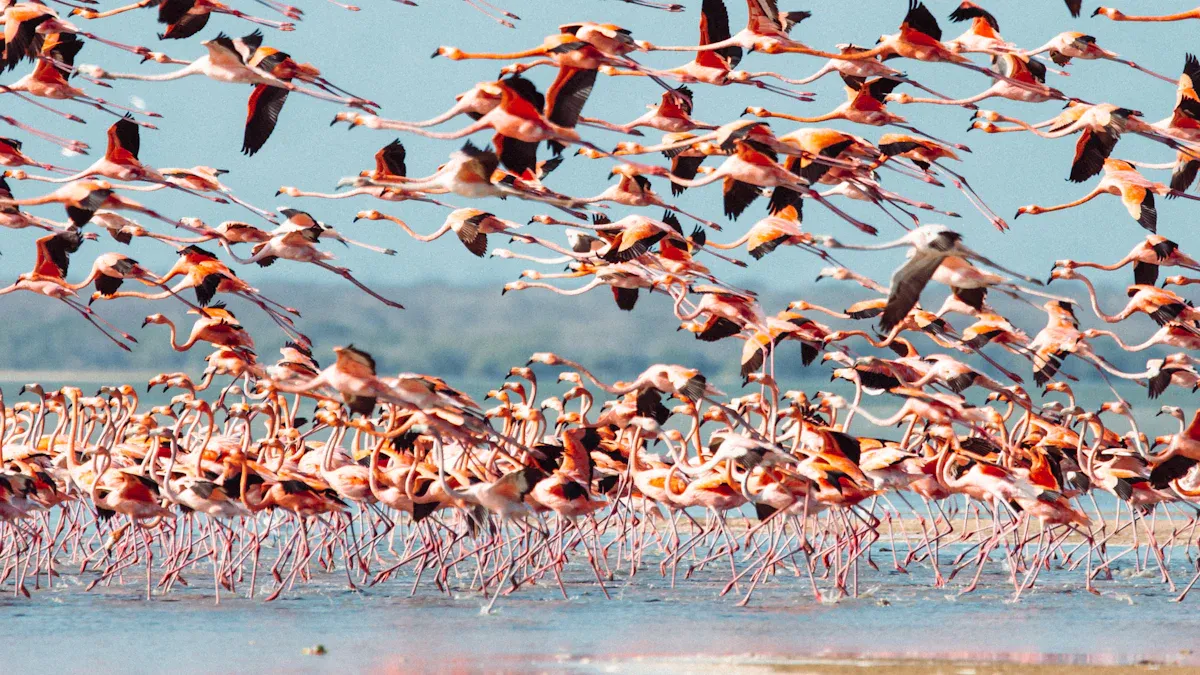
Planning a colombia birding trip offers an incredible birding experience. Colombia’s diverse landscapes mean different regions have different best times to visit. Generally, the dry season is best for birding. This usually runs from January to March and again from June to September. For the Andes, the driest months are December to March and July to August. The Guajira region, known for flamingos, is best during its dry season when shrimp are plentiful.
When you plan your trip, consider what to pack. Bring lightweight, quick-drying clothes. Waterproof gear like a jacket, poncho, and umbrella are essential. Pack extra socks and warm clothes for high-Andean areas. Do not forget a hat, good hiking shoes, and rubber boots for some wet areas. Mosquito repellent, waterproof sunscreen, and electrical adapters are also important. Prepare for your trip by studying. Use bird guides like ‘Birds of Colombia’ by Steven Hilty or field guides by Miles McMullan or Fernando Ayerbe. The Merlin app with the Colombia pack is also a helpful tool for identifying birds and their calls. If you plan independent birding, consult ‘Birdwatching in Colombia’ by Jurgen Beckers and Pablo Florez. Always tell your bank about your travel plans. Plan your route with extra days for unexpected delays. Be ready to hire local guides when needed.
Sierra Nevada de Santa Marta: Endemic Hotspot
The Sierra Nevada de Santa Marta is a unique mountain range. It stands alone, separate from the Andes. This isolation has created many unique bird species. It is a top spot for ecotourism and a must-visit for any birding and photography tour. The Sierra Nevada de Santa Marta is home to many birds found nowhere else. These include the Santa Marta Parakeet, Santa Marta Screech-Owl, and Santa Marta Antpitta. You can also find the Santa Marta Mountain-Tanager, Santa Marta Warbler, Santa Marta Blossomcrown, and Santa Marta Woodstar here. Places like Minca and the San Lorenzo ridge, part of the El Dorado Nature Reserve, offer great opportunities. They support sustainable tourism. This helps protect these special birds and their homes in the Sierra Nevada de Santa Marta.
Otún Quimbaya Sanctuary: Cloud Forest Gems
The Otún Quimbaya Sanctuary is a jewel in Colombia’s cloud forests. This sanctuary offers a fantastic birding experience. Many beautiful birds live here. You can see the Cauca Guan, Hooded Antpitta, and Red-ruffed Fruitcrow. Other notable species include the Chestnut Wood Quail, Stiles’s Tapaculo, and Moustached Antpitta. Birdwatchers also find the Rufous-breasted Flycatcher, Golden-fronted Whitestart, and Three-striped Warbler.
The Russet-crowned Warbler and Canada Warbler also visit. Masked Trogons, Green Jays, and Andean Motmots add to the colorful display. Look for the Blue-naped Chlorophonia and Orange-bellied Euphonia. The Black-billed Mountain Toucan is a highlight. You might also spot the Chestnut-breasted Wren, Plumbeous-crowned Tyrannulet, and Marble-faced Bristle-Tyrant.
The Variegated Bristle-Tyrant, Glossy Flowerpiercer, and Masked Flowerpiercer complete the list of cloud forest gems. The sanctuary is also home to the Torrent Duck, Torrent Tyrannulet, and Black Phoebe. Seedeater species and Grassquit species are common.
The Bare-faced Ibis and Southern Lapwings are also present. Other unique birds include the Greyish Piculet, Multicolored Tanager, and Parker’s Antbird. The Bar-crested Antshrike, Montane Foliage-gleaner, and Golden-faced Tyrannulet are also here. The Crested Ant-tanager and Colombian Screech-Owl are special finds. You can also see the Spotted Barbtail, Chestnut-capped Brushfinch, and Ashy-headed Tyrannulet. The Sulphur-bellied Tyrannulet, Rusty-winged Barbtail, Moustached Puffbirds, and Andean Cock-of-the-Rock are also found. The Bronze-olive Pygmy-Tyrant adds to the diversity.
Los Llanos: Savanna Birdlife
Los Llanos is a vast savanna region in eastern Colombia. It offers a completely different birding landscape. This area is famous for its wetlands and grasslands. It attracts many waterbirds and raptors. A birding and photography tour here reveals species like the Horned Screamer. You can also see various whistling-ducks: White-faced, Black-bellied, and Fulvous. The Orinoco Goose and Brazilian Teal are also present. Look for the Cinnamon Teal and Rufous-vented Chachalaca. Iconic birds like the Jabiru stork, Yellow-headed caracara, and Whistling herons are common. The Scarlet ibis creates a stunning visual. Cattle egrets, Roseate spoonbills, and Green kingfishers are also abundant. Burrowing owls and Jacanas add to the unique savanna birds. The Cocoi heron is another large waterbird found here.
Chocó Bioregion: Pacific Coast Specialties
The Chocó Bioregion stretches along Colombia‘s Pacific coast. This area is a rainforest paradise. It boasts incredibly high biodiversity. It is a prime location for ecotourism and birdwatching and photography. The Chocó Daggerbill, a hummingbird, lives primarily in this region. It thrives in the lush rainforests of the Chocó Department. This bioregion extends from western Panama through Colombia to northwestern Ecuador. Many specialized bird species call this area home.
These include the Baudo Guan and Baudo Oropendola. You can find the Black-capped Pygmy-tyrant and Black-tipped Cotinga. The Blue Cotinga and Blue-whiskered Tanager are also present. Other unique birds include the Chocó Poorwill, Choco Syristes, and Choco Woodpecker. The Dusky Pigeon and Golden-collared Manakin are also here. Look for the Gray and Gold Tanager and Grey-headed Chachalaca. The Humbolt´s Sapphire and King vulture are also found. The Lemon-spectacled Tanager and Ocellated Antbird are special.
The Olive-backed Quail-Dove and Pacific Flatbill are also present. The Red-capped Manakin and Rose-faced Parrot add to the colorful array. The Rufous-winged Tanager, Sapayoa, and Scarlet and White Tanager are also here. The Scarlet-browed Tanager and Scarlet-thighed Dacnis are unique. The Sooty-capped Puffbird and Spot-crowned Barbet are also found. The Streak-chested Antpitta, Thicket Antpitta, and White-fronted Nunbird are present. The White-whiskered Puffbird and Yellow-eared Toucanet complete the list. The Zeledon’s Antbird is another specialty of this rich region.
Conservation for Colombia’s Birds
Protecting Avian Heritage
Colombia faces significant challenges in protecting its avian heritage. The country has almost 2,000 bird species, more than any other nation. However, 140 Colombian bird species are nationally listed as threatened. Habitat impacts cause most of these threats. Research shows that human activity increased in over 50% of 69 bird species’ distributions between 1970 and 2018. Nineteen of these 69 species were not yet listed as threatened. Forest-dwelling birds are especially vulnerable due to deforestation in the Andes-Amazon region. This rapid deforestation makes traditional field studies difficult.
Habitat transformation is the most serious threat to birds in Colombia. The expansion of agriculture, livestock, and aquaculture drives this transformation. These activities are not compatible with conservation efforts. Illegal crops and new road infrastructure also contribute to habitat loss. This affects forest birds and critically endangered species in wetlands and swamps.
Many national parks and protected areas are vital for bird conservation. Colombia has numerous Important Bird Areas (IBAs). Key sites include Río Blanco Nature Reserve and Otún Quimbaya Flora and Fauna Sanctuary in the Andes. Amacayacu National Park protects Amazonian birds. Tayrona National Park and Los Flamencos Flora and Fauna Sanctuary are important in the Caribbean.
Specific conservation programs are active. A National Conservation Action Plan exists for the Critically Endangered Blue-billed Curassow. This plan focuses on habitat protection, policy enforcement, research, and community engagement. Fundación ProAves also runs programs for endangered parrots and migratory birds. They create conservation corridors and protect habitats. They also conduct research and offer environmental education. These efforts are crucial for the conservation of Colombia’s unique birds.
Ethical Birding Practices
Ethical birding is essential for visitors to Colombia. It helps protect the birds and their habitats. First, respect birds. Observe them without causing disturbance. Avoid using playback or calls that stress them. Never handle or remove birds, nests, or eggs. Always prioritize the well-being of wildlife over getting a perfect photo.
Second, respect nature. Stay on designated trails. Do not litter; always carry out your waste. Use natural resources responsibly. Support conservation efforts whenever possible.
Third, respect people and culture. Honor local traditions and knowledge. Ask for permission before photographing people. Support local economies by buying products from local communities. Be a kind and humble guest.
Fourth, respect fellow birders. Share observation space fairly. Keep noise to a minimum. Offer help to beginners. Celebrate sightings together.
Finally, be a responsible traveler. Follow the guidance of professional guides. Comply with all wildlife and cultural heritage regulations. Reject wildlife trafficking. Lead by example to inspire ethical birding in others. This responsible approach ensures a positive birding experience for everyone.
Colombia stands as the world’s premier birding destination. Its unique geography and rich ecosystems create unparalleled avian diversity. This country offers an extraordinary spectrum of birdlife, including many endemic species. It makes an essential journey for any bird-watching enthusiast. Future generations depend on strong conservation efforts and responsible tourism to preserve this natural treasure. Ethical birding supports this vital conservation work.
FAQ
🐦 What is the best time to visit Colombia for birdwatching?
The dry season offers the best birdwatching. This usually runs from January to March and again from June to September. For the Andes, December to March and July to August are driest.
🗺️ Why does Colombia have so many bird species?
Colombia’s unique geography creates diverse habitats. The Andes Mountains, Amazon rainforest, Chocó region, and extensive coastlines all contribute. These varied environments support an unparalleled variety of avian life.
🦜 Does Colombia have many endemic bird species?
Yes, Colombia is a treasure trove of unique birds. The country boasts 79 endemic bird species. These birds live nowhere else on Earth. This makes them incredibly special for birding enthusiasts.
💚 How can birdwatchers help protect Colombia’s birds?
Birdwatchers can practice ethical birding. They should stay on trails and avoid disturbing birds. Supporting local conservation efforts and following guides’ advice also helps. Responsible tourism protects these natural treasures.
