


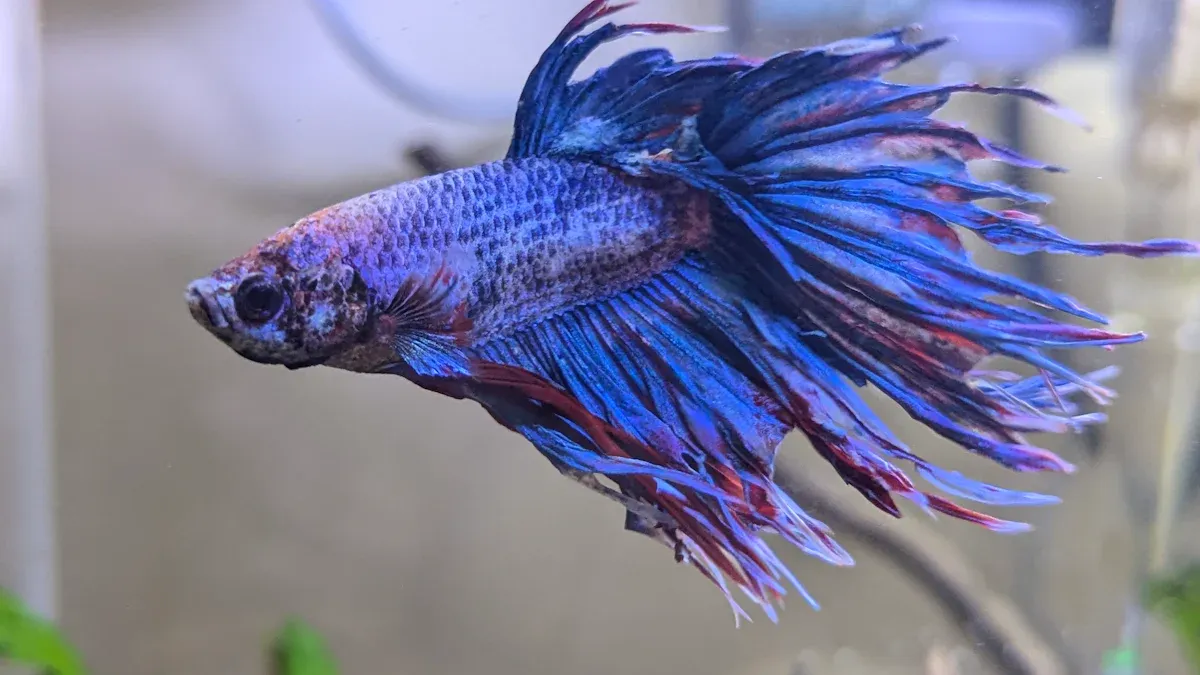
Betta fish are popular aquatic pets. People admire their vibrant colors and flowing fins. This species shows remarkable diversity. Many betta enthusiasts appreciate the different types of betta fish. Their stunning appearance makes each betta a captivating addition to any aquarium. The betta species offers a wide range of unique characteristics. This guide explores the fascinating world of betta fish, detailing various types based on fin, pattern, and color. It showcases 15 stunning betta fish varieties. These varieties help enthusiasts appreciate and choose their ideal betta. Discovering different types of betta fish will enhance your understanding.
Key Takeaways
Betta fish have many different fin shapes, colors, and patterns. These traits make each betta unique.
Fin types like Veiltail, Crowntail, and Halfmoon are important for telling bettas apart. Breeders create these different fin shapes.
Betta fish come in many colors and patterns. Genes control these colors, making some bettas very rare.
Choosing a betta means looking at its personality and care needs. Long fins need gentle water, and all bettas need good water quality.
Classifying Types of Betta Fish
Betta fish are commonly classified by their colors, patterns, and tail types. Fin shape is often the first characteristic noticed. It is a key differentiator among the many types of betta fish. Different types of betta fish show a wide range of physical traits.
Fin Types: The Primary Differentiator
Fin types are a major way to tell one betta from another. These fin types, such as veil tail, crown tail, and double tail, result from selective breeding. Breeders target specific genetic traits. For example, the double tail trait comes from a genetic mutation. This mutation causes the caudal fin to split. It creates its distinctive appearance. Understanding the genetic basis of these traits helps breeders predict fin shapes in offspring. Recent genomic studies have helped us understand the genetic architecture behind these fin shapes. These studies use high-quality reference genomes of both domesticated and wild betta species. This knowledge helps future breeding efforts.
Unique Betta Fish Colors and Patterns
Betta fish colors are incredibly diverse. They range from natural coloration to those from selective breeding. Natural betta fish colors include subdued greens, browns, grays, blues, and reds. Selective breeding has created many unique betta fish colors. These include vibrant colors like bright red, blue, green, yellow, purple, black, white, and gold.
Several genetic mutations create these unique betta fish colors. Blue color genes in the iridescent layer show incomplete dominance. They control blue coloration, including Turquoise, Royal Blue, and Steel Blue. The Spread Gene controls the density of iridescence. A ‘Full Spread’ leads to extensive blue or iridescence. The Opaque Gene lightens the betta and gives it a powdery look. This often links to steel blue coloration. The Dragonscale Gene produces thick, metallic-appearing scales. This often comes from cross-species breeding. The Copper Gene modifies the iridescent layer, showing copper colors. This is also a result of outcrossing to other betta species.
Common color patterns include butterfly, marble, and dragon scale. These patterns add to the betta’s beauty. Some of the rarest betta fish colors include pure white, true black, and certain shades of purple. These rare colors are highly sought after. The vast array of colors and color patterns makes each betta unique.
Exploring 15 Stunning Betta Varieties
Veiltail Betta
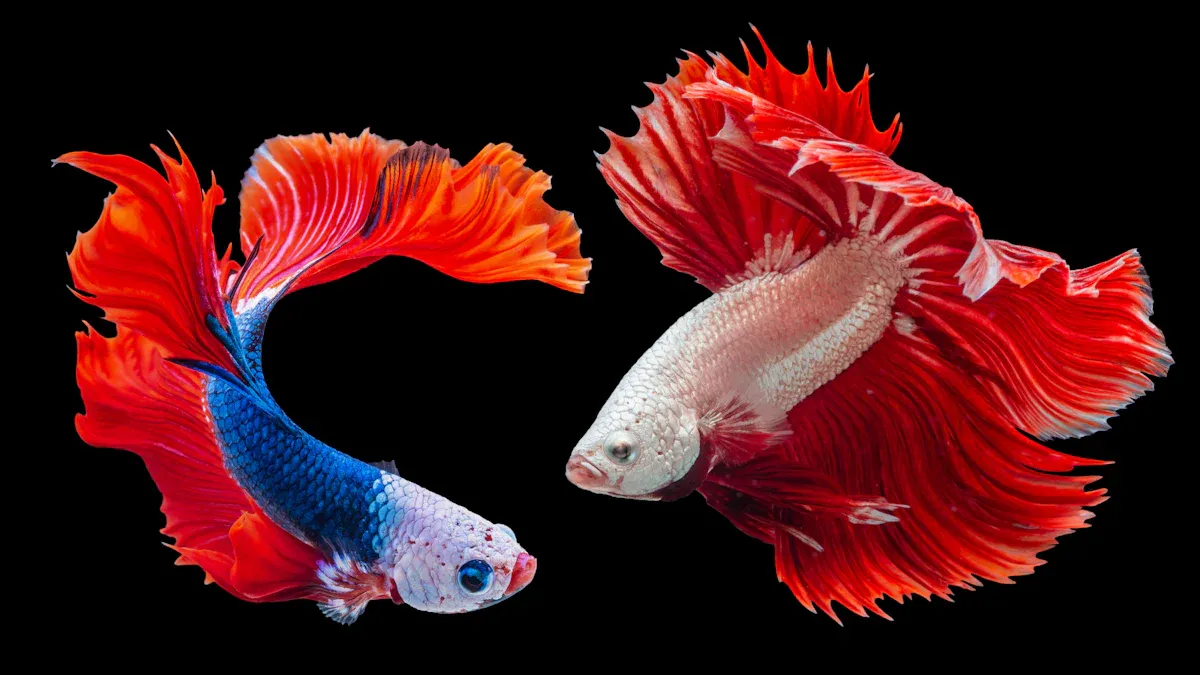
The Veiltail Betta is the most common type of betta. It has long, flowing fins that arch upwards and then gracefully drape downwards, resembling a veil. A German article first described this breed in 1927. This marked a shift in Betta breeding towards aesthetic beauty. An American breeder further developed the veiltail in the 1950s. They created a larger and longer-finned version. These betta fish colors often include vibrant red, blue, and green.
Care Considerations:
Gentle Decorations: Choose smooth tank decorations. These include logs, live plants, or silk fake plants. They prevent snagging their long fins.
Tank Mate Selection: Avoid brightly colored tank mates. Also avoid fish with long fins. This prevents aggression or bullying of the Veiltail Betta.
Crowntail Betta
Crowntail Bettas have spiky fins. The fin rays extend beyond the webbing, creating a crown-like appearance. This unique look makes them popular. They come in many colors, including red, blue, and black.
Halfmoon Betta
Halfmoon Bettas display a caudal fin that spreads 180 degrees, forming a perfect “D” shape. This dramatic fin type is very popular. They show a wide range of betta fish colors like red, blue, green, yellow, and white. Maintaining good water quality is crucial for their fin health. Poor water quality and high ammonia levels can cause fin rot.
Parameter | Ideal Range/Condition |
|---|---|
Temperature | 72-81°F (75°F average) |
Tank Size | Minimum 4 gallons |
Water Current | Little to no current |
General Hardness (GH) | 5-20 |
pH Level | 6.8-7.5 |
Tank Decor | Fragile plants, smooth rocks (no sharp edges) |
Water Quality | Good (poor quality and high ammonia lead to fin rot) |
Plakat Betta
Plakat Bettas have short, rounder fins. They resemble wild betta fish. These betta are more active and energetic. They are feisty and more aggressive than long-finned varieties. Breeders historically bred them for sport. Males are very territorial. They are aggressive towards other betta and fish with similar finnage. Plakat betta fish colors include red, blue, green, yellow, black, white, gold, and purple.
Double Tail Betta
Double Tail Bettas have two distinct caudal fins. A genetic mutation causes this unique trait. Their dorsal and anal fins are also often larger. This can sometimes make swimming more difficult for the betta. They come in various colors.
Delta Tail Betta
Delta Tail Bettas have a triangular caudal fin. It spreads less than 180 degrees. The tail is symmetrical. It has an equal amount of tail above and below the body’s middle. Webbing extends to the tail’s tip. These tail types are elegant.
Super Delta Betta
Super Delta Bettas have a wider triangular tail spread. It is almost 180 degrees. This is slightly less than a Halfmoon. Their tails are also symmetrical. They show no combing or crowning. These betta display many colors.
Rosetail Betta
Rosetail Bettas have extremely long fins. These fins frame most of their bodies. They have excessive branching, giving a rose-like appearance. This can make swimming difficult for the betta. Dense planting with broad-leaved plants provides resting spots. Adding tannins to the water can also benefit them.
Feather Tail Betta
Feather Tail Bettas are an extreme form of the Halfmoon. They have excessive branching and rays. They are prone to genetic mutations. These include blindness, scale issues, and tumors. These traits result from high half-moon breeding.
Spade Tail Betta
Spade Tail Bettas have a caudal fin shaped like a spade. It is wide at the base and narrows to a point. This type of betta originated from early hybridization. Betta smaragdina contributed to its metallic green-blue coloration.
Combtail Betta
Combtail Bettas have a slightly spiky appearance. Splits between each ray are visible. These splits extend at least a third from the base to the tip. This fringe effect must be present on all three unpaired fins.
Over-Halfmoon Betta
Over-Halfmoon Bettas have a caudal fin spread greater than 180 degrees. This creates an even more dramatic display than the Halfmoon. These betta fish colors are vibrant.
Giant Betta
Giant Bettas are larger than average. They reach 4 inches or more in length. Water quality, diet, and environment influence their size. They experience significant growth in early life. They reach full size by 6 to 7 months. These betta come in many colors, including red, blue, green, yellow, black, white, gold, and purple.
Koi Betta
Koi Bettas have a pattern resembling a koi carp. A specific marble gene causes this. This gene regulates color activation. Their genetic makeup often includes red, orange, and yellow. These colors are over a light background. For a true Koi, the pattern must be stable.
Half Sun Betta
Half Sun Bettas combine features from Halfmoon and Crowntail varieties. Their tails show a 180° fan when flared. They have slight crowning or combing along the fin’s rays. They have perfectly sharp spines sticking out from the tail tip. These betta fish colors are diverse.
Choosing Your Betta: Beyond Aesthetics

Selecting a betta involves more than just admiring its appearance. Enthusiasts must consider the individual betta’s temperament, its compatibility with tank mates, and its specific care needs. Understanding these factors ensures a healthy life for the betta.
Temperament and Tank Mates
Each betta possesses a unique personality. Some betta are calm, while others show significant aggression. Observing a betta’s behavior helps determine its suitability for a community tank. Stress indicators in a betta include erratic swimming, rapid breathing, and fading colors. Even a vibrant red betta can lose its intense hue when stressed. Other signs of stress are clamped fins, dark horizontal stress bars, and hiding. Any behavior that deviates from normal activity suggests a stressed betta. The array of betta colors is vast, but stress can dull even the brightest colors.
When choosing tank mates, select species that will not provoke the betta. Avoid fish with bright colors, especially red or blue, as these can trigger a betta’s territorial nature. Kuhli Loaches are docile and stay out of the betta’s way. Corydoras Catfish are non-aggressive bottom dwellers. Neon and Ember Tetras are shoaling fish; they group together, which deters territorial betta. Harlequin Rasboras are peaceful and prefer groups. Guppies are peaceful, but choose single-gender feeder guppies to avoid long-finned varieties. Clown Plecos are non-aggressive bottom feeders with thick skin. Female betta can coexist in sororities of 4-5 after establishing a pecking order. This careful selection prevents aggression and promotes a peaceful environment for your betta. The diverse colors of tank mates should not overshadow the betta.
Care Requirements Based on Type
A betta’s physical traits directly influence its care. Fin length impacts swimming ability and susceptibility to fin rot. Long-finned varieties, like Veiltail, Halfmoon, and Double Tail betta, struggle against strong water currents. They prefer gentle filtration. Shorter-finned betta, such as Plakats, can tolerate slightly more current. All betta types generally prefer less water flow than most other fish species. This gentle environment protects their delicate fins and promotes good health. Regular water changes and proper diet are also crucial for the betta’s overall health. The vibrant colors of a healthy betta, including brilliant red, are a joy to behold. Understanding these specific care needs ensures the well-being of your betta. A betta’s true colors, whether red, blue, or green, shine with proper care.
This guide explored many types of betta fish. Each betta shows unique beauty and vibrant colors. Their diverse colors make every betta special. Understanding these different types helps you appreciate each betta more. It also improves care for your betta. Many betta display stunning colors. A betta needs good care. Responsible ownership means learning about your betta. Continue to learn about these magnificent betta. Their amazing colors truly captivate. These betta colors are truly remarkable.
FAQ
What is the most common type of Betta fish?
The Veiltail Betta is the most common type. It features long, flowing fins that drape downwards like a veil. Many people recognize this variety. Its widespread availability makes it a popular choice for beginners.
What makes a Crowntail Betta unique?
Crowntail Bettas have distinctive spiky fins. The fin rays extend beyond the webbing. This creates a crown-like appearance. This unique fin structure sets them apart from other types.
What are the main differences between Plakat and long-finned Bettas?
Plakat Bettas have short, rounder fins. They are more active and aggressive. Long-finned varieties, like Halfmoons, possess elaborate, flowing fins. Their longer fins can make swimming more challenging.
What is a Koi Betta known for?
Koi Bettas are known for their unique color patterns. These patterns resemble those of Koi carp. They often display patches of red, orange, and yellow over a light background. A specific marble gene creates this look.