


Welcome, new aquarist! Keeping tropical fish offers a truly rewarding experience. This beginner’s guide simplifies the process, making it easy for you to start your own aquatic world. With the right knowledge, you achieve success and enjoy this beautiful hobby. You can embark on this exciting journey with confidence. Your new tropical fish await!
Key Takeaways
Set up your aquarium correctly. Choose the right tank size and location. Use essential equipment like a heater and filter.
Understand water chemistry and tank cycling. The nitrogen cycle makes your tank safe. Test your water often to keep fish healthy.
Choose hardy tropical fish for your first tank. Learn about fish compatibility. Do not put too many fish in your tank.
Feed your fish properly. Do not overfeed them. Change your water regularly. Clean your tank often.
Watch your fish for signs of sickness. Learn how to fix common problems. These include algae growth and bad water quality.
Setting Up Your First Aquarium
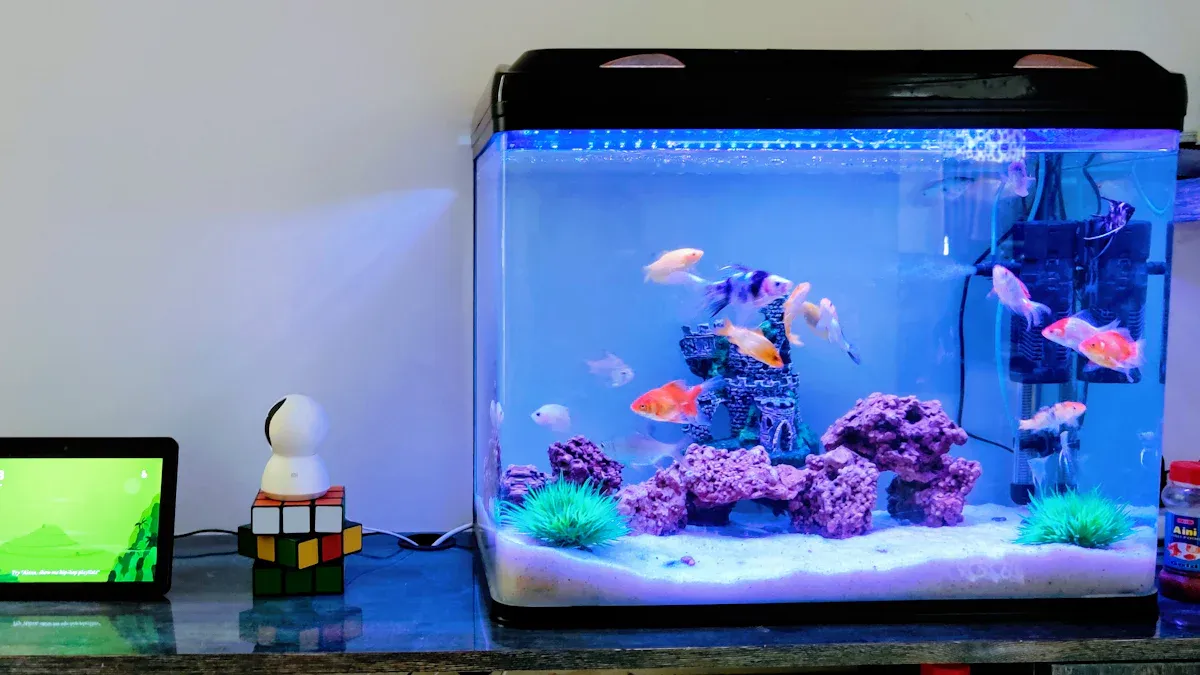
Setting up your first aquarium correctly lays the foundation for a thriving aquatic environment. You need essential fish tank items to ensure your fish stay healthy. The three most important items for a first fish tank are the tank itself, a heater, and a filtration system.
Choosing Tank Size & Location
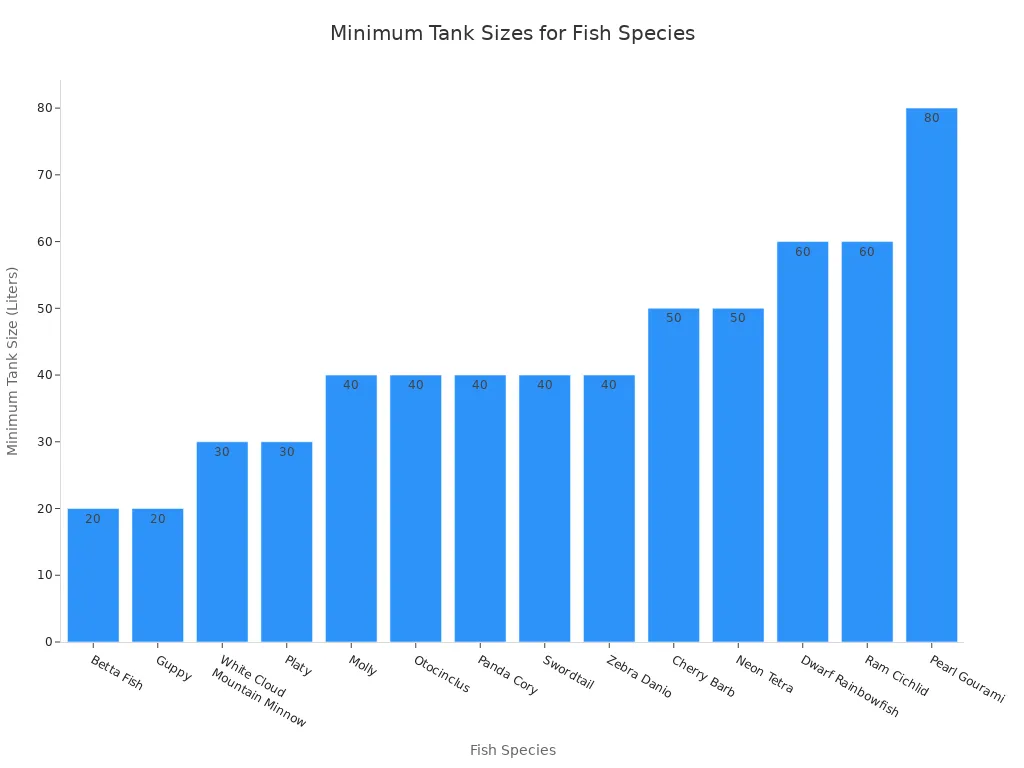
The size of your aquarium directly impacts the health and happiness of your fish. Larger tanks offer more stable water parameters and provide more swimming space. You should always choose the largest tank you can reasonably accommodate. Consider the adult size of the fish you plan to keep. Here is a guide for minimum tank sizes for common beginner tropical fish species:
Next, you must choose a safe location for your aquarium. Consider several safety factors when placing your tank:
Weight Distribution: An aquarium is very heavy. You need a solid, stable surface to prevent structural damage or tipping.
Electrical Safety: Water and electricity are a dangerous mix. Place your tank near outlets but use precautions. These include drip loops, GFCI outlets, and avoiding outlet overload. This prevents shocks or fires.
Water Damage Prevention: Your floor should resist water. Hardwood, laminate, or tile are good choices, not carpet. Tile pads or elevating the stand offer more protection against spills.
Avoiding Direct Sunlight: Direct sunlight can overheat the water. This stresses or kills fish. It also causes too much algae growth.
Emergency Access Paths: Keep clear paths around the tank. This allows for easy cleaning, maintenance, and emergency access.
Essential Aquarium Equipment
You need specific equipment to create a healthy home for your tropical fish. These items form the core of your aquarium basics.
First, you need the aquarium itself. Choose a tank size appropriate for your chosen fish.
Second, an aquarium heater is crucial for tropical species. These heaters maintain the warm, stable temperatures your fish need for their health. They heat water to a desired temperature, ensuring a consistent environment. Even small temperature changes can cause stress or illness, especially in colder rooms. Heaters help your fish digest food, grow, and reproduce well, usually at 24-25°C. They also prevent a weak immune system and reduce the risk of disease.
Third, a filtration system is vital. It keeps the water clean and healthy. Different types of filters exist:
HOB/Power Filter (Hang-On-Back)
AIO/Rear Filtration (All-In-One)
Canister Filter
Sump
Each type has its own mechanics and benefits. For aquarium beginners, HOB or AIO filters are often easiest to set up and maintain.
Substrate and Decor Selection
Substrate forms the bottom layer of your aquarium. It can be gravel, sand, or specialized plant substrate. Choose a substrate that suits your fish and any live plants you plan to add. Decor provides hiding places and visual interest for your fish. You can use rocks, driftwood, or artificial plants.
Always clean new decorations before putting them in your tank. This prevents introducing harmful substances or organisms.
Rinse new decorations with hot water.
You can use chlorinated tap water for rinsing new items.
Inspect decorations for snails or eggs. This prevents them from reproducing in your tank.
For new silk plants and ceramic rocks, a thorough rinse usually works.
For general cleaning, soak decorations in warm water. Gently scrub them with a soft brush to remove algae and debris. Avoid harsh chemicals to keep your aquatic environment safe. Plastic plants clean easily with a rinse and careful scrub. Resin ornaments can handle a slightly deeper clean. Regular gentle attention prevents buildup.
Initial Setup Steps
Follow these steps to set up your new aquarium:
Place the Tank: Put your empty tank on its stand in the chosen location. Make sure it is level.
Add Substrate: Rinse your chosen substrate thoroughly. Then, add it to the bottom of the tank. Create a slight slope from back to front for a natural look.
Install Equipment: Place your heater and filter in the tank according to their instructions. Do not plug them in yet.
Add Decor: Arrange your cleaned decorations. Create hiding spots and visual interest for your fish.
Fill with Water: Place a plate or plastic bag on the substrate. Pour dechlorinated water slowly onto it. This prevents disturbing the substrate. Fill the tank almost to the top.
Plug in Equipment: Now, plug in your heater and filter. Ensure they work correctly.
Start Cycling: Begin the tank cycling process. This is a crucial step for establishing beneficial bacteria. You will learn more about this in the next section.
Water Chemistry & Tank Cycling for Beginners
You have set up your new aquarium. Now you need to understand water chemistry and tank cycling. These are crucial steps for a healthy aquatic environment. Mastering these aquarium basics ensures your fish thrive.
Understanding Water Parameters
Water parameters are the chemical characteristics of your aquarium water. You must monitor these parameters to keep your fish healthy. Key parameters include temperature, pH, ammonia, nitrite, and nitrate.
Temperature is vital for tropical fish. For common beginner tropical fish species, the ideal water temperature range is between 72°F and 80°F. An optimal temperature of 78°F works best. Stable temperatures prevent stress and illness.
pH measures how acidic or alkaline your water is. A pH of 7.0 is neutral. Values below 7.0 are acidic, and values above 7.0 are alkaline. For most freshwater fish, including those in community tropical aquariums, a pH level between 6.5 and 8.0 is suitable. You should aim for a stable pH within this range.
Ammonia, nitrite, and nitrate are products of the nitrogen cycle. You will learn more about this cycle next. High levels of ammonia and nitrite are very toxic to fish. Nitrate is less harmful but still needs monitoring.
The Nitrogen Cycle Explained
The nitrogen cycle is a natural biological process. It converts toxic waste products into less harmful substances. This cycle is essential for any closed aquatic system like your aquarium. Beneficial bacteria perform this conversion.
Here are the specific roles of these beneficial bacteria:
Bacteria Type | Main Role |
|---|---|
Nitrifying (Nitrosomonas, Nitrobacter) | Convert ammonia to nitrite, then nitrate |
Denitrifying | Convert nitrate to nitrogen gas |
Heterotrophic | Break down organic waste |
The cycle begins when fish waste, uneaten food, and decaying plant matter produce ammonia. Ammonia is highly toxic. Then, Nitrosomonas bacteria oxidize this toxic ammonia into nitrite. Nitrite is also very harmful to fish. Next, Nitrobacter bacteria further oxidize nitrite into less harmful nitrate. Finally, denitrifying bacteria convert nitrate into nitrogen gas. This gas then escapes into the atmosphere.
High levels of ammonia and nitrite are dangerous to fish. You will see signs like rapid breathing and gasping at the surface. Fish may also lose their appetite. Snails might gather at the water’s surface. Sensitive species like Tetras and Corydoras get stressed easily.
Even hardy fish like goldfish and mollies can experience stress and long-term health harm from low levels (around 0.25 ppm) of ammonia or nitrites. Ammonia spikes cause gill damage, lethargy, and red gills. In severe cases, you might see skin lesions or frayed fins. Ultimately, critical toxicity levels can cause sudden death. Ammonia also stresses aquatic inhabitants, compromises their immune systems, and disrupts the biological equilibrium.
How to Cycle Your New Aquarium
Cycling your aquarium means establishing a colony of beneficial bacteria. These bacteria process waste products. A “fishless cycle” is the safest method for beginners. It avoids exposing fish to toxic ammonia and nitrite levels.
Here are the steps for performing a fishless cycle:
Fill the aquarium with water. Add chlorine conditioner as directed.
Start all filters. Do not add any fish.
Wait at least four weeks before adding fish.
Add a source of ammonia. You can use pure ammonia solution or add a small amount of fish food daily. The food will break down and produce ammonia.
Aerate the water well using air stones and an air pump.
Continue adding ammonia or food daily. This feeds the beneficial bacteria as they grow.
Test your water regularly. You will see ammonia levels rise, then nitrite levels rise, and finally nitrate levels rise as ammonia and nitrite fall.
Do not perform water changes during the cycling process unless ammonia or nitrite levels become extremely high and you are using a fish-in cycle (which we do not recommend for beginners). For a fishless cycle, just let the process continue.
The water may become cloudy or even green. This is normal. Continue adding ammonia or food.
The water will eventually turn clear. This indicates the filter is ‘cycled’. You can then add fish.
To accelerate the fishless cycling process, you can add used filter media from an established tank. This introduces beneficial bacteria directly. Ensure the media comes from a trusted source. You can also purchase bacterial additive products. These products contain live, nitrifying bacteria cultures. They can reduce cycling time to a few weeks.
You know your aquarium has successfully completed the nitrogen cycle when you see these signs:
0 ammonia levels
0 nitrite levels
Nitrate levels starting to spike (ideally 30-40 ppm)
The most reliable way to confirm a cycled tank is through water parameter testing. Biological signs alone are not sufficient. They should not replace testing.
Regular Water Testing
Regular water testing is a critical part of aquarium care. It helps you monitor water parameters and ensure your tank remains healthy. You can buy test kits that measure ammonia, nitrite, nitrate, and pH.
In a new aquarium, testing needs to be done more frequently. You closely monitor parameters like nitrite and ammonia. These are highly toxic to fish. Regular testing is crucial during the initial stages. The ecosystem establishes itself to prevent fish fatalities.
Here is the recommended frequency for testing aquarium water parameters in a new tank:
When setting up a new fish tank, frequently test the water daily. This ensures ammonia, nitrite, and nitrate levels do not get too high while the aquarium is cycling.
Once the results are consistently safe and repeatable, you can decrease testing to every three days.
Subsequently, reduce testing to once a week.
Eventually, testing can be decreased to once a month.
Always follow the instructions on your test kit carefully. Record your results. This helps you track changes over time. Consistent monitoring helps you maintain a stable and healthy environment for your fish.
Your Beginner’s Guide to Tropical Fish Selection
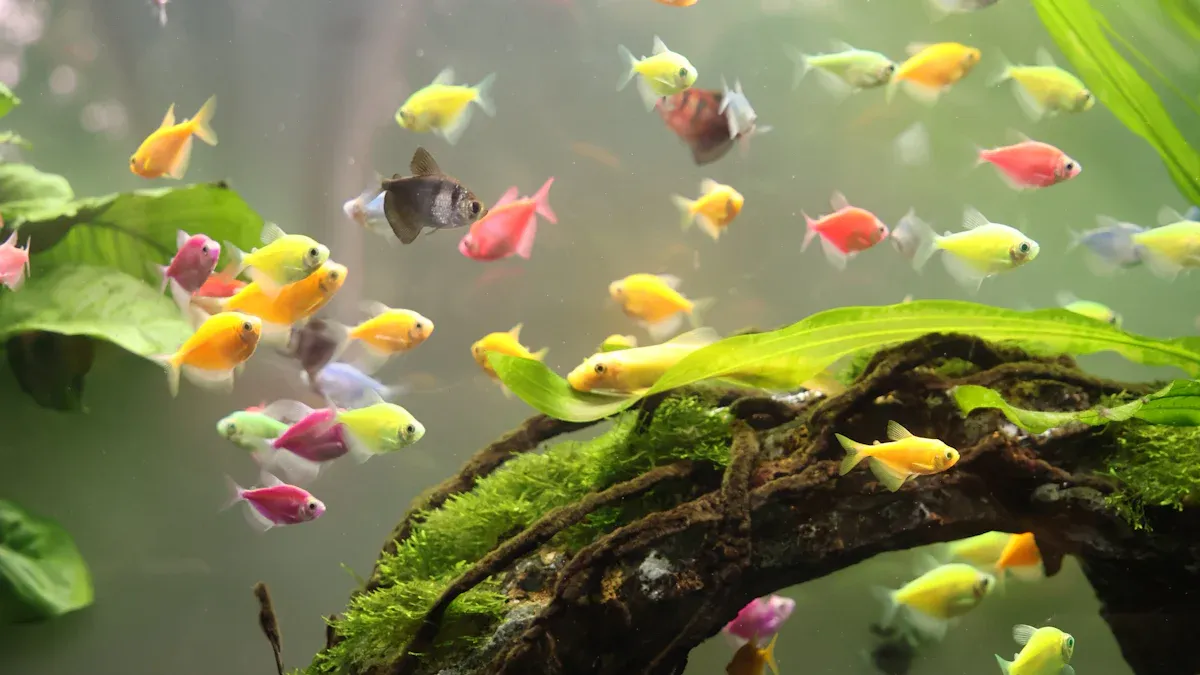
You have set up your aquarium and cycled it. Now you can choose your first tropical fish. Select active and healthy fish. Avoid overcrowding your aquarium for successful fish keeping.
Best Starter Tropical Fish
You want to choose hardy tropical fish for your first aquarium. These species tolerate beginner mistakes well. Consider these excellent choices:
Rasboras: These are peaceful nano fish. They grow to about two inches. Harlequin and lambchop rasboras are good examples.
Tetras: Many varieties exist, like neon and cardinal tetras. They are small schooling fish. They prefer neutral pH water.
Corydoras: These are peaceful bottom-dwellers. They grow one to three inches. Bronze and panda corys are popular.
Platies: These robust livebearers grow about three inches. They tolerate a wide pH range.
Betta Fish: Bettas have vivid colors. You can keep one alone in a five-gallon tank.
Fish Compatibility Basics
You must understand fish compatibility for a peaceful aquarium. Consider several factors. These include aquarium size and dimensions. The species, age, size, and gender of your fish also matter.
Fish Age and Size: Young fish adapt better. Keep fish of similar sizes to prevent predation.
Fish Gender: Males can be more territorial. Avoid multiple males of similar species.
Territory: Provide decorations and plants. These create hiding spots and territories.
Species Temperament:
Peaceful/Community Species: These have mild temperaments. They coexist well with other community fish. Examples include Guppies and most Tetras.
Semi-Aggressive Species: These may show aggression. Barbs and Gouramis are examples.
Aggressive Species: These are very territorial. They are often best kept alone.
Stocking Your Aquarium Safely
You need to avoid overcrowding your aquarium. Overcrowding causes stress and health problems. A past guideline was “1 inch of fish per 1 gallon of water.” This rule works best for small community fish (1 to 3 inches). It does not account for body volume. Larger fish need more swimming room. Always research the adult size of your chosen tropical species.
Introducing New Fish
You must acclimate new fish carefully. This reduces stress. The goal is to slowly adjust them to your aquarium water.
Floating Bag Method: Float the bag in your tank for 15-20 minutes. This equalizes temperature. Then, slowly add small amounts of tank water to the bag over an hour. Do not dump the bag water into your main tank.
Drip Method: This method is best for sensitive fish. Slowly drip tank water into a separate container with the new fish. This takes one to three hours. This gradually adjusts them to new water parameters.
Essentials for Successful Fish Keeping
You must understand the daily and routine care for your tropical fish. This ensures successful fish keeping.
Proper Feeding Practices
You must feed your fish properly. Offer a varied diet. This includes live feeds, frozen foods, and formulated pellets or flakes. Variety replicates natural diets. Your tropical fish need fats, proteins, calcium, and other minerals. Fats provide energy. Proteins are vital for growth. Micronutrients and enzymes aid digestion. Carotenoids enhance vibrant colors.
Do not overfeed your fish. Overfeeding causes many problems. Uneaten food degrades water quality. It lowers pH and increases total dissolved solids (TDS). This stresses your fish. Excess nutrients fuel algae growth. Ammonia, nitrite, and nitrate levels spike. These compounds stress and can kill your fish. Overfeeding also makes fish obese. This impacts their organs. It weakens their immune systems. This makes them more susceptible to diseases.
Routine Water Changes
Regular water changes are crucial for your aquarium. They remove harmful by-products. These include excess nitrates and phosphates. Water changes also replenish essential trace elements. These elements are vital for a healthy immune system. You should perform a 30% water change for routine aquarium maintenance. This percentage avoids stressing your fish. A regular weekly water change of 25% is also very beneficial.
Aquarium Cleaning & Maintenance
Beyond water changes, you need other cleaning tasks. Remove accumulated waste from the gravel. This further reduces nitrates and phosphates. Clean algae from tank walls and decor. Trim plants. Reposition decorations. These actions contribute to a beautiful aquarium.
Observing Fish Health
You must observe your fish closely. Watch their behavior, color, and physical condition. This helps you detect early signs of sickness. You can also notice maturity or other issues. Early detection helps you address problems quickly. This ensures the well-being of your fish.
Troubleshooting Common Aquarium Issues
You will likely face some challenges as you maintain your aquarium. Knowing how to troubleshoot common problems helps you keep your fish healthy.
Identifying Fish Diseases
You must recognize signs of illness in your fish. Early detection helps you treat diseases quickly. One common disease is Ich, or white spot disease. You will see small, white cysts or spots on the body, fins, and gills. These spots look like tiny salt grains. Your fish may also show other signs. They might rub against surfaces or hide more. You might notice rapid breathing or a loss of appetite.
For bacterial infections, you must first fix the underlying cause. Poor water conditions often cause these infections. Clean your aquarium and perform a water change. Maintain proper tank conditions. Check pH, temperature, and water parameters regularly. Avoid overfeeding or overcrowding. If fin rot has bacterial origins, you can use antibiotic treatments. Always remove activated carbon before adding medication.
Managing Algae Growth
Algae growth is a common issue. You can control it. Excessive light is a primary cause. This includes direct sunlight or too much LED light. Limit light exposure to 6-10 hours daily. Excess nutrients also fuel algae. These come from fish waste, uneaten food, and fertilizers. Inconsistent water changes contribute to this problem.
You can control algae effectively. Limit aquarium lighting to 6-8 hours daily. Maintain nutrient balance. Perform regular water changes. Replace 20-30% of tank water weekly. This removes excess nutrients. You can also add algae-eating shrimp or snails. They naturally manage algae.
Addressing Water Quality Problems
Poor water quality stresses your fish. High ammonia, nitrite, or nitrate levels are harmful. You must test your water regularly. Perform water changes to reduce these toxins. Ensure your filter works correctly. Do not overfeed your fish. Overfeeding leads to more waste and poor water quality.
Reducing Fish Stress
Your fish can show signs of stress. They might change color, appearing pale. You might see them darting suddenly or hiding. They may have difficulty breathing. Look for rapid gill movement.
Many things cause stress for your fish. Poor water quality is a major factor. This includes low oxygen or improper pH. Chemical pollution also causes stress. Overcrowding your tank is another cause. Temperature changes, loud sounds, or too much light also contribute. Ensure your aquarium has enough hiding places.
You have learned the essential steps for successful tropical fish keeping. You set up your aquarium, cycled the water, selected compatible fish, and established a routine. Patience and observation are crucial. You will notice subtle changes in your fish and water. Continue learning and engage with the aquarium community. Your well-maintained tropical fish aquarium brings immense joy and tranquility.