


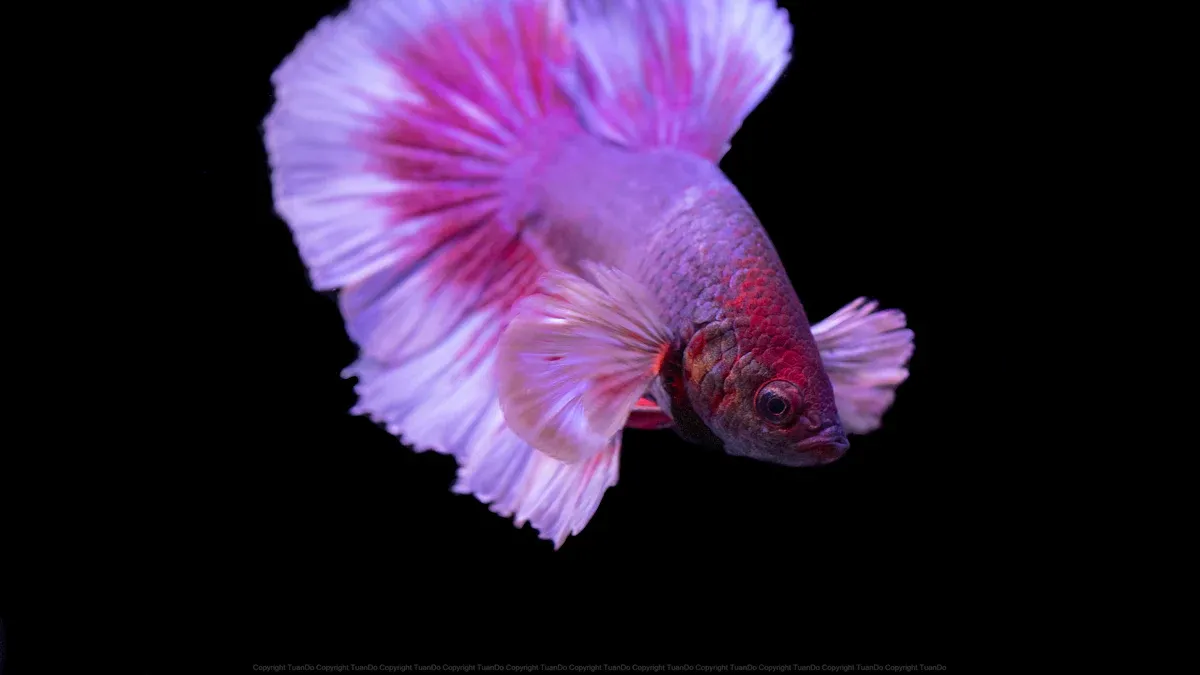
Betta fish are fascinating creatures known for their vibrant colors and unique personalities. However, their territorial nature can lead to aggression, especially among males. In fact, many Betta fish display aggressive behavior, making it essential to choose Betta tank mates carefully. You want to create a peaceful aquarium environment, so understanding these behaviors helps you select the right companions for your Betta.
When you consider Betta tank mates, think about how different species interact. The right combinations can enhance your aquarium’s beauty and harmony.
Key Takeaways
- Choose tank mates carefully to ensure a peaceful environment for your Betta fish.
- Avoid aggressive fish, long-finned species, and other male Bettas to prevent stress and injuries.
- Select peaceful community fish like corydoras catfish and neon tetras for a harmonious aquarium.
- Provide plenty of hiding spots and plants to help all fish feel secure in the tank.
- Monitor interactions closely and introduce new fish slowly to minimize stress.
Worst Tank Mates for Betta
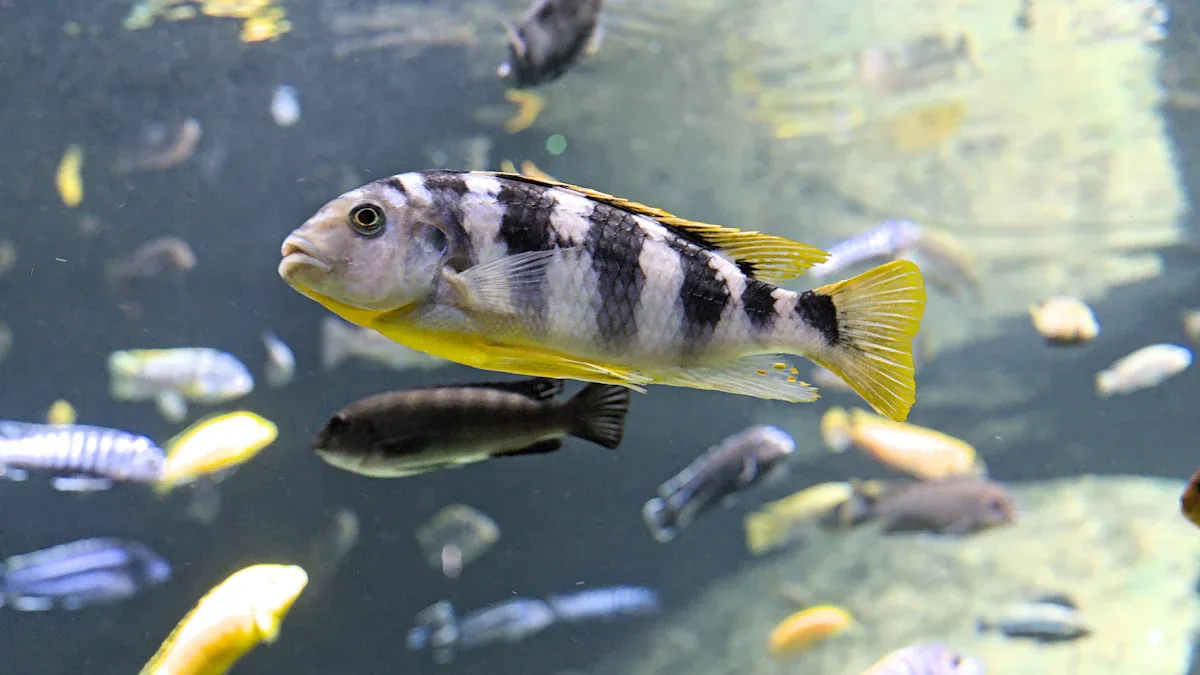
When it comes to choosing tank mates for your Betta, some fish simply don’t mix well. Here are the types of fish you should avoid to keep your Betta happy and healthy.
Aggressive Fish
You might think that all fish can coexist peacefully, but that’s not the case. Some fish are naturally aggressive and can cause stress for your Betta. Species like cichlids and certain types of barbs can be quite territorial. They may bully your Betta, leading to injuries or even death. Always remember, a peaceful community is key to a thriving aquarium!
Fish with Long Fins
Fish with long, flowing fins can be particularly problematic. Betta fish often mistake these long fins for rivals. For instance, guppies and angelfish are common examples. When a Betta sees a fish with long fins, it may feel threatened and attack. This behavior can lead to serious injuries for both fish. Here are some fish to watch out for:
- Guppies
- Angelfish
- Tetras (many species can nip fins)
Bottom Feeders
While bottom feeders like catfish and loaches seem harmless, they can disrupt your Betta’s territory. Bettas prefer to have their own space, and bottom feeders often scavenge around the tank, which can irritate your Betta. If your Betta feels crowded or threatened, it may become aggressive.
Schooling Fish
Schooling fish, such as neon tetras, might seem like a good idea because they swim in groups. However, their active swimming patterns can stress your Betta. Schooling fish create a social order that helps some fish feel calmer, but for a Betta, this can lead to anxiety. If your Betta feels overwhelmed, it may lash out at these fish.
Other Male Bettas
This one is a no-brainer! Male Bettas are notoriously aggressive towards each other. If you introduce another male Betta into the same tank, you can expect a fight. Even if you think you have enough space, it’s best to keep male Bettas separate to avoid aggression and potential fatalities.
By avoiding these types of fish, you can create a more harmonious environment for your Betta. Remember, understanding fish behavior is crucial for a successful aquarium!
Best Betta Tank Mates
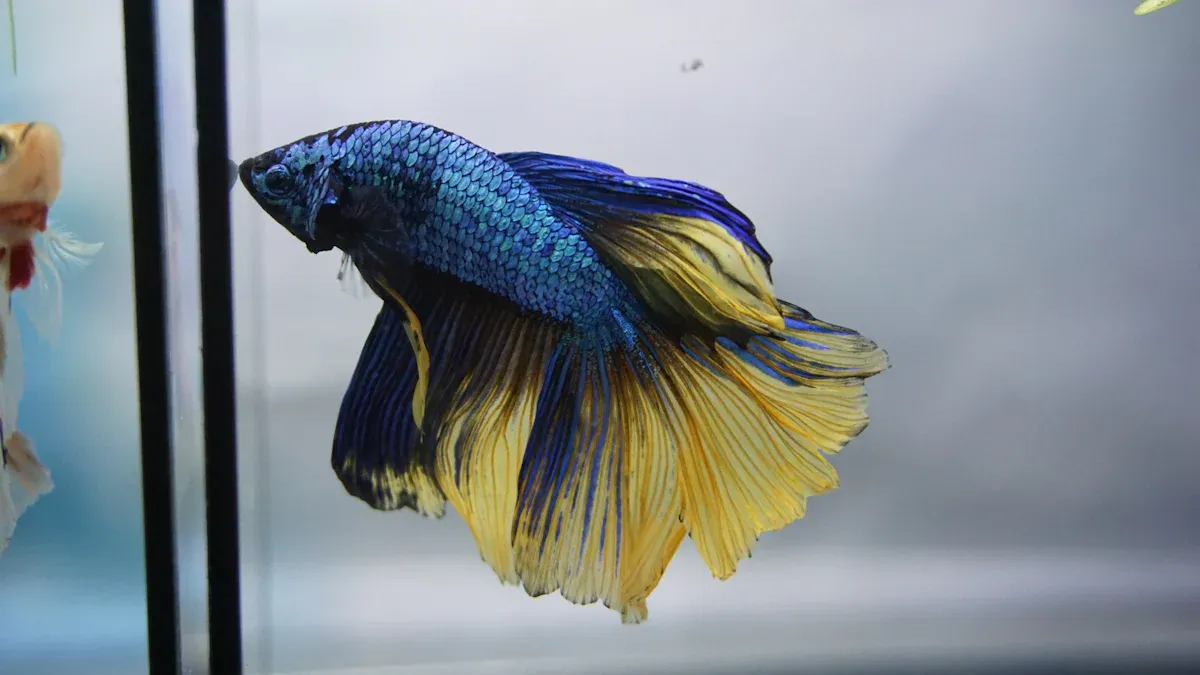
Finding the right companions for your Betta can make all the difference in creating a peaceful aquarium. Here are some of the best tank mates for Betta fish that you should consider.
Peaceful Community Fish
When selecting peaceful fish, you want to look for species that won’t provoke your Betta. Here are some top choices:
- Corydoras Catfish: These non-aggressive bottom dwellers are easy to care for and help keep the tank clean.
- Neon and Ember Tetras: Colorful shoaling fish that can help ward off territorial behavior in Betta fish. They thrive in groups, so consider keeping at least six.
- Harlequin Rasboras: These peaceful fish do well in schools and add a splash of color without causing stress.
- Fancy Guppies: While they are generally peaceful, it’s best to keep them single-gender to avoid unwanted breeding.
- Clown Plecos: These bottom feeders have thick skin, making them less likely to attract your Betta’s curiosity.
- Kuhli Loaches: Shy and peaceful, these loaches prefer to stay at the bottom and won’t bother your Betta.
Creating a no-aggression Betta community is possible with these species. Just remember to provide plenty of hiding spots and plants to help everyone feel secure.
Snails and Frogs
Snails and frogs can also make great companions for your Betta. Here are a couple of safe options:
| Species | Compatibility with Betta Fish | Notes |
|---|---|---|
| Mystery Snails | Safe | They help with algae cleanup and need calcium and at least 10 gallons of space. |
| African Dwarf Frogs | Safe | Fully aquatic and should be kept in pairs; ensure a tight lid on the tank. |
Both of these species are generally peaceful and won’t disturb your Betta, making them excellent additions to your tank.
Tetras and Other Small Fish
Tetras can be a colorful addition to your Betta tank, but you need to choose wisely. Here are some tetras that have shown high compatibility rates with Betta fish:
- Ember Tetras: These small, peaceful fish are easy to care for and get along well with Betta fish.
- Green Neon Tetras: They are known for their calm nature and have shown no nipping issues.
- Cardinal Tetras: Similar to neon tetras but generally more peaceful, they can coexist with Bettas if introduced properly.
Keep in mind that tank size matters. A larger tank with plenty of cover and live plants helps reduce territorial behavior, making it easier for your Betta and tetras to live together harmoniously.
Non-Competing Species
Non-competing species are ideal for a Betta tank because they won’t vie for the same resources. Here are some great options:
| Species | Reason for Compatibility |
|---|---|
| Kuhli Loach (Pangio) | Nocturnal scavengers that live at the bottom, reducing waste and staying out of the Betta’s zone. |
| Otocinclus Catfish | Shy algae grazers that avoid competition and help maintain tank cleanliness. |
| Harlequin Rasbora | Calm, schooling fish with subtle colors that do not provoke aggression from Betta. |
| Corydoras (Panda & Pygmy) | Peaceful bottom-dwellers that ignore Betta’s territory and add gentle movement. |
| Ember Tetra (Hyphessobrycon amandae) | Small schooling fish that do not nip fins and create a visually appealing environment. |
These species can help maintain a balanced ecosystem in your tank while keeping your Betta happy.
Shrimp Options
Shrimp can be a fun addition to your Betta tank, but you need to choose the right types. Here are some shrimp that typically coexist well with Betta fish:
- Ghost Shrimp: They are often recommended as the best tank mate for Betta fish.
- Red Cherry Shrimp: These vibrant shrimp can usually be kept with Betta fish if the tank is properly set up to protect them.
- Amano Shrimp: Another great option, they help keep algae in check and are generally safe around Bettas.
Just ensure that your tank has plenty of hiding spots to keep the shrimp safe from curious Bettas.
By carefully selecting these best tank mates for Betta fish, you can create a thriving and peaceful aquarium. Remember, the key is to monitor interactions and provide a well-planted environment that offers plenty of cover.
Betta Sororities
Understanding Sororities
A Betta sorority is a group of female Bettas kept together in a specially designed aquarium. This setup emphasizes the importance of space, cover, and environmental stability to ensure the well-being of the fish. Keeping multiple female Bettas can create a vibrant and dynamic tank, but it requires careful planning. You need to provide enough room for each fish to establish its territory while minimizing stress.
Best Practices
To create a successful Betta sorority, follow these best practices:
- Tank Size: Aim for a minimum of 20 gallons. This size allows for at least six female Bettas and provides ample space for swimming and hiding.
- Decoration: Use live plants, rock caves, and driftwood to create hiding spots. These features help reduce territorial disputes among Bettas.
- Minimal Stress: Distribute food evenly to prevent competition. Regular water changes maintain quality and support the health of your fish.
- Introducing Sorority: Introduce all Bettas at the same time. This approach helps them acclimate together and minimizes aggression.
Challenges to Consider
While Betta sororities can be rewarding, they come with challenges. You might encounter aggression if the tank is too small or if you introduce fish with differing temperaments. Always choose females of similar size and personality to promote harmony. Additionally, monitor their interactions closely. If you notice any signs of bullying, be prepared to separate the fish to ensure their safety.
Creating a Betta sorority can be a fulfilling experience. With the right setup and care, you can enjoy a lively and colorful aquarium filled with these beautiful fish.
Choosing the right tank mates for your Betta is crucial for their happiness and health. When you select peaceful fish, you reduce stress, which is vital for your Betta’s longevity. Remember, some fish can be aggressive or territorial, so avoid species that resemble male Bettas or those known to nip fins.
Here are a few key points to keep in mind:
- Observe Behavior: Bettas have unique personalities. Some may get along better with certain fish than others.
- Introduce Carefully: Add new fish slowly to minimize stress. Ideally, introduce them before your Betta.
- Maintain Water Quality: Regular water changes help keep your Betta healthy and happy.
By understanding fish behavior and compatibility, you can create a thriving aquarium that showcases the beauty of your Betta and its companions.
FAQ
What are the best tank mates for Betta fish?
The best tank mates for Betta fish include peaceful community fish like corydoras catfish, neon tetras, and ghost shrimp. These species are less likely to provoke aggression and can coexist harmoniously with your Betta.
Can I keep guppies with my Betta?
Guppies can be slightly compatible with Bettas, but caution is needed. Male guppies have long fins that may trigger aggression in your Betta. If you choose to keep them together, monitor their interactions closely.
How many corydoras can I have with my Betta?
You can keep a small group of corydoras catfish with your Betta. Aim for at least three to five corys to ensure they feel secure and comfortable. They help keep the tank clean and usually don’t bother your Betta.
Are ghost shrimp safe with Betta fish?
Yes, ghost shrimp are generally safe to keep with Betta fish. They are peaceful and can help control algae in your tank. Just make sure to provide plenty of hiding spots for the shrimp to escape if your Betta gets curious.
What should I do if my Betta shows aggression?
If your Betta shows aggression towards tank mates, consider separating them. You can rearrange the tank to disrupt established territories or add more hiding spots. Always prioritize the safety and well-being of all your fish.