


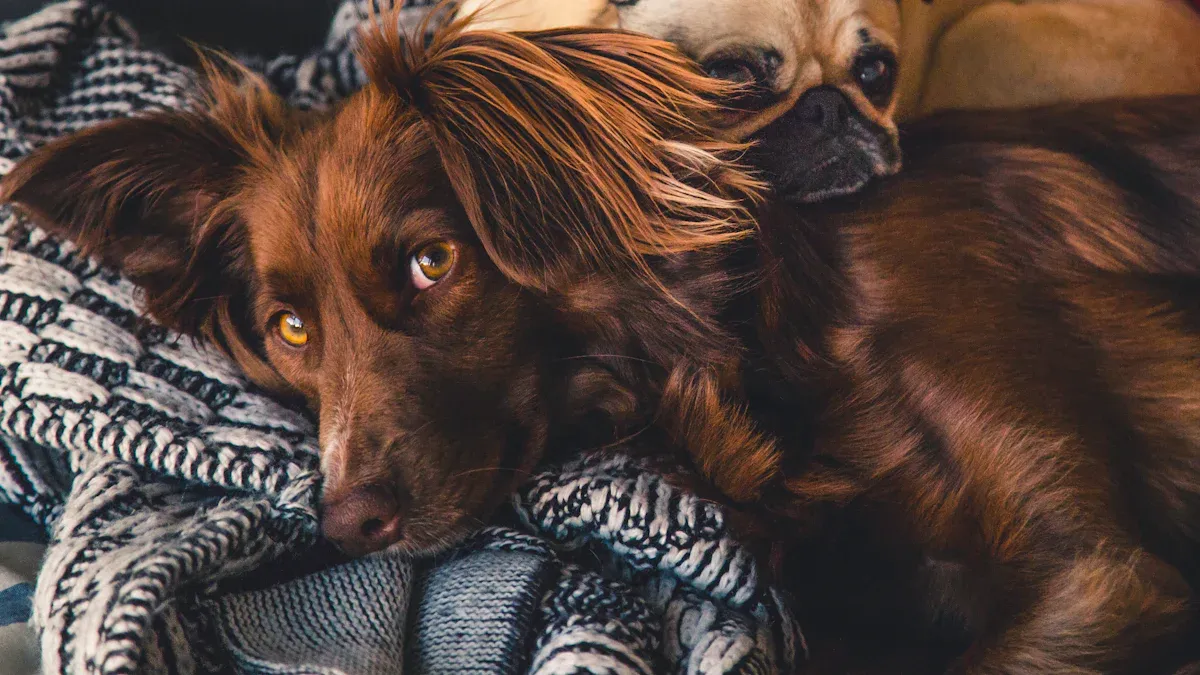
Many people want to show their dogs affection. They often think all dogs love a big hug. But dogs, like people, have their own preferences for physical contact. Not every dog enjoys being held tightly. Sometimes, unwanted physical contact can even cause problems. Millions of people are bitten by dogs each year in the U.S. This number even increased by 10% in 2023.
Breed traits often influence a dog’s comfort with hugs. Some breeds are naturally more affectionate. Others prefer more personal space. This blog explores different huggable dog breeds and those that might shy away from embraces. We will also guide you on how to show your furry friend affection respectfully.
Key Takeaways
Some dogs love hugs, but others prefer their own space. Not all dogs like to be held tightly.
Dogs use their bodies to show how they feel. Look for signs like a relaxed body or a tense body to know if a dog wants affection.
Golden Retrievers, Labrador Retrievers, and Pugs are some breeds that enjoy cuddling. They are often called “huggable dog breeds.”
Chow Chows, Basenjis, and Shiba Inus often prefer not to cuddle. They like their independence.
Always respect your dog’s feelings. Show them love in ways they enjoy, like playing or giving praise, instead of forcing hugs.
Understanding Canine Affection
Dogs communicate in many ways. They do not use words like people do. Instead, they use their bodies to show how they feel. Understanding these signals helps people know when a dog wants affection. It also shows when a dog prefers space.
Dog Communication and Body Language
Dogs constantly send signals with their bodies. People need to learn to read these signs. When a dog enjoys physical touch, it shows clear signs. They might move into your personal space. A dog could place its head or body under your hand. Some dogs gently pull your hand towards them with a paw. They often have relaxed facial muscles and droopy eyes. A dog might flop its body down in a relaxed, rag-doll manner. It might even flop its body onto you. These are all good signs for cuddling canines.
However, dogs also show when they feel uncomfortable or stressed. Their body might be tense or crouched. Their ears could be pinned back or very far forward. A dog might show wide eyes with the whites visible, called a “whale eye.” It might avoid eye contact or dart its eyes away. Initial signs of discomfort include hiding, rolling over repeatedly, or yawning. Dogs might also lick their paws or face repeatedly. More fearful dogs might shake, tremble, whine, or bark. Dogs often lick repeatedly or roll over. People sometimes think this means friendliness. However, these are actually signs of stress. Wide eyes with intense eye contact also indicate stress. Yawning is another sign of stress. People must respect a dog’s boundaries. Not all dogs want touch or play all the time. Observing their body language lets them choose when to engage.
Factors Influencing Hug Comfort
Many things affect how much a dog enjoys hugs. One big factor is their early life. Gentle handling of puppies during their first 10 days helps them. These puppies become more resilient to stress as adults. They also behave more calmly at 8 weeks old. Regular positive human contact during the socialization period is very important. Puppies learn to trust humans with consistent good interactions. A lack of human exposure before 14 weeks can cause a permanent fear of people. The environment where puppies grow up also matters. Puppies raised in homes often show less aggression and avoidance than those from kennels. Puppies with good early experiences are less stressed by new things. They cope better with new situations. Continued new encounters help them interact more with humans and stay calmer.
Most Huggable Dog Breeds
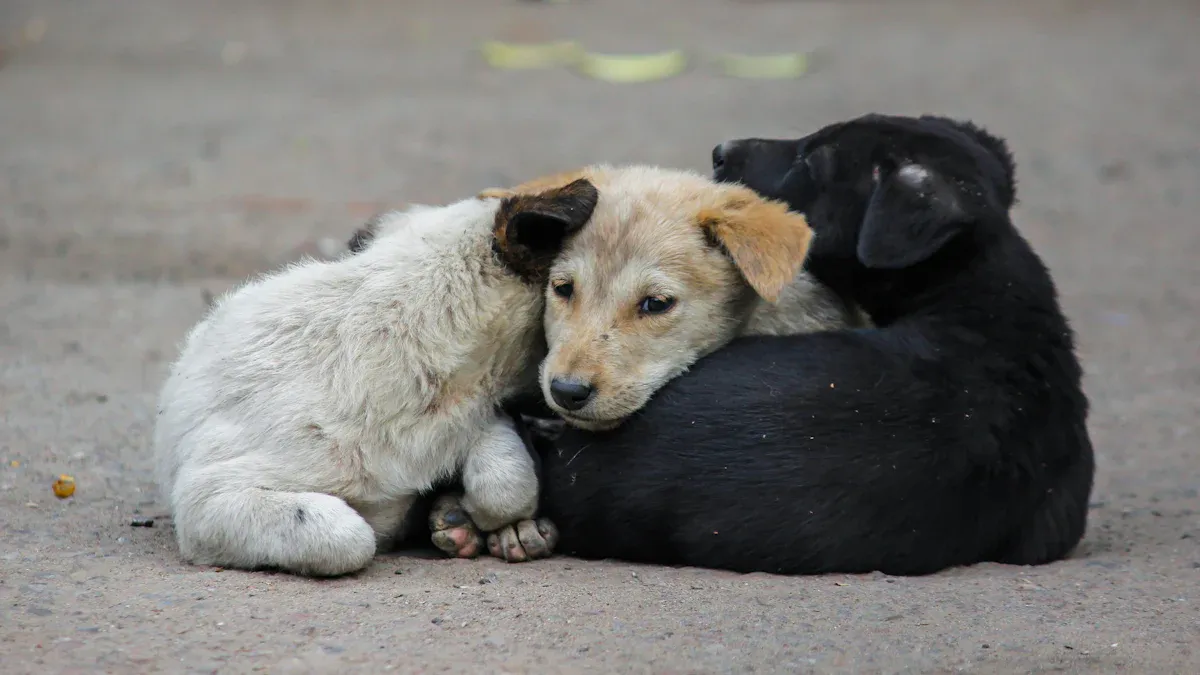
Some dogs just love to snuggle. They are the huggable dog breeds that enjoy close physical contact. These dogs often have temperaments that make them ideal affectionate companions. They love to be near their people and show their love through cuddles.
Golden Retriever
Golden Retrievers are famous for their loving nature. They are gentle and soft-natured dogs. Many people say they are happiest when they cuddle with their loved ones. These dogs are very sociable. They enjoy being around people and other animals. Goldens are naturally patient, which makes them great with children. They form strong emotional bonds with their families. They truly thrive on physical affection and companionship. Their happy, friendly, and loyal personalities make them wonderful family pets. They are always ready for an adventure with their humans. Goldens are incredibly friendly, reliable, and trustworthy. Their personality is a dream for anyone who wants a devoted and loving pet.
Labrador Retriever
Labrador Retrievers are another top choice for people who love cuddles. They have a kind heart and a friendly, social, and tolerant nature. Labs are known for their outgoing personality. They are incredibly loyal and loving. They show a high level of affection and friendliness. Labs are also very kid-friendly. Their good temperament makes them excellent family members.
Bichon Frise
Bichon Frises are small, fluffy dogs that love to be close. They are inherently loving and actively seek out cuddle time. These dogs form deep connections with their families. They thrive on human interaction and often follow their owners around. Bichons are friendly, outgoing, and adaptable. They are perfect for owners who enjoy cuddles. Their strong need for companionship means they dislike being left alone. This reinforces their desire for constant physical presence. They are gentle and affectionate, which makes them naturally inclined towards physical closeness.
Cavalier King Charles Spaniel
Cavalier King Charles Spaniels are truly devoted to their loved ones. They show affection through both activity and snuggles. Their temperament is affectionate and friendly. They have gentle personalities and loving natures. Cavaliers are sweet, loving, and always loyal. They are eager to please their owners. These dogs are enchantingly affectionate. Many describe them as loving to cuddle and being the “perfect lap dog.” Historically, people bred Cavaliers to warm laps, whether in castles or during carriage rides. This makes them one of the cuddliest dog breeds.
Shih Tzu
Shih Tzus are charming little dogs that love to be pampered. They were bred to be companions and lap warmers. This history makes them naturally affectionate and eager for human contact. Shih Tzus enjoy sitting on laps and being carried. They form strong bonds with their families and thrive on attention. Their sweet and outgoing personalities make them excellent snuggle buddies.
Pug
Pugs are another breed that loves physical closeness. They were originally bred in ancient China to be lap dogs. This history contributes to their sociable nature and desire for physical closeness. Pugs show their love by curling up on laps and following their owners. They thrive on human interaction and touch. Pugs are known for having a big heart. They are devoted family members. Their loyal nature means they stick by their owner’s side. They actively seek out physical contact like snuggling. They use owners as chin rests and press against them. Pugs are intuitive to human emotions. They often seek to offer support through physical closeness when their owners are down. They are truly breeds that thrive on kisses. Pugs inherently want to be close to their human companions. They often sit on people and follow their owners like a shadow.
Other Affectionate Breeds
Many other huggable dog breeds also love to cuddle. Mastiffs are “gentle giants” that adore snuggling with people and children. They are patient, calm, and loyal. Great Danes are also affectionate giants. They love spending quality time with their family. Goldendoodles are known as “best snuggle buddies” due to their friendly and gentle demeanor. German Shepherds, when raised correctly, can be excellent cuddle companions. Newfoundlands look like teddy bears and enjoy a good cuddle. Bernese Mountain Dogs are good-natured, calm, and strong. They enjoy plenty of cuddles and are affectionate and sensitive.
Big Fluffy Dog Breeds for Snuggles
Some of the most delightful snuggle partners come in large, fluffy packages. These big fluffy dog breeds often possess gentle temperaments and a strong desire to be close to their human families. Their plush coats make them extra inviting for cuddles.
Newfoundland
Newfoundlands are truly “gentle giants.” They have a temperament that is “all teddy bear,” according to Dr. Abel Gonzalez, a clinical director and veterinarian. He describes them as “sweet, patient and fantastic with children.” Dr. Jennifer Sperry, a veterinarian and veterinary advisor, agrees. She calls them “natural-born helpers” who “love being part of the family.” Their thick double coats and calm demeanor make them ideal companions for both snuggles and companionship. Newfoundlands are known for their sweetness, which the AKC also acknowledges. They are a calm breed, confident and very good-natured. Their loyalty comes from their original working roles. They are exceptionally sweet and gentle dogs who trust easily. They love being around children and are great with other dogs. Newfoundlands love to be affectionate members of the family. Once they meet their medium energy level needs, they are happy to cuddle up for the evening. They are often very loyal dogs.
Bernese Mountain Dog
Bernese Mountain Dogs are another excellent choice for those seeking a large, cuddly companion. Dr. Gonzalez describes them as “gentle giants” who are “devoted to their people and love lounging close by.” This makes them great couch companions despite their size. Bernese Mountain Dogs are known for their affectionate nature and a strong desire to be close to their human companions. They are gentle and affectionate, with a calm and easy-going nature. This makes them ideal family companions. They thrive on interaction and are happiest when involved in family activities or simply relaxing at home with loved ones. Their presence is comforting and unobtrusive. They are also known for their patience and tolerance, often displaying an intuitive sense about how to interact with younger family members. These dogs are good-natured, self-assured, and docile. They are calm inside the house and enjoy hiking. They generally stick close to their people. They are affectionate and patient, especially with children.
Samoyed
Samoyeds, with their iconic “Sammy smile,” possess a famously cheerful personality. Dr. Gonzalez highlights this trait. These big fluffy dog breeds are inherently friendly and loving. They show significant amiability towards their family members. Samoyeds are known as ‘people dogs’ and desire to be close to their families throughout the day. They were originally bred to form close bonds with humans. This contributes to their loyalty and affection as family dogs. They are happiest when actively involved with their human companions. However, Dr. Gonzalez also mentions their need for daily mental and physical activity. A mentally and physically fulfilled dog is a relaxed, happy companion. That is when the cuddles happen.
Collie
Collies are known for their kind, patient, and gentle personalities. They are happiest when surrounded by people and other companions. Collies enjoy acting as a member of the family and will protect when necessary. Rough Collies are described as gentle, affectionate, and family-focused. They are deeply loyal, forming strong emotional bonds with family members. Collies often gravitate towards children, showing a nurturing and protective side. Their sensitivity to human emotions means they thrive on companionship. These dogs are among the cuddliest dog breeds because of their devoted and gentle nature.
Breeds That Prefer Personal Space
While many dogs love a good cuddle, some breeds simply prefer more independence. These dogs are not necessarily unfriendly. They just express their affection differently or enjoy their own space. Understanding these traits helps you build a stronger bond with your dog, respecting their unique personality. These less affectionate breeds often have a strong sense of self and a history of working independently.
Chow Chow
Chow Chows are often described as serious and refined dogs. They do not appreciate excessive affection. Many people compare them to cats because they prefer to keep to themselves. They are typically standoffish with strangers. Chows are loyal to their families, but they will give clear warnings if they dislike something. They are content to be with their owners rather than on them. This makes them loyal without being socially needy.
Chow Chows possess an easy-going and independently minded nature. They do not demand constant attention or affection. While they form close bonds with their owners, they do not require continuous affection, play, or admiration. Their self-sufficient character means they do not depend on constant owner attention. This makes them suitable for moderate periods alone. They generally dislike too much attention or being played with excessively. If you are looking for a constant “cuddle buddy,” a Chow Chow might not be the best fit.
Basenji
Basenjis are intelligent, alert, and highly independent dogs. Their history as hunting dogs in Africa gave them a strong independent streak. They are “independent thinkers” who decide when to obey commands. They are not typically clingy or demanding of attention. This contributes to their less inclined nature towards prolonged physical contact.
Basenjis are “primitive dogs.” This means they keep many instincts of early canines. This contributes to their highly independent nature and makes them relatively aloof. The American Kennel Club (AKC) ranks them among the least biddable breeds. This indicates they are less eager to please. They are more prone to acting based on their own judgment rather than seeking constant interaction or prolonged physical contact.
Shiba Inu
Shiba Inus are known for their independent streak. This shows in their confident and self-assured demeanor. Their intelligence and curiosity drive them to explore their surroundings, always seeking new sights and sounds. People often describe them as “aloof” but charming. Their independent streak makes one-on-one time with them even more special.
Shiba Inus are independent and not afraid to show it. Their intelligence allows them to decide if obeying a command is “worth their time.” This leads to a preference for minimal physical restraint. You generally cannot trust them off-leash. They may not listen once they find something more interesting to “hunt” or explore. People describe them as very independent and stubborn. The Japanese word ‘kan-i’ describes a key aspect of the Shiba temperament. It includes bravery, boldness, composure, and mental strength. This inherent trait contributes significantly to their independent nature. They also have a possessive nature, often saying “mine” for various items and even their owner. This highlights their strong sense of self and independence. It suggests they prefer minimal interference with their perceived possessions and space.
Alaskan Malamute and Siberian Husky
Alaskan Malamutes possess an independent streak, a common trait among Arctic breeds. They are friendly and affectionate towards their human families. However, their strong-willed and independent nature means they may not constantly seek physical affection. They express affection through enthusiastic greetings and playful behavior rather than a continuous need for physical closeness. Alaskan Malamutes have a strong independent streak and a desire to think for themselves. This independence can seem like stubbornness. It leads them to evaluate commands and potentially ignore them if they do not align with their interests. While they are affectionate and loyal, this inherent independence reduces their inclination for constant physical affection. They are less likely to always comply with commands or seek continuous interaction.
Siberian Huskies are free thinkers. This contrasts with breeds that are eager to please. Their intelligence shows in problem-solving and survival instincts. For example, they might escape enclosures or open doors. This cleverness, combined with their stubborn streak, can make them challenging to train without consistency. Siberian Huskies have a strong sense of independence. They also have a stubborn streak, which can lead them to prefer doing things their own way. Their intelligence focuses on problem-solving and survival instincts rather than an eagerness to please.
Jack Russell Terrier
The Jack Russell Terrier’s hunting background gave the breed a fearless, tenacious, curious, and intelligent nature. They are loyal and affectionate at home. However, they are boundlessly energetic and adventurous outdoors. This means they need an owner who can match their activity levels. Despite their affection, they are not generally needy dogs. They are content to pursue their own interests. Their strong working and hunting ethic is inherent. You cannot train it out of them. They need plenty of toys and games to keep their active minds and bodies busy between walks, rather than being held for extended periods.
Jack Russell Terriers are known for their high activity levels. They thrive in active households and require substantial physical exercise. Experts recommend at least 90 minutes per day. They are always ready for action, whether playing fetch or engaging in agility training. They are incredibly intelligent and curious. They possess a keen curiosity and love to explore new environments. This intelligence makes them excellent learners. However, it can also lead to mischief if they become bored. This indicates a need for mental stimulation over prolonged physical restraint. They have a strong-willed and determined nature. Once they focus on something, like a squirrel or a toy, they pursue it with unwavering tenacity. This determination highlights their independent spirit and less inclination to be passively held. They are among the most energetic dog breeds. They require vigorous daily play sessions and at least an hour of exercise daily to prevent destructive behavior and maintain their physical and mental health. Approximately 85% of Jack Russell Terriers chase small animals due to their strong prey drive. This trait comes from their working dog past. It also makes them love to dig. While their high intelligence makes them quick learners, it also challenges consistent obedience training. It contributes to their need for constant mental stimulation. Their boldness, fearlessness, friendliness, and confidence, combined with their energy and smarts, indicate a dog that is more inclined to explore and be active rather than remain sedentary.
Other Independent Breeds
Many other breeds also show an independent nature and prefer less physical interaction. These dogs often form deep bonds with their families but may not be the type to constantly seek out cuddles.
Akita: They have a strong, independent personality. They form tight bonds with family but are reserved around strangers.
Afghan Hound: Generally independent with a reserved personality. They show affection to family but are aloof towards strangers.
Great Pyrenees: People bred them for solitary livestock guarding, which indicates an independent nature.
Standard Poodle: Often compared to a cat, they choose when and how to interact.
English Bulldog: They are not demanding of attention. They are docile, low-energy, and content with solitude.
Chinese Crested: People describe them as cat-like due to their perching habits and aloofness towards strangers, though they are affectionate with family.
Tibetan Mastiff: Strong-willed and independent, they are loyal and calm with family.
Great Dane: People bred them for hunting and guarding alone. They are comfortable and confident working independently.
Karelian Bear Dog: They are not particularly affectionate, even with close individuals, but they have a strong work ethic.
Greyhound: Calm, quiet, and independent, they often prefer a quiet place for solitude.
Chinese Shar-Pei: Originally bred for hunting and guarding, they exhibit an independent personality.
Irish Wolfhound: They have a calm temperament, making them an adaptable and independent large breed.
Central Asian Shepherd Dog: Strong working instincts contribute to an independent personality.
Jindo: Smart but reserved, they do best with experienced owners who can manage their independent nature.
Respecting Your Dog’s Boundaries
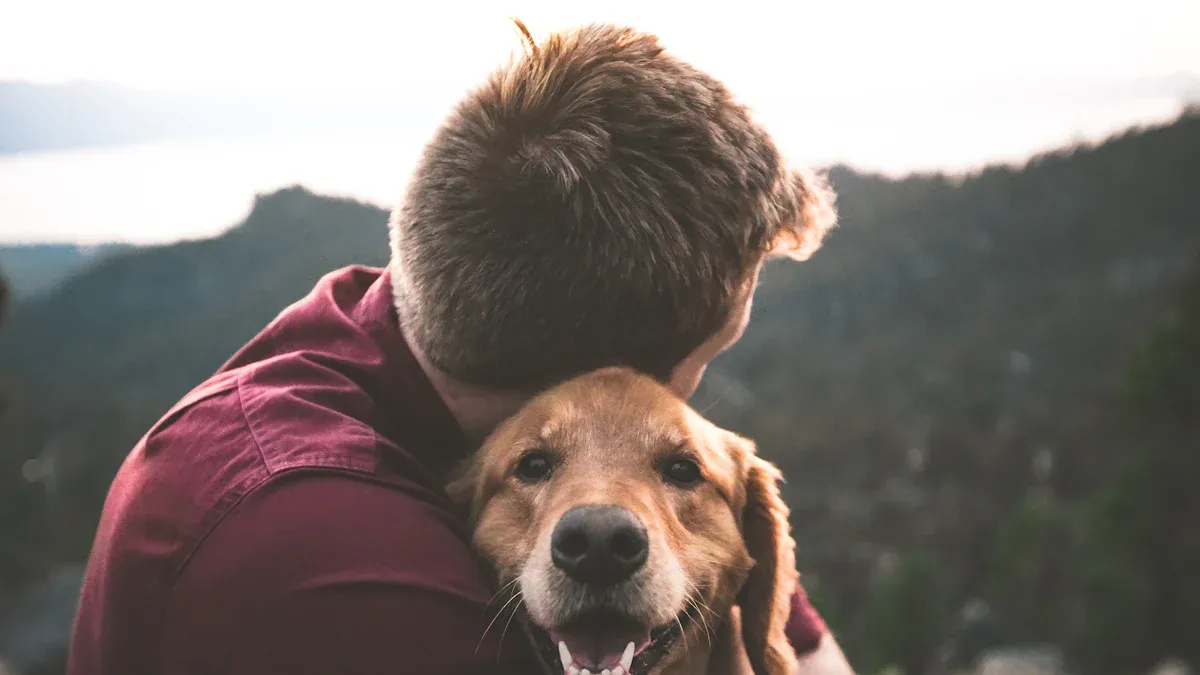
Understanding your dog’s preferences is key to a happy relationship. Not every dog enjoys the same type of affection. Learning to read their signals helps you show love in ways they appreciate.
Reading Canine Cues
Dogs constantly communicate their feelings. They use subtle body language. People must pay close attention to these cues. A dog might show discomfort even when tolerating unwanted physical affection. Look for signs like lip licking or yawning when they are not tired. They might also turn their head away or move their body away from you. Sometimes, a dog will avert its gaze to avoid eye contact. These are polite ways a dog shows it feels uncomfortable. Recognizing these signals helps you stop before they get too stressed.
Alternative Affection Methods
Physical touch is not the only way to show affection. Dogs enjoy many non-physical methods. Enthusiastic verbal praise can make them feel loved. Short play sessions with a favorite toy also work wonders. Anything a dog enjoys can act as a reinforcer. Praise becomes a strong reinforcer when you consistently pair it with treats or petting. Play also works as an effective reinforcer for dogs. These methods build a positive connection without physical contact.
Building Trust Through Respect
Respecting a dog’s boundaries builds a strong bond. It tells your dog, “I see you. I hear you. You are safe with me.” This security fosters confidence. Dogs become more willing to engage when they know they have a choice. Tuning into their subtle cues helps identify potential health concerns early. A “no” might signal an ear infection or dental pain. This transforms a “no” into vital communication about their well-being. Practicing consent also makes owners more present. They become better at reading non-verbal cues. This process enhances empathy and patience. These skills positively impact all relationships.
Breed characteristics offer a good starting point, but remember every dog has a unique personality. Always observe and understand your dog’s specific cues about physical affection. Whether they are one of the huggable dog breeds or prefer their personal space, respecting their boundaries is crucial. This builds a strong, positive, and trusting relationship. It ensures a happy life for both you and your furry friend. Even the most affectionate huggable dog breeds appreciate respect for their comfort levels.
FAQ
What are common signs a dog enjoys physical affection?
Dogs show enjoyment through relaxed body language. They might lean into you or gently nudge your hand. A dog may also have soft eyes and a loose tail wag. They often seek out your presence for more petting.
Which dog breeds are generally less inclined to cuddle?
Breeds like the Chow Chow, Basenji, and Shiba Inu often prefer more personal space. Alaskan Malamutes and Siberian Huskies also show independence. They are loyal but may not constantly seek physical closeness.
How can people show affection to dogs that prefer space?
People can show affection through verbal praise and short play sessions. Offering favorite toys or engaging in training also works. These methods build a strong bond without constant physical contact.
What does “whale eye” mean in dog body language?
“Whale eye” means a dog shows the whites of its eyes. This often signals stress or discomfort. It is a warning sign that the dog feels uneasy in a situation.
Why is respecting a dog’s boundaries important?
Respecting boundaries builds trust and strengthens your bond. It shows your dog you understand and value its comfort. This makes the dog feel safe and more confident around you.
