


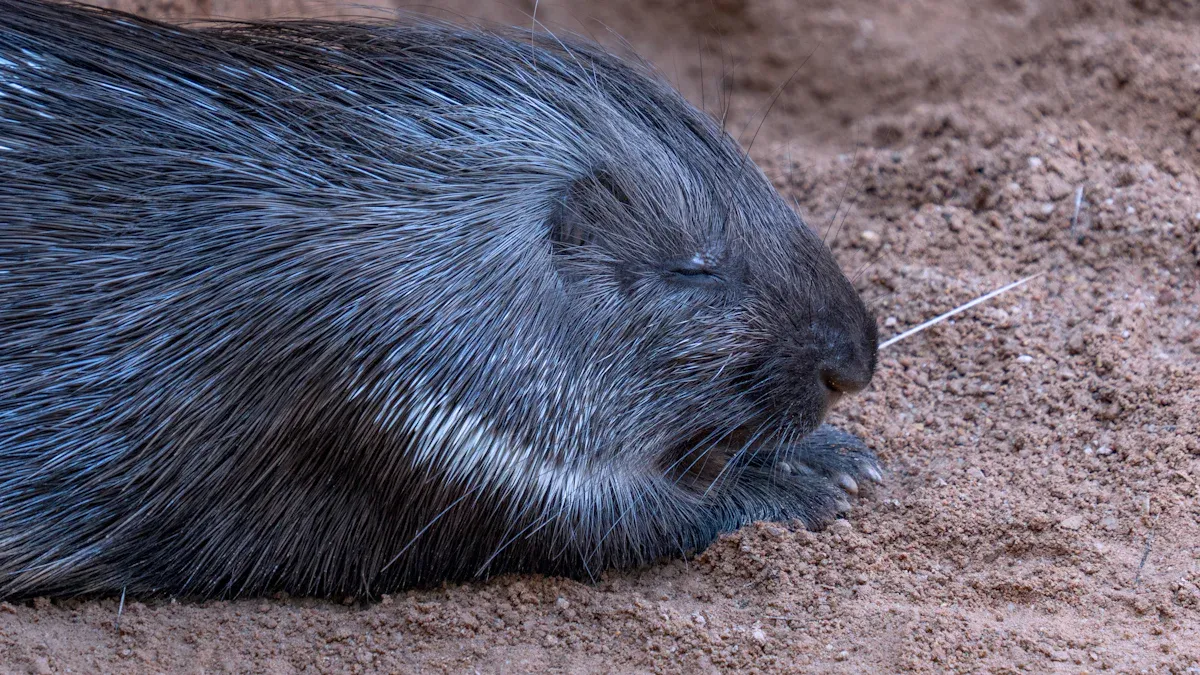
Porcupine quills can pose serious risks to your dog. These sharp, barbed projectiles penetrate deeply into tissues, potentially causing infections and abscesses. If you leave them embedded, they can migrate further into the body, leading to life-threatening complications. Therefore, knowing how to safely remove porcupine quills is crucial for addressing this issue promptly and ensuring your pet’s health.
Key Takeaways
Gather essential tools like needle nose pliers and a slip lead before attempting to remove quills. This preparation ensures safety for both you and your dog.
Restrain your dog properly to prevent sudden movements during quill removal. This step minimizes the risk of further injury and complications.
Monitor the wound after quill removal for signs of infection. If you notice swelling, redness, or discharge, consult your veterinarian immediately.
Preparation for Quill Removal
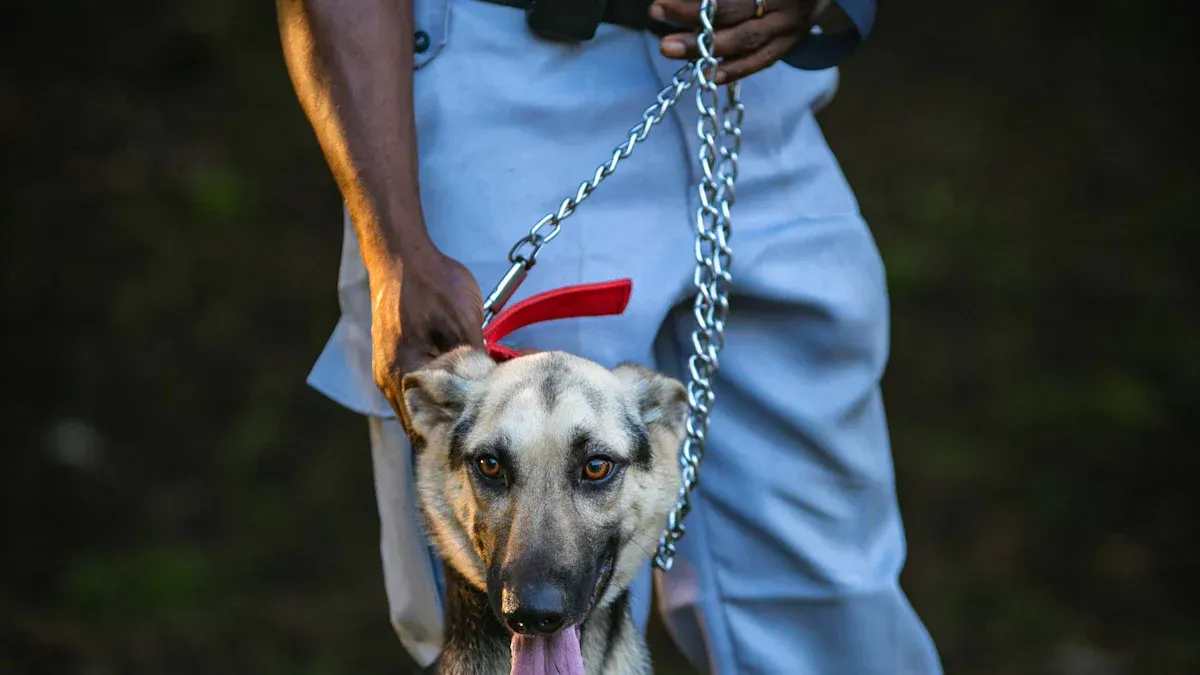
Before you attempt to remove porcupine quills from your dog, proper preparation is essential. This ensures both your safety and your dog’s comfort during the process.
Gather Supplies
Start by collecting the necessary tools for quill removal. Here’s a list of recommended supplies:
Tool/Technique | Description |
|---|---|
Needle nose pliers | Use these for safe and efficient quill removal, especially for manageable quills. |
Slip lead | This acts as a makeshift muzzle to protect you while removing quills. |
Quill Jig | A tool to hold your dog’s mouth open during quill removal; use it only in emergencies. |
Assess Dog’s Condition
Next, assess your dog’s condition. This step is crucial for a safe removal process. If you skip this, you risk complications. Here are some important points to consider:
Dogs that do not receive an assessment within 24 hours of a quill injury are 5.2 times more likely to experience complications.
Complications can include severe pain, infection, and potentially life-threatening situations.
Early identification and complete removal of quills significantly improve the prognosis.
If your dog shows signs of aggression or stress, take extra precautions. Keep your dog still to minimize the risk of further injury. If your dog becomes agitated, consider restraining them and having someone assist in calming them. Avoid using muzzles unless you are certain there are no quills in the dog’s face or neck. If necessary, take your dog to the vet for professional help.
By preparing properly, you can safely remove porcupine quills and help your dog recover quickly.
Safely Remove Porcupine Quills
Restraining the Dog
Before you begin the removal process, you must restrain your dog properly. This step is crucial to prevent sudden movements that could lead to further injury. Here are some important points to consider:
Improper restraint can lead to:
Further injury and pain for your dog.
Barbed quills moving deeper into tissue, complicating removal.
Quills snapping off, which may require veterinary care.
Increased pain and stress during unsedated removal.
Difficulty locating all quills, raising the risk of leaving pieces behind.
Introduction of bacteria, leading to infections.
Internal migration of quills, causing serious damage to organs.
To restrain your dog effectively, use a slip lead or a blanket to wrap them gently. This method keeps them still and calm. If your dog shows signs of aggression, consider seeking help from a professional or a veterinarian.
Use Pliers for Removal
Once your dog is securely restrained, you can begin to remove the quills. Use needle nose pliers for this task. Here’s how to do it safely:
Grip the quill as close to the skin as possible.
Pull the quill straight out with a steady motion. Avoid twisting or jerking, as this can cause more pain and tissue damage.
Remove one quill at a time. Rushing the process can lead to mistakes and complications.
It is important to note that removing porcupine quills at home can be painful for your dog. If you feel uncertain about the process, consult a veterinarian. They can provide safe removal, often requiring sedation or anesthesia. Delaying treatment can make quills more brittle and difficult to remove.
Clean the Wound
After you have removed the quills, cleaning the wound is essential. This step helps prevent infection and promotes healing. Here are some recommended cleaning solutions:
Use non-toxic wound and skin care treatments to avoid irritation.
Apply a thin layer of antimicrobial hydrogel. This keeps the wound clean and is safe if your dog licks or ingests it.
Make sure to monitor the area for any signs of infection, such as swelling, redness, or discharge. If you notice any of these symptoms, consult your veterinarian immediately.
By following these steps, you can safely remove porcupine quills and help your dog recover quickly. Always prioritize your dog’s comfort and safety throughout the process.
Aftercare and When to Seek Help
Monitor for Infection
After you remove porcupine quills, monitoring your dog is crucial. You should keep a close eye on the area where the quills were removed. Look for any signs of infection, which can include:
Swelling or redness around the wound
Discharge or pus coming from the site
Increased pain or sensitivity when you touch the area
Porcupine quills can carry bacteria. If they become contaminated, they may lead to septic reactions. The risk of infection increases if quills migrate deeper into the body. This can cause localized pain and irritation. If you notice any of these symptoms, consult your veterinarian immediately.
Signs to Consult a Vet
You should seek veterinary help if your dog shows any of the following signs after quill removal:
Difficulty Eating: If your dog struggles to eat or drink, it may indicate a serious issue.
Extreme Stress: Signs like crying out, restlessness, or excessive panting require urgent care.
Facial Swelling: If swelling worsens, it could suggest infection or deeper quill migration.
Life-Threatening Conditions: Quills that penetrate vital areas like the chest or throat can be dangerous.
Symptoms of Shock: Pale gums, rapid breathing, or lethargy indicate a need for immediate attention.
Quills can migrate through tissue, potentially reaching critical areas like the brain or internal organs. If you suspect any complications, do not hesitate to contact your veterinarian.
To ensure a smooth recovery, follow these steps:
Monitor your dog closely after the procedure.
Keep them away from stairs or hazardous areas until they are fully awake from anesthesia (approximately 6 to 8 hours).
Offer a small amount of water after 6-8 hours, and a small amount of food after an hour, but be cautious of vomiting.
Be aware that some quills may remain and can migrate; check your dog carefully for a few weeks.
By staying vigilant and recognizing the signs of complications, you can help your dog recover safely after you have removed porcupine quills.
In summary, you should follow these key steps for safely removing porcupine quills from your dog:
Gather necessary supplies.
Restrain your dog properly.
Remove quills carefully with pliers.
Clean the wound thoroughly.
Always monitor your dog for signs of complications. If you’re uncertain, consult a veterinarian promptly. 🐾
FAQ
How can I tell if my dog has porcupine quills?
Look for signs like sudden yelping, swelling, or visible quills in the skin. Check your dog’s mouth and face carefully.
Is it safe to remove quills at home?
You can remove quills at home if you feel confident. If unsure, consult a veterinarian for safe removal.
What should I do if a quill breaks off?
If a quill breaks off, monitor the area for infection. Consult your veterinarian if you notice swelling or discharge.
