


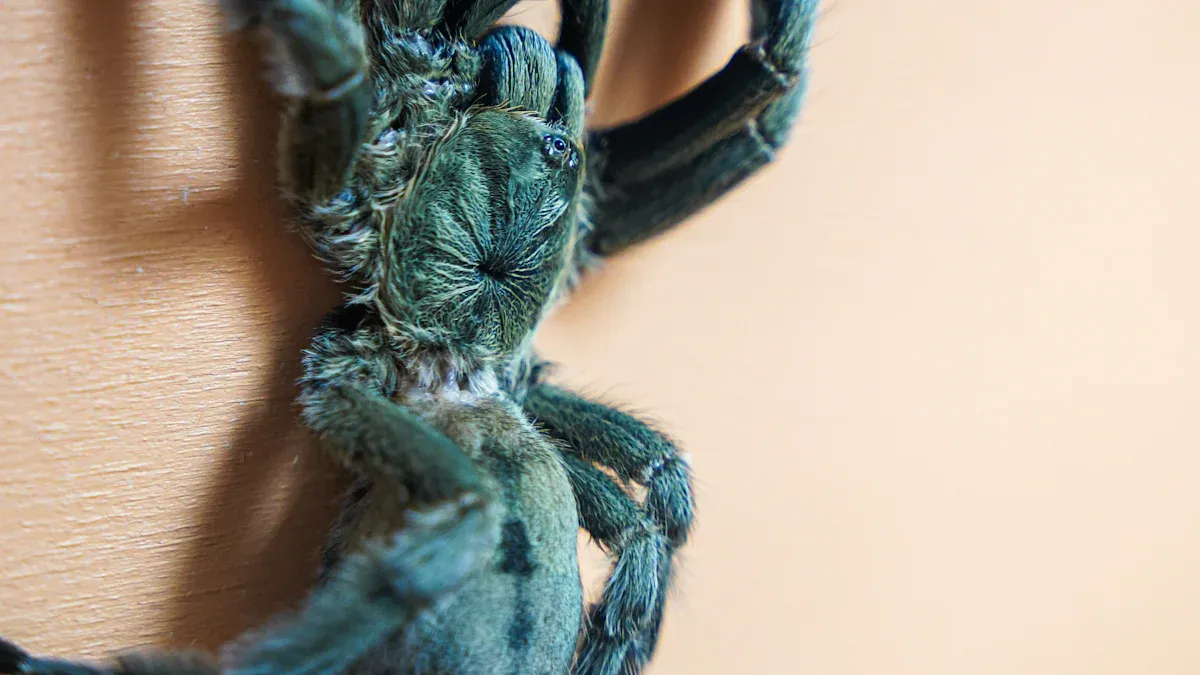
You can keep a pink toe tarantula happy with a tall, well-ventilated enclosure and a deep, rich substrate for climbing. Aim for 70–80°F and 60–70% humidity using a large water dish and damp moss. Handle gently. Clean regularly. Many beginners find these spiders calm and easy to manage.
Key Takeaways
Provide a tall, well-ventilated enclosure for your pink toe tarantula. This setup allows them to climb and feel secure.
Maintain humidity between 60-80% and temperature between 70-80°F. Use a water dish and damp moss to keep conditions ideal.
Handle your tarantula gently and infrequently. Respect their boundaries to reduce stress and ensure their well-being.
Pink Toe Tarantula Traits
Appearance
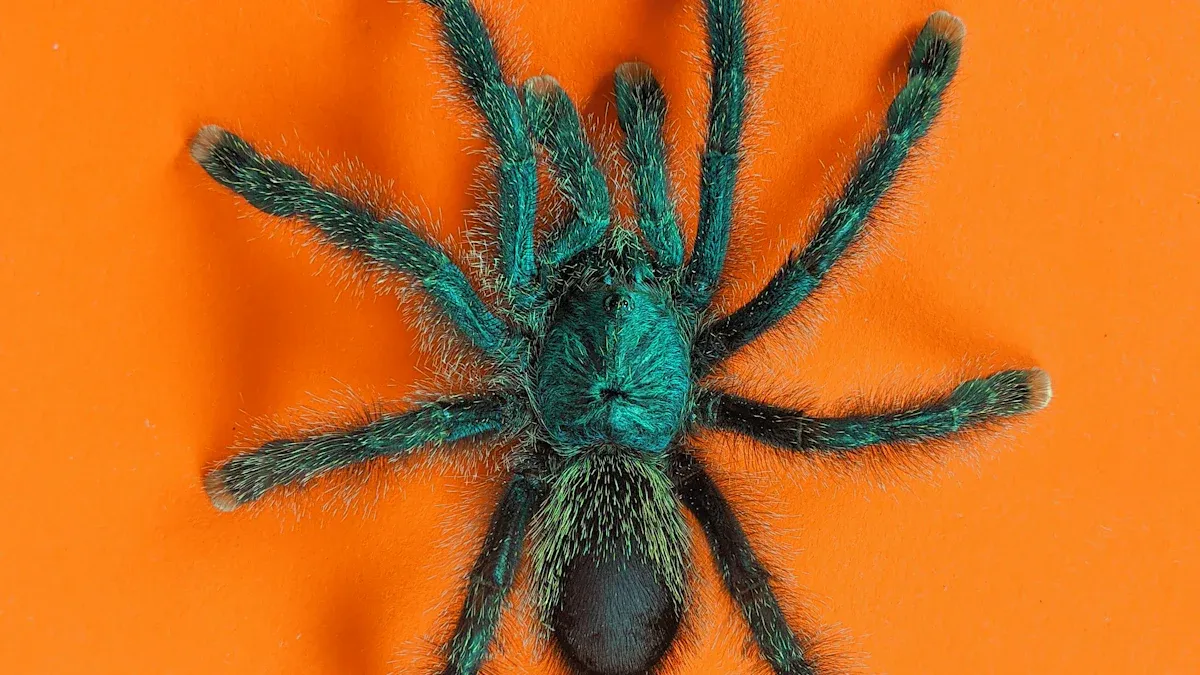
When you look at a pink toe tarantula, you notice its unique colors right away. As babies, these spiders start out bright blue. As they grow and molt, their colors change. Juveniles often look pinkish with dark feet. Adults have dark brown or black bodies, sometimes with a green shine, and their toes turn a striking pinkish-orange. Females usually reach about 4.75 inches in leg span, while males are a bit smaller at around 3.5 inches. Some of the largest avicularia avicularia can even reach up to 6 inches!
Tip: The pink toes are not just pretty—they help you spot your tarantula in its enclosure.
Pinktoe Behavior
Pinktoe tarantulas love to climb. They are arboreal, which means they spend most of their time in trees or high places. You will often see them making delicate webs in the corners of their enclosure. These webs become their safe retreats. Sometimes, pinktoe tarantulas show semi-communal behavior in the wild, which many hobbyists find interesting.
They rarely act aggressive.
They move quickly and can jump if startled.
They need vertical space to feel comfortable.
Why Beginners Like Them
Many beginners choose avicularia as their first spider. Here’s why:
Calm nature makes them less scary to handle.
They do not need a lot of space.
Their care is simple compared to other pets.
Their pinkish toes and changing colors make them stand out.
You do not need special skills to care for a pinktoe tarantula. The pinktoe is easy to manage and does not need fancy equipment. If you want a pet that is both beautiful and low-maintenance, avicularia is a great choice.
Habitat Setup
Enclosure Size
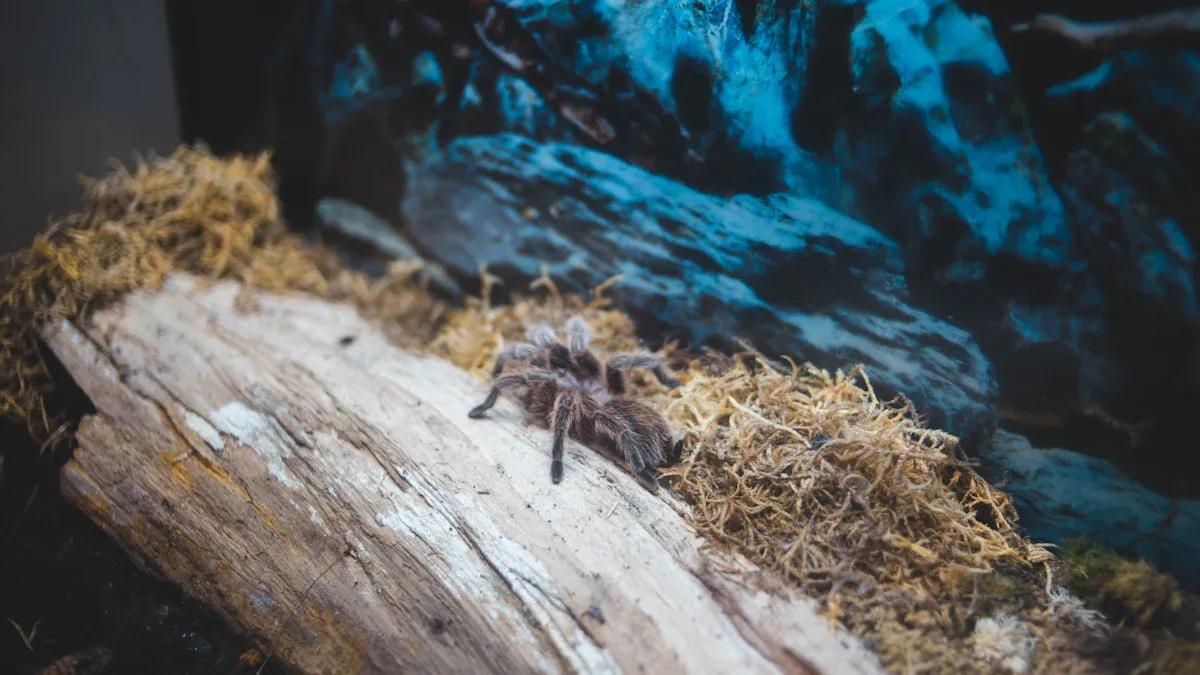
You want your avicularia avicularia to feel safe and comfortable, so start with the right enclosure. Pink toe tarantulas need a tall, vertical space because they love to climb. Experts recommend an enclosure that measures at least 12x12x18 inches (30x30x45 cm). This size gives your tarantula plenty of room to move up and down, just like it would in the wild. If you have a larger species, like the Antilles Pinktoe, aim for an enclosure that is at least 18 inches tall.
A good enclosure size helps your tarantula explore and build webs. When the space is too small, your pet may feel stressed. If the enclosure is too big, your tarantula might have trouble finding its food. Try to match the enclosure size to your tarantula’s leg span and climbing needs.
Substrate & Decor
The right substrate keeps your avicularia healthy and helps maintain humidity. You can use a mix of these materials:
Terra Aranea (made for tarantulas)
Sphagnum moss (holds moisture well)
Leaf litter (looks natural and helps with humidity)
BioShot (for bioactive setups)
Tropical springtails (these tiny bugs help clean up waste)
For decor, focus on items that encourage climbing and web-building. Pink toe tarantulas love to hang out in high places. Add these to your setup:
Cork bark tubes or flats
Branches and cork bark
Strong, leafy plants like pothos or ferns (real or fake)
Textured driftwood
Tip: Place branches and cork bark vertically to give your tarantula lots of climbing options.
Temperature & Humidity
Keep your avicularia comfortable by watching the temperature and humidity. The best temperature range is 70–80°F (21–27°C). Your tarantula can handle temperatures from the high 60s to the mid 80s for short periods, but try to stay in the ideal range.
Humidity should stay between 60–80%. You can keep the humidity up by adding a large water dish and using damp moss in the enclosure. Light misting works, but avoid heavy misting because it can make things too wet. If the air gets too dry, your tarantula may stop eating or grow more slowly.
Always check for mold. Mold grows fast in damp places and can make your tarantula sick. Let the enclosure dry out a bit between mistings to keep things healthy.
Ventilation
Good airflow is super important for your pink toe tarantula. Proper ventilation keeps the air fresh and stops mold from growing. If you cover up the vents to keep in humidity, you risk making the enclosure stuffy and dangerous.
“Do NOT restrict ventilation. In a lot of older tarantula husbandry literature, authors will recommend restricting or covering up ventilation in order to maintain higher ‘humidity’ in the enclosures. Years of tarantula keeping experience has taught us that this is actually a terrible idea. Moist enclosures need good ventilation, preferably cross-ventilation, to ensure good airflow and to prevent stuffy, potentially deadly enclosures.”
Make sure your enclosure has vents on the sides or top. Cross-ventilation works best. This setup lets fresh air move through and helps keep the humidity at the right level without letting things get too damp.
If you follow these tips, your avicularia will have a safe, healthy home that matches its natural habitat.
Feeding & Water
What to Feed
You want your avicularia to grow strong and healthy, so picking the right food matters. In the wild, these spiders eat all sorts of bugs and sometimes even tiny lizards or frogs. At home, you should stick to feeder insects that match your tarantula’s size. Here’s a quick guide:
Life Stage | Recommended Feeder Insects |
|---|---|
Spiderlings | Small pre-killed crickets or roaches |
Juveniles | Medium crickets |
Adults | Large crickets, mealworms, dubia roaches |
Always choose prey that is smaller than your avicularia avicularia’s body. This helps prevent injury and makes it easier for your spider to eat.
Feeding Schedule
You don’t need to feed your pink toe tarantula every day. Spiderlings eat more often, usually two to three times a week. Juveniles do well with one or two meals a week. Adults can go a week or even two between feedings. Overfeeding can make your tarantula overweight, which is risky if it falls. Feeding less often keeps your avicularia eager for food and helps it stay healthy.
Tip: Watch your tarantula’s abdomen. If it looks plump, you can wait longer between meals.
Water Dish
A small, shallow water dish is a must for every avicularia enclosure. This dish gives your spider a steady source of water and helps keep humidity just right. Check the dish every few days and clean it at least once a week. Dirty water can lead to mold or sickness. Misting alone won’t keep your tarantula hydrated, so never skip the water dish.
Handling Pinktoe Tarantulas
Safe Handling
Handling your pinktoe can be fun, but you need to do it safely. Always use gentle and slow movements. You can coax your avicularia avicularia onto your hand or a soft paintbrush with light pressure. Many keepers use a soft paintbrush to guide the tarantula into a container instead of picking it up directly. This helps avoid stress and injury. Keep your handling sessions short and not too frequent. Make sure you handle your avicularia in a secure area, preferably over a soft surface like a towel. Never handle your pink toe tarantula at a height. If it falls, it could get hurt. Always pay attention to your tarantula’s behavior. If it seems upset, return it to its enclosure right away.
Tip: Respect your avicularia’s boundaries. If it does not want to be handled, let it be.
Signs of Stress
You need to watch for signs that your tarantula feels stressed. Here are some common signs:
The tarantula takes up a threatening pose.
You see a bald spot on its abdomen from flicking hairs.
It hides behind its legs.
It climbs excessively.
It moves around much more than usual.
If you notice any of these, stop handling and give your avicularia some time to calm down.
When Not to Handle
Sometimes, you should avoid handling your avicularia. Do not handle your pinktoe if it is molting or looks uncomfortable. Skip handling if your tarantula acts aggressive or shows stress. Handling during these times can cause harm or injury.
Note: Your avicularia will feel safer and healthier if you only handle it when it seems calm and relaxed.
Tarantula Care & Health
Common Issues
You might notice some health problems with your avicularia. Here are the most common issues you should watch for:
Dehydration can happen if your tarantula does not get enough water or food. You may see a shrunken abdomen.
Ecdysis problems, or trouble molting, often show up when humidity is too low. Your avicularia avicularia might get stuck in its old skin.
Mold and fungal growth can be deadly. Look for white or yellow plumes on your tarantula’s body.
Nematode worms sometimes attack tarantulas. These worms spread bacteria that can be fatal.
Mites usually stay in small numbers, but too many can harm your avicularia.
Abscesses or tumors may appear as blisters on the abdomen. These are often fatal and have unknown causes.
Tip: Check your avicularia often so you can catch problems early.
Cleaning Routine
Keeping your tarantula’s home clean is a big part of tarantula care. You can add tropical springtails to help break down waste. Use a deep substrate, about 4–6 inches, to support plants and keep things stable. Mix in sphagnum moss and leaf litter to make the enclosure feel natural and help control moisture. Remove uneaten food and spot-clean any messes every week.
A clean home helps your avicularia stay healthy and happy.
Illness Signs
You need to know when your avicularia is sick. Watch for these signs:
Lethargy or slow movement
Refusing food for a long time
Bald spots or strange marks on the body
Trouble climbing or walking
Unusual webbing patterns
If you see any of these, your tarantula may need help. Sometimes, you can fix problems by adjusting humidity or cleaning the enclosure. If things do not improve, ask an expert for advice.
Tarantula Care Mistakes
Overhandling
You might feel excited to hold your new pet, but too much handling can stress your tarantula. Pink toe tarantulas look calm, but they do not enjoy being picked up often. If you handle them too much, they may run, jump, or even get hurt. Sometimes, they flick hairs or hide for days. Try to limit handling to short sessions. Watch how your avicularia avicularia reacts. If it seems nervous or tries to escape, give it a break.
Tip: Let your tarantula settle in its home. It will feel safer and healthier.
Wrong Humidity
Humidity plays a big role in your tarantula’s health. Too much moisture can cause mold and make your pet sick. If the air gets too dry, your tarantula may have trouble molting or staying hydrated. Always check the humidity with a simple gauge. Use a water dish and a bit of damp moss to keep things balanced. Avoid heavy misting.
Signs of wrong humidity:
Mold in the enclosure
Dry, cracked substrate
Lethargic or stressed spider
Bad Setup
A poor enclosure setup can lead to many problems. If the space is too small or lacks climbing spots, your tarantula will feel stressed. Bad ventilation can cause stuffy air and mold. Make sure you use a tall enclosure with good airflow. Add branches, cork bark, and plants for climbing. Clean the home often and remove old food.
Note: A good setup helps your tarantula live a long, happy life.
Quick Care Checklist
Want to make sure your pink toe tarantula stays happy and healthy? Use this checklist to keep your avicularia avicularia in top shape. You can print it out or save it on your phone for quick reference!
🕷️ Daily
Check the water dish. Fill it with fresh water if needed.
Look for any signs of mold or pests in the enclosure.
Watch your tarantula’s behavior. Make sure it moves and climbs normally.
🗓️ Weekly
Remove uneaten food or dead insects.
Spot-clean any messes or webbing that blocks vents.
Lightly mist the enclosure or dampen moss if humidity drops.
🌿 Monthly
Inspect all decor and plants. Clean or replace anything that looks dirty.
Check the substrate. Add or change moss if it dries out.
Make sure all climbing branches and cork bark stay secure.
Tip: Write down any changes you notice. Keeping notes helps you spot problems early.
📝 Extra Reminders
Never handle your tarantula right after it molts.
Avoid heavy misting. Use a water dish and damp moss for humidity.
Always use a tall, well-ventilated enclosure.
Feed the right size insects for your tarantula’s age.
You can follow this checklist to give your avicularia avicularia the best care possible. When you stick to these steps, your pet will thrive and show off its amazing colors and climbing skills!
Caring for a pink toe tarantula feels easy when you remember the basics. Give your spider a tall, airy home, keep humidity and temperature steady, handle gently, and clean often.
You can do this! Pink toe tarantulas reward you with beauty and calm. Enjoy your new eight-legged friend! 🕷️
FAQ
Can you keep more than one pink toe tarantula together?
You should keep only one pink toe tarantula per enclosure. They may fight or hurt each other if you house them together.
How often should you clean the enclosure?
Spot-clean every week. Do a deeper clean once a month. Remove old food and check for mold or pests.
Do pink toe tarantulas bite?
Pink toe tarantulas rarely bite. If you handle them gently, you lower the risk. Their bite feels like a bee sting.
Tip: Always watch your tarantula’s mood before handling.
