


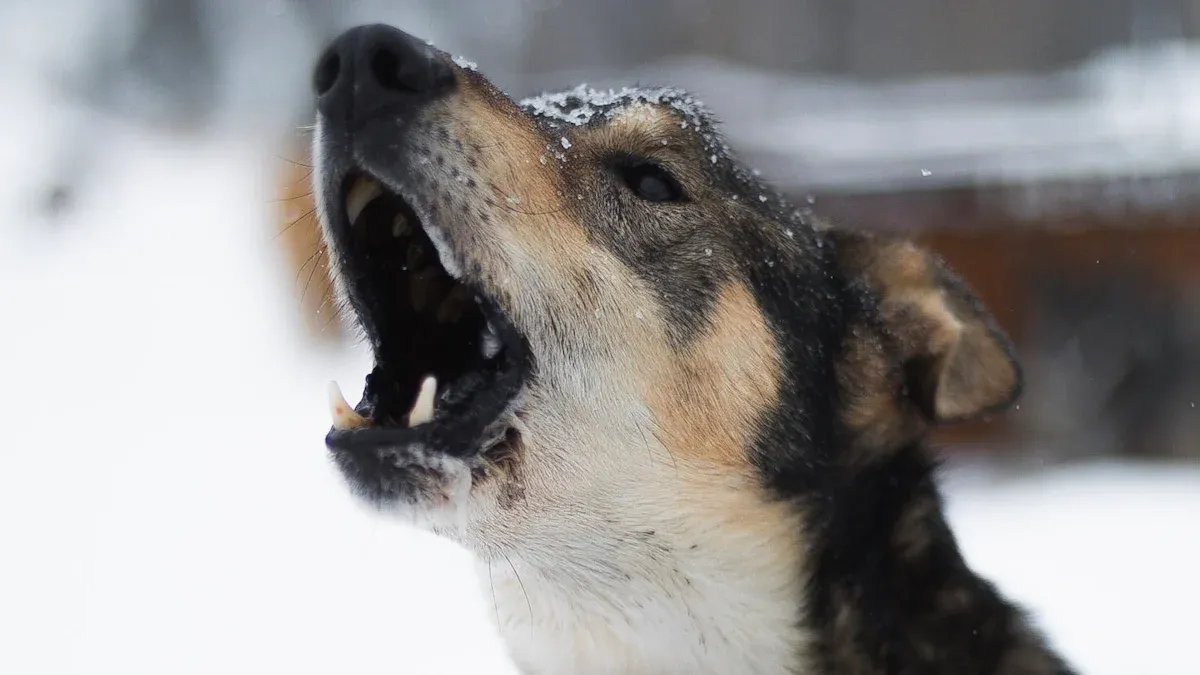
Siberian Huskies are known for their vocal nature. You may notice them expressing themselves through a variety of sounds. Understanding these vocalizations is crucial. Each sound can indicate different emotions or needs. For instance, a howl may signal loneliness or a desire to communicate with other dogs. Recognizing the significance of your Siberian Husky’s vocalizations helps you connect better with your pet.
Key Takeaways
Siberian Huskies use various vocalizations to express emotions and needs, such as howling for attention or to communicate with other dogs.
Understanding your husky’s sounds can strengthen your bond and help you respond to their feelings effectively.
Positive reinforcement training is an effective way to manage excessive vocalization in Huskies, rewarding them for quiet behavior.
Identifying triggers for excessive vocalization, like boredom or anxiety, is crucial for addressing the behavior.
Howling is a natural behavior for Huskies, reflecting their instincts and social nature, and should be understood rather than punished.
Siberian Husky’s Vocalizations
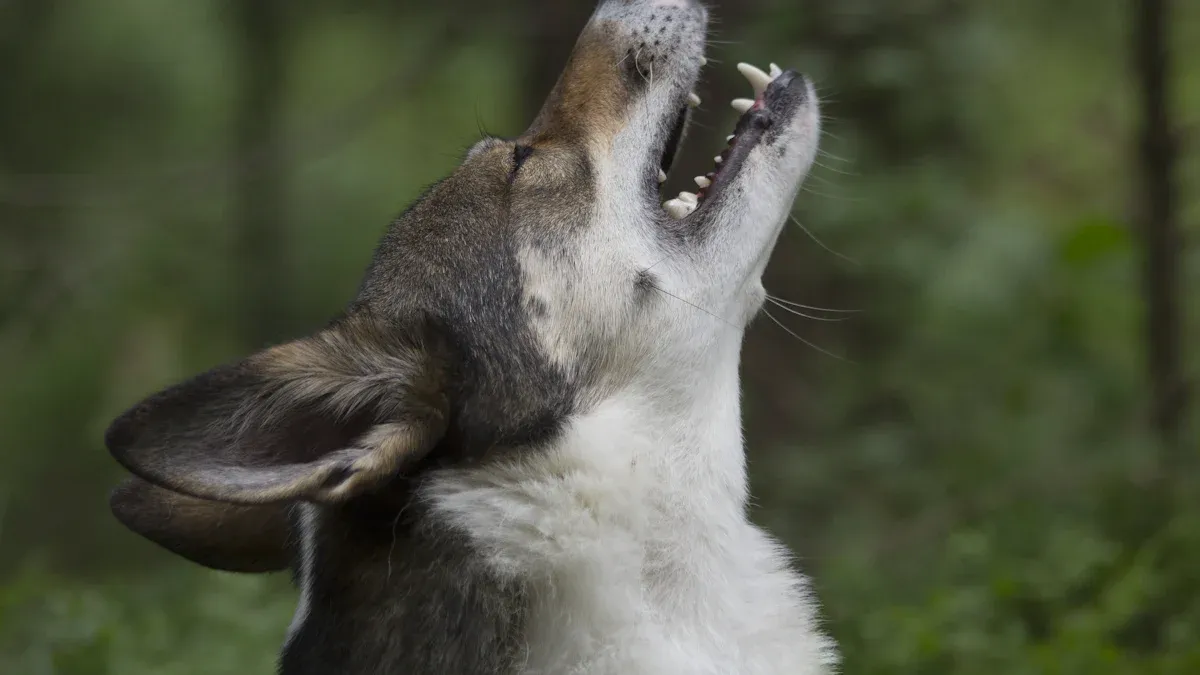
Siberian Huskies are known for their rich array of vocalizations. These sounds serve as essential tools for communication, both with humans and other dogs. Understanding these vocalizations can enhance your relationship with your husky and help you respond to their needs effectively.
Communication with Humans
When you interact with your Siberian Husky, you may notice several distinct vocal sounds. Each sound conveys specific emotions or requests. Here’s a breakdown of some common vocalizations:
Vocal Sound | Description | Significance |
|---|---|---|
The Classic Howl | A long, mournful sound, often resembling singing. | Often signifies a call to the pack or loneliness. |
The ‘Woo-Woo’ | A playful, rising and falling sound, less intense than a howl. | Indicates a conversational tone or playfulness. |
Whines and Mumbles | Softer, higher-pitched sounds indicating a desire for attention or needs. | Signifies a request for attention or food. |
Grumbles and Groans | Low-pitched, rumbling sounds that can indicate various emotions. | Can signify contentment or frustration. |
The ‘Talk’ | A blend of mumbles and grumbles that sounds like trying to form words. | Often indicates a desire to communicate. |
Barks | Sharper, less sustained sounds used for alert or excitement. | Signals alertness to something unusual. |
Research conducted by UTA computer scientist Kenny Zhu highlights the complexity of canine vocalizations, including those of Siberian Huskies. This study aims to identify the words and phonemes dogs use for communication. The findings suggest that dogs may possess a form of language with identifiable linguistic features.
Huskies vocalize to express a variety of emotions, including excitement, happiness, anxiety, and frustration. For instance, a long howl may signify loneliness, while short barks can show playfulness. Their vocalizations reflect their social nature and serve as a way to engage with you.
Interaction with Other Dogs
Siberian Huskies also use vocalizations to communicate with other dogs. Their sounds can convey different messages depending on the context. For example, a howl may signal a desire to join a pack or alert others to their presence.
Studies indicate that undesirable behaviors are less prevalent in Siberian Huskies compared to other ancient breeds. This suggests that their breed influences vocalizations and interactions with other dogs. Additionally, older dogs from more ancient breeds, like Siberian Huskies, tend to respond longer with howls when exposed to wolf howl playbacks. This behavior indicates a significant impact of domestication on vocal behavior.
The personality of Siberian Huskies plays a crucial role in their vocalizations. Their vocal nature is deeply rooted in their genetics and historical roles. Ancestry required them to communicate over long distances in cold climates, leading to their distinctive howling and vocal ‘talking’. This vocal behavior is not just a random trait but a necessary adaptation for survival and communication within their pack.
Understanding your Siberian Husky’s vocalizations can enhance your bond and improve your ability to respond to their needs. By recognizing the different sounds they make, you can better interpret their emotions and intentions.
Howling and Its Significance
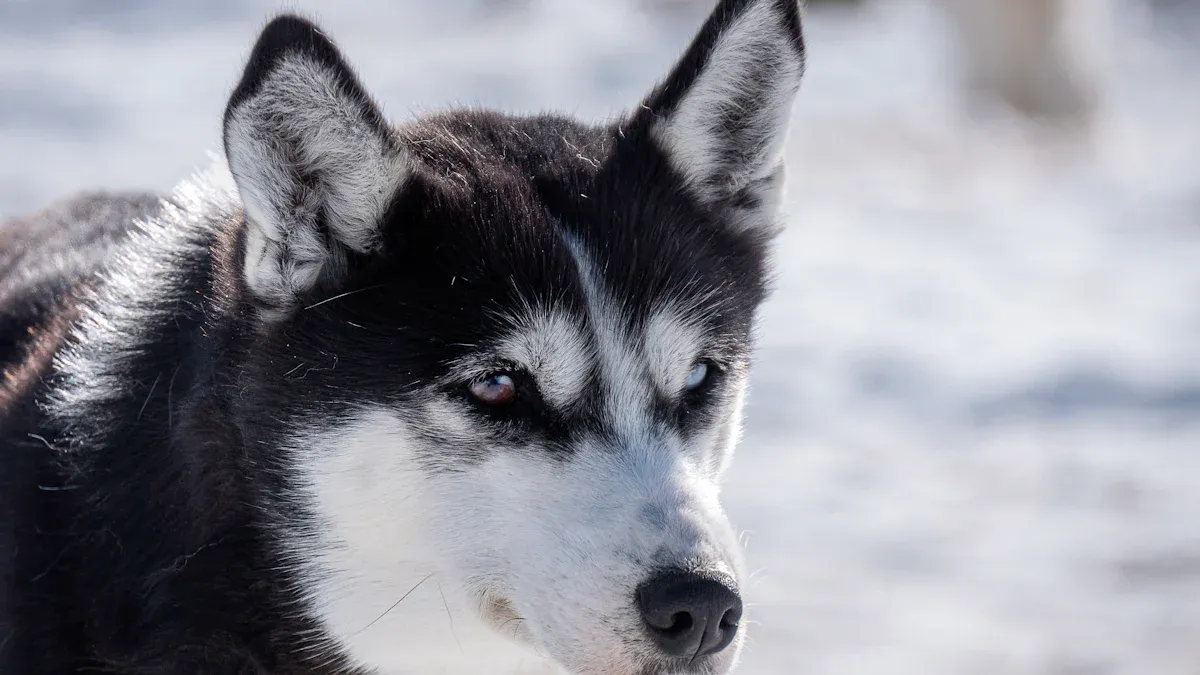
Howling serves as a vital form of communication among Siberian Huskies. This behavior reflects their instinctual need to connect with others, similar to their wild ancestors. Understanding the emotional context of howls can help you interpret your husky’s feelings and needs.
Emotional Context of Howls
Siberian Huskies howl for various reasons, often tied to their emotions. Here are some common emotional states associated with howling:
Attention-Seeking: Your husky may howl when they want your attention, especially if they feel bored or lonely.
Response to Stimuli: Certain sounds can trigger howling, showcasing instinctive reactions common in this breed.
Distress or Discomfort: Howling might indicate pain or illness, signaling that you should investigate further.
Separation Anxiety: When left alone, your husky may howl to express fear and loneliness.
These emotional cues highlight the importance of understanding your husky’s vocalizations. Their howling behavior mirrors that of wolves, emphasizing their evolutionary link to wild canines. Wolves howl to maintain social bonds and communicate with their pack, especially when separated. This instinctual behavior has been inherited by Siberian Huskies, reflecting their pack animal nature and social bonding.
Different Types of Howls
Siberian Huskies produce various types of howls, each serving a unique purpose. Here are some key types:
Communication: Huskies use howling to convey needs and alert others.
Working Background: Their history as sled dogs involved vocal communication over distances.
Expression of Energy: Howling can be a way to release energy or seek attention.
Genetic Factors: Their genetic predisposition influences their vocalization tendencies.
The howling behavior of Siberian Huskies stands out compared to other domesticated breeds. They howl more frequently due to their genetic link to wolves. This connection emphasizes their instinctual need for communication and social interaction. Understanding these howls can deepen your bond with your husky and enhance your ability to respond to their needs.
Managing Excessive Vocalization
Siberian Huskies are known for their vocal nature, which can sometimes lead to excessive vocalization. Understanding the triggers behind this behavior is essential for effective management. By identifying these triggers, you can take steps to reduce unnecessary howling and whining.
Identifying Triggers
Excessive vocalization in Huskies can stem from various issues. Here are some common triggers to consider:
Medical Problems: Conditions like cognitive dysfunction syndrome (CDS), illness, pain, or trauma can lead to increased vocalization.
Psychological Factors: Anxiety or stress can cause your husky to vocalize excessively.
Behavioral Issues: Lack of training or socialization may result in unwanted vocal behaviors.
Environmental Factors:
Isolation and boredom can trigger howling.
Changes in routine or relocating can lead to stress, increasing vocalizations.
Providing a stable and enriching environment is crucial to manage these behaviors.
Recognizing these triggers allows you to address the root causes of your husky’s vocalizations.
Training Techniques
Once you identify the triggers, you can implement effective training techniques to manage excessive vocalization. Here are some strategies that have proven successful:
Positive Reinforcement Training: This method involves rewarding your husky for desired behaviors. For example, when your husky remains quiet, offer treats or praise. Research shows that 94% of Siberian Husky owners report success with this approach.
Teach the ‘Quiet’ Command: Use a consistent verbal cue to signal your dog to stop barking. When your husky responds correctly, reward them.
Reward Calm Behavior: Reinforcing calmness can help reduce excessive barking. When your husky is relaxed, acknowledge their behavior with treats or affection.
Use Clicker Training: This technique marks desired behaviors with a click sound, helping your husky learn quickly.
Redirect Vocal Energy: Engage your husky in alternative activities to channel their energy. Consider these options:
Take your husky on long walks around the neighborhood or in a local park at least once a day.
Join a sport such as flyball, frisbee, rally obedience, or agility.
Create a legal digging pit in your garden filled with soft soil and buried toys to encourage digging.
By implementing these techniques, you can effectively manage your husky’s vocal behavior. Remember, consistency is key. With patience and understanding, you can help your Siberian Husky communicate in a more balanced way.
Understanding your Siberian Husky’s vocalizations enriches your bond with them. Recognizing that howling is a natural behavior helps you adopt effective training methods. Here are some key takeaways:
Huskies howl due to ancestral instincts and heightened hearing abilities.
Their vocalizations serve as social communication or protective instincts.
Positive reinforcement can effectively manage excessive howling.
By appreciating your husky’s unique communication style, you can respond to their needs better. This understanding fosters trust and strengthens your relationship. Remember, a happy husky is a well-understood husky! 🐾
FAQ
What does it mean when my husky howls?
When your husky howls, it often signals a desire for attention or communication. This behavior reflects their instinctual need to connect with you or other dogs.
Why does my Siberian husky bark so much?
Excessive barking in your Siberian husky can stem from boredom, anxiety, or a need for attention. Identifying the triggers can help you manage this behavior effectively.
How can I train my husky to stop howling?
To reduce howling, use positive reinforcement. Reward your husky for quiet behavior and teach them the “quiet” command. Consistency is key in training.
Is howling a sign of distress in huskies?
Yes, howling can indicate distress or discomfort. If your husky howls frequently, check for signs of pain or anxiety. Addressing their needs can help alleviate this behavior.
Do all Siberian huskies howl?
While most Siberian huskies howl, individual behavior varies. Some may howl more than others based on personality and communication needs. Understanding your husky’s unique vocalizations is essential.
