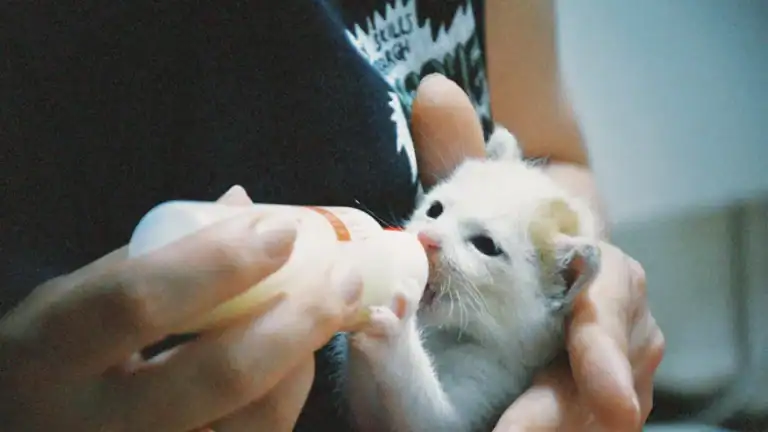


Need to rehome a cat to a shelter? Plan calmly, gather records and proof of ownership, and contact local shelters or rescues about appointments, fees, and intake rules. Pack a carrier, recent medical notes, and any medications, and be honest about behavior and needs. Bring a comforting blanket or toy and ask about temporary care or private rehoming options if more time is available. Shelter staff will screen, assess, vaccinate, and provide care, then guide the next steps.
When to Consider Rehoming Your Cat
Deciding to rehome a cat is one of the hardest choices an owner can face, and noticing once that choice becomes necessary can bring both relief and guilt.
The person might see housing changes like a new no-pet lease or sudden allergies that make keeping the cat impossible.
Financial strain also matters whenever food, routine vet visits, or emergency care are unaffordable.
Behavior issues such as aggression or repeated elimination can harm the home provided training and low-cost support were tried.
Medical needs that exceed available care can force a decision in case assistance is not reachable.
Long term planning helps through mapping options and timelines.
Emotional support from friends, vets, or rescue networks eases the process and keeps belonging intact.
Alternatives to Surrendering Your Cat
After acknowledging that keeping a cat is becoming impossible, many owners feel swamped and alone. The next step can include seeking community resources like pet food banks, low cost clinics, and helplines that offer counseling and referrals to temporary care programs. Owners can investigate private rehoming platforms to find a new guardian while keeping the cat in a home setting. Behavior help and training materials often resolve litterbox or stress issues, linking neatly to financial assistance options once money is the barrier. These choices create a network of support rather than a single option. The table below shows quick pathways and who to contact so the reader can choose what fits their situation and feel supported.
| Pathway | What it offers | Who to call |
|---|---|---|
| Food and vaccine aid | Free food, clinics | Local pet bank |
| Rehoming platforms | Direct guardian match | Online groups |
| Behavior resources | Training tips | Pet support helplines |
| Financial help | Reduced cost care | Assistance lists |
Preparing Your Cat’s Medical Records
Assembling clear and organized medical records eases stress for both owner and animal and speeds help for the cat during getting ready to bring a cat to a shelter.
The owner should prepare a concise medical summary that lists current medications, dosages, administration times, prescription diets, and allergies.
Alongside, include a vaccination timeline showing rabies and FVRCP dates and any recent veterinary notes so staff can review care at intake.
In the event available, add recent fecal, parasite, FeLV FIV tests and last flea tick and deworming dates.
Scan or photograph records and upload them with a current photo while filling the shelter surrender form to speed appointments and care.
Note
How to Find Local Resources and Assistance
Having medical records ready makes it easier to look for local help and support while keeping the cat at home could still be an option.
A person can call regional pet support helplines for crisis counseling, temporary foster alternatives, and referrals to low cost care.
They can also search community resources like pet food banks and local shelters for immediate help with food, supplies, or short term support.
Rehoming platforms and neighborhood groups offer another path to keep the cat in a home setting, and they work alongside shelters when surrender is needed.
In case surrender becomes necessary, the person should complete the shelter intake form online, upload a current photo, and expect a reply within about 48 hours with a scheduled appointment.
Choosing Between Private Rehoming and Shelter Surrender
Once a cat owner faces rehoming, they can try private rehoming initially because it often allows careful vetting of adopters and keeps the cat in a calmer shift.
Should the owner cannot safely screen applicants, needs an immediate placement, or lacks time, surrendering to a shelter becomes the responsible choice since shelters can provide medical care and secure intake.
Grasping the tradeoffs and preparing records, a photo, and questions for the shelter helps the owner make a kinder, safer decision for their cat.
Rehome Privately First
For owners who need to rehome a cat, trying private rehoming initially can ease stress for both the pet and the person.
The owner can use platforms like Home To Home, Rehome through Adopt-A-Pet, and local Facebook or Nextdoor groups to retain control of screening and reduce shelter intake stress.
Create a clear listing with recent photographed temperament shots, age, medical history, and behavior remarks.
Include vet records, vaccination and spay neuter status, and supplies.
Use a simple adoption application, ask for a rehoming fee or vet reference, and arrange neutral meet and greets or home visits with a friend present for safety.
Offer a trial period or temporary caregiving and document neighborhood outreach efforts to support later shelter intake should it be needed.
Shelter Surrender Considerations
After trying private rehoming options, some owners still consider bringing a cat to a shelter. The choice balances control and care.
Private rehoming lets owners meet adopters, share medical history, and ease the cat into a known home.
Shelter surrender offers guaranteed medical attention, broader screening, and professional intake processes that often respond within 48 hours.
Both paths carry emotional impact, so owners should seek support from friends or local prevention programs like pet food banks and low-cost vets.
Practical matters include transport logistics, appointment requirements, and potential fees that vary widely. Ask about reduced-fee options and space limits before traveling.
Clear communication with either adopter or shelter helps the cat shift safely and keeps the owner connected to community resources.
How to Create an Effective Rehoming Listing
Create a clear, warm rehoming listing that helps a cat find the right home quickly and gently. Use a story template to open with a short, loving anecdote that shows personality and builds belonging. Then list facts that build trust and ease decisions. Include clear photos and short videos so viewers see behavior and health.
- Health and history: age, breed or mix, sex, spay or neuter status, microchip, vaccination dates, recent treatments, and any medication needs.
- Personality and compatibility: specific examples like loves laps, OK with children, skittish around strangers, and how they get along with dogs or cats.
- Honest challenges and solutions: litter box habits, separation anxiety, training that helped.
- Logistics: rehoming fee, meeting plan, timeline, and location.
Screening Potential New Guardians
Once the rehoming listing shows a cat’s personality and needs, screening potential new guardians becomes the careful next step to protect the cat and soothe the giver’s worries.
The shelter asks applicants to complete a written application including name, address, landlord permission provided they are renting, household members and ages, and prior pet experience.
Staff check ID, current address, and veterinary records to confirm ability to afford routine and emergency care.
They ask about other pets and request vaccination and spay neuter proof plus temperament history to assess fit.
A phone or in person interview examines daily routine, indoor outdoor plans, litterbox setup, and willingness to allow follow up visits.
Basic screening checklists score key risk factors.
Behavioral assessments and adopter education are offered whenever needed.
Required Documentation for Shelter Intake
Whenever someone brings a cat to a shelter, clear paperwork makes the visit calmer for both the person and the animal.
Staff ask for photo ID and ownership proof like microchip registration or adoption paperwork so everyone feels respected and connected.
They also request medical records showing vaccinations, spay neuter status, and treatments to protect health and build trust.
A behavior questionnaire or separation anxiety form helps staff match the cat with the right care and community.
- Valid photo ID and ownership proof for each cat, including microchip details.
- Current medical records showing vaccines, spay neuter, chronic issues, and recent treatments.
- Completed cat intake form and any behavior questionnaire.
- Adoption paperwork or litter age details whenever applicable.
Scheduling a Surrender Appointment
To arrange a surrender, the owner should complete the shelter’s online form and wait for the staff to confirm an appointment, since walk‑ins cannot be accepted.
For the scheduled time, bring medical records, proof of ownership, and a photo ID, and keep the cat secure in a carrier so staff can review history safely at intake.
Expect the check in to take about 30 minutes and to pay the shelter’s surrender fee, with staff available to answer questions and offer support.
Make an Appointment
While preparing to surrender a cat, people should begin through filling out the shelter’s online cat surrender form and attaching a current photo in case possible, because that starts the process and lets staff see the cat prior to the appointment.
The shelter replies within 48 hours and offers appointment alerts and sometimes virtual consultations to ease stress.
People should then schedule a 30 to 45 minute evaluation by phone or form instructions and confirm hours and location so travel feels safe and predictable.
- Expect a required appointment for non emergency surrenders and do not arrive without confirmation.
- Ask about surrender fees and reduced fee options before booking.
- Bring ID and medical records as requested.
- Reminders no pick up service is available.
What to Bring
After scheduling the appointment, the owner should gather several items that make surrender day calmer for both cat and staff.
The owner brings a printed confirmation of the appointment because shelters cannot accept a cat without one. They also bring a current photo and any completed intake forms to speed the process. In addition, all medical records including vaccinations, spay or neuter, and microchip information should be included for review.
A secure carrier with the cat inside provides transport comfort and a leash or collar can help should it be necessary. Carrier sanitation matters so the carrier is clean and lined with a familiar blanket.
The owner brings a valid photo ID and prepares the required surrender fee with available payment. These steps ease the changeover for everyone involved.
Arrival and Check‑In
At the scheduled time, the owner arrives calm and prepared for a clear, gentle check in process that helps the cat feel safer and the staff work efficiently.
The shelter confirms the appointment, reviews the online surrender form and photo, and records parking logistics so the carrier can be unloaded with minimal stress.
Volunteer greetings are warm and steady, offering a private space for paperwork and a brief behavior and health assessment.
The owner brings medical records and proof of ownership and is told about the expected 30 minute intake and any surrender fee or reduced-fee options.
- Show appointment confirmation and uploaded photo.
- Follow parking logistics instructions for quick entry.
- Hand over carrier, records, and ownership proof.
- Accept volunteer greetings and staff guidance.
What to Bring on the Day of Surrender
What should a person bring on the day they surrender a cat to a shelter?
A printed or digital appointment confirmation is essential because shelters usually do not accept walk ins without a scheduled time.
Bring a valid photo ID and proof of ownership like microchip details, adoption paperwork, or vet records to complete intake.
For the cat, use a secure carrier with a familiar blanket or towel and comfort items to reduce stress.
Also bring a recent photo uploaded or printed for quick identification.
Include medical records, vaccination history, spay or neuter documentation, and a list of medications or special care instructions.
Be ready for transport precautions and to pay the shelter’s surrender fee, and allow 30 to 60 minutes for intake.
What to Expect During the Shelter Evaluation
Handing over a cat to a shelter often leaves a person feeling nervous and sad, so it’s helpful to know what the evaluation will be like.
The appointment lasts about 30 minutes and blends a health check with behavior questions. Staff review medical records, ask about vaccinations and spay or neuter history, and look for injuries or parasites.
They also watch for stress signals while the cat is in the carrier. Transport tips include a secure carrier and a familiar blanket to ease fear.
The intake team asks about litter box habits and socialization. Acceptance depends on space and medical needs, so decisions might be delayed while records are confirmed or care is arranged.
- Brief health check
- Behavior questions
- Carrier temperament
- Capacity review
Surrender Fees and Payment Options
Many shelters request for a surrender fee to help cover the immediate costs of care, and being aware of this ahead of time can relieve some of the worry that comes with leaving a pet. The fee often varies across location and shelter, so callers should confirm the amount and inquire about payment methods accepted. Should finances be tight, staff typically discuss fee waivers, reduced fees, or income based options during intake. Sharing veterinary records could lower the charge. Payment is usually due at intake, so plan which form to use and ask whether online or card options work.
| Topic | What to ask |
|---|---|
| Fee amount | Confirm exact cost |
| Discounts | Ask about records |
| Payment methods | Cash card online |
| Assistance | Fee waivers available |
How Shelters Care for Cats After Intake
After arranging payment and paperwork, staff move quickly to care for the cat as a person would for a nervous friend arriving at a new place.
Intake counseling helps the team learn history and needs, then staff perform a brief health and behavior check and review records to spot vaccines, parasites, or injuries.
They explain steps in calm, kind language to help the owner and cat feel connected.
Quiet enrichment is added while the cat is housed in kennel or foster care to reduce stress and encourage normal behavior.
- Vaccinations and scheduling spay or neuter surgery
- Quarantine and observation for signs of illness for days
- Microchipping, grooming, and temperament evaluation
- Medical and behavior notes guide treatment and adopter info
Keeping in Touch and Follow-Up Options
Shelters usually keep clear lines of contact so the person who surrendered a cat feels informed and supported. Staff ask for preferred contact formats such as phone, email, or text and explain expected timelines for post surrender followups.
People are invited to leave a current photo and notes about behavior or medical needs at drop off. That information helps staff share progress or match the cat with adopters.
Staff often review medical records and might request clarification within 48 hours. Ask about reclaim rules and time limits so you know options and next steps.
Should closure matter, request notifications for spay or neuter, microchip, or adoption and ask how those milestones will be communicated. This creates calm, ongoing connection.