


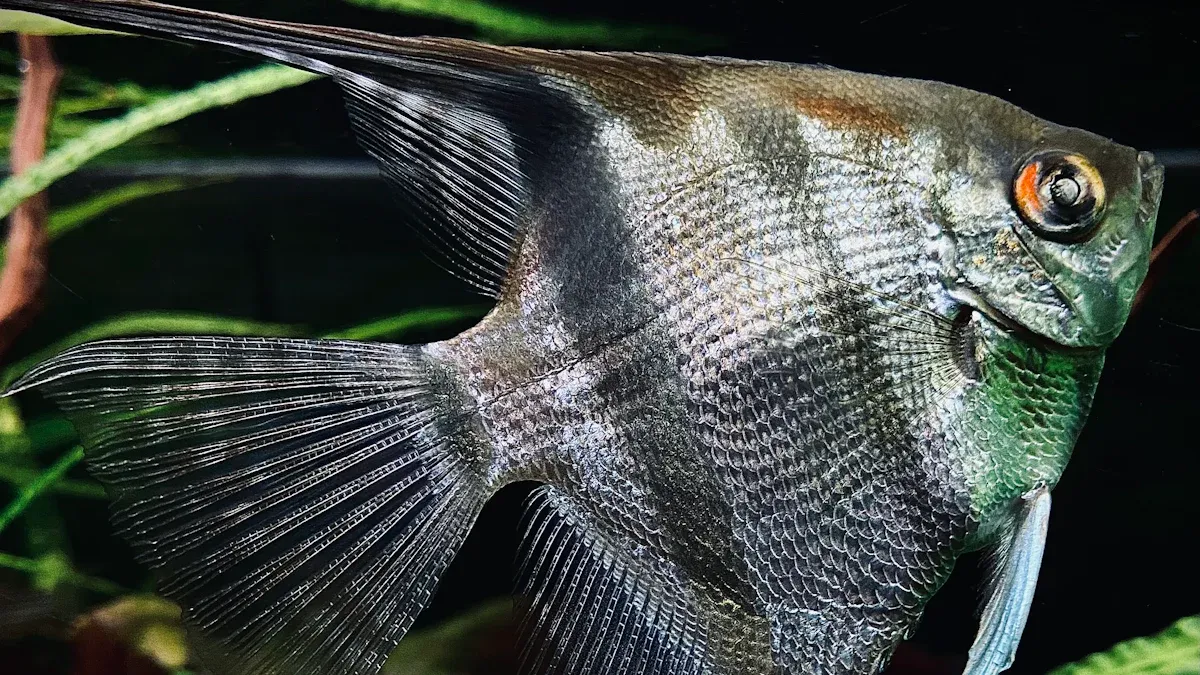
Freshwater angelfish captivate many with their elegant fins and striking colors. These beautiful freshwater fish are global favorites. They rank among the most popular ornamental fish in the U.S. aquarium market. While stunning, angelfish have specific needs. Meeting these needs ensures a rewarding experience for you. This guide helps you provide successful freshwater angelfish care. You will learn about proper tank setup for your angelfish. This ensures your angelfish enjoy health and longevity.
Key Takeaways
Angelfish need a tank that is at least 30 gallons. The tank should be tall, at least 18 inches high, because angelfish grow tall.
Keep the water temperature between 75°F and 82°F. A stable temperature is important for angelfish health.
Feed angelfish a mix of good quality flakes or pellets and frozen foods like bloodworms. Do not feed them too much.
Choose tank mates carefully. Pick peaceful fish that are not too small. Avoid fish that might nip at angelfish fins.
Change about 15% of the tank water every one to two weeks. Clean the filter regularly but do not replace all filter parts at once.
Understanding Angelfish
Angelfish Species Overview
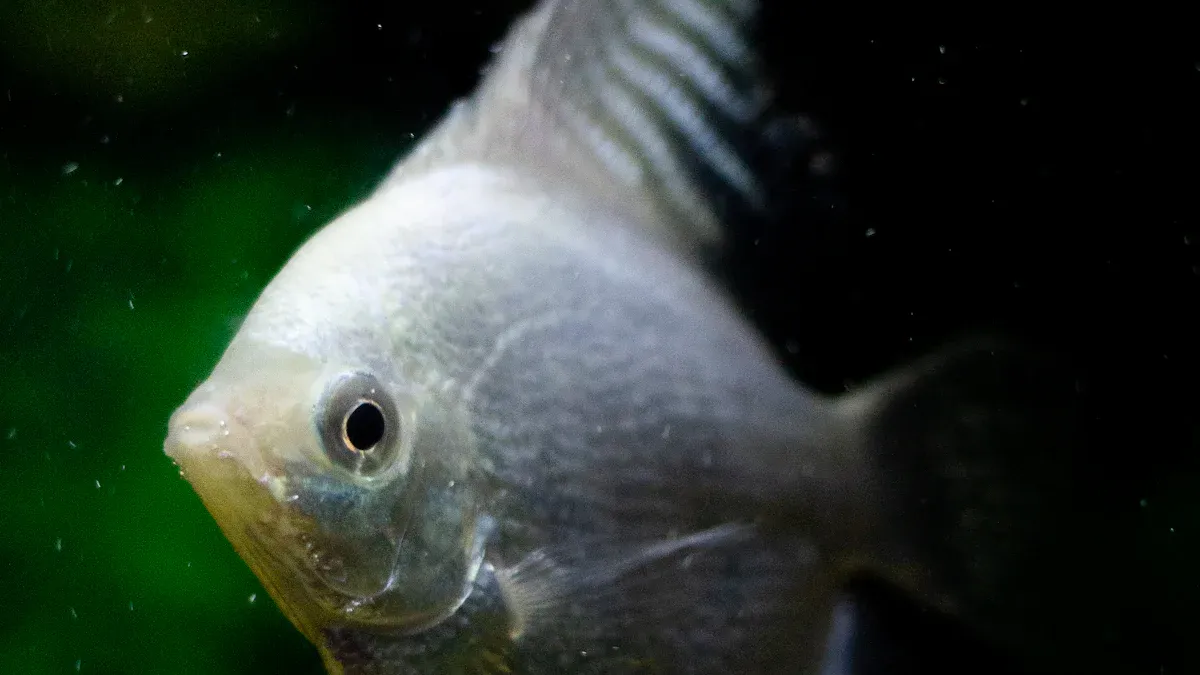
Freshwater angelfish are among the most popular cichlids in the aquarium hobby. You will find many different types available. These fish have been around for decades. Breeders have created numerous strains. You can find koi, marble, zebra, veiltails, and super veils. These varieties showcase a wide range of beautiful colors. Some specific angelfish types you might encounter include:
Colin’s Angelfish
Goldflake Angelfish
Coral Beauty Angelfish
Scribbled Angelfish
Swallowtail Angelfish
Each of these angelfish types brings unique patterns and colors to your tank. Understanding the characteristics of freshwater angelfish helps you choose the right fish for your home.
Natural Habitat and Behavior
Angelfish come from the freshwater rivers and floodplains of South America. You find them mainly in the Amazon Basin and the Orinoco Basin. They also live in various rivers of the Guiana Shield. These fish prefer slow-moving waters. They inhabit areas with dense vegetation and submerged roots. This environment provides them with cover and food.
Angelfish are generally peaceful. However, they can become territorial, especially during breeding. They hunt by hiding among roots and plants. They prey on small fish, shellfish, and insect larvae. Male angelfish expand their fins or shake to attract mates. They also do this to appear larger when threatened. Angelfish often form monogamous pairs. They work together to protect their eggs and young. One parent defends the territory while the other finds food. They fan their eggs with their fins to give them more oxygen and remove debris.
Angelfish Lifespan and Size
Freshwater angelfish can live a long time in captivity. They typically live between 8 to 12 years. With excellent care and a stable environment, they might even live longer. Without proper conditions, their lifespan can be much shorter.
Angelfish are known for their tall bodies. Their long, vertical fins give them this unique shape. While their body can reach about 6 inches (15 cm) in length, their fins add to their height. A fully grown angelfish can stand about 8 inches (20 cm) tall. This makes them a striking addition to your aquarium.
Creating a Freshwater Angelfish Aquarium: Setup Essentials
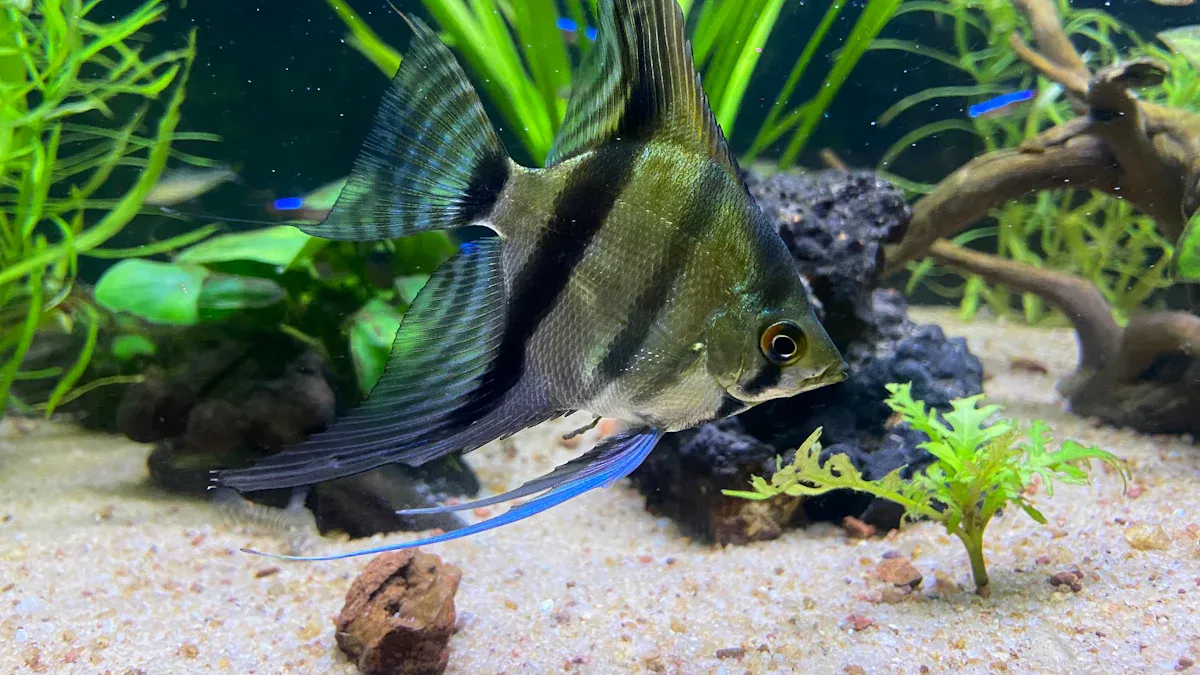
Setting up the right home for your angelfish is crucial for their health and happiness. Creating a freshwater angelfish aquarium involves several key components. You need to choose the right tank, substrate, filtration, heating, lighting, and decor. Each element plays a vital role in mimicking their natural environment.
Tank Size and Shape
Choosing the correct tank size is the first step. A long-standing guideline suggests 10 gallons per adult angelfish. You should consider a minimum of a 30-gallon tank for your angelfish. While a 29-gallon tank might work for a single male for a few months, it is too small for a permanent home. A 29-gallon tank is often ample for a single female angelfish. Larger tanks are always better, even though angelfish are not super active. They can move very fast when startled.
Angelfish grow significantly in height. They can reach up to 10 inches as adults. Therefore, a tall fish tank is essential. This accommodates their vertical growth and ensures their well-being. You should look for a tank with a minimum height of 18 inches. Tanks that are 21 or 24 inches tall are even better.
Substrate Choices
The substrate forms the bottom layer of your aquarium. You have several good options for your angelfish tank.
Aquarium soil: Choose a nutrient-rich substrate. This encourages beneficial bacteria and live plant growth.
Aquarium gravel: You can use gravel. Avoid sharp gravel to prevent injury to your angelfish’s delicate fins.
Aquarium sand: Sand is another suitable choice. It provides a natural look and is soft on fins.
Filtration Systems
A good filtration system keeps your water clean and healthy. For individual aquariums, simple and effective filters are often sufficient. You do not need to invest in overly expensive or complex central filtration systems.
Many aquarists suggest sponge filters as a good option for angelfish tanks. These filters create a gentle water flow. Some experienced angelfish keepers successfully use HOB (Hang-On-Back) and canister filters. They even use high GPH (gallons per hour) filtration. Their angelfish remain active and even spawn. One user observed their angelfish actively enjoying strong water flow from a powerhead. They used it for exercise. Most angelfish adapt well to strong water flow, even if some do not prefer it. A combination of air-driven sponge and box filters is also a good recommendation. Fluval C series filters also receive high recommendations from some users.
Heating and Temperature Control
Maintaining a stable temperature is critical for angelfish care. Freshwater angelfish thrive in water temperatures between 75°F to 82°F (24°C to 28°C). They can tolerate a wider range of 72-86°F. Slightly warmer temperatures are often preferred. These temperatures increase activity and help prevent parasites. Their immune system functions best at higher temperatures.
An ideal temperature for angelfish is often 78-80°F. Higher temperatures promote faster growth and more frequent breeding. They also improve immune response. However, this may lead to shorter lifespans due to increased metabolism. You must use a reliable heater and thermometer. This helps maintain a consistent temperature within this range.
Lighting
Proper lighting supports plant growth and helps regulate your angelfish’s day-night cycle. You need to provide light for a specific duration each day.
Context | Recommended Daily Light Hours |
|---|---|
General Angelfish Health | 8 to 12 hours |
Breeding (Spawning) | 10 to 12 hours |
Fry Growth (0-2 Weeks) | 8 to 10 hours |
Fry Growth (2-4 Weeks) | 10 to 12 hours |
Fry Growth (4+ Weeks) | 12 hours |
Maintaining Water Quality | 8 to 10 hours |
Reducing Stress | 8 to 10 hours |
For general angelfish health, aim for 8 to 12 hours of light per day. This schedule helps maintain water quality and reduces stress for your fish.
Decor and Hiding Spots
Angelfish appreciate a well-decorated tank. Decor provides security and visual interest. You should provide dense cover. Tall, large-leaved plants like Amazon swords are excellent choices. They mimic the natural habitat of freshwater angelfish. These plants offer hiding spots and a sense of security. You can also add driftwood or smooth rocks. These items create more visual barriers and territories.
Optimal Water Parameters for Angelfish Care
Maintaining stable water parameters is essential for the health of your angelfish. You must understand these key factors. They directly impact your fish’s well-being.
Temperature Range
You already know angelfish need specific temperatures. Stable water parameters are crucial. This includes a temperature between 78-82°F (25-28°C). This range helps your angelfish thrive. Consistent temperatures prevent stress and disease.
pH Level
The pH level measures how acidic or alkaline your water is. For angelfish, you want a slightly acidic to neutral pH level. Different sources suggest varying ideal pH ranges. Some angelfish websites recommend 6.8 to 7.6. Others indicate 5.8 to 7.0. One breeder found their best results with a pH no higher than 7. However, they kept angelfish successfully up to 7.8. Another user suggested a pH between 6 and 7. You should aim for a stable pH within this general range. Consistency is more important than hitting an exact number.
Hardness (GH/KH)
Water hardness refers to the amount of dissolved minerals. GH measures general hardness. KH measures carbonate hardness. Angelfish prefer soft to moderately hard water. You should aim for a GH between 3-8 dGH (50-150 ppm). A KH between 1-4 dKH (18-70 ppm) is also good. These levels help maintain stable pH and provide essential minerals. Achieving these ideal conditions supports your angelfish care.
Ammonia, Nitrite, Nitrate
Understanding the nitrogen cycle and regular testing is crucial. Ammonia and nitrite are very toxic to fish. They should always be at zero parts per million (ppm). Nitrates are less harmful but still need monitoring. For adult tropical fish, including freshwater angelfish, nitrate levels up to 40 ppm are generally harmless. Levels around 80 ppm might cause slight health problems. Higher levels, like 160 ppm, could shorten their lifespan. Seriously adverse consequences happen at 320 ppm. 640 ppm can be lethal. Regular water changes help keep these levels low. This is a vital part of angelfish care.
Angelfish Diet and Feeding
Proper nutrition is vital for your angelfish. A balanced diet keeps them healthy and vibrant. You must understand what to feed them, how often, and how much. This section covers the essential aspects of feeding freshwater angelfish.
What to Feed Angelfish
Your angelfish need a varied diet. This includes high-quality commercial foods and protein-rich options. For the best food for angelfish, consider these choices:
Commercial Foods:
Omega One flakes and Omega One+ Sinking Pellets are excellent.
New Life Spectrum Thera A Pellets and other NLS products are good.
Hikari and Xtreme brands offer quality flakes and wafers.
Ensure pellets are the right size. Smaller angelfish need very small pellets.
Frozen and Live Foods:
Frozen bloodworms are a favorite for many fish. They are often preferred over brine shrimp.
Hikari frozen bloodworms and mysis shrimp provide good protein.
Bio-Pure® Mega-Marine™ Angel is a frozen food designed for marine angelfish. It contains proteins and natural sponges. This food is enriched with Bio-Encapsulated Multi-Vitamins. It offers superior nutrition. It is free of harmful parasites and bacteria.
Freeze-dried bloodworms are also an option. However, avoid too many freeze-dried foods. They can create more waste.
Feeding Frequency and Portion Sizes
You should feed adult angelfish once or twice a day. Young angelfish need more frequent meals. Feed them two to three times daily. Offer only what your angelfish can eat in two to three minutes. This prevents food from sitting in the tank.
Avoiding Overfeeding
Overfeeding is a common mistake. It can harm your angelfish. Excess food leads to more waste. This overworks your filtration system. A continued overload can disrupt the nitrogen cycle. This creates bacteria-rich, poor-quality water. Poor water quality, due to bacterial toxins, harms fish health. It can even be lethal. Juvenile fish fed too much can develop fatty livers. Fish fed higher amounts of food are generally less healthy. This is due to increased bacteria in the water. Always be mindful of your angelfish’s diet. This careful care ensures their long-term well-being.
Angelfish Tank Mates: Choosing Wisely
Choosing the right tank mates for your angelfish is very important. Angelfish can live alone. However, if you want to add other fish to your aquarium, you must choose wisely. You need to pick species that get along with your angelfish. This prevents stress and aggression in your tank.
Compatible Species
Many fish can live peacefully with your angelfish. You should look for fish that are not too small and do not nip fins. Here are some good choices for angelfish tank mates:
Corydoras Catfish: These are peaceful bottom dwellers. They are social and prefer groups of at least five.
Ram Cichlids: These dwarf cichlids have vibrant colors. They need very clean water.
Molly Fish: These are hardy fish. They can breed easily and prefer water with a higher pH.
Kribensis: These small dwarf cichlids are peaceful. Keep them in pairs.
Rosy Tetras: These are small, peaceful schooling fish. They are safe with larger angelfish. Keep them in groups of six or more.
Zebra Danios: These hardy fish are lively and peaceful. They add activity without bothering your angelfish.
Cardinal Tetra: These are very colorful and peaceful schooling fish. They are ideal in groups of six or more.
Bristle Nose Plecos: These peaceful bottom dwellers eat algae. They are excellent for keeping your tank clean.
Otocinclus Catfish: These amazing algae eaters help keep the tank clean. Introduce them to mature tanks.
Praecox Rainbow Fish: These schooling fish liven up the aquarium. Keep them in groups of six or more.
Harlequin Rasbora
Black Skirt Tetra: These are peaceful schooling fish and active swimmers. Keep them in groups of six or more.
Keyhole cichlids
Siamese algae eaters
Dwarf gourami fish
Discus fish
Kuhli loach
Incompatible Species
You must avoid certain fish. Do not add fin nippers to your angelfish tank. Fish like tiger barbs can nip at the long, flowing fins of your angelfish. This causes injury and stress. Also, avoid very small fish. Your angelfish might see them as food. This is especially true for young angelfish.
Angelfish Aggression
Angelfish are generally peaceful. However, they can show aggression. This often happens when they are breeding. They become territorial and protect their eggs and fry. If you keep multiple angelfish, ensure your tank is large enough. This provides space for each fish to establish its own area. Proper care helps reduce aggression.
Ongoing Angelfish Care and Maintenance
Maintaining your aquarium properly ensures your angelfish thrive. Consistent care prevents many problems. You will keep your angelfish healthy and happy with regular maintenance. This section guides you through essential ongoing tasks.
Regular Water Changes
Water changes are crucial for a healthy angelfish tank. They remove nitrates and replenish essential minerals. You must perform water changes regularly.
Frequency: Perform water changes approximately every one to two weeks.
Volume: For a 55-gallon tank, change about 15% of the water. This means removing about 5 gallons. You should also replace any water lost to evaporation.
Always use dechlorinated water for changes. Match the new water’s temperature to your aquarium water. This prevents temperature shock for your angelfish. Regular water changes are a cornerstone of good angelfish care.
Filter Maintenance
Your filter keeps the water clean. It removes waste and houses beneficial bacteria. You need to clean your filter regularly. However, do not over-clean it.
Rinse filter media: Rinse sponges and other mechanical media in old aquarium water. Do this during your water changes. This removes trapped debris without killing beneficial bacteria.
Avoid tap water: Tap water contains chlorine. Chlorine kills beneficial bacteria.
Do not replace all media: Never replace all filter media at once. This removes too many beneficial bacteria. Your tank can then experience a mini-cycle. Replace media in stages if needed.
Proper filter maintenance supports a stable environment for your freshwater angelfish.
Common Diseases
Even with the best care, angelfish can get sick. Knowing common diseases helps you act quickly. You can identify problems early.
Angelfish Virus: This is a very infectious and often deadly disease. Symptoms appear quickly, usually within 2-4 days. You might see clamped fins, excess slime, and listlessness. The fish often points its nose slightly up and stays at the bottom of the aquarium. The infectious period lasts about 3 weeks. Surviving fish can carry the virus for up to six months. This virus progresses much faster than other infections. It often leads to death in 3-5 days.
Flagellates: These are protozoans like Hexamita. They cause problems when angelfish are stressed. You may notice white, chalky feces and a decreased appetite. Fish with flagellates are prone to other infections.
Angelfish Parasites: Common parasites include nematodes like Capillaria and gill flukes. Capillaria causes loss of appetite. Your fish might mouth food and then spit it out. You will also see progressive thinning of the fish. Gill flukes are also a frequent issue.
Observe your angelfish daily. Look for any changes in behavior or appearance. Early detection improves treatment success.
Preventing Stress and Illness
Stress weakens your angelfish’s immune system. A weak immune system makes them vulnerable to diseases like Dropsy. You can prevent stress by providing optimal conditions.
Primary causes of stress include:
Poor water quality
Ammonia or nitrite spikes
Large drops in water temperature
Stress from transportation
Improper nutrition
Aggressive tankmates
Other diseases
Stress also contributes to Head and Lateral Line Erosion (HLLE). Angelfish are especially prone to HLLE. Key stressors for HLLE include:
Poor nutrition
Stray voltage
Poor water quality
Sudden changes in temperature, salinity, or lighting
Aggressive behavior from incompatible tankmates
Loud noises or vibrations
You must maintain stable water parameters. Provide a balanced diet. Choose compatible tank mates. Keep your aquarium quiet and stable. These actions help prevent stress. A stress-free environment leads to healthy angelfish. This ensures your freshwater angelfish live a long, vibrant life.
Breeding Angelfish (Optional Advanced Section)
Breeding angelfish can be a rewarding experience. This advanced section guides you through the process. You will learn how to identify sexes, create spawning conditions, and raise fry. Successful breeding requires careful observation and specific environmental controls.
Identifying Male and Female Angelfish
Telling male and female angelfish apart can be tricky. You often need to observe them closely, especially during breeding time. Look for these subtle differences:
Male Angelfish:
They generally have a more rounded crown. This is the area right above their eyes.
Males grow faster than females.
They possess a more fatty and robust body.
Female Angelfish:
Females have a straighter line from their dorsal (top) fin to their eyes. During breeding, their breeding tubes (papillae) become more distinct. The female’s tube is blunt and wider. The male’s tube is thinner and pointed.
Spawning Conditions
Creating the right environment encourages angelfish breeding. You need specific water parameters and tank conditions.
Temperature: Maintain water temperature between 72° and 82°F. Extreme temperatures can lead to infrequent spawns or reduced oxygen levels for eggs. Ideal breeding temperatures are between 78-86°F. Many breeders choose 82°F for breeding and raising fry.
Water Hardness: If your water is very hard, consider using Reverse Osmosis (RO) or de-ionizer water. This prevents eggs from failing to harden properly.
Tank Size: Place the breeding pair in a large tank. A 40-gallon tank or bigger works well. Keep them by themselves.
Environment: Ensure the aquarium is away from traffic and sudden movements. This provides a secure environment for breeding.
pH: Angelfish adapt to a pH range of 6.0 to 8.0. A neutral pH is generally preferred for breeding.
Diet: Feeding frozen bloodworms is an effective method. This can quickly induce spawning in adult angelfish. Proper care helps ensure successful breeding.
Raising Fry
After successful breeding, you will have tiny angelfish fry. Raising them requires dedication. You must provide clean water and tiny foods. Newly hatched fry feed on their yolk sacs first. Then, you will need to offer specialized fry food. This includes newly hatched brine shrimp or microworms. Consistent water quality is vital for their survival and growth. This part of angelfish care is very rewarding.
Consistent care and proper tank setup are vital for your freshwater angelfish. You now understand their specific needs. This includes optimal freshwater parameters, a balanced diet, and a suitable freshwater environment. With dedication, you will enjoy your magnificent angelfish for many years. Successful angelfish keeping is a rewarding experience.