


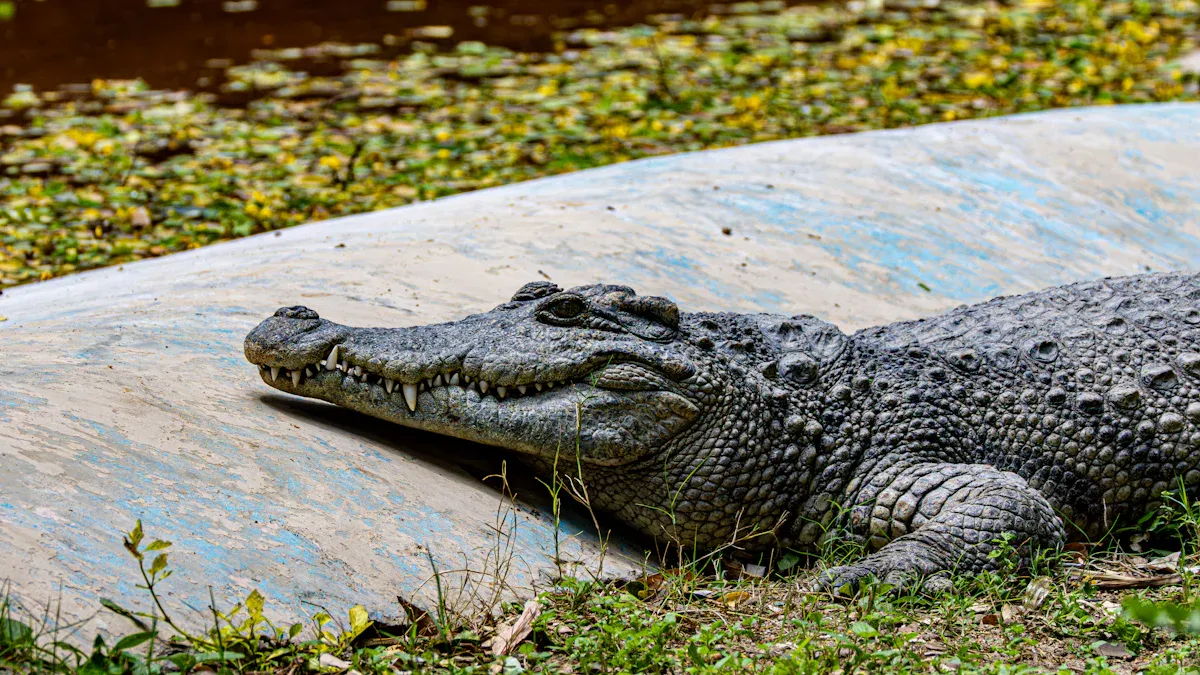
The Mugger Crocodile Species stands out with its robust build and broad snout, making it a fascinating creature in the wild. As an apex predator, this species plays a crucial role in maintaining the balance of freshwater ecosystems. You might be surprised to learn that the estimated global population of the Mugger Crocodile Species ranges from 5,000 to over 10,000 individuals. These crocodiles not only regulate smaller animal populations but also enrich their habitat. Their droppings provide vital nutrients for fish, supporting aquatic life. Understanding the habitat and conservation status of the Mugger Crocodile Species is essential for ensuring its survival.
Key Takeaways
The Mugger Crocodile is a large predator that helps maintain balance in freshwater ecosystems.
Mugger crocodiles can grow up to 18 feet long and weigh over 1,000 pounds, with males being larger than females.
These crocodiles live in rivers, lakes, and marshes across South Asia, with significant populations in India and Nepal.
Habitat loss, pollution, and human conflicts threaten the survival of the Mugger Crocodile, which is classified as Vulnerable.
Conservation efforts, including protected areas and community involvement, are essential for the survival of the Mugger Crocodile.
Characteristics of the Mugger Crocodile
Size and Appearance
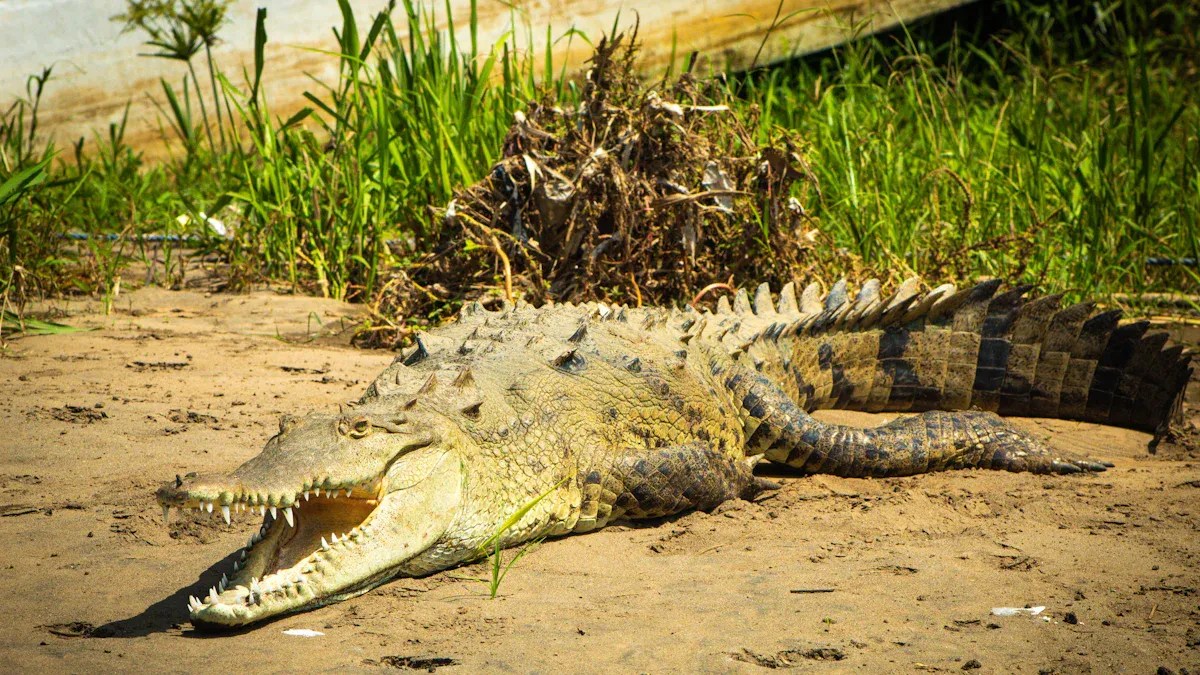
The mugger crocodile, scientifically known as crocodylus palustris, exhibits impressive physical traits. Adult males typically average around 10 feet (3 meters) in length, while females are smaller, averaging about 7.4 feet (2.45 meters). Some older males can grow even larger, reaching lengths of 13 to 18 feet (4 to 4.5 meters) and weighing over 1,000 pounds (450 kg). Here are some key size facts:
Male mugger crocodiles average 10 feet (3 meters) long.
Female mugger crocodiles average 7.4 feet (2.45 meters) long.
The largest adults can weigh as much as 700 kg (1,540 pounds).
Mugger crocodiles can grow to lengths of 4 to 5 meters (13 to 16.5 feet). Most adults weigh about 450 kg (990 pounds), but some can reach up to 700 kg (1,540 pounds). This size makes them one of the larger crocodilian species, though they are smaller than the saltwater crocodile and gharial.
Distinctive Features
The mugger crocodile has several distinctive features that set it apart from other crocodilian species. Its broad, flat snout is one of the most notable characteristics. This unique shape allows the mugger to grasp its prey effectively while remaining stealthy. The broad snout also provides a functional advantage during hunting. As noted,
“The snout of this Mugger has expanded; this head-on view allows the crocodile to grasp its prey without getting any attention.”
In addition to its snout, the mugger crocodile has a robust body and thick, rough scales that help it blend into its freshwater habitat. Here are some key features:
Feature | Description |
|---|---|
Size | Males are broader and heavier than females, especially noticeable in the head and neck region. |
Head Shape | Large and broad head with prominent eyes and nostrils on top of the snout. |
Snout | Distinctive bulge at the end of the snout, setting it apart from other species. |
Body Build | Robust and muscular body, particularly in males. |
These characteristics not only make the mugger crocodile a fascinating creature but also play a crucial role in its survival within freshwater ecosystems.
Habitat of the Mugger Crocodile
Geographic Range
The mugger crocodile, or crocodylus palustris, has a wide geographic distribution. You can find established populations in several countries across South Asia. Here’s a quick overview of where these crocodiles live:
Country/Region | Specific Locations | Notes |
|---|---|---|
India | Uttar Pradesh, Gujarat, Vishwamitri River, Katarniaghat Wildlife Sanctuary | Attacks are common; 35 attacks in 2023, 13 fatal in UP, 11 fatal in Gujarat. |
Iran | Sistan and Baluchestan Province, Sarbaz River, Pishin Dam | 8 attacks reported from 2012-2021, 1 fatality. |
Nepal | Chitwan National Park, Koshi Tappu Wildlife Reserve, Ghodaghodi Lake, Gandak River | 20 attacks reported, 6 fatalities. |
Pakistan | Sindh Province, Deh Akro II, Nara Canal, Chotiari Reservoir, Haleji Lake | Attacks not common; fatalities in 2014, 2020, 2021. |
Sri Lanka | Yala National Park, Wilpattu National Park, Bundala National Park, Udawalawe National Park | 54 attacks in the last decade, 37 fatalities; co-exists with saltwater crocodile in some areas. |
Over the past 50 years, the range of the mugger crocodile has changed significantly. In 1984, sightings were limited to upper reaches of rivers. By 2015, sightings increased to over 400, showing an expansion throughout entire river systems.
Preferred Environments
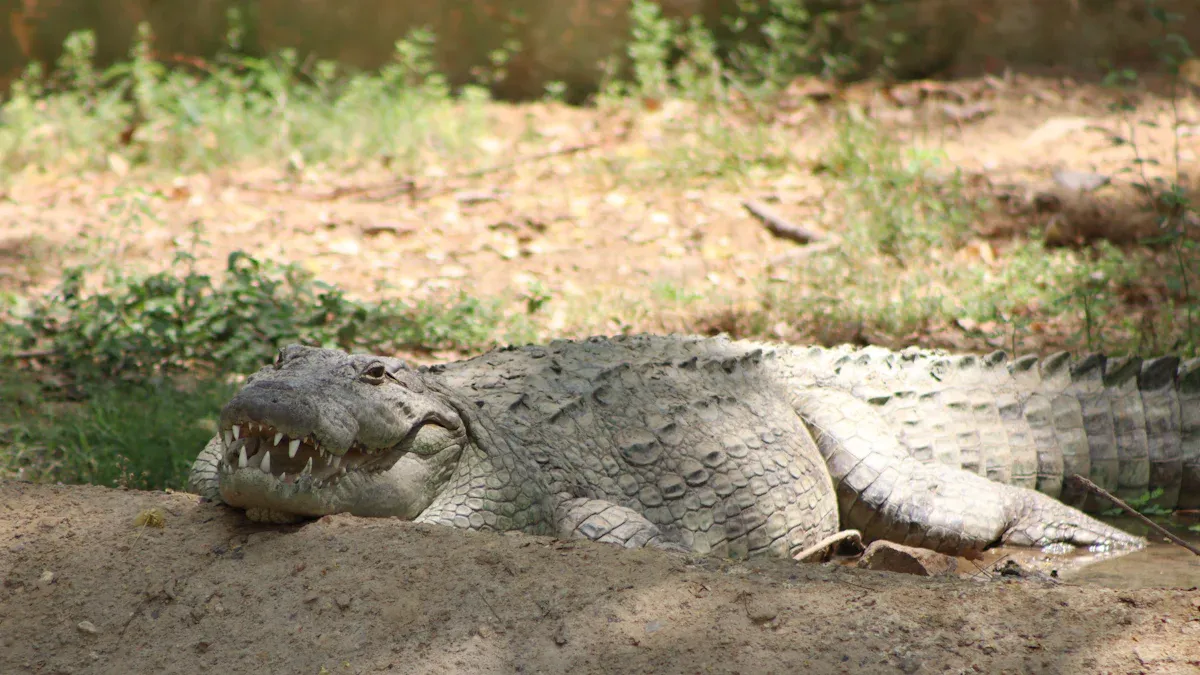
Mugger crocodiles thrive in various freshwater ecosystems. They prefer habitats such as rivers, lakes, and marshes. These environments provide essential resources for their survival. Seasonal changes in water availability can influence their habitat selection. For example, the river bank aspect and slope play significant roles in where they choose to nest and bask.
Here’s a summary of factors affecting their habitat selection:
Factor | Influence on Habitat Selection |
|---|---|
River bank aspect | Significant |
River bank slope | Significant (moderate and steep) |
Anthropogenic disturbances | Significant |
Understanding the habitat of the mugger crocodile helps you appreciate its role in freshwater ecosystems. Protecting these environments is crucial for the survival of this remarkable species.
Diet and Behavior of the Mugger Crocodile
Feeding Habits
The diet of the mugger crocodile varies significantly throughout its life stages. As hatchlings, they primarily consume small critters. You can expect to find them eating:
Snails
Small fish
Crustaceans
Insects
Tadpoles
Juveniles require similar food types to grow. They need enough nutrition to reach a length of about 2 meters. As they mature, their diet expands to include larger prey. Adult mugger crocodiles often hunt fish, birds, and small mammals. Their powerful jaws and stealthy approach make them effective hunters in their freshwater habitats.
Social Behavior
Mugger crocodiles exhibit interesting social behaviors. They communicate using both visual and audible signals. During mating seasons, their interactions become particularly noticeable. Here are some key aspects of their social behavior:
They display gregarious behavior, often gathering in groups.
Vocalizations are common, especially between adults and their young.
Males establish territories through body postures like snout raising and tail thrashing.
A dominance hierarchy exists among mugger crocodiles. Males use visual and audible signals to assert their status. This social structure helps maintain order within their populations. Understanding these behaviors enriches your knowledge of the mugger crocodile’s life and interactions in the wild.
Conservation of the Mugger Crocodile Species
Threats to Survival
The mugger crocodile species faces several significant threats that jeopardize its survival. Habitat modification ranks as a severe threat, particularly in the lake complex where these crocodiles reside. Urbanization and agricultural expansion lead to habitat loss, forcing crocodiles closer to human settlements. This situation increases human-animal conflicts, which can be dangerous for both parties.
Here’s a summary of the main threats:
Threats | Description |
|---|---|
Habitat Modification | Ranked as a severe threat to mugger crocodiles in the lake complex. |
Illegal Fishing | Identified as a major threat impacting the population. |
Unmanaged Infrastructure Development | Contributes to habitat loss and fragmentation. |
Pollution | Affects the health of the crocodile populations in the area. |
In India, pollution, habitat fragmentation, and increasing human-animal conflict severely impact wildlife, including the mugger crocodile. Habitat loss due to human activities, such as land conversion for agriculture and industry, has led to significant declines in mugger crocodile populations. This degradation forces crocodiles closer to human settlements, increasing conflicts and further threatening their survival.
The current IUCN Red List status of the mugger crocodile is classified as Vulnerable (VU). This classification reflects the risk of extinction assessed through population size, habitat loss, and human threats.
Conservation Efforts
Conservation efforts for the mugger crocodile are crucial for its survival. Various programs and protected areas have been established to safeguard this species. Here are some notable initiatives:
The mugger crocodile (Crocodylus palustris) is found in and around Koshi Tappu Wildlife Reserve, Nepal.
Research indicates challenges faced by mugger crocodiles due to competition for dwindling fish resources.
Additionally, specific projects aim to protect the mugger crocodile population. For example, the “Conservation of Mugger Crocodiles in Charotar Region” project in India focuses on habitat assessment and community awareness. This project has been ongoing since 2013 and receives funding from the Rufford Small Grant Program and Idea Wild.
Captive breeding and reintroduction programs have also shown effectiveness in increasing mugger crocodile populations. Within the National Chambal Sanctuary, the population rose from just 19 individuals in 1984 to 674 individuals by 2019. This remarkable growth is largely due to the sanctuary’s protective environment and the species’ adaptability to various ecological conditions.
Local communities play a vital role in conservation efforts. Their engagement in initiatives enhances environmental stewardship and community well-being. Participation in events contributes to meaningful conservation efforts, while tracking crocodile populations builds connections with local communities living alongside these reptiles.
The Mugger crocodile plays a vital role in maintaining the health of freshwater ecosystems. Conservation efforts, such as establishing protected areas, are crucial for combating habitat destruction and human-crocodile conflicts. These initiatives not only help ensure the survival of the Mugger crocodile but also support biodiversity.
You can contribute to these efforts by:
Educating yourself about crocodiles through books and documentaries.
Sharing your knowledge on social media to raise awareness.
Supporting organizations focused on reptile conservation.
By taking these steps, you can help protect the Mugger crocodile and its habitat for future generations. Together, we can make a difference! 🐊🌍
FAQ
What is the lifespan of a Mugger Crocodile?
Mugger crocodiles can live up to 70 years in the wild. Their lifespan varies based on environmental conditions and threats they face.
Are Mugger Crocodiles dangerous to humans?
Yes, mugger crocodiles can be dangerous. They may attack if they feel threatened or if humans venture too close to their nests.
What do Mugger Crocodiles eat?
Mugger crocodiles primarily eat fish, birds, and small mammals. Hatchlings consume insects and small aquatic creatures.
How can I help conserve Mugger Crocodiles?
You can support conservation by educating others, donating to wildlife organizations, and participating in local clean-up efforts to protect their habitats.
Where can I see Mugger Crocodiles in the wild?
You can see mugger crocodiles in various national parks and wildlife reserves across South Asia, including India, Nepal, and Sri Lanka. Always observe from a safe distance. 🐊
