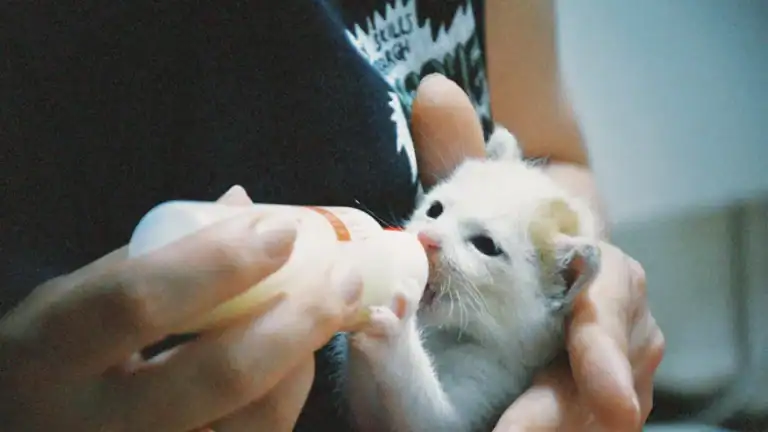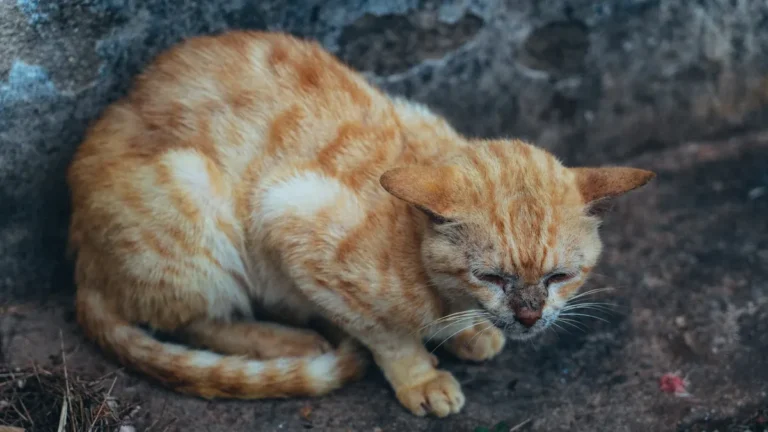


Rosemary extract is a concentrated plant oil used to preserve food and add flavor, but cats process these oils poorly so caution is needed. Small amounts of fresh or dried rosemary in food are usually tolerated, yet extracts and essential oils contain terpenes like camphor and linalool that can harm a cat’s liver and nervous system. Signs of exposure include vomiting, drooling, tremors, trouble breathing, lethargy, skin redness, and loss of appetite. Keep oils and concentrated extracts locked away, avoid topical use on pets, watch for any changes, and contact a veterinarian right away should a cat shows concerning symptoms because prompt care can make a big difference.
What Is Rosemary Extract and How Is It Used
As a gentle introduction, rosemary extract is a concentrated form of the common kitchen herb that captures its flavor and natural compounds in a stable, easy-to-use ingredient.
It is used to preserve foods and as a culinary preservative in many recipes and packaged items, where its antioxidant properties help slow spoilage.
The extract appears in oils, seasonings, and commercial pet foods at controlled levels. Whenever used correctly it adds mild flavor and might extend shelf life, yet it carries stronger compounds than the fresh leaf.
Caregivers should know causes of upset include too much intake or exposure to concentrated forms, which could cause digestive and neurological signs in sensitive animals.
Watch pets closely and consult a veterinarian should concerns arise.
Is Rosemary Safe for Cats to Eat
Whenever considering whether rosemary is safe for a cat to eat, it helps to compare fresh and dried forms because each can affect a cat differently.
Small amounts of fresh or dried rosemary, such as a pinch or up to a quarter teaspoon, are generally tolerated, but larger servings can cause stomach upset from concentrated oils and should be avoided.
Watch for signs of digestive distress such as vomiting, diarrhea, drooling, or lethargy and seek veterinary advice should these symptoms appear.
Fresh vs. Dried
For a cat owner who wants to add a little flavor to meals or keep herbs in the kitchen, the choice between fresh and dried rosemary matters for safety and comfort.
Fresh rosemary gives a brighter culinary aroma and softer texture when finely chopped, but coarse sprigs can irritate a cat’s mouth and throat.
Dried rosemary has concentrated oils and firmer texture differences that could be harder to chew and could upset sensitive stomachs should eaten in larger amounts.
Both forms can cause vomiting or diarrhea ought too much be eaten, and essential oil exposure raises risks of tremors or breathing problems.
Owners should monitor pets, keep rosemary out of reach, and consult a vet promptly ought any abnormal signs appear after contact or ingestion.
Amounts and Dosing
One teaspoon or a tiny pinch of rosemary added to a cat’s food is generally safe, but the dose matters a great deal because cats process plant oils differently than people. A caregiver should follow clear dosage guidelines and respect feline metabolism limits. Small dried pinches or up to a quarter teaspoon spread over meals are usual safe ranges. Concentrated extracts and essential oils must be avoided entirely due to high potency. The table below gives a simple image of quantities and caution levels.
| Form | Typical Amount | Caution Level |
|---|---|---|
| Fresh leaf | Tiny pinch | Low |
| Dried herb | 1/8 to 1/4 tsp | Low to moderate |
| Food extract | Regulated mg/kg | Moderate |
| Essential oil | Any amount | High |
| Concentrate | Avoid | Very high |
Signs of Upset
Frequently, a cat owner notices subtle changes before they see obvious illness, and identifying premature signs of upset after rosemary exposure can prevent serious problems.
A cat could show digestive causes like vomiting and diarrhea after eating too much rosemary or licking oil on fur.
Behavioral changes often appear next. The cat may hide, seem withdrawn, or act restless.
Neurological signs such as tremors or confusion can develop with oil exposure, and breathing could become shallow or noisy.
Physical signs include excessive drooling, red mouth, and changes in coat texture such as dullness or greasiness.
Owners should watch energy level, appetite, stool, and grooming. Should multiple signs appear, seek veterinary care promptly for testing and supportive treatment.
Why Rosemary Essential Oil Is Dangerous for Cats
Smelling strongly and concentrated, rosemary essential oil can harm cats because their bodies cannot metabolize the oil the way humans do. Cats have metabolic vulnerability due to an enzyme deficiency in their liver that prevents safe breakdown of concentrated plant oils. This creates real risk whenever oils are inhaled, licked, or applied to fur, and it can lead to rapid illness that worries any caregiver.
- Causes: concentrated terpenes like camphor and linalool overwhelm feline metabolism and damage liver and nerves.
- Exposure routes: inhalation from diffusers, skin contact, grooming after topical spill.
- Immediate effects: vomiting, lethargy, breathing trouble, tremors and other sudden signs.
Caregivers should keep oils out of reach and choose dried herb or food grade extract instead.
Signs of Rosemary or Oil Exposure in Cats
Although rosemary itself is usually harmless in very small amounts, exposure to concentrated rosemary oil can cause clear and worrying signs in cats that owners should watch for closely.
Cats might show digestive upset like vomiting and diarrhea after ingestion or environmental exposure, and drooling often follows.
Respiratory trouble can appear with inhalation, such as coughing, wheezing, or labored breathing.
Neurological effects could include tremors, unsteady gait, seizures, confusion, and marked lethargy.
Skin or mouth contact can cause redness, irritation, and excessive grooming.
Some cats display anxiety or hiding due to aromatic sensitivity, while others become unusually quiet or withdrawn.
Any combination of these signs warrants prompt veterinary attention so the cat receives timely care and testing for possible oil toxicity.
How to Use Rosemary Safely Around Pets
To use rosemary safely around cats, keep rosemary essential oils completely out of reach and never use them in diffusers or on skin where a cat could lick.
In the event of offering the herb itself, give only a very small amount of fresh or dried rosemary, such as a pinch to a quarter teaspoon, and watch closely for any signs of vomiting, drooling, lethargy, tremors, or breathing trouble.
Close observation and prompt veterinary care should symptoms appear help protect the cat and give caregivers peace of mind.
Keep Oils Completely Away
Keep essential oils completely out of reach of cats while using rosemary in the home because concentrated oils can harm them quickly. The writer explains that an essential oil can cause vomiting, tremors, breathing trouble, and liver damage whenever inhaled, licked, or touched. Gentle, clear storage precautions matter. Store bottles locked, high, and in closed cabinets. Label containers and wipe spills immediately to prevent fur contamination.
- Keep diffusers off and away from common rooms where cats nap.
- Place oils in locked storage with childproof caps and clear labels.
- Carry used cloths outside and wash hands to avoid transfer.
These steps reduce risk, explain causes and symptoms, and help caretakers protect pets with calm, practical guidance.
Use Small Dried Amounts
After storing and handling oils carefully, caregivers can safely introduce small amounts of dried rosemary into a cat’s environment or diet with mindful steps that reduce risk and support wellbeing.
Caregivers should use culinary supplementation sparingly, such as a pinch mixed into food or a quarter teaspoon per meal for larger cats.
For aroma enhancement place a tiny amount in a sealed sachet or on a high shelf so scent is present but ingestion is limited.
Observe placement and keep rosemary away from bedding and grooming spots to prevent licking.
Avoid essential oil forms and concentrated extracts.
In case of using commercially prepared treats check labels for rosemary extract amounts.
Gentle, gradual introduction helps cats adapt while keeping safety the priority and maintaining trust.
Monitor for Adverse Signs
Upon introducing rosemary into a home with cats, a calm and watchful approach helps keep pets safe and owners confident.
Monitor closely for causes and signs like ingestion of large amounts, exposure to concentrated oil, or contact with fresh plant oils.
Watch for behavioral changes, vomiting, diarrhea, tremors, labored breathing, excessive drooling, and skin irritation.
Early detection leads to faster care.
- Check daily for appetite loss, hiding, or odd movements that suggest neurological effects.
- Inspect skin and coat for redness, scratching, or swelling after contact or topical exposure.
- Note breathing, energy, and stool changes and call a veterinarian if symptoms appear.
Keep records of timing and product details to help the vet.
When to Call the Vet for Suspected Rosemary Poisoning
Noticing sudden changes in a cat after exposure to rosemary or its oil can feel scary, and acting quickly often makes the biggest difference. Should vomiting, tremors, breathing trouble, severe drooling, or sudden weakness appear, contact a veterinarian immediately and follow an emergency timeline. Call poison control when oil exposure is suspected or symptoms progress. Keep calm, record exposure time, amount, and product details, and be ready to describe symptoms.
| Sign or Detail | Action |
|---|---|
| Vomiting or diarrhea | Call vet now |
| Tremors or seizures | Emergency vet visit |
| Labored breathing | Immediate attention |
| Excessive drooling | Contact poison control |
| Recent oil exposure | Bring product label |
These steps help the vet act fast and guide treatment.
Wrap Up
Like a sudden gust carrying sharp fragrance, rosemary extract can be harmless in a garden but dangerous in a curious cat’s world. Concentrated oils hide bitter chemicals cats cannot metabolize, and a small taste or sniff can start a cascade of liver strain, breathing trouble, or wobbling steps. Keep extracts locked away, swap essential oils for safer scents, and call the veterinarian at the first sign of trouble so a frightened pet can be steadied and healed.