

You share a unique bond with your cat. This special connection grows when you understand their needs. Not all petting is equal for every cat. Knowing their “cat petting chart” can greatly improve your relationship. This guide shows you the best and worst places to pet your feline friend for happier interactions.
Key Takeaways
Always let your cat sniff your hand first. Watch their body language to see if they want to be petted.
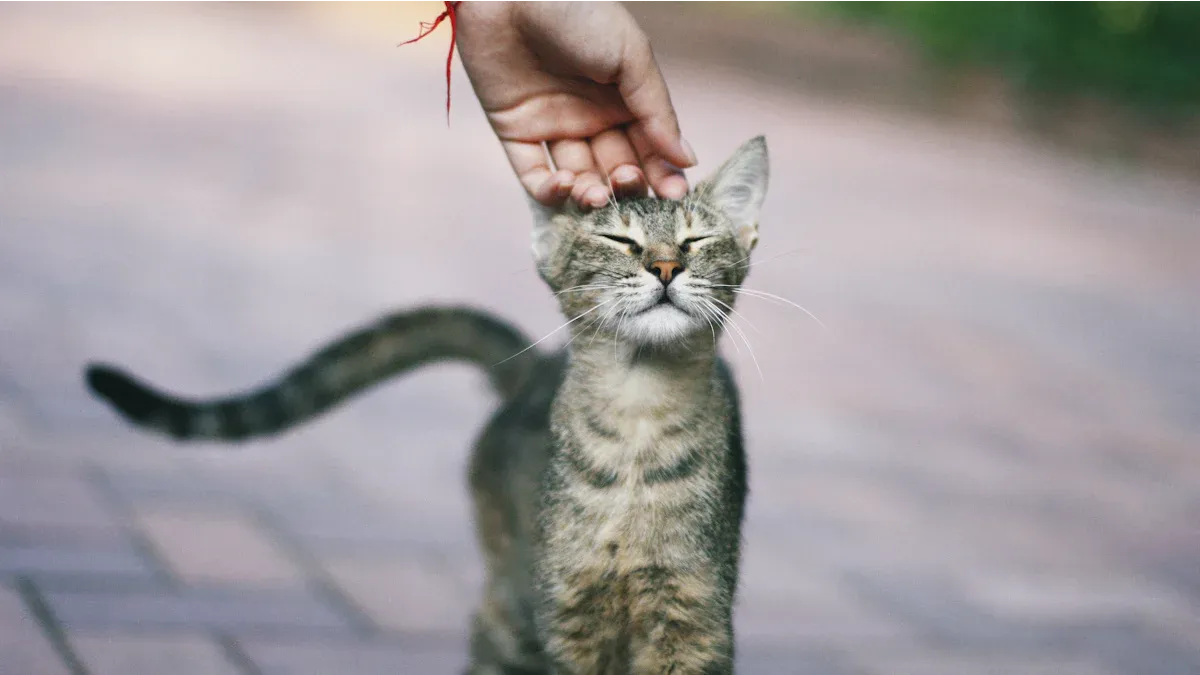
Pet your cat on their cheeks, chin, behind their ears, and at the base of their tail. These spots make them feel happy and safe.
Do not pet your cat’s belly, paws, tail, or whiskers. These areas are very sensitive and can make your cat feel unsafe.
Watch your cat’s reactions closely. Stop petting if they show signs of discomfort, like flattened ears or a twitching tail.
Keep petting sessions short and gentle. Every cat is different, so learn what your cat likes best.
How to Approach Your Cat
Approaching your cat correctly sets the stage for a good interaction. You want to build trust and show respect. Follow these steps before you start any petting.
Offer a Hand for Sniffing
Always let your cat know you are there. Extend your hand slowly towards them. Let them sniff your fingers. This allows them to recognize your scent. It gives them control over the first contact. If they rub against your hand, they invite you to continue.
Read Their Body Language
Your cat constantly communicates with you. Pay close attention to their signals. Look for signs they are happy and open to interaction.
They may wave their tail gently from side to side.
You will see a relaxed posture or facial expression.
They might nudge you with their head if you stop petting.
An upright tail with a curved tip shows they are friendly.
They often purr or knead their paws when content.
Also, watch for signs they do not want contact. These signals mean you should stop or back off.
Their tail might twitch or wag quickly.
You may see their skin twitching, showing irritation.
Their ears might turn back or flatten.
They could stiffen their body or move away from you.
A lashing tail is a clear warning sign.
Let Them Initiate Contact
Give your cat the choice to engage. Do not force interactions. Let them come to you. This builds a stronger bond. They will feel safer and more comfortable around you. Respecting their boundaries makes them trust you more.
Best Places to Pet a Cat
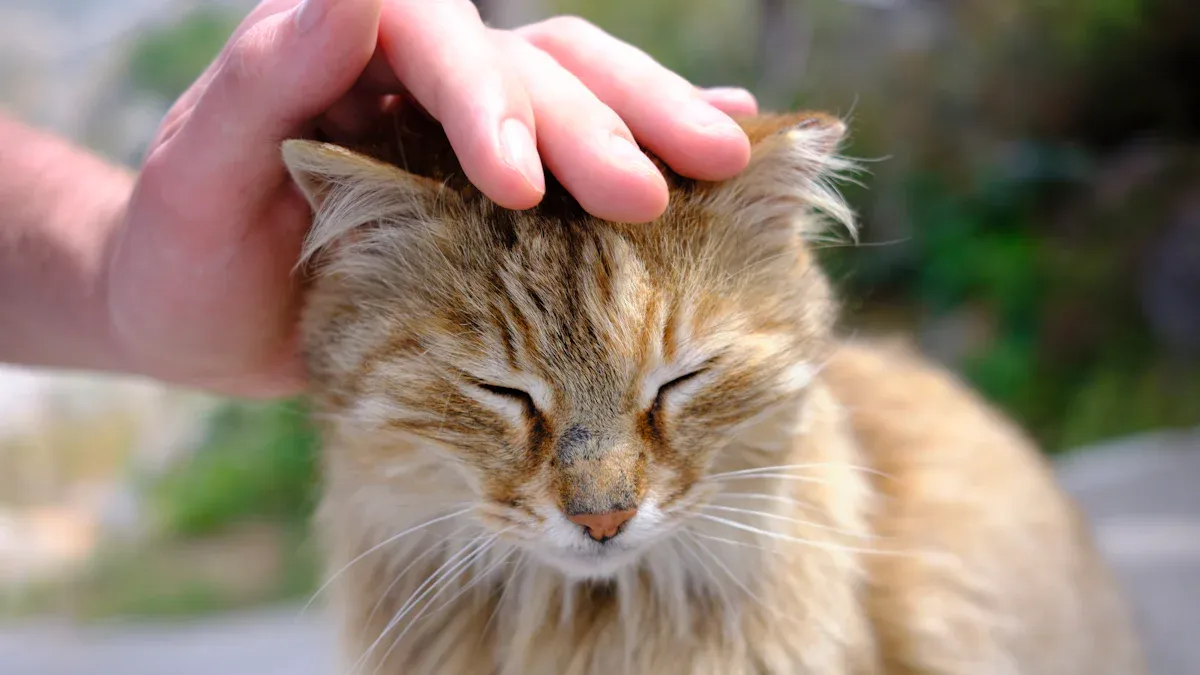
Understanding your cat’s preferences helps you build a stronger bond. This section of the cat petting chart shows you the best places to pet a cat. These are often called “sweet spots” or safe petting zones. Always remember to pet your cat in the direction their fur grows. This feels more natural and comfortable for them.
Cheeks and Chin
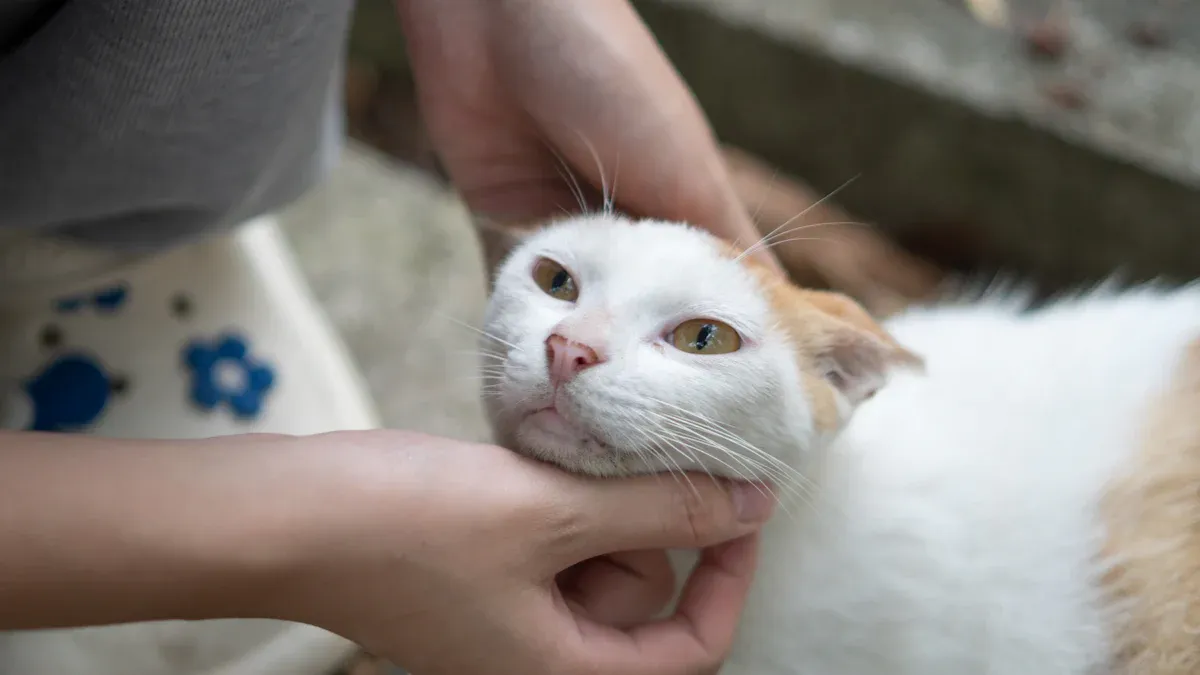
Many cats love gentle strokes on their cheeks and under their chin. These areas are prime spots for a good reason. Your cat has special glands here. These glands release friendly pheromones. When your cat rubs its face on you, it is called ‘bunting.’ This action transfers their scent to you. It marks you as part of their family. It shows affection and trust. Cat mothers teach this behavior to their kittens. This makes petting these areas a sign of deep affection. You help them feel safe and loved.
Behind the Ears
Petting behind the ears is another favorite for many cats. This area also has scent glands. Touching these spots helps your cat spread its scent. This makes them feel happy and secure in their environment. This spot is also less vulnerable for a cat. It does not feel like a threat. Petting here can feel very good to them. It stimulates nerve endings. It also mimics how other cats groom each other. This makes it a comforting experience.
Base of the Tail
The base of your cat’s tail is often a surprisingly popular spot. Many cats enjoy a gentle scratch or rub right where the tail meets the back. This area contains scent glands. Petting here helps them spread their scent. It is a way for them to mark their territory. This action can be very satisfying for them. Watch for their reaction. They might arch their back or purr loudly. This shows their enjoyment.
Forehead and Temples
Your cat often enjoys petting on its forehead and temples. These areas are part of the head. Research shows cats prefer being stroked on their head. They may even move their head to help you reach these spots. The area between their eyes and ears has temporal glands. Petting here helps them release pheromones. This makes them feel more connected to you. It is a natural way for cats to show affection. It helps them feel like part of a group.
Along the Back
Many cats enjoy long, gentle strokes along their back. Start from their head and move down towards their tail. Always pet in the direction of their fur growth. This feels smooth and relaxing. Avoid petting against the fur. This can be uncomfortable or irritating for them. A slow, steady hand along the back can be very soothing. It helps them feel calm and secure.
Worst Places to Pet Your Cat
You now know the best spots for happy interactions. It is equally important to understand the worst places to pet your cat. Touching these areas can make your cat uncomfortable or even defensive. This part of the cat petting chart helps you avoid common mistakes. You will learn where not to pet a cat to ensure positive interactions. These are often considered off-limits areas for most cats.
The Belly
Many people see a cat lying on its back, exposing its belly, and think it wants a rub. This is a common misunderstanding. For dogs, a belly rub often signals trust and enjoyment. For a cat, it is usually a sign of vulnerability. When a cat shows its belly, it means it trusts you. It does not mean you should touch it.
Experts believe the loose skin and extra fat on a cat’s belly, known as the primordial pouch, protect vital organs. This pouch shields internal organs during fights. It acts as an extra barrier against sharp claws. This happens when cats use their back legs to ‘bunny kick’ during a fight. Touching this area can make your cat feel exposed and threatened. They may react defensively. This can lead to a quick scratch or bite.
Paws and Toes
Your cat’s paws are incredibly sensitive. They contain many nerve receptors. These receptors help them sense temperatures, vibrations, pressure, and textures. This sensitivity is crucial for their stealthy movement and hunting. However, this also makes their paws prone to sensory overload. Touching, stroking, or holding a cat’s paw can be overwhelming. It is especially true if you do it unexpectedly.
Touching a cat’s paw can also make them feel vulnerable. It neutralizes their defense mechanism: their claws. This can lead to a reflex bite. You should generally avoid touching your cat’s paws and toes.
The Tail
A cat’s tail is an extension of its spine. It is highly sensitive. The tail has a direct connection to the spinal cord and central nervous system. This causes intense reactions to touch. Cats often perceive touching their tail as a potential threat. It is a vulnerable body part. This can cause stress for them.
A cat’s individual personality also plays a role. Their level of attachment to you and their trust in you influence their reaction. However, most cats dislike having their tail grabbed or pulled. You should avoid this area to keep your cat comfortable.
Legs and Underside
Similar to the belly and paws, your cat’s legs and underside are sensitive areas. These parts are often exposed during play or when they are relaxed. However, they remain vulnerable. Touching these areas can make your cat feel trapped or threatened. They might react by pulling away or swatting. You should respect these boundaries. Keep your hands away from these sensitive zones.
Whiskers and Mouth Area
Your cat’s whiskers are not just hairs. They are sensitive feeling organs. They gather environmental information. These whiskers are deeply rooted touch receptors packed with nerves. They send information directly to the brain. Constant contact can lead to “whisker fatigue” or “whisker stress.” This is an information overload. It stresses the cat because their whiskers constantly transmit information.
Dr. Neil Marrinan, DVM, states that trimming whiskers “mutes their expression, dims their perceptions, and in general, discombobulates cats and annoys them.” This highlights the critical sensory role of whiskers. It explains why cats dislike interference with them. You should avoid touching your cat’s whiskers or the area around its mouth.
General Petting Tips
You now understand the best and worst places to pet your cat. These general tips will help you make every interaction positive. They ensure you build a strong, trusting bond with your feline friend.
Observe Their Reactions
Always watch your cat closely. They tell you how they feel. A happy cat will rub its head against your hand. It purrs loudly. Its ears face forward. Its tail points upward with a slight curve. It may lean in or close its eyes when you scratch softly under its chin. It purrs when you scratch the base of its ears.
Your cat also shows you when it dislikes something. It might bite or scratch suddenly. Its tail may thump or thrash. This shows growing annoyance. It might start grooming itself quickly. Its ears can flatten. Its skin might twitch. Its body can stiffen. It may stop purring or turn its head away. Backward or flattened ears mean anger or fear. Dilated pupils, ears turned back, and a twitching tail are warning signs. A growl or putting teeth on you is a clear warning.
Keep Petting Sessions Short
Cats prefer short, frequent interactions. Do not force long petting sessions. Let your cat decide when to start and stop. This gives them control. It makes them feel safe and respected.
Use Gentle, Slow Movements
Always use gentle movements. Start slowly. Use soft strokes instead of pats. Concentrate touches on the back, near the base of the tail, under the chin, and on the cheeks. Begin with scratches under the chin. Slowly move your hand to the back of the ear. Continue to the back of their head. Pet from the head to their tail using nice, even strokes.
Respect Their Boundaries
Your cat has sensitive areas. They often prefer you not to pet their belly, tail, paws, and ears. However, this can change for each cat. Some cats enjoy chin and ear scratches but dislike belly rubs. Your cat communicates discomfort with physical cues. If it flattens its ears or ducks away, it wants you to stop. Respect these signals.
Learn Individual Preferences
Every cat is unique. What one cat loves, another might hate. Pay attention to your specific cat. You will learn its favorite spots and how it likes to be touched. This personal understanding goes beyond any general cat petting chart. It strengthens your special connection.
You now understand the essential cat petting chart. This guide showed you the best and worst places to touch your feline friend. Always observe their body language. Respect their unique boundaries. Apply these tips consistently. You will build a deeper, more positive relationship. Enjoy the special joy of a truly well-understood cat.