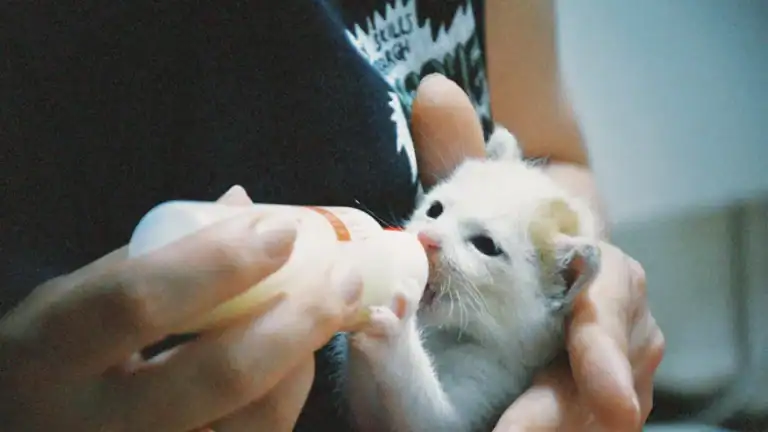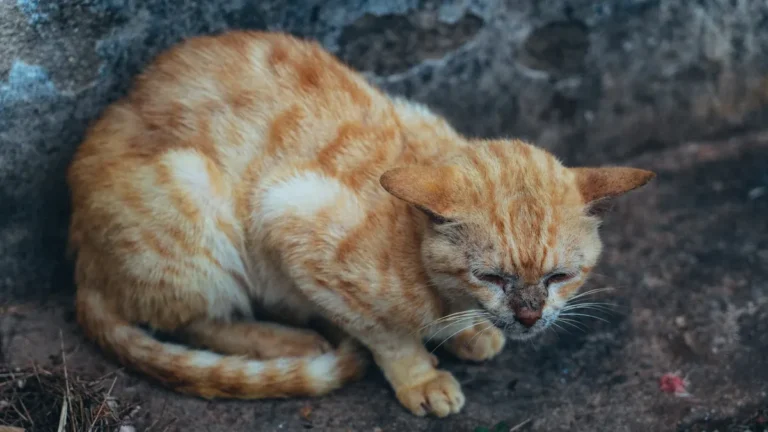


A cat squinting one eye usually signals pain or irritation and deserves prompt attention. Common causes include a corneal scratch, foreign object, infection, eyelid irritation, internal eye inflammation, sudden high eye pressure, or an ocular lump. Keep the cat from rubbing the eye, use an Elizabethan collar, and avoid applying home drops. Seek veterinary care for dye testing, pressure measurement, and gentle treatment right away to find the exact cause.
Corneal Trauma or Ulcer
Imagine a cat blinking and keeping one eye shut after a scratch or a run-in with a thorn. The cornea can be painfully sensitive, and the animal might hide or paw at the face.
A corneal trauma can range from a tiny scratch to an ulcer that exposes deeper layers. Owners who notice persistent squinting, discharge, or reluctance to use the eye should seek care.
The veterinarian will test tear production and use a dye to reveal ulcers. Small injuries often heal with drops, pain relief, and close monitoring.
Deeper ulcers risk stromal melting and rapid deterioration, so they require urgent treatment and sometimes surgery. Gentle support, an Elizabethan collar, and timely follow up help the cat feel safe.
Foreign Body in the Eye
A foreign object in a cat eye often causes sudden, intense squinting, constant tearing, pawing at the face, and sometimes a red or cloudy appearance that worries an owner.
Should this happen at home, gently prevent the cat from rubbing the eye, consider an Elizabethan collar, and avoid trying to probe or flush the eye aggressively while arranging prompt veterinary care.
At the clinic the vet can inspect the eye, stain and check for corneal damage, and remove the object under sedation or local anesthesia with tools or irrigation to protect the cornea and relieve pain.
Signs of a Foreign Body
Whenever a tiny bit of dirt or a grass seed lodges in a cat eye, the animal often shows clear signs that something is wrong. The cat might keep the eye closed, blink often, or paw at the face, which signals discomfort and invites a prompt check. Owners who belong to a caring pet community notice increased tearing and a change in tear film assessment during home checks, so they seek help sooner.
Look for redness, clear or mucous discharge, or the third eyelid partially covering the eye. Vets use ocular surface staining to reveal scratches or embedded material, and they could find a visible particle on the cornea or under the eyelid. Behavior change like hiding also points to pain.
Immediate Home Actions
Stay calm and move gently while preparing to help the cat, because a steady owner can make a big difference in a scary moment. The caregiver should sit with the cat, speak softly, and use slow movements to reduce stress. Visual monitoring of the affected eye begins now. Do not probe the eye or try to remove anything embedded. Instead, shield the eye gently with a clean cloth and limit rubbing. Preventive measures at home include removing household hazards and keeping small debris away from bedding and play areas.
| Action | Why it helps |
|---|---|
| Soft restraint | Keeps cat still and safe |
| Gentle shielding | Prevents more irritation |
| Calm talking | stress reduction for cat |
Seek veterinary care promptly for safe removal.
Veterinary Removal Options
Whenever a cat keeps one eye tightly closed because something is stuck, the veterinarian will start with comforting both cat and owner and then move carefully to inspect the eye.
The clinician uses magnification and gentle tools to locate debris. Small surface particles are often removed awake with topical anesthetic and delicate irrigation or tiny forceps.
Deeper or restless cases might need sedation protocols so removal is safe and pain free.
In the event a corneal scratch or ulcer is found, the vet treats during the same visit with medications and protective measures.
Owners are invited to ask questions and stay involved.
Clear outpatient follow‑up is arranged to check healing, adjust meds, and prevent complications, keeping the cat and family reassured.
Conjunctivitis (Infectious or Bacterial)
- Observe discharge color, swelling, sneezing, appetite, and behavior changes.
- Seek prompt vet exam for cytology, cultures, or targeted antiviral care.
- Use prescribed drops exactly and prevent rubbing with an e collar.
- Attend follow ups and report non improvement or new symptoms.
Eyelid Disorders and Entropion
Eyelid problems such as entropion occur whenever the eyelid turns inward and lashes rub the cornea, causing pain and persistent squinting in one eye.
Treatment often begins with medical management to reduce inflammation and protect the cornea, followed through temporary measures like eyelid tacking or an Elizabethan collar to stop rubbing while the eye heals.
Provided the condition does not improve, surgical correction is recommended and recovery usually involves short‑term pain control, topical medications, and close follow up to make certain the eye heals without scarring or vision loss.
Inward‑Rolling Eyelid
Curling inward so that lashes and eyelid skin rub the eye, entropion is a painful eyelid disorder that often makes a cat squint one eye and paw at it.
It links directly to eyelid anatomy and to entropion causes like scars, congenital conformation, or chronic irritation.
The community around the cat feels concerned and wants clear next steps.
Comfort and prompt assessment help the cat and the caregiver feel supported.
- Signs: constant squinting, tearing, redness, pawing, and corneal clouding.
- Risk factors: breed conformation, prior eyelid injury, chronic infection, and scarring.
- Diagnosis: careful eyelid and cornea exam, fluorescein stain, and tear tests.
- Immediate actions: protect the eye, avoid home procedures, and seek veterinary help.
Treatment and Recovery
After noting how inward rolling of the eyelid causes constant rubbing, pain, and corneal damage, attention moves to how treatment and recovery can restore comfort and vision for the cat and relief for the caregiver.
Treatment usually begins with veterinary assessment, pain control, and protecting the eye with an Elizabethan collar. Small cases might respond to topical antibiotics and lubricants while owners follow strict drop schedules. More often, corrective eyelid surgery is recommended to stop lashes from rubbing.
Recovery involves wound care, quiet activity, and follow up visits to adjust medications. At home remedies beyond approved lubricants are discouraged because they can worsen damage.
With timely surgery and proper care, the long term prognosis is good and most cats regain comfort and vision, easing caregiver worry.
Uveitis or Intraocular Inflammation
Uveitis is inflammation inside the eye that can make a cat squint, avoid light, and seem quietly miserable.
It might come from infection, cancer, trauma, high blood pressure, or immune mediated uveitis. Owners who love their cat feel worried and want clear next steps.
The veterinarian will perform a full eye exam and could use diagnostic imaging, blood tests, and cytology to find the cause.
Treatments aim to relieve pain, control inflammation, and treat primary disease.
- Recognize signs: squinting, cloudy eye, small or irregular pupil, third eyelid showing
- Urgent actions: seek prompt vet care, avoid touching the eye, use an E collar when advised
- Tests: tonometry, fluorescein, bloodwork, ultrasound
- Treatment: topical steroids or NSAIDs, systemic meds, follow up visits
Acute Glaucoma (High Intraocular Pressure)
Sudden, painful swelling inside the eye can make a cat hide, squint, or refuse to open the affected eye, and this often signals acute glaucoma, a rapid rise in pressure that threatens vision. The caregiver feels worried and wants clear steps. Acute glaucoma causes a hard, enlarged eye, dilated pupil, and cloudiness. Immediate veterinary care is needed. Tonometry confirms high pressure and starts intraocular pressure monitoring and treatment. Prompt action can save sight and ease pain.
| Sign | What to expect |
|---|---|
| Pain | Squinting, hiding, pawing |
| Appearance | Enlarged or cloudy eye |
| Test | Tonometry for pressure |
| Care | Pressure lowering medications |
| Follow up | Regular intraocular pressure monitoring |
Allergic or Irritant Conjunctivitis
- Remove the trigger whenever possible and move the cat to clean air.
- Wipe eyes gently with a damp cloth and avoid human drops.
- Call the veterinarian for guidance on safe topical treatments.
- Use an Elizabethan collar in case the cat paw at the eye.
Gentle reassurance helps owners feel connected and supported.
Eye Tumors or Masses
A quiet worry can begin whenever a cat suddenly favors one eye and the owner notices a small bump or persistent squint. Eye tumors or masses could appear on eyelids, conjunctiva, or inside the globe. A pet parent who cares deeply wants clear next steps and gentle guidance. Veterinary ocular oncology evaluates growths, recommends biopsy, and discusses removal. Surgery aims for clean surgical margins whenever possible to reduce recurrence, but options depend on location and overall condition. Owners often feel anxious and welcome clear plans, follow up, and compassionate communication. Diagnostic tests could include biopsy, tonometry, and imaging. Table below contrasts common signs and urgency, helping caregivers prioritize timely veterinary attention and shared decisions.
| Sign | What it suggests |
|---|---|
| Lump on eyelid | Localized mass |
| Persistent squint | Possible pain or invasion |
| Bloody discharge | Urgent evaluation |