


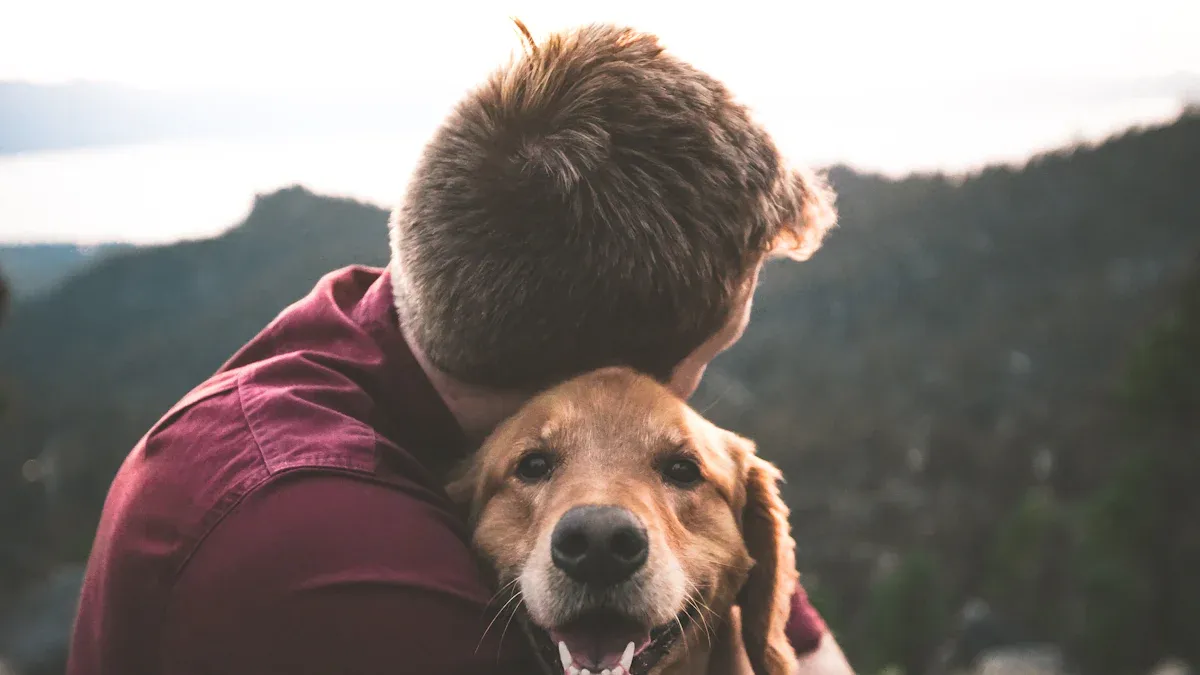
Friendliness describes an animal’s positive and welcoming behavior towards humans. Sociability refers to their desire for interaction. Human-animal interactions vary greatly. They range from domesticated companions to wild species. Responsible and respectful interaction is always important for safety and animal welfare. More than 50% of households globally own a pet. This highlights our widespread connection with animals.
Which of the friendliest animals truly seek out human company? What makes these most friendly animals so special? Understanding the friendliest species helps us appreciate their unique qualities as friendly creatures.
Key Takeaways
Many animals, both pets and wild ones, show friendliness to humans. They often seek interaction and form bonds.
Domesticated animals like dogs and cats have special traits. These traits help them live with people and show affection.
Wild animals like dolphins and capybaras can also be friendly. They show curiosity and a calm nature towards humans.
It is important to interact with animals safely and respectfully. Give them space and understand their body language.
Our Most Friendly Animals: Domesticated Companions
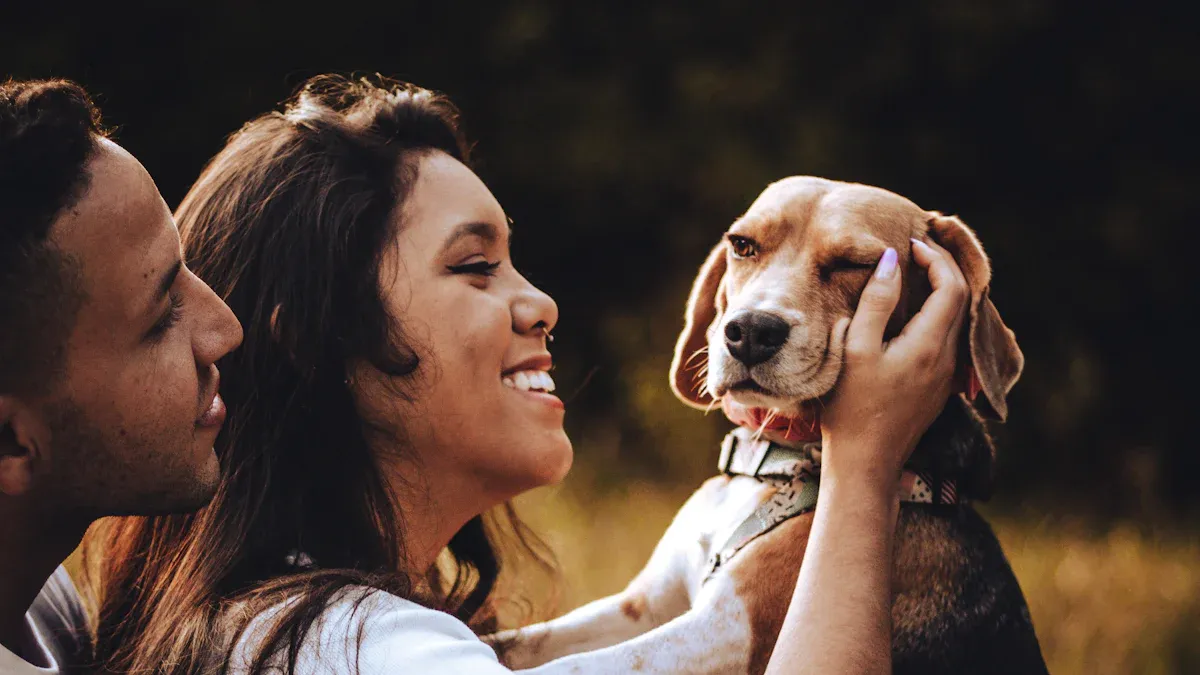
Domesticated animals have a long history of living alongside humans. They often form strong bonds with people. These animals show characteristics that make them excellent companions. They frequently exhibit increased playfulness and extended juvenile behavior. They also demonstrate enhanced social learning abilities. A universally shared trait among domesticated animals is a calmer disposition. They are tamer than their wild ancestors. The socialization process in these animals changed fundamentally during domestication.
Their individual developmental experiences shape how they express social tendencies. Interactions between domesticated animals and humans involve a balance of costs and benefits. Engagement with humans can lead to beneficial neurophysiological outcomes for these animals. A strong desire to interact with humans is a core aspect of domestication. This comes with advanced socio-cognitive abilities. These qualities make them some of the friendliest animals on Earth.
Dogs
Dogs hold the title of “humanity’s best friend.” Their loyalty and trainability are legendary. They are truly the best animals for humans. Dogs seek closeness to human companions to cope with stress. This shows a ‘safe haven’ aspect of their attachment.
They display separation-related distress when their human is absent. Dogs greet humans with wagging tails and excited energy upon their return. This happens even after short absences. They offer emotional support through unlimited nuzzles, licks, and tail wags. Many dogs follow their favorite person around the house from room to room. This indicates a strong attachment. Dogs produce oxytocin, often called the ‘love hormone,’ when interacting with humans. This suggests a deep emotional connection beyond loyalty. Breeds like the German Shepherd show bravery and devotion to family.
Labrador Retrievers possess instinctive warmth and constantly seek human connection. Golden Retrievers create a calming atmosphere. They sense when companionship is needed. Collies exhibit a calm presence and strong bonds with people. Cavalier King Charles Spaniels constantly seek togetherness. Chihuahuas crave closeness and form tight bonds. Pugs are expressive and charming. They form deep emotional bonds with their humans. These dogs show loyalty by sitting by their owner’s side for hours. These diverse dogs are among the most friendly animals.
Cats
Cats often have misunderstood sociability. They show affection through purring, rubbing, and seeking attention. Cats purr to indicate contentment. They rub against humans, especially head-butting, which is known as scenting. They sit on laps and lick their human companions. Licking shows acceptance, trust, and social bonding.
Cats expose their bellies, indicating they feel content and trust the person. They also perform a slow blink. These actions show they seek out human attention, such as snuggles and petting. Studies show cats exhibit attachment behaviors to humans, similar to dogs. This happens under experimental conditions. Oxytocin administration increased gaze duration to humans in male cats. This suggests oxytocin plays a role in inter-species social interaction.
Oxytocin is known as the ‘love hormone.’ It is a key chemical involved in cat-human bonding. Snuggling with a cat can help suppress the stress hormone cortisol. Brief petting sessions with cats can boost oxytocin levels in owners. Research suggests that cats’ socio-cognitive abilities may be underestimated. Cats display distinct attachment styles toward human caregivers. These are based on behavioral criteria established in human infant literature. These friendly cats enjoy cuddles and form deep connections.
Horses
Horses possess a gentle nature and high intelligence. They have a capacity for deep emotional bonds with riders and caretakers. Horses show problem-solving skills and learn from experience. They have excellent memory and understand complex cues. They excel in spatial memory and navigation. Horses experience joy, fear, anger, sadness, and empathy. They form strong social bonds. Horses are highly attuned to subtle emotional cues.
They use body language, vocalizations, and facial expressions to convey intentions and feelings. Horses live in hierarchical groups and cooperate for survival. They have highly developed senses for perceiving their environment. Horses respond to classical and operant conditioning. They learn through repetition and reward. They are highly sensitive to pressure and release. Horses exhibit physiological and behavioral responses to stress. They can develop PTSD-like symptoms. They form deep attachments with caregivers and companions. Horses experience separation anxiety.
They bond through mutual grooming and proximity. Horses recognize themselves in mirrors, though this is debated. They understand their own body in space. Horses make choices based on past experiences, environment, and perceived threats or rewards.
They engage in play for social development, learning, and enjoyment. Horses can adapt to various environments and social situations. Trust and respect are essential for forming strong relationships with horses. This requires consistent and fair interactions. Horses remember positive and negative experiences. They remember people and places. They can figure out how to open gates or access food. Horses respond negatively to perceived unfairness. They can anticipate routines and events. Horses explore new objects and environments. They can learn to wait and tolerate delays. Horses show resilience in overcoming past traumas. These intelligent animals are truly friendly with people.
Rabbits
Rabbits have a cuddly nature. They seek connection once they feel comfortable. Rabbits demonstrate affection by seeking contact and engaging in allogrooming.
They seek connection by spending more time near humans. They approach humans and make physical contact. Rabbits that received positive interactions are more likely to accept strokes. They appear relaxed and joyful. They show behaviors like mid-closed eyes, a loose body, and dental vibrations during these interactions. Rabbits exposed to human treatment were rated as more ‘Affectionate/Interested’.
They spent more time near humans. They accepted more strokes compared to those who received no treatment. These untreated rabbits were described as significantly more ‘Indifferent’. This suggests positive human interactions foster a desire for human contact. It makes rabbits more receptive to physical interaction. Following human treatment, rabbits approached humans more frequently. They were in contact with humans more often. These friendly rabbits enjoy cuddles.
Guinea Pigs
Guinea pigs are small in size. They use vocalizations and enjoy gentle handling. Guinea pigs are excellent communicators. They use vocalizations, body language, and scent to express emotions. They can form strong bonds with human caregivers. This requires patience, consistency, and spending time interacting. Hand-feeding treats and gentle handling help them associate humans with positive experiences.
A low, burbling purr accompanied by a relaxed posture indicates contentment. This happens especially when receiving treats or gentle handling. Their distinctive ‘wheek, wheek, wheek’ vocalization expresses anticipation or excitement. This is particularly true around food or when seeking attention. It can also serve as a greeting. ‘Putt-putt’ noises are contented sounds.
Guinea pigs emit them when happily exploring. A relaxed posture accompanies purring. This signifies contentment during gentle handling or when receiving treats. ‘Pop-corning’ involves jumping in the air with all four feet off the ground. This often includes turning 90° in mid-air. It indicates excitement during playful interactions.
Fancy Rats
Fancy rats show surprising intelligence and cleanliness. They have a remarkable capacity for affection and play. Rats recognize and favor their humans. For example, Rory, when scared at the vet, specifically sought comfort by leaping onto his owner’s shoulder. He buried himself in her hair, despite others being present. Rats form strong bonds. They can prefer one human over others.
This happens even if that person is not the primary feeder. Rats are intelligent with strong memories. They have an excellent sense of smell. This enables them to easily remember people. Rats pick up on human feelings. They respond to how they are handled. Rats with owners who were comfortable and confident around them formed strong bonds. Rats with nervous owners showed little desire to interact. They were more comfortable with a confident stranger. These most friendly animals are truly engaging companions.
Cows
Cows possess a gentle demeanor. They have a surprising capacity for individual bonds and affection. These large, calm animals can form strong connections with humans.
This requires consistent and gentle interaction. Many cows enjoy being petted and scratched. They show their contentment through relaxed body language. They can recognize individual people. They often respond positively to familiar faces and voices. Cows are among the friendliest farm animal species.
Sheep
Sheep have a calm nature. They can form bonds with consistent, gentle human interaction. These docile animals often become quite friendly. They learn to trust humans who treat them kindly.
Sheep can recognize their caretakers. They may approach them for attention or treats. Their quiet presence makes them a peaceful addition to a farm. They are another example of a friendliest farm animal. Other domesticated animals like goats and llamas also show remarkable friendliness.
Pigs
Pigs exhibit high intelligence and a playful nature. They show surprising affection, especially when raised with human contact. Pigs remember their surroundings. They learn from peers and solve complex problems. They form social bonds. They use previously learned knowledge to solve problems. Pigs use sounds to predict future events. They adjust their behavior accordingly. Their memory allows them to remember complex tasks for several months. They can learn by observing other pigs.
Pigs exhibit ‘spatial learning.’ They remember information about their surroundings to find food and navigate mazes. They show complex emotional responses to music, similar to humans. Pigs demonstrate empathy. They show distress when friends suffer. They wag their tails when friends are happy. They possess perspective-taking abilities. They understand what others know or want. They can follow human cues like pointing to find treats. Each pig has a unique personality.
Their moods can influence their optimism or pessimism. Pigs can observe and remember features of their surroundings to their advantage. This is shown by their ability to learn how a mirror functions to access food. Family-raised companion pigs turn to human companions for help when faced with unsolvable problems. This is similar to dogs. This indicates a strong bond. Critically endangered pigs use tools to dig and build nests. This suggests social learning and problem-solving. Studies show that naive pigs adopt the emotional anticipatory behavior of trained pigs.
This suggests empathy. Playful behavior indicates a pig’s social intelligence and overall welfare. Pigs can manipulate or deceive others to gain foraging advantages. They can be successfully kept as pets. They are relatively easy to potty train. Truffle hunters have trained pigs for generations to find truffles. They leverage their digging abilities and sense of smell.
Pigs are highly skilled in spatial learning and navigating mazes. Piglets as young as two weeks old show rapid improvement. Pigs learn their names in just two weeks. They are capable of playing video games. This demonstrates problem-solving skills. Pigs form strong and lasting social and emotional relationships with both other pigs and humans. They show empathy.
They pick up on the emotions of others. They respond to music associated with positive or negative events. Pigs use different noises and tones to communicate emotions. Nursing mothers ‘sing’ to their piglets to form a connection. Piglets learn to recognize their mother’s voice. They learn quickly and have impressive memory.
Exploring the Friendliest Animals: Wild and Unexpectedly Sociable
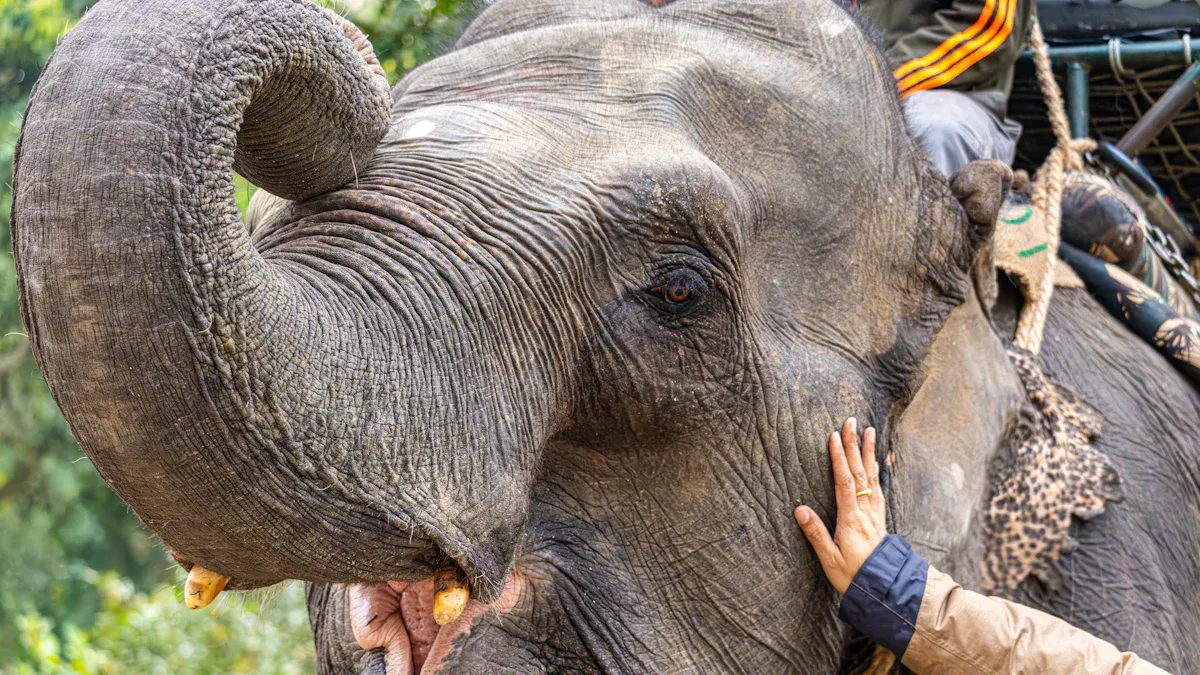
Wild species often show remarkable friendliness or curiosity towards humans. These animals, despite not being domesticated, can display surprising sociability. Observing these friendly wild animals requires respect and distance. This approach acknowledges potential risks and ensures animal welfare. Wild animal species that show friendliness or curiosity towards humans often have high levels of passivity or intellectual curiosity and playfulness. This allows them to tolerate and sometimes welcome human presence. Animals in captivity or urban environments may develop greater tolerance and bonds with humans due to more frequent encounters.
Dolphins
Dolphins are among the most friendly animals in the ocean. They are known for their playful and social nature. Their intelligence is also remarkable. Many documented instances show friendly interactions with humans. Scientific literature extensively documents instances of wild dolphins actively seeking human contact. These include “lone sociable dolphins” like Pita, Davina, Filippo, Tião, and JoJo. These dolphins sometimes seek human interaction as a substitute for their own kind. A 2003 report identified 29 such dolphins regularly observed by scientists. They demonstrated inquisitive behavior and an affinity for humans.
Some dolphins, called “provisioned dolphins,” engage in curious and amiable interactions with humans who offer them fish. Visitors frequently report positive encounters, though aggression can still occur. In various global locations, groups of wild dolphins have become accustomed to human presence without needing bribery. These places include the Bahamas, Japan, Egypt, New Zealand, the Azores, and Hawai’i. In places like the Little Bahama Bank, dolphins have even initiated regular contact. These dolphins, especially the wild spotted and bottlenose dolphins in the Bahamas, show extremely curious and friendly behavior towards researchers and tourists.
They engage in inter-species games like ‘seaweed keep away’ for extended periods. These interactions are well-documented and form the basis of entire tourist industries. Dolphins are truly a friendliest ocean dweller.
Manatees
Manatees are often called “gentle giants” of the sea. They possess a gentle, curious nature. Their slow movements often lead to calm interactions. Manatees are naturally curious. They often approach humans without any aggressive behavior. They enjoy human interaction. They may approach swimmers or divers for close contact or a ‘belly rub.’ This indicates a desire for physical engagement. Manatees swim close out of sheer curiosity. This highlights their non-aggressive and inquisitive nature.
Manatees swim nearly nose-to-nose with people. They have poor eyesight. This indicates curiosity and a need for close proximity to perceive their surroundings.
When approaching, manatees instinctively come face-first. This demonstrates their direct and non-aggressive investigative nature. Manatees exhibit dog-like mannerisms when curious and wanting to interact. They duck their heads down and look up with ‘little eyes.’ This suggests a playful and engaging demeanor. Manatees are receptive to calm, still postures from humans. They can sense human excitement, like an increased heart rate, from a distance. This can make them skittish. This makes them a friendliest ocean dweller.
Capybaras
Capybaras are often called the “friendliest wild animals on Earth.” They are the most friendly animals in the world. They highlight their calm temperament. They also show an ability to coexist peacefully with other species and humans. These large rodents weigh around 150 pounds. Capybaras exhibit broad tolerance. They allow playful interactions with monkeys. Monkeys groom them or use them as elevated platforms. Their calm presence positively influences more anxious animals, such as pigs. They share a mutual love for mud and water.
Capybaras demonstrate exceptional tolerance and friendliness towards reptiles like alligators and caimans. They share aquatic habitats without aggression. This is due to their non-invasive behavior. They maintain non-invasive behavior in various environments, including zoos and the wild. This contributes to a positive atmosphere. They rarely initiate conflicts. In zoos, their social nature and ability to form harmonious relationships allow them to share enclosures with diverse animals.
They often have a calming effect and reduce stress levels. In the wild, capybaras share resources and live in large social groups. They coexist peacefully with both predator and prey species. They navigate their environment without causing disturbances. Capybaras prioritize socialization, bonding, and peaceful coexistence. They adapt to different ecosystems and foster unity among various species. They communicate through a variety of vocalizations and gestures.
These include purrs, whistles, chirps, barks, ear flicking, and nose poking. These convey messages within their social dynamics. Playing and grooming behaviors, such as chasing, rolling, and mutual grooming, are crucial for bonding, friendship, and maintaining social connections. Their communication methods extend to other species. They use similar vocalizations and gestures to signal friendly intentions and establish rapport. This facilitates harmonious interspecies relationships.
Dominant capybaras act as group leaders. They guide the group, ensure collective safety, and maintain hierarchical order. This helps protect against external threats. They are highly protective of their young and vulnerable group members. They form a cohesive unit to defend against predators. This reflects their caring and friendly nature.
Quokkas
Quokkas are small marsupials from Australia. They are known for their “constant smiles.” They have a social nature. They crave connection with humans. However, respectful interaction is essential. These friendly creatures often approach people. They pose for selfies. Their approachable demeanor makes them one of the friendliest animals.
Penguins
Penguins are social and inquisitive birds. They generally have a friendly demeanor. However, they need to protect themselves and their young. Penguins, especially in colder regions, exhibit minimal natural fear of humans. This is due to a scarcity of land predators.
Their highly social nature and tendency to form large breeding colonies, called rookeries, contribute to their inquisitive behavior. Curious penguins are known to approach visitors closely. Individual temperament, age, and sex influence participation in human encounters.
Bolder, younger males engage more frequently. Providing penguins with the option to voluntarily participate and leave interactions leads to more positive and comfortable interactions with humans. This also involves maintaining control over the situation, such as no touching and a familiar environment. Penguins can be friendly with people.
Friendly Birds: Feathered Companions and Curious Minds
Birds offer unique companionship. Many species show remarkable sociability and interact with humans. Their chatty and social nature often drives a strong desire for human interaction.
African Grey Parrots
African Grey Parrots are highly intelligent. They are known for their ability to mimic human speech. These birds form strong bonds with their owners. They often seek attention and enjoy being part of family activities. Their desire for interaction makes them a truly friendly companion.
Pigeons and Doves
Pigeons and doves have a long history of domestication. They can become quite cuddly and friendly. Many people keep them as pets. These birds recognize their caretakers. They often perch on shoulders or hands. They show affection through gentle cooing and preening. Other birds, like swans, can also show curiosity. However, swans are typically less domesticated than pigeons. Swans are known for their beauty. Swans can be protective of their young. Swans are not usually considered a friendliest bird for direct interaction.
Chickens
Chickens possess individual personalities. Some become surprisingly affectionate pets. They form strong bonds with each other. They choose “best friends” within their flock. They engage in activities like foraging and dust bathing together. Chickens can become depressed if they lose a close companion. This highlights their emotional depth. They show affection to humans in many ways. They run to people, preen nearby, or sit in laps. They offer gentle pecking and allow petting. They enjoy cuddles. Chickens recognize voices and pitch. They respond to calls. Closing their eyes while being petted shows comfort and relaxation. Each chicken has a unique personality. Some are more trusting and lovable than others. A hen named Karla learned her name. She would run to her caretaker for affection. Henry, a rescued rooster, transformed from angry to lovable. He enjoyed physical affection.
Corvids
Corvids include crows, blue jays, and magpies. They are highly intelligent birds. They can identify specific people and form bonds. Scientific studies show their intelligence in individual recognition. They can match visual images and calls of familiar group members. Ravens recognize specific individuals and their hierarchical relationships. They track the affiliation status of other ravens. They even strategically intervene in social interactions. This behavior is like “politics.” This ability to understand complex social dynamics makes them a friendly and curious species. Their intelligence allows them to form lasting connections with humans. This makes them a friendliest bird in the wild.
Understanding Animal Sociability
Understanding why some animals are friendly towards humans involves looking at their biology and history. Several factors contribute to an animal’s willingness to interact with people.
Factors for Friendliness
An animal’s friendliness towards humans comes from many influences. Temperament traits are important. Animals can inherit these traits. Selection pressure, especially in captive settings, favors certain temperaments. Natural selection in these groups can help animals that adapt to human presence.
This happens through survival and reproduction. Individual factors like genetics and temperament also play a big role. Domestication has changed animal genetics over many generations. This helps them adapt to humans. Zoo animals are wild in captivity. They have not been bred for human adaptation. However, they still experience some natural selection. The amount of fear an animal shows towards humans can change. This depends on its evolutionary past. For example, a prey species might be more fearful than a predator. Traits like boldness or shyness also matter.
Recognizing Affection
Animals show their positive feelings in various ways. They use body language, sounds, and actions. A dog’s wagging tail or a cat’s purr are clear signs. Horses might nuzzle their caretakers. Rabbits seek gentle contact. Guinea pigs make happy sounds. Fancy rats might climb onto a shoulder. Cows and sheep can respond to familiar voices. Pigs show their affection through playful behavior. These actions indicate comfort and a desire for interaction.
Domestication’s Role
Domestication has greatly changed how animals behave with humans. It shaped how domestic species interact and communicate. For dogs, domestication changed general behavior patterns. It increased their ability to interact and communicate with humans. They can follow pointing gestures.
They interpret human attention. They also form strong attachment bonds. These changes in social understanding often come from less emotional reactivity towards humans during domestication. Changes in brain development led to more play behavior. It also caused less emotional reactivity towards humans. An improved ability to interact and communicate with humans is a key result. This shows how domestication shaped the domestic brain.
Responsible Human-Animal Interaction
Interacting with animals, especially wild or semi-wild ones, requires careful thought. Humans must follow crucial guidelines for safe and ethical encounters. This ensures the well-being of both people and animals.
Respectful Approaches
Always approach animals with respect. Understand that they are not pets. Their natural behaviors and needs come first. Avoid sudden movements or loud noises. These actions can scare animals. Give them space. Do not chase or corner them. Respecting their boundaries builds trust. It also prevents stress for the animal.
Reading Body Language
Learning animal body language is very important. A dog’s tucked tail or a cat’s flattened ears signal fear or discomfort. A horse’s pinned ears show irritation. A bird’s ruffled feathers might mean stress. Recognizing these signs helps people know when to back away. It prevents negative interactions. Always prioritize the animal’s comfort.
Observing from Afar
Many wild animals are curious. However, people should always observe them from a safe distance. This protects both the animal and the observer. Using binoculars or telephoto lenses allows for close views without disturbance. Never feed wild animals. Feeding can make them dependent on humans. It can also change their natural behaviors.
Ethical Engagement
Humans have a special responsibility for life on Earth. This includes the welfare of wildlife. Some animals, like cows, rabbits, sheep, and guinea pigs, have suffered because of their friendliness. This highlights the need for responsible human behavior. Ethical interactions prioritize the animal’s well-being. This means avoiding risks and allowing them to express normal behaviors. Animals should have control over their environment. They should also have the choice not to interact with visitors. Minimizing suffering is key. This applies to all animals, whether they are gentle giants in the ocean or small farm animals. Humans must consider the consequences of their actions. They should always aim to protect animals from harm.
The blog explored many diverse animals. They show genuine friendliness and sociability towards humans. Affection comes in many forms. Their intelligence, social nature, and capacity for bonds make these creatures endearing. These interactions bring joy and deep understanding to both humans and animals. We must continue responsible interaction. Respect all species. Support conservation efforts to protect these amazing creatures and their habitats. The friendliest animals and even the most friendly animals remind us of the profound connections possible. Every friendliest encounter enriches our world.
FAQ
What makes an animal friendly towards humans?
Animals show friendliness due to temperament, genetics, and domestication. Selection favors traits that help them adapt to human presence. Individual factors like boldness also play a role. Wild animals in captivity may develop greater tolerance.
Can wild animals be truly friendly?
Yes, some wild species show curiosity or sociability. Dolphins and capybaras are examples. They often have high passivity or intellectual curiosity. Humans must observe them respectfully and from a distance. This approach ensures safety for everyone.
How do animals show affection to humans?
Animals show affection in many ways. Dogs wag their tails. Cats purr and rub. Horses nuzzle their caretakers. Rabbits seek gentle contact. Guinea pigs make happy sounds. These actions indicate comfort and a desire for interaction.
What is responsible human-animal interaction?
Responsible interaction means respecting animal boundaries. People should read body language and observe from afar. Never feed wild animals. Ethical engagement prioritizes the animal’s well-being. This protects both humans and animals from harm.
