

Cats often sleep with their eyes partly open because their sleep style stays alert and ready. Their third eyelid and light REM/NREM phases let lids rest ajar without harm. Anatomy, age, breed, medications, and background noise can influence this habit. Sudden changes, discharge, redness, or persistent openness signal a need for veterinary attention.
Natural Vigilance: Evolutionary Reasons Cats Nap With Eyes Partly Open
Evolved for caution, a cat’s habit of napping with its eyes partly open is a quiet survival tool passed down from wild ancestors. It helps maintain predator vigilance while the body rests.
The cat stays in a light sleep state, ears and whiskers tuned to sound and motion. This sentinel napping lets the animal wake fast if danger appears.
People who share life with cats can feel seen by that steady, watchful presence. It reassures them that their companion stays alert for both threats and playful moments.
The behavior blends comfort with readiness. It fits inhabited spaces where cats nap beside windows, on laps, or on couches and keeps them connected to home and household rhythms.
The Third Eyelid: How the Nictitating Membrane Protects During Sleep
Softly covering part of the eye, the third eyelid works like a quiet guardian while a cat naps. It slides from the inner corner to shield the cornea and to keep protective mucus in place.
This membrane adds a light barrier against dust and offers corneal hydration whenever lids stay partly open. Readers who care for cats will feel reassured appreciating this feature supports safe, alert rest.
The third eyelid acts without fuss and lets a cat sleep in exposed spots yet wake quickly. Should the eyelid stay visible during active times, that change deserves attention from a vet.
For now it comforts owners to see a built in safety net that keeps a beloved pet comfortable and watched over.
Light Vs Deep Sleep: Stages That Allow Open-Eyed Rest
Whenever a cat dozes in a sunny spot, it often moves between light and deep sleep in ways that allow the eyes stay partly open, and that pattern helps explain why owners sometimes see a relaxed pet with a calm, glassy stare. The body shifts through sleep cycles so the cat can rest and still sense the room. In lighter NREM sleep eye drifts are slow and the nap depth is shallow. In deeper phases REM variability increases but lids might still part and the third eyelid could show. This balance supports safety and comfort for both cat and caregiver.
| Sleep Stage | Typical Eyes |
|---|---|
| NREM light | Slow eye drifts |
| NREM deep | Partial openness |
| REM variable | Rapid movements |
| Wakeful rest | Blink ready |
Breed and Individual Quirks That Make Open-Eyed Sleeping More Likely
Often a cat will sleep with eyes partly open because of traits tied to breed and individual personality rather than illness.
Some breeds with flatter faces or loose eyelids have physical features that make full closure harder. Other cats simply inherit quirks that show up as calm, half-open naps. Coat patterns and facial markings can also influence how owners read expressions, so a tabby with a dark mask might seem more alert while dozing.
Indoor activity levels shape sleep style too. A lively indoor cat could adopt lighter, more watchful naps, while a mellow companion sleeps deeper and closes eyes fully. These differences help owners feel seen.
Observing posture, response speed, and overall cheerfulness indicates when quirks are harmless and part of a cat’s charm.
Environmental Triggers: When Location and Timing Encourage Alert Napping
Breed and personality differences set the stage, and the place and time where a cat naps often decide whether it keeps its eyes partly open.
A cat that wants company might choose a windowsill in sun patches and rest with half-closed lids to stay tuned to household rhythms. In busy apartments, urban noises make the animal more alert, so it favors light dozing that allows quick wakefulness.
Choice of spot matters too. Raised perches feel safer, so the cat relaxes more. Open couches near doors invite vigilance, so the cat keeps one eye semi-open.
Timing ties in as well. Daytime catnaps are short and watchful, while late afternoon naps near familiar people permit deeper relaxation. The tone is warm, inclusive, and reassuring.
Neurological or Facial Nerve Issues That Affect Eyelid Closure
Facial nerve problems can make a cat sleep with its eyes open, and seeing this can feel worrying for an owner who cares deeply about their pet. Whenever facial neuropathy affects the muscles around the eye, eyelid closure might weaken. Owners could notice one side looks slack or the blink reflex is slower. This can follow ear infections, trauma, or nerve inflammation.
A cat might still eat and purr, which helps owners feel connected, but the visible eye needs attention. A vet can test facial movement and the blink reflex and could suggest medication, supportive eye drops, or protective measures to keep the cornea moist. Keeping the cat comfortable and monitoring changes helps owners feel useful and part of the healing.
Ocular Problems and Infections That Cause Persistent Eye Exposure
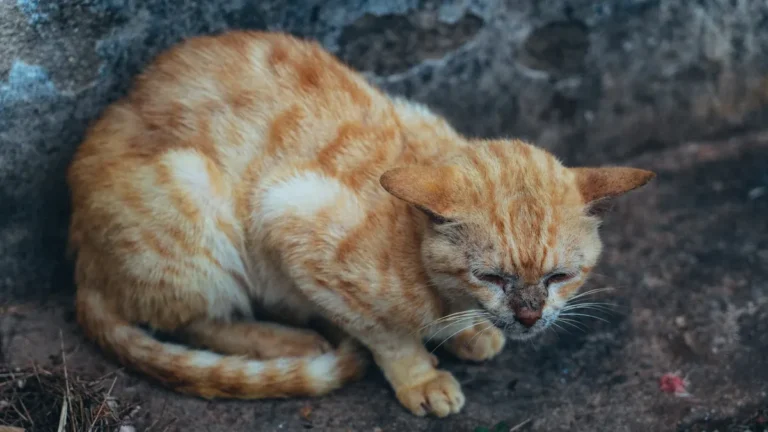
Whenever nerve damage around the face affects eyelid movement, attention must also turn to problems that begin in the eye itself, because infections and ocular disease can produce the same look of a cat sleeping with its eyes open. The community of caregivers wants clear, kind guidance. Signs can be subtle and worry people who love their cat. Common causes include infections, trauma, and chronic surface disease that cause discomfort and change blinking.
- Persistent ocular discharge that crusts the lids and hides the normal shine
- Redness, swelling, or visible third eyelid indicating deeper infection
- Corneal ulcers causing squinting or keeping the eye partly open to avoid pain
- Conjunctivitis from bacteria or viruses producing thick mucus
- Dry eye reducing tear film so the eye cannot close comfortably
Watch behavior and seek help whenever worsening.
When to Seek Veterinary Care: Red Flags and What to Watch For
Occasional naps with partially open eyes are often harmless, but certain eye injuries can cause a cat to sleep with the eye fully exposed and need prompt attention.
Watch for redness, swelling, discharge, cloudiness, or whether the third eyelid stays visible while the cat is otherwise awake, because these signs suggest an eye problem that could be painful or worsening.
In case open-eyed sleep comes with lethargy, loss of appetite, sudden behavior change, or difficulty blinking, contact a veterinarian promptly so the cat can get assessed and treated.
Signs of Eye Injury
Watch closely for clear warning signs that a cat’s open-eyed sleep is more than a quirky habit. A caring observer will notice pain behaviors and visible damage that point to eye trauma or developing corneal ulcers. Immediate vet attention builds trust and protects vision.
- Persistent redness, swelling, or cloudy cornea suggesting ulceration or infection
- Excess tearing, thick discharge, or constant pawing at the eye indicating discomfort
- Inability to fully close the eyelid or sudden eyelid droop after a fall or fight
- Visible foreign object, scratch lines, or blood on the eye surface following trauma
- Sudden squinting, blinking excessively, or reluctance to be touched near the face
These signs often appear together, so act quickly and seek veterinary care.
Concerning Systemic Symptoms
Concern can feel small initially, yet it matters whereas a cat that normally naps with half-closed eyes starts showing signs of illness beyond its quirky sleep habits.
Watch for appetite loss, weight change, lethargy, vomiting, diarrhea, or sudden behavior shifts. These signs could point to metabolic disorders such as thyroid or kidney disease that change sleep patterns and eye appearance.
Medication side effects can also cause droopy lids, dry corneas, or reduced blink reflex.
Observe breathing, coordination, and responsiveness once awakened. Look for persistent third eyelid visibility while awake, discharge, or cloudiness.
Should multiple symptoms appear together, contact a veterinarian promptly. Share observations, timing, and any recent medicines to help diagnosis and care.