


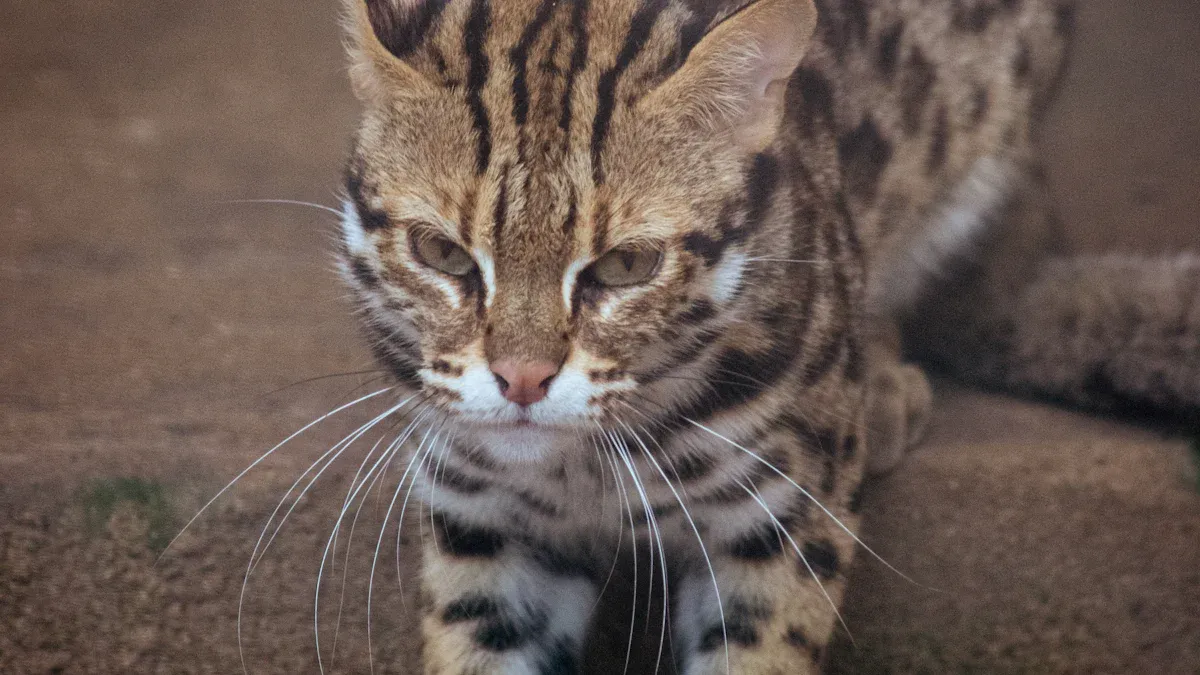
Understanding cat lineages is crucial for appreciating the rich diversity within the feline family, which is why you can find Complete Lists of Cats that detail both domestic and wild species. Each type of cat has unique characteristics and histories worth exploring. Currently, there are about 40 recognized species of wild cats globally. In contrast, organizations like the Cat Fanciers’ Association recognize 45 breeds, while the International Cat Association lists up to 73 breeds. This classification highlights the complex evolutionary relationships between domestic cats and their wild ancestors, such as the Near Eastern wildcat. These connections date back over 9,000 years, marking the beginning of human-cat relationships.
Key Takeaways
Understanding cat lineages helps you appreciate the diversity of the feline family. Each species and breed has unique traits and histories.
There are about 41 recognized wild cat species globally. These wild cats play vital roles in their ecosystems by controlling prey populations.
Domestic cats descended from the African wildcat. Their domestication began around 10,000 years ago, linked to early agricultural practices.
Genetic studies reveal specific markers that differentiate cat breeds. These markers help understand breed traits, behaviors, and health needs.
Recognizing the differences between domestic and wild cats enhances your appreciation for their unique roles in our lives and ecosystems.
Cat Lineages
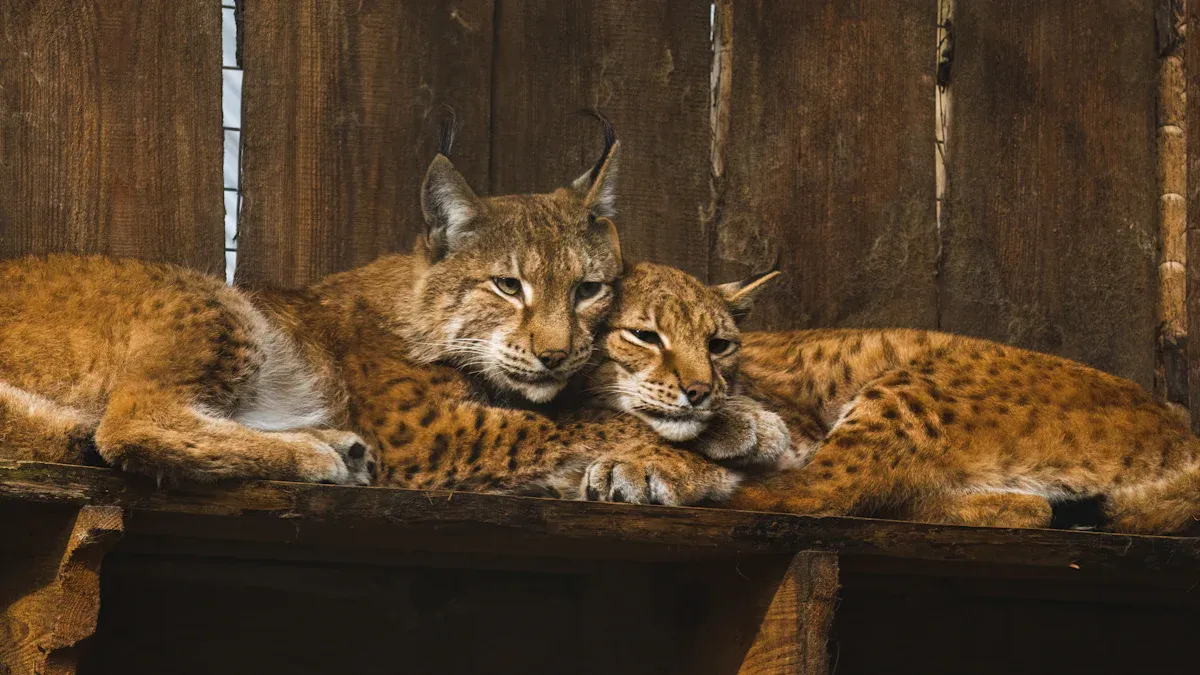
Understanding cat lineages helps you appreciate the diversity within the feline family. Lineages refer to the evolutionary paths that different species and breeds have taken over time. In zoological taxonomy, R. I. Pocock established a modern classification system for felids in 1916. He focused on anatomical features, particularly the hyoid bones. Pocock categorized cats into two main genera: Panthera for big cats that roar and Felis for smaller cats that purr. This classification has evolved, and genetic studies continue to shape our understanding of the cat family.
Wild Cat Lineages
Wild cat lineages include various species that inhabit different regions around the world. Recent genetic studies have identified several major wild cat species, including:
Felis silvestris silvestris (European wildcat)
Felis silvestris lybica (Near East and northern Africa)
Felis silvestris cafra (southern Africa)
Felis silvestris ornata (Asiatic wildcat from central Asia)
Felis silvestris bieti (Chinese mountain cat endemic to the Qinghai-Tibet Plateau)
These wild cat species play crucial roles in their ecosystems as top carnivores. They help maintain the balance of prey populations, which is vital for ecological health.
Domestic Cat Lineage
The domestic cat lineage traces back to the wildcat subspecies Felis silvestris lybica, native to the Middle East. Genetic studies show that all domestic cats descended from this wildcat. The domestication process likely began around 10,000 years ago in the Fertile Crescent. Early agricultural practices attracted wildcats due to the abundance of food sources.
Basepaws is advancing feline genetics by identifying unique genomic features of different cat breeds. Their research reveals specific genetic markers that differentiate various cat lineages. Feline DNA tests extract samples and perform genetic similarity tests. These tests screen against certain genetic markers to determine lineage and breed characteristics. Understanding these genetic markers not only reveals breed traits but also provides insights into behavioral traits and health needs.
Complete Lists of Cats
When you explore the complete lists of cats, you discover a fascinating array of species and breeds. Understanding these classifications helps you appreciate the diversity within the cat family. Currently, there are 41 recognized wild cat species. Each species has unique traits and adaptations that allow them to thrive in their environments.
List of Recognized Wild Cat Species
Here is a list of some notable wild cat species:
Tiger (Panthera tigris)
Lion (Panthera leo)
Cheetah (Acinonyx jubatus)
Leopard (Panthera pardus)
Snow Leopard (Panthera uncia)
Caracal (Caracal caracal)
Serval (Leptailurus serval)
Bobcat (Lynx rufus)
Eurasian Lynx (Lynx lynx)
Andean Mountain Cat (Leopardus jacobita)
These wild cats play vital roles as top carnivores in their ecosystems. They help regulate prey populations, which is essential for maintaining ecological balance.
Key Characteristics of Wild Cat Species
You can differentiate wild cat species based on various physical traits and habitat preferences. The table below summarizes some key characteristics:
Species | Physical Traits | Habitat Preferences |
|---|---|---|
European wildcat (F. silvestris) | Long fur, bushy tail with rounded tip, dark grey fur with distinct stripes | Forests in Europe, Anatolia, Caucasus |
African wildcat (F. lybica) | Short sandy-grey fur, faintly striped, tapering tail | Semi-arid landscapes, steppes in Africa |
Asiatic wildcat (F. l. ornata) | Spotted fur, reddish-grey color | Various habitats across Asia |
Caucasian wildcat (F. s. caucasica) | Light grey fur with patterns, distinct black rings on tail | Caucasus region |
Southern African wildcat (F. l. cafra) | Slightly longer skulls, similar fur color to African wildcats | Southern Africa |
List of Domestic Cat Breeds and Their Characteristics
In contrast to wild cats, domestic cats have evolved alongside humans. Major cat registries recognize numerous breeds, each with distinct traits. Here’s a summary of the number of breeds recognized by various organizations:
Registry | Number of Breeds |
|---|---|
TICA | 75 |
CFA | 45 |
FIFe | 50 |
GCCF | 45 |
WCF | 69 |
Domestic cats exhibit a wide range of physical and behavioral traits. Here are some defining characteristics of popular domestic cat breeds:
Activity and Playfulness: Many breeds are known for their playful nature.
Sociability: Some cats are very social and enjoy human interaction.
Coat Patterns: Common patterns include tabby, solid colors, and bicolor.
Distinctive Physical Traits: Breeds vary in size, shape, and coat length.
You may also notice that domestic cats can have various coat colors, including:
Tabby: The most common pattern, with varieties like Mackerel and Blotched.
Solid Colors: Breeds like the Turkish Angora often display a single color.
Bicolor: These cats feature a combination of white and another color.
Understanding these complete lists of cats enriches your knowledge of the feline world. You can appreciate the beauty and diversity of both wild and domestic cats, recognizing their unique roles in our lives and ecosystems.
Domestic vs. Wild Cats
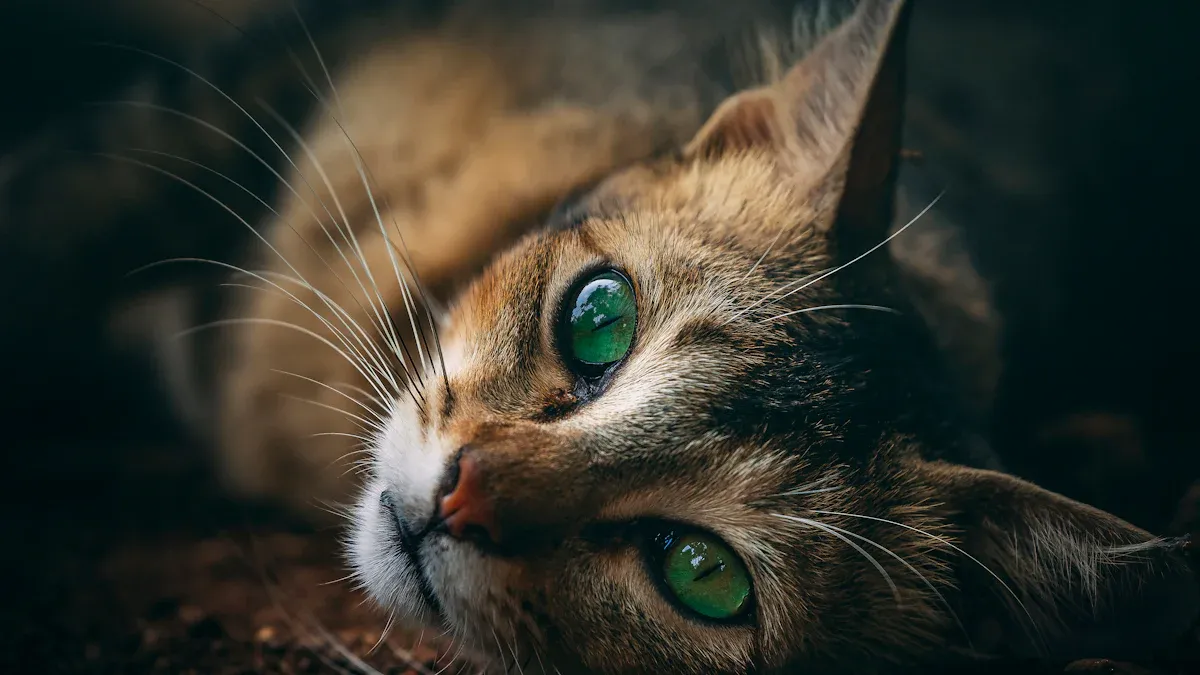
When you compare domestic and wild cats, you notice several key differences. These differences arise from their unique environments and lifestyles.
Behavioral Differences
Domestic cats and wild cats exhibit distinct behaviors. Here are some notable differences:
Domestic cats enjoy human interaction and often seek companionship.
Wild cats, like the lion, tend to be more solitary and aggressive by nature.
Both types of cats mark their territory, but domestic cats use scratching and face rubbing, while wild cats often spray urine.
Aspect | Domestic Cats | Wild Cats |
|---|---|---|
Aggression | Less aggressive, more tolerant of humans | More aggressive by nature |
Vocalization | Purr but don’t roar | Roar but don’t purr |
Learning | Learn through reward-based stimuli | Less likely to learn through rewards |
Physical Differences
You can also see physical differences between domestic and wild cats. Domestic cats are generally smaller and less robust than their wild counterparts. Here’s a comparison:
Characteristic | Domestic Cats | Wild Cats |
|---|---|---|
Size | Smaller | Larger |
Robustness | Less robust | More robust |
Leg Length | Shorter | Longer |
Cranium Size | Smaller | Larger |
Ecological Roles
Wild cats play crucial roles in their ecosystems. They help maintain biodiversity by controlling prey populations. This balance prevents overgrazing and habitat degradation. In contrast, domestic cats primarily serve as companions to humans. While they share about 95% of the same DNA, their ecological impacts differ significantly.
Both types of cats spend 16 to 20 hours a day sleeping and have excellent senses of smell. However, wild cats actively hunt for their food, while domestic cats typically eat commercially prepared diets. Understanding these differences enhances your appreciation for the diverse roles that cats play in our lives and ecosystems.
Understanding the distinctions between domestic and wild cats enriches your appreciation for the feline family. Domestic cats share a common ancestry with wildcats, particularly the African wildcat (Felis silvestris lybica). They have nearly identical genetic makeups and exhibit similar behaviors. This connection highlights the importance of recognizing the ecological roles of wild cats.
Increased public awareness can lead to better understanding and protection of these species. For example, educating communities about the ecological roles of small wild cats can foster healthier human-wildlife relationships. Additionally, awareness can influence policies that protect wild cat habitats.
By appreciating the diversity and complexity of the felidae family, you contribute to the conservation of both domestic and wild cats.
FAQ
What are felids?
Felids are members of the family Felidae, which includes all cats, both wild and domestic. This family encompasses various species, from the large lions and tigers to the smaller domestic cats you may have at home.
How did the evolution of wild cats occur?
The evolution of wild cats began millions of years ago. Genetic studies reveal that modern cats share a common ancestor. This phylogeny shows how different species adapted to their environments, leading to the diverse extant cat family we see today.
Why are wild cats considered important carnivores?
Wild cats are vital carnivores in their ecosystems. They help control prey populations, maintaining balance in their habitats. Without these predators, ecosystems can become unbalanced, leading to overpopulation and habitat degradation.
How do domestic cats differ from their wild relatives?
Domestic cats differ from wild relatives in behavior and physical traits. While wild cats exhibit hunting instincts, domestic cats often rely on humans for food. Additionally, domestic cats tend to be more social and less aggressive than their wild counterparts.
What is the significance of studying cat phylogeny?
Studying cat phylogeny helps you understand the relationships between different cat species. It reveals how they evolved and adapted over time. This knowledge can inform conservation efforts and enhance your appreciation for the diversity within the felid family.