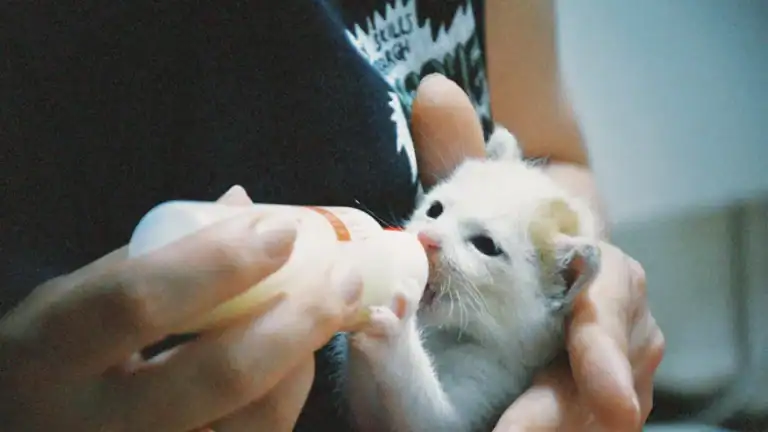


A mother cat uses bites, scruffing, and bunny-kicks to move kittens, correct behavior, and speed weaning. Those actions are usually quick and firm rather than meant to hurt. Gentle nips are short and often followed by grooming; painful bites cause loud cries, bleeding, limpness, or avoidance. Stress, illness, or a sick kitten can make a queen harsher, so watch weight, wounds, and nursing and contact a vet for injuries, refusal to nurse, or repeated attacks.
Normal Maternal Behaviors: Why Queens Bite and Scruff
Upon a mother cat gently gripping a kitten at the loose skin at the back of the neck, she is using a built-in method that moves the kitten without harm and taps into an instinct that makes the baby go limp; this scruffing helps carry or reposition kittens and is usually brief because the reflex fades as they grow more mobile around three to five weeks.
The queen also uses gentle nips and light bunny kicking during guiding behavior and setting boundaries. Maternal hormones shape patient care and sometimes nervous roughness in initial litters.
Purring communication and soft grooming follow most corrections, which reassures kittens and keeps the group bonded. These actions teach limits, play skills, and social cues while helping the family adapt as pups gain strength.
Distinguishing Gentle Nips From Harmful Bites
Gentle nips are usually brief and aimed at the face or scruff to correct or carry a kitten, while harmful bites are harder, longer, and could break skin.
Watch a kitten’s cues: quiet acceptance, quick recovery, and continued nursing suggest a gentle nip, whereas loud crying, limping, bleeding, or avoidance point to trouble.
Whenever both bite strength and kitten reaction are considered together, it becomes clearer whether the mother is teaching boundaries or whether intervention and veterinary advice are needed.
Bite Strength and Intent
Watch for the difference between a quick teaching nip and a hurtful bite, because the queen’s intent is often clear in how she uses her mouth and paws. Observers can use bite modulation and intent evaluation together to tell gentle nips from harmful bites.
Gentle maternal nips are quick, light, and aimed at the scruff, face, or neck. They rarely break skin and often come with grooming and calm body language.
Harmful bites are harder, might clamp, cause crying, punctures, bruises, or bleeding, and often come with vigorous kicking. Frequency and situation help too.
Occasional firm nips during weaning are common. Repeated hard bites, especially toward one kitten, signal stress or rejection and need prompt removal and veterinary advice.
Kitten Reaction Cues
Begin near watching the kitten’s immediate response after a nip, because that reaction tells more than the bite itself.
The writer observes that gentle maternal nips are quick, under a second, and do not break skin. Kittens that chirp softly, continue nursing, or return to play show a corrective touch.
In contrast, loud vocal signals, yelping, or sudden fleeing point to pain. Body stiffness or limpness after contact is a serious cue that the bite caused trauma.
Repeated targeted biting, visible wounds, or a kitten avoiding the mother adds concern and could indicate rejection. Bites followed by neglect, hissing, or kicking change the frame from discipline to aggression.
Frequency and escalation connect to risk, so increasing force or repeated attacks calls for separation and veterinary guidance.
Signs a Kitten Is Being Hurt or Rejected
Often a careful observer will notice subtle signs that a kitten is being hurt or slowly pushed aside from its mother, and those initial clues deserve prompt attention.
Observers learn to read behavioral signaling and shifts in maternal hormones that change the queen’s care. Provided a kitten repeatedly yelps, hides, or shows wounds after interactions, it could be harmed. Should it fail to gain weight or cannot nurse and stays apart from the nest, rejection is likely. Persistent avoidance at the mother, pushing the kitten away from nursing or blocking nipples, is a clear red flag. Recurrent hard bites, strong kicks, or rough scruffing raise injury risk and need removal and vet care. Whenever several signs appear together, start hand rearing and contact the veterinarian immediately.
When Play Becomes Dangerous: Escalation Behaviors to Watch
Signs of escalation show whenever playful nips turn into hard bites that make kittens scream, visible wounds or bleeding, repeated bunny-kicking, or swipes aimed at the face and eyes.
Injury and distress follow in case the queen moves from brief corrections to prolonged holding, shaking, or dragging, or in case kittens try to flee, hide, or stop nursing because one is being singled out.
Whenever these behaviors happen more than once a day, grow more intense, or occur alongside loud noise or other pets, caregivers should step in, give kittens escape spaces, and seek veterinary advice in case there is bleeding or ongoing fear.
Signs of Escalation
Occasionally a mother cat’s play can cross a line into something harmful, and caretakers should watch for clear changes in how she behaves toward her kittens.
Signs of behavioral escalation often follow maternal stressors such as crowding or inexperience, and they deserve calm attention.
Hard bites that make a kitten squeal or bleed show clear escalation.
Repeated attacks on one kitten with hissing or swatting suggest rejection or redirected aggression and call for immediate action.
Vigorous bunny kicking with a tight jaw grip risks bruising or eye and limb injury in young kittens.
Pouncing on sleeping or nursing kittens, blocking feedings, or forcing them from the nest can lead to rapid weight loss.
Should episodes continue, separate and evaluate the environment.
Injury and Distress
Whenever a mother’s rough play crosses into real danger, caregivers need to act quickly and calmly.
Observing pain signals like crying, bleeding, limping, or refusal to nurse shows play has become harmful. Distress vocalizations after interactions or repeated kicking with tight gripping can bruise or cut delicate kitten skin and injure eyes or whiskers.
Watch for hissing, swollen nipples, prolonged avoidance of the queen, or a kitten that fails to gain weight.
Provided a kitten is lethargic, cold, or has open wounds, move it to a warm quiet area and contact a veterinarian right away. Temporary separation with supervised nursing, stimulation for the mother, calm surroundings, and starting supplemental bottle feeding when needed can protect kittens while behavior is assessed.
When to Intervene
How does a caregiver know at what point a mother cat’s roughness has crossed the line into danger? A calm observer looks for timing thresholds and caregiver signals that mark escalation. Whenever playful nips shift to hurting cries, bleeding, or puncture marks, separate the kitten for assessment. In the event biting becomes prolonged, repeated thrashing, or forceful bunny-kicking, remove kittens immediately. Persistent targeting of one kitten with hissing or exclusion suggests rejection or illness and needs prompt vet care. Rising attack frequency as kittens investigate around 4 to 6 weeks that blocks feeding or causes weight loss calls for timed supervised interactions or temporary separation. Sudden aggression in a once calm queen or signs of pain in her require urgent veterinary contact.
- Crying kitten
- Visible wounds
- Repeated thrashing
- Exclusion from nursing
How Weaning Changes Mother–Kitten Interactions
Shifting from constant nursing to short feedings, the weaning period brings clear changes in how a mother cat treats her kittens. As kittens show premature independence and sensory development, the mother uses quick nips and gentle kicks to teach boundaries and play restraint. These actions feel firm but are meant to guide, not harm, and they link to growing curiosity and movement.
| Age weeks | Typical change | What the mother does |
|---|---|---|
| 3 | More exploring | More corrective nips |
| 4 | Moist food intro | Blocks nipples sometimes |
| 5 | Less nursing | Occasional bunny-kicks |
| 6 | Eating steady | Pushes kittens away |
| 7 | Social play | Less tolerance for suckling |
If bites are hard or wounds appear, separate kittens and seek help so the family stays safe and supported.
Environmental Stressors That Trigger Aggression
As the mother shifts from frequent nursing to firmer corrections, her behavior can also reflect things going on around her. The queen responds to stress and needs support from people who care for her. Simple changes can calm her and keep kittens safe. Focus on noise reduction and nesting privacy to help her feel secure.
- A loud TV or sudden bangs can raise her stress and lead to redirected aggression.
- Too many visitors or new pets nearby make a young mother more likely to nip or kick.
- Moving the nest or crowding the box removes her quiet retreat and increases rough handling.
- Gentle routine, secluded box, and lower household traffic let her relax and parent more kindly.
Offer steady presence and sensible adjustments to belong together.
Health Problems That Can Cause Maternal Rejection
Many times a mother cat’s rejection of her kittens links directly to health problems in either the kittens or the queen herself.
A weak or sick kitten might smell different, fail to nurse, or be limp, and the mother can bite, push away, or abandon it.
At the same time, the queen might suffer painful conditions such as mastitis, metritis, retained placenta, or systemic infection that make nursing hard and cause avoidance or aggression.
Hormonal causes like imbalances or ovarian cysts also change behavior and increase rejection.
Infectious risks to both mother and offspring raise stress and alter care patterns.
These problems often overlap, so noticing weight loss, wounds, poor nursing, or signs of illness should prompt prompt veterinary care.
Immediate Steps to Protect Kittens During Aggressive Episodes
Whenever a mother cat’s bites become hard enough to make kittens squeal or flee, the kittens should be moved right away into a warm safe box where they can be checked and watched for injuries.
Caregivers should stay close and supervise every return, and in case biting restarts within minutes they should separate the kittens for 30 to 60 minutes to let the queen calm down.
At the same time the queen needs a quieter enhanced space with extra food and hiding spots so stress can ease and the whole situation is less likely to escalate.
Separate Kittens Temporarily
During sudden aggressive episodes, separating a hurt kitten into a warm, quiet space can stop further injury and calm everyone involved.
A calm caregiver can arrange a temporary relocation for the kitten while the group breathes and assesses next steps.
Place the kitten in a warm box with a soft towel and a low heat source, then conduct a supervised assessment for wounds, bleeding, limpness, or breathing trouble.
Should any problem arise, seek urgent veterinary care.
- Warm box with towel and wrapped heat source
- Check for visible wounds and breathing effort
- Keep separation short, supervised, and gentle
- Return kitten only once the mother is calm or seek veterinary advice
This approach helps the family feel supported and connected.
Supervise and Intervene
Step in gently and with calm confidence to protect the kittens and keep the mother from feeling cornered or inundated.
A caregiver watches closely for several hours a day and steps in whenever the queen becomes rough.
Provided a kitten squeals, limps, or tries to escape, move kittens to a warm safe box for monitoring and check for wounds, bleeding, or poor nursing.
Brief removals of five to thirty minutes can break escalation cycles, and return kittens only whenever the mother is calm.
Distract the mother with food or toys and consider calming pheromones to lower tension.
Owner education helps the household understand signs that need veterinary attention.
Should aggression continue, create a permanent separate area and seek veterinary guidance for pain or stress.
How and When to Separate Kittens Safely
In a tense moment of maternal rejection or rough handling, separating kittens can feel frightening, but a calm, prompt response keeps them safe and warm.
The caregiver acts gently, choosing temporary separation provided bites cause crying, bleeding, limpness, or fear, and practices temperature monitoring to prevent hypothermia.
Place kittens in a dry nest with a steady heat source.
Feed on schedule and call a veterinarian should injuries or poor weight gain appear.
- Warm nest at 85 to 90°F for neonates, lower after two weeks.
- Monitor nursing frequency and weight gain targets of about 10 to 15 g per day.
- Bottle or tube feed every two to four hours for tiny kittens.
- Reintroduce slowly with short supervised visits once safe.
Transitioning Kittens to Solid Food and Independence
At about four weeks of age, a gentle shift toward solid food begins and caregivers should guide kittens through this change with patience and warmth. The mother cat still nurses while Gradual weaning starts by offering moistened high calorie kitten food in Shallow dishes three to four times daily. Caregivers place multiple Shallow dishes near the nest so shy kittens can eat. Reduce formula slowly over one to two weeks as solid intake rises and watch weekly weight gains to guarantee every kitten thrives. Begin litter training with a shallow unscented box at four weeks to encourage independence and motor skills. The caregiver’s steady presence and small routines help kittens feel safe and included as they move toward eating and inhabiting on their own.
| Week | Food | Goal |
|---|---|---|
| 4-6 | Gruel | Taste and lap |
| 6-8 | Canned/kibble softened | Increased intake |
| 8+ | Dry changeover | Full weaning |
Enrichment and Stress Reduction for the Mother Cat
Suppose a mother cat seems tense or lashes out at her kittens, gentle environmental changes can make a big difference in her comfort and behavior.
The caregiver can offer Vertical perches and quiet high beds so she chooses whenever to leave the nest.
They can add Interactive feeders and puzzle bowls to slow meals and give foraging time.
Small play sessions with wand toys help burn excess energy without overwhelming the queen.
A calm room with fewer visitors and soft sounds supports steady nerves.
Use pheromone diffusers near the nest and provide a separate clean litter box, food, water, and private bed one room away so she can rest alone whenever necessary.
These steps build trust and belonging for the cat and family.
When to Contact a Veterinarian or Behaviorist
Once a mother cat begins to bite or kick her kittens in ways that cause worry, a quick call to a veterinarian or a qualified behaviorist can bring fast reassurance and help.
A person who cares for the litter should seek veterinary referral whenever bites draw blood, leave punctures, or cause visible injuries. They should also call should attacks happen often, escalate to chasing or hissing, or several kittens show fear or weight loss.
In case one kitten is singled out or maternal behavior shifts suddenly, prompt vet attention is needed because illness or rejection could be present.
Whenever stressors or redirected aggression are suspected, arrange behavior follow up to address environment and pain.
Should unsure whether action is urgent, phone a vet and be ready to separate kittens temporarily for safety.
Best Practices for Monitoring Growth, Feeding, and Socialization
Whenever caring for a litter, clear routines and gentle attention make a big difference to kittens and to the mother cat. A consistent handled mass protocol helps the group feel seen and safe.
Weigh kittens daily, watch for steady gains of 10 to 20 grams per day, and step in with supplemental feeding provided any kitten falters. Gentle meal timing shifts at four weeks toward softened kitten food while nursing continues so changeover is calm.
- Provide shallow litter trays from 3 to 4 weeks and guide kittens after meals.
- Check nursing frequency and separate briefly should the mother’s behavior harms nursing.
- Socialize with short handled sessions, soft sounds, textures, and toys.
- Keep a quiet nesting area and praise calm exploration.