


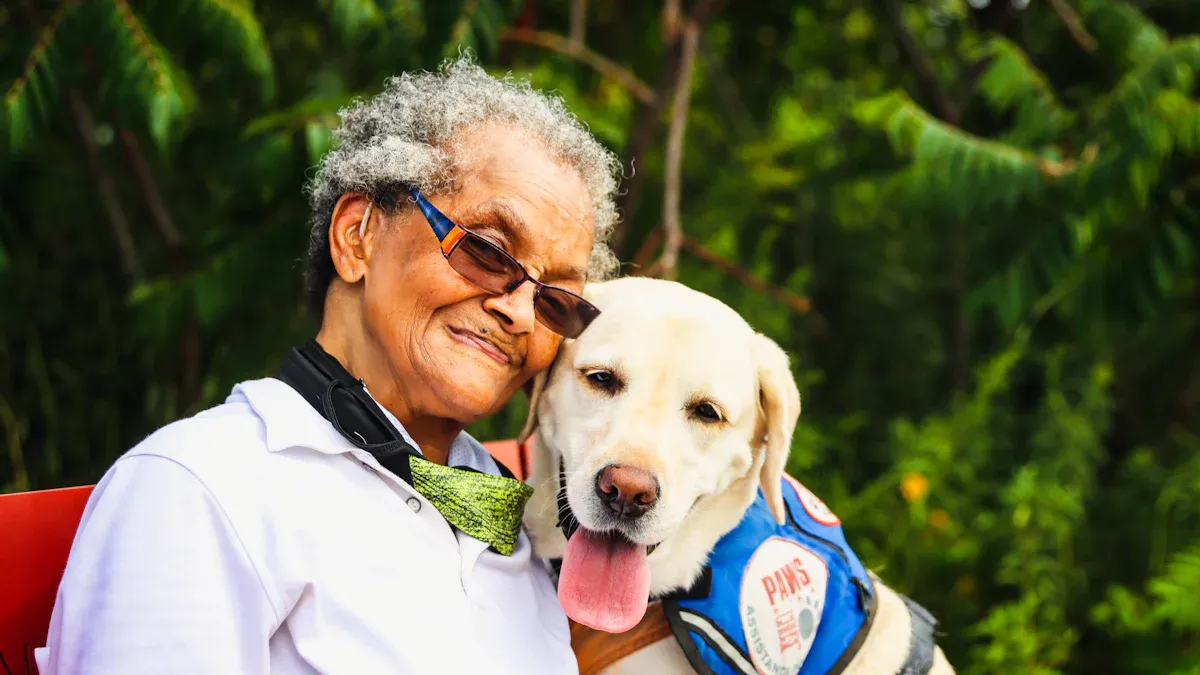
A Hearing Dog is a specially trained assistance animal. These dogs help individuals who are deaf or hard of hearing. They serve as alerting partners and loyal companions. More than 1.5 billion individuals, nearly 20% of the global population, live with some form of hearing loss. For many, a Hearing Dog profoundly impacts their independence and safety. Studies show assistance animals increase confidence, reduce the need for external help, and improve social engagement for their handlers. These dogs offer vital support, enhancing daily life and overall well-being.
Key Takeaways
Hearing Dogs help people who cannot hear well. They alert their owners to important sounds like doorbells or alarms.
These dogs make people feel safer and more confident. They help owners connect with others and feel less alone.
Hearing Dogs go through special training. They learn to recognize sounds and lead their owners to them.
Getting a Hearing Dog means finding a good organization. Owners must also care for the dog for many years.
What is a Hearing Dog?
Defining the Role
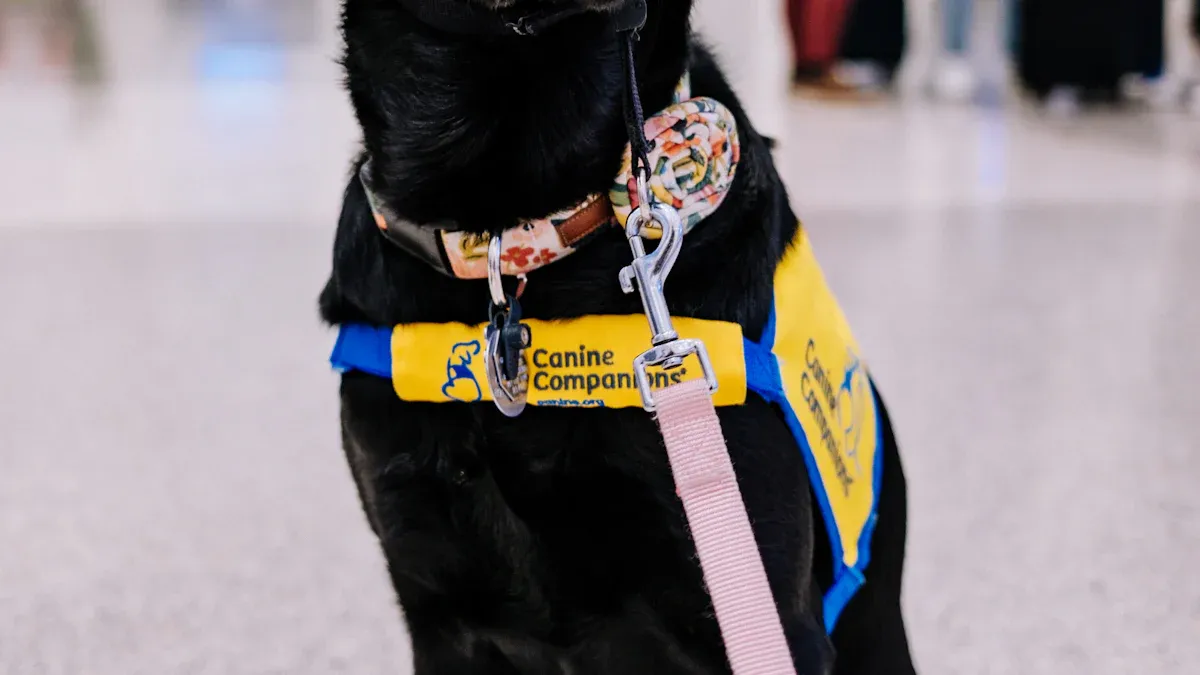
A Hearing Dog is a canine specifically trained to alert individuals who are deaf or hard of hearing to various specific sounds. These dogs act as their handler’s ears. They learn to recognize important noises in the environment. When they hear a sound, they make physical contact with their handler. They might nudge with a paw or nose. Then, they lead their handler to the source of the sound. This could be a doorbell, an alarm clock, or a smoke detector. They also alert to telephones, someone calling their owner’s name, or even emergency vehicle sirens. These dogs provide a crucial link to the world of sound. They help their handlers stay aware and safe. They can even independently learn to alert owners to new sounds like tea kettles or appliance buzzers.
More Than a Pet
Beyond their practical duties, these dogs offer much more than simple assistance. They become trusted partners. They gently alert their owners to everyday sounds. They guide them away from danger. They also offer comfort through reassuring physical contact. These tasks build confidence for their human companions. They help people feel less alone. Hearing dogs provide a sense of security. They act as “an extra set of ears.” This improves awareness of surroundings and potential dangers. They also greatly improve the mental health of their handlers. They combat feelings of isolation and loneliness through companionship and comfort. Furthermore, they foster newfound independence. Handlers feel more confident in their daily tasks and activities. These dogs provide emotional support, companionship, and a renewed sense of independence. They transform silence into independence. They enable safer, fuller, and more connected lives. They are not just pets; they are vital members of the family and essential partners in daily living.
How Hearing Dogs Assist

Alerting to Sounds
Hearing dogs perform a vital role by alerting their handlers to important sounds. They act as the ears for individuals who cannot hear. When a hearing dog detects a sound, it first makes physical contact with its handler. This contact often involves a gentle paw or nose nudge. After the alert, the dog leads its handler to the source of the sound. This action helps the handler understand what is happening in their environment.
Hearing dogs learn to recognize many different sounds. These include common household noises and critical alarms.
“We train hearing alert dogs to notify their owners with either a paw or nose nudge, to sounds including doorbells, smoke alarms, sirens, telephones, and baby monitors. They can also alert their owner when someone is calling their name or approaching them.”
Some of the most frequent sounds hearing dogs are trained to alert their handlers to include:
Doorbell or knocking on the door
Smoke alarms and fire alarms
Oven timers and alarm clocks
Telephone rings or text chimes
Cries from a baby
Sirens from emergency vehicles
Someone calling the handler’s name
Overhead PA announcements in public places
For example, if the doorbell rings, the dog will nudge its handler. Then, it will guide the handler to the front door. This simple action connects the handler to their surroundings. It ensures they do not miss important visitors or deliveries.
Enhancing Safety
Hearing dogs significantly enhance their handler’s safety. They increase awareness of surroundings and potential dangers. Individuals often seek hearing dogs because they want to feel more secure. These dogs provide this security by alerting them to sounds they cannot hear.
A primary reason individuals acquire hearing dogs is the desire to feel more secure, particularly due to the dogs’ ability to alert them to inaudible sounds. This desire is well-supported, as 93% of hearing dog owners reported feeling more secure after acquiring their dog.
Hearing dogs mitigate many safety risks. They alert handlers to critical sounds like smoke and gas alarms. This reduces the need for constant vigilance. Handlers can relax more and feel less anxious, especially when alone at home. These dogs are also crucial when cochlear implants or hearing aids are not active, such as during sleep. They ensure continuous awareness of important sounds. This limits associated risks.
They alert to various safety-related sounds:
Smoke or fire alarms
Outdoor sounds that might indicate danger
The presence of another person
Elevator bells
Kitchen timers or a teakettle whistling
By alerting to these sounds, hearing dogs help their handlers avoid accidents. They also help them respond quickly to emergencies. This constant awareness makes the handler’s environment much safer.
Providing Support
Beyond their practical tasks, hearing dogs offer profound emotional support. They provide companionship and increase confidence. Many handlers report increased social engagement because of their assistance dogs. The dog often attracts positive attention. This leads to more respectful interactions from the public. Handlers often enjoy discussing the dog’s role. They also allow people to interact with their dog. This fosters social connections.
The presence of a service dog encourages individuals to participate more actively in social and community activities. This boost in confidence leads to greater independence in daily routines, errands, and social interactions. Hearing dogs significantly boost a handler’s confidence. They provide a sense of safety. They reduce anxiety about potential dangers. They also help handlers overcome feelings of isolation. This renewed confidence directly leads to improved social skills. Handlers interact more with people and form new friendships. This makes them feel more connected to the world.
These dogs combat feelings of loneliness. They offer constant, unconditional companionship. This emotional bond is invaluable. It helps handlers feel more secure and less isolated. A Hearing Dog truly transforms lives by offering both practical assistance and deep emotional connection.
Ideal Hearing Dog Traits
Suitable Breeds
Selecting the right dog for hearing assistance involves careful consideration. Temperament and physical attributes are key factors. Breeds known for their intelligence, trainability, and attentiveness often make excellent candidates. These dogs can learn complex tasks and remain focused. For example, NEADS Service Dogs primarily utilizes black and yellow Labrador Retrievers for their hearing dog programs. Labrador Retrievers possess many qualities that make them well-suited for this important role. Their friendly nature and eagerness to please contribute to their success.
Essential Temperament
A hearing dog’s temperament is crucial for its success. These dogs must possess a calm demeanor. They also need an energetic spirit. They enjoy being with people and show an eagerness to please. A good hearing dog can focus on a task and ignore distractions. This includes the ability to ignore other dogs. They must handle busy, noisy, and crowded environments without becoming overwhelmed. They also need to feel comfortable with all types of people. This means they do not react negatively if strangers pet them. They also remain calm if children pull on a tail or ear.
Trainers conduct temperament screenings. During these tests, dogs are exposed to various noises. This ensures they do not cower in fear. Hearing dogs must assist owners in noisy situations, like thunderstorms. Trainers also test their reaction to pain. Good service dogs may yelp if hurt. However, they will not run away or attack the person responsible. These traits ensure the dog provides reliable and safe assistance in many different situations.
Training a Hearing Dog
Foundational Skills
Training a Hearing Dog begins with foundational skills. Trainers first teach basic obedience commands. These include sit, stay, and come. They also focus on early socialization. This helps the dog feel comfortable in many different environments. Building a strong bond between the dog and its trainer is also very important. This bond forms the basis for all future specialized training.
Specialized Sound Training
After mastering basic skills, dogs move to specialized sound training. Trainers teach them to recognize and react to specific household and environmental sounds. These sounds include doorbells, smoke alarms, oven timers, and telephones. They also learn to alert to a baby’s cry or an alarm clock. When the dog hears a sound, it makes physical contact with its handler. It might nudge with its nose or paw. Then, it leads the handler to the sound’s source. This training process can take several months to over a year. The dog’s natural ability and the complexity of sounds influence the exact time.
Positive reinforcement techniques are key to this training. Trainers often use clicker training. A clicker marks desired behaviors. Then, the dog receives a reward like treats or praise. Dogs learn to link each sound to a specific action. Trainers reward the dog for correctly identifying and responding to each sound. Consistent practice helps the dog master these alerts.
Public Access Preparation
Finally, Hearing Dogs prepare for public access. This training ensures they can navigate public spaces without distraction.
Dogs learn to ignore other dogs.
They also learn to handle busy, noisy, and crowded environments.
They become comfortable with all types of people.
This preparation allows them to accompany their handlers everywhere. Laws protect the right of service animals, including Hearing Dogs, to be in public places. For example, the Americans with Disabilities Act (ADA) in the United States ensures this access. These laws help handlers and their dogs move freely and safely in the community.
Getting a Hearing Dog
Finding Organizations
Individuals seeking a hearing dog often begin by researching reputable organizations. Dogs for the Deaf stands as the oldest and largest hearing dog organization in the country. It has provided assistive hearing devices to individuals across the United States, Canada, and Puerto Rico for over 25 years. This nonprofit has placed more than 800 hearing and ‘change of life’ dogs. It currently supports between 300 and 400 working teams nationwide. While the American Humane Association previously operated a hearing dog program, it has since discontinued it. Many other organizations also place hearing dogs, often operating within their local communities. When choosing an organization, consider factors like their service area, qualifications for a hearing dog, and the financial commitment involved.
Application Process
Applying for a hearing dog involves meeting specific criteria. Applicants must typically be 18 years or older. They need moderate to severe hearing loss, supported by medical documentation from a physician or audiologist. Organizations often require applicants to be residents of a specific area, such as California. They also look for individuals with good communication skills and a love for dogs. Applicants must show they can participate in the training process. They also need to meet the financial and physical requirements for owning a service dog. Many organizations prefer applicants who do not have other dogs in the home. They want to ensure the new dog can bond fully with its handler.
Handler Responsibilities
Receiving a hearing dog comes with significant responsibilities. Handlers must commit to the dog’s care for 10 or more years. This includes providing daily exercise, ongoing training, and all necessary care. The cost of training and supporting a hearing dog throughout its working life is approximately UK £40,000 (US $52,000). Organizations like Hearing Dogs for Deaf People typically cover this cost. However, recipients are responsible for day-to-day maintenance. This includes food, routine veterinary care, and insurance. Handlers must also attend obedience classes or hire a private trainer as prescribed. Ongoing training and reinforcement are essential to maintain the dog’s proficiency. Regular practice sessions help keep the dog’s skills sharp. Six-month and annual recertification are often necessary to maintain the dog’s status as a service animal.
Hearing dogs serve as vital partners for individuals with hearing loss. They significantly enhance independence, safety, and quality of life. These dogs alert handlers to crucial sounds, making daily living safer and more connected. The unique bond between a Hearing Dog and its handler profoundly impacts their daily lives. This partnership transforms silence into a more confident and engaged existence.
FAQ
How long does it take to train a hearing dog?
Training a hearing dog takes a significant amount of time. It can range from several months to over a year. The dog’s natural abilities and the complexity of sounds influence the exact duration.
Can a hearing dog be any breed?
While many breeds can become hearing dogs, some are more suitable. Organizations often prefer breeds known for intelligence and trainability. Labrador Retrievers are a common choice due to their friendly nature and eagerness to please.
Do hearing dogs wear special vests?
Yes, hearing dogs typically wear special vests or harnesses. These items identify them as service animals. The vests inform the public that the dog is working and should not be disturbed.
Can I get a hearing dog if I have other pets?
Some organizations prefer applicants who do not have other dogs in the home. This ensures the new hearing dog can bond fully with its handler. However, policies vary among different service dog providers.
