

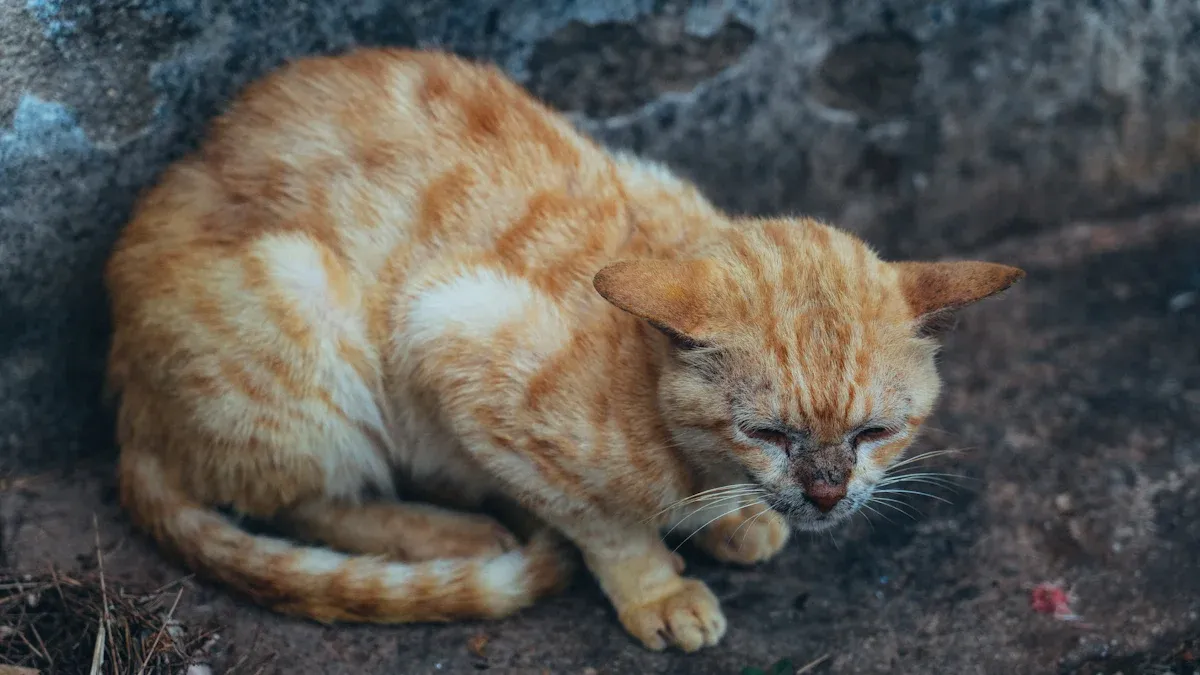
Cats can indeed experience sadness in cats, just like humans do. They have complex emotional lives and can show signs of distress when faced with changes in their environment or the loss of a companion. A study found that many cats exhibit behaviors related to grief, such as reduced eating and playing, especially after losing a fellow pet. Recognizing these emotional states is crucial. It helps you understand your cat’s behavior and formulate effective care strategies to enhance their well-being.
Remember, understanding your cat’s feelings, including sadness in cats, can significantly improve their quality of life!
Key Takeaways
- Cats can feel sadness just like humans. Recognizing their emotions is key to providing better care.
- Watch for signs of sadness, such as withdrawal, changes in appetite, and altered grooming habits.
- Create a comforting environment with cozy spaces, engaging toys, and consistent routines to help your cat feel secure.
- Engage in playtime to lift your cat’s spirits and strengthen your bond. Regular interaction is essential.
- If sadness persists, consult a veterinarian to rule out health issues and get tailored advice.
Understanding Sadness in Cats
Can Cats Feel Sadness
Absolutely, cats can feel sadness! Just like humans, they experience a range of emotions. Studies show that cats form strong attachments to their companions, whether they are other pets or their human caregivers. When these bonds are disrupted, such as through loss or environmental changes, cats can exhibit signs of distress.
Here are some key points about cats and their emotional experiences:
- Basic Emotions: Cats experience basic emotions like fear, anxiety, happiness, and sadness. Unlike anxiety or fear, which relate to immediate threats, sadness often stems from changes in their environment.
- Unique Experience: Experts note that sadness in cats differs from clinical depression in humans. It reflects their unique emotional landscape rather than a direct comparison to human feelings.
Signs of a Depressed Cat
Recognizing the signs of a depressed cat is crucial for their well-being. Here are some common indicators:
- Behavioral Changes: Cats may show behavioral changes similar to those seen in grieving dogs. For instance, they might eat less or withdraw from play.
- Attention Seeking: You might notice your cat seeking more attention than usual, indicating they need comfort during tough times.
| Findings | Description |
|---|---|
| Grief Experience | Cats can experience grief when fellow pets die, showing human-like behaviors. |
| Emotional Depth | Research challenges the idea that cats lack deep feelings, revealing their emotional complexity. |
If you notice these signs of cat depression, it’s essential to take action. Understanding these behaviors can help you support your furry friend during difficult times.
Symptoms of Sadness in Cats
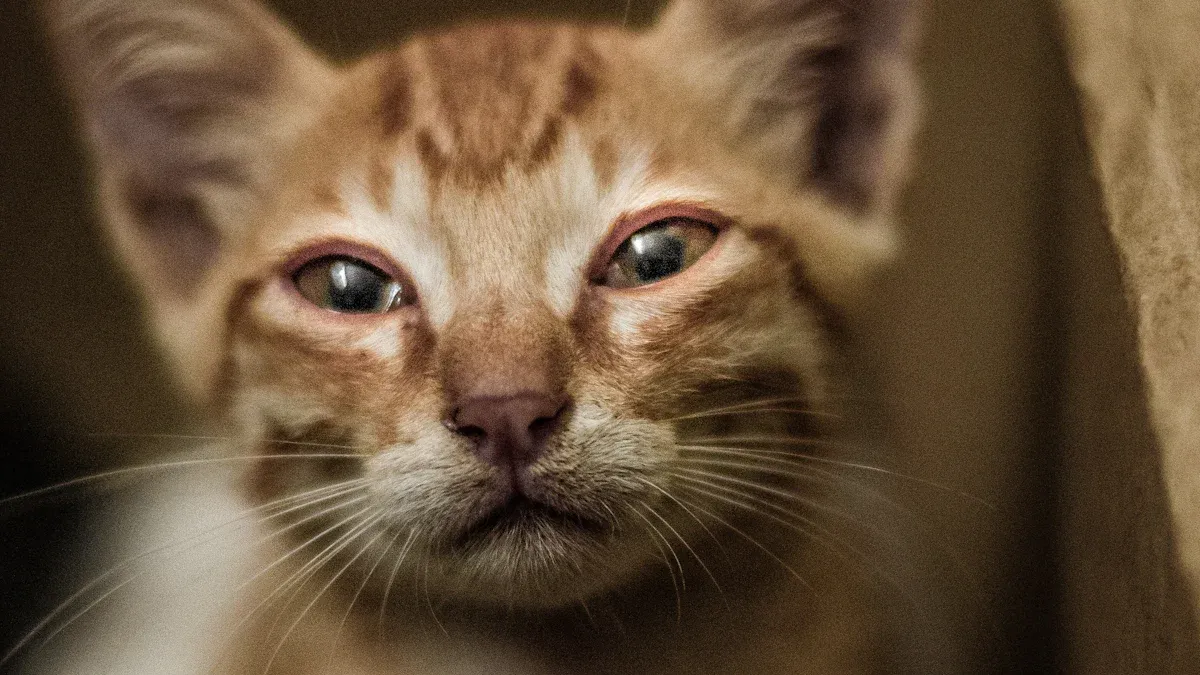
When it comes to recognizing sadness in cats, you should be aware of several key symptoms. These signs can help you identify if your furry friend is feeling down. Here’s what to look for:
Withdrawal from Interaction
One of the most common signs of a depressed cat is withdrawal from interaction. You might notice your cat hiding more than usual, spending long periods under beds or in quiet corners. They may also avoid people or other pets, pulling away from affection. This behavior can indicate that your cat is feeling overwhelmed or distressed.
Changes in Appetite
Changes in appetite are another significant symptom. A depressed cat may eat less or even refuse food altogether. This behavior can be linked to emotional states like sadness. Stress-induced anorexia can occur, where your cat’s appetite decreases due to emotional distress. If you notice your cat eating less or more than usual, it’s essential to pay attention.
Altered Grooming Habits
Grooming is a vital part of a cat’s routine. If you see your cat either over-grooming or neglecting their grooming, it could signal emotional distress. Over-grooming may be a way for your cat to cope with stress, while a lack of grooming can indicate sadness or health issues.
Excessive Vocalization
You might also notice changes in your cat’s vocalizations. Excessive meowing or yowling can indicate unhappiness. If your cat suddenly becomes more vocal or silent than usual, it’s worth investigating. This change in behavior can be a cry for help, signaling that something is wrong.
Lethargy and Decreased Activity
Lethargy is another symptom to watch for. If your cat seems less active or spends more time sleeping, it could indicate sadness. Significant changes in energy levels often correlate with emotional distress. Keep in mind that lethargy can also signal underlying health problems, so it’s essential to monitor your cat closely.
Ignoring Favorite Toys
If your cat suddenly loses interest in their favorite toys or activities, this could be a sign of sadness. Cats typically enjoy playtime, and a lack of interest can indicate that they are feeling down. Pay attention to whether your cat engages in play as they usually would.
Changes in Body Language
Your cat’s body language can tell you a lot about their emotional state. Signs like ears held backward, a low or tucked tail, or flattened ears can indicate fear or sadness. Observing these subtle cues can help you understand how your cat is feeling.
| Body Language Signal | Meaning |
|---|---|
| Ears held backward or flat | Indicates fear, which can be associated with sadness |
| Low, tucked tail | Signifies fear and anxiety, correlating with sadness |
| Ears in ‘airplane mode’ | Indicates fear or nervousness, potentially leading to sadness |
Hiding or Seeking Solitude
Finally, if your cat is hiding more often or seeking solitude, this behavior can indicate sadness. Cats may retreat to quiet places when they feel stressed or overwhelmed. If you notice your cat spending excessive time alone, it’s essential to check in on them and provide comfort.
Recognizing these symptoms of sadness in cats is crucial for their well-being. By being attentive to your cat’s behavior, you can help them feel more secure and loved during tough times.
Causes of Sadness in Cats
Environmental Changes
Cats are creatures of habit. They thrive in stable environments where they feel secure. When you make changes to their surroundings, it can lead to sadness. For instance, rearranging furniture or undergoing construction work can disrupt their sense of safety. Here are some common environmental changes that might trigger sadness in your cat:
- Moving to a new house or apartment
- Changes in household dynamics, like new pets or family members
- Sudden alterations in daily routines
These changes can cause stress and even lead to depression in cats. They form strong attachments to their living spaces, and when those spaces change, it can be overwhelming for them.
Loss of a Companion
The loss of a companion, whether another pet or a human, can deeply affect your cat’s emotional state. Research shows that cats can experience grief similar to humans. When a companion passes away, you might notice several behavioral changes in your cat. Here’s a table summarizing some of these changes:
| Behavioral Change | Description |
|---|---|
| Increased attention-seeking | Surviving cats often seek more attention from their owners after the loss. |
| Hiding behavior | More frequent hiding is common in cats following the death of a companion. |
| Seeking deceased’s favorite spot | Many cats look for their deceased companion in their favorite places. |
| Changes in eating patterns | You might notice decreased eating or altered sleeping habits. |
| Increased vocalizations | Some cats become more vocal after losing a companion. |
| Aggression towards other animals | An increase in aggression towards other pets can occur as they adjust to the loss. |
Understanding these signs can help you provide the support your cat needs during such a difficult time.
Separation Anxiety in Cats
Separation anxiety in cats is another significant cause of sadness. When you leave your cat alone, they may feel anxious and distressed. This anxiety can manifest in various ways. Here’s a table that outlines some common signs of separation anxiety in cats:
| Sign of Separation Anxiety | Description |
|---|---|
| Excessive Vocalization | Persistent meowing or howling, especially when you leave. |
| Inappropriate Elimination | Urinating or defecating outside the litter box, often on items with your scent. |
| Excessive Self-Grooming | Compulsive grooming can lead to hair loss, particularly in female cats. |
| Destructive Behavior | Scratching furniture or carpets is common, especially in male cats. |
| Changes in Eating Habits/Vomiting | Eating too fast or refusing food, along with increased vomiting when alone. |
| Attempts to Escape | Trying to escape when you leave can be a sign of distress. |
| Over-Reactions to Your Return | Unusually excited or clingy behavior when you come back home. |
| Pervasive Over-Attachment | Seeking constant physical contact with you can indicate anxiety. |
If you notice these signs, it’s essential to address your cat’s needs. Providing environmental enrichment and gradually helping them adjust to your absences can make a significant difference.
Recognizing the causes of sadness in cats is vital for their emotional well-being. By understanding what triggers their distress, you can take steps to help them feel more secure and loved.
Helping a Stressed Cat
Providing Comfort and Security
To help your cat feel more secure, create a cozy environment. Here are some tips to provide comfort:
- Set up a relaxing space with self-warming beds and sunny spots.
- Include scratching posts to keep their claws healthy and allow them to mark their territory.
- Offer engaging toys that promote natural behaviors.
- Use calming products like pheromone sprays and collars to ease anxiety.
- Ensure they have easy access to food, water, and a clean litter box.
These steps can significantly reduce distress and help your cat feel safe.
Engaging in Play and Interaction
Spending quality time with your cat is essential. Engaging in play can lift their spirits and strengthen your bond. Try these activities:
- Use interactive toys like feather wands or laser pointers to stimulate their hunting instincts.
- Set aside time each day to play, even if it’s just for a few minutes.
- Incorporate food puzzles to challenge their minds and keep them entertained.
By actively participating in their playtime, you show your cat that you care, which can help alleviate feelings of sadness.
Maintaining a Consistent Routine
Cats thrive on routine. A consistent schedule creates predictability, which is crucial for their emotional health. When you maintain regular feeding times, play sessions, and quiet moments, you help reduce anxiety. This stability can significantly lessen feelings of sadness and make your cat feel more secure in their environment.
Consulting a Veterinarian
If your cat’s sadness persists, it’s time to seek veterinary assistance. Here are some signs that indicate you should consult a vet:
- Noticeable changes in behavior, such as withdrawal or aggression.
- If your cat stops eating, which can lead to serious health issues.
- Behavioral changes like inappropriate urination or defecation.
A veterinarian can assess your cat’s condition and rule out any medical causes. They may recommend a tailored treatment plan, which could include behavioral adjustments or medications.
By taking these steps, you can help your cat overcome sadness and improve their overall well-being.
In summary, recognizing sadness in your cat is essential for their well-being. Keep an eye out for signs like withdrawal, changes in appetite, and altered grooming habits. Regularly monitoring your cat’s behavior can help you catch any changes early. Here are some benefits of staying vigilant:
- You can spot behavioral changes that may indicate underlying issues.
- Addressing these changes proactively can prevent serious health problems.
- Understanding your cat’s emotional state helps you provide better care.
By being attentive, you can ensure your furry friend stays happy and healthy! 🐾
FAQ
What should I do if my cat shows signs of sadness?
If your cat shows signs of sadness, observe their behavior closely. Provide comfort, engage in play, and maintain a consistent routine. If symptoms persist, consult your veterinarian for further advice.
Can changes in my routine affect my cat’s mood?
Yes, cats thrive on routine. Changes in your daily schedule can stress them out, leading to sadness. Try to keep feeding, playtime, and quiet moments consistent to help your cat feel secure.
How long does it take for a cat to recover from sadness?
Recovery time varies based on the cause of sadness. Some cats may bounce back quickly, while others may take weeks. Be patient and provide support during this time.
Are there any medications for sad cats?
Yes, veterinarians can prescribe medications for cats experiencing severe sadness or depression. Always consult your vet before starting any treatment to ensure it’s safe and appropriate for your cat.
How can I tell if my cat is just being moody or truly sad?
Look for multiple signs of sadness, such as withdrawal, changes in appetite, and altered grooming habits. If these behaviors persist or worsen, it’s best to consult your veterinarian for guidance.