


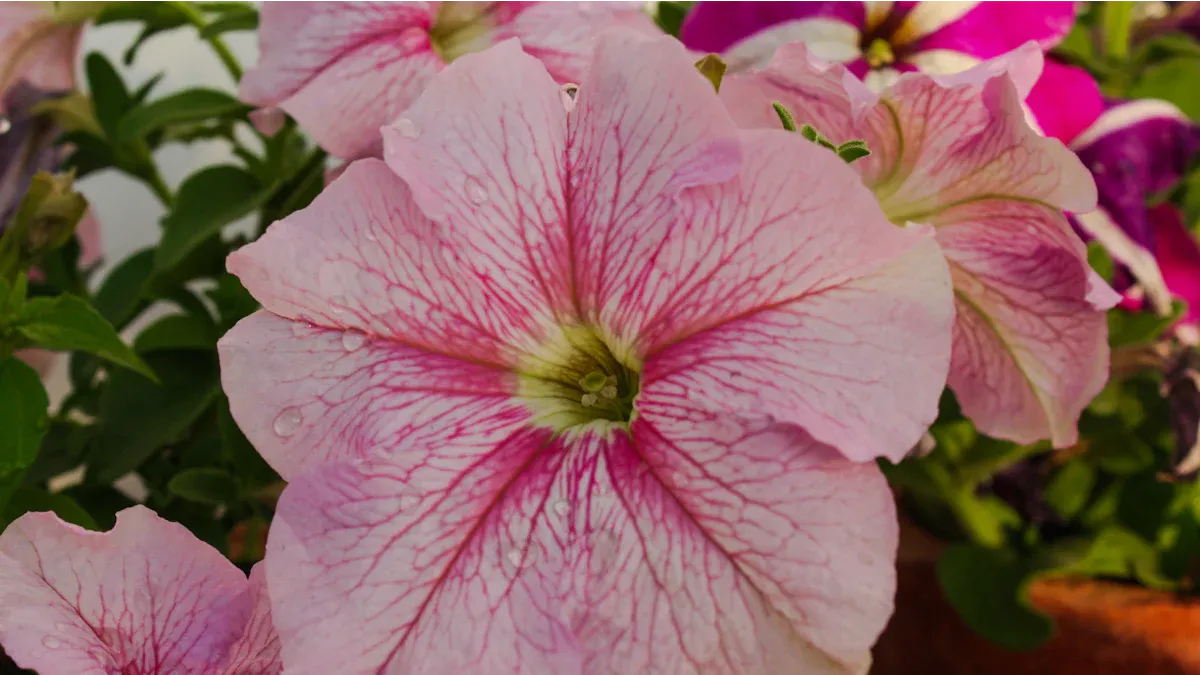
Petunias brighten up gardens with their vibrant colors and delightful fragrances. They are the best-selling garden flower in America, raking in over $262 million in annual sales. It’s no wonder you feel frustrated when rabbits munch on these beautiful blooms. Finding ways to keep rabbits from feasting on your petunias is essential to maintaining your garden’s charm.
Key Takeaways
Install a sturdy fence that is 3 to 4 feet tall to prevent rabbits from jumping over.
Use natural repellents like cayenne pepper spray, reapplying every 3-5 days for best results.
Incorporate rabbit-resistant plants, such as wormwood and marigolds, to create a less inviting environment for rabbits.
Rabbit Activity
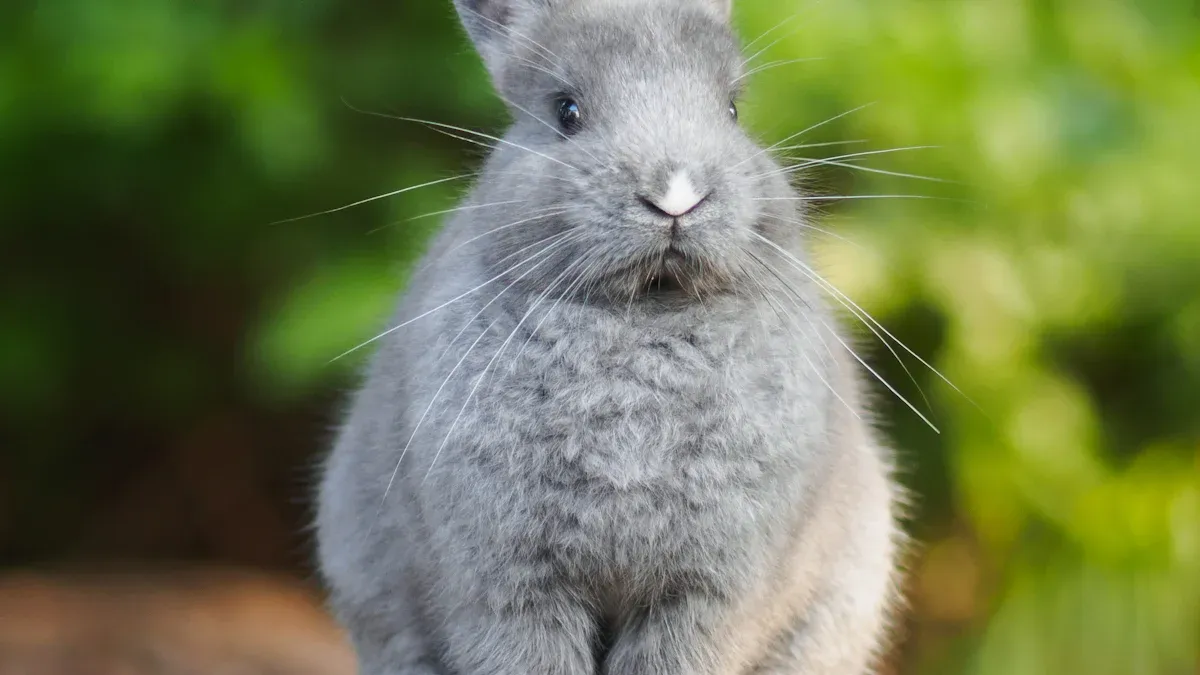
Signs of Damage
When rabbits invade your garden, they leave behind clear signs of their presence. You might notice your petunias looking a bit worse for wear. Here are some common indicators that rabbits have been munching on your flowers:
Nibbled Leaves: Rabbits love to nibble on the soft foliage of petunias, which can lead to noticeable damage. Look for clean-cut edges on the leaves, a telltale sign of rabbit feeding.
Distinctive Droppings: Keep an eye out for round droppings scattered around your garden. These droppings are a clear indicator that rabbits have been nearby.
Height of Damage: Rabbit damage typically occurs at a height of under 3 feet. This distinguishes it from deer damage, which can be much higher and leaves ragged edges.
If you see bite marks on the stems, check for a distinct 45-degree angle cut. This specific mark indicates that rabbits have been feeding on your plants. In contrast, other pests like aphids or budworms cause different types of damage, so knowing what to look for can help you identify the culprit.
Behavior Patterns
Understanding rabbit behavior can help you devise effective strategies for keeping rabbits out of the garden. Here are some key points about their activity:
Active Times: Rabbits are most active during the early morning and early evening. This crepuscular behavior means they often venture out to feed when it’s cooler and safer from predators.
Feeding Preferences: In spring and summer, rabbits enjoy a variety of green plants, including flowers and vegetables. They particularly love new tulip shoots and often target plants in the rose family, such as apple trees and raspberries. In fall and winter, their diet shifts to woody vegetation.
Damage Potential: Rabbits can cause significant damage to your garden by eating both flowers and vegetables. They frequently target young plants, so keeping an eye on your petunias during these active times is crucial.
By recognizing these signs and understanding their behavior, you can take steps to stop rabbits from eating your beloved petunias.
Effective Deterrents
When it comes to keeping rabbits out of your garden, you have several effective deterrents at your disposal. Let’s explore some practical solutions that can help you protect your petunias.
Fencing Solutions
One of the most reliable ways to stop rabbits from eating your flowers is to install fencing. A well-constructed fence can create a barrier that rabbits simply can’t cross. Here are some tips for effective fencing:
Height Matters: Choose a fence that stands between 3 to 4 feet tall. This height prevents rabbits from jumping over.
Material Selection: Use sturdy materials like chicken wire or hardware cloth. Make sure the holes are no larger than 2-3 inches to keep rabbits from squeezing through.
Bury the Bottom: To prevent digging, bury the bottom of the fence at least 6 inches underground. Alternatively, bend the bottom of the fence into an L shape to deter digging.
Secure the Edges: Use metal edging under gates to block any gaps. Avoid planting tempting crops along the fence line, as this can lure rabbits closer.
By following these guidelines, you can effectively keep rabbits out of the garden and protect your petunias.
Natural Repellents
If fencing isn’t an option or you want to add another layer of protection, consider using natural repellents. These can deter rabbits without harming them or your plants. Here’s how to use them effectively:
Commercial Repellents: Products like granules or sprays can be very effective. Reapply them every 7-14 days, especially after heavy rain. Always follow the product label for specific instructions.
DIY Solutions: You can create your own repellent using cayenne pepper. Mix it with water and spray it on your petunias. This needs reapplication every 3-5 days, particularly after watering or rain.
Here’s a quick reference table for reapplication frequencies:
Repellent Type | Reapplication Frequency |
|---|---|
Commercial Granules/Sprays | Every 7-14 days, or as directed by the product label. Always reapply after heavy rain. |
DIY Cayenne Pepper Spray | Every 3-5 days. Must be reapplied after any rain or watering. |
Using these rabbit repellents can help you maintain a beautiful garden without the worry of rabbits munching on your petunias.
Scare Tactics
Scaring rabbits away can also be an effective strategy. Here are some scare tactics you can employ:
Reflective Objects: Hang old CDs or aluminum pie plates around your garden. The sunlight reflecting off them can startle rabbits.
Motion-Activated Sprinklers: These devices can surprise rabbits with a sudden burst of water, making them think twice about entering your garden.
Predator Mimics: Place owl statues or other predator figures in your garden. While they may not always work, they can deter rabbits if they think a predator is nearby.
Sound Deterrents: Wind chimes or small bells can create noise that keeps rabbits at bay. Just remember to change their positions regularly to prevent rabbits from getting used to them.
Keep in mind that scare tactics are most effective initially. Rabbits can become accustomed to them after 5 to 7 exposures, so it’s wise to mix things up frequently.
By implementing these deterrents, you can significantly reduce the chances of rabbits eating your petunias. With a combination of fencing, natural repellents, and scare tactics, you’ll be well on your way to a rabbit-free garden!
Protecting Your Garden
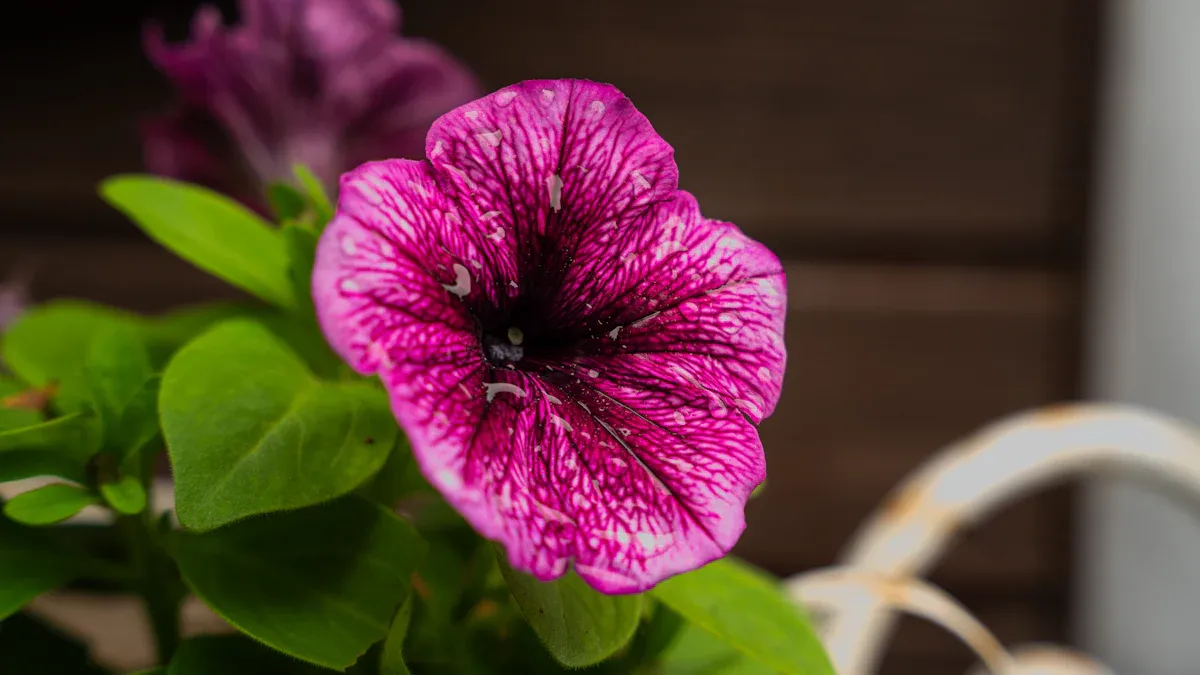
Keeping rabbits out of the garden can be a challenge, but you can make it easier by choosing the right plants. Some plants naturally deter rabbits, while others can work together to protect your petunias. Let’s dive into rabbit-resistant plants and companion planting techniques that can help you maintain a beautiful garden.
Rabbit-Resistant Plants
When you select plants that rabbits tend to avoid, you create a natural barrier around your petunias. Here are some rabbit-resistant plants you might consider adding to your garden:
Plant Name | Scientific Name | Characteristics | Hardiness Zones | Height | Resistance |
|---|---|---|---|---|---|
Wormwood | Artemisia stelleriana | Beautiful silvery-green foliage, strong scent deters pests | 5-9 | 6-10″ | Deer and rabbit resistant |
Creeping Jenny | Lysimachia nummularia | Trailing plant with chartreuse foliage, ideal for accenting petunias in containers | 3-10 | 2-4″ | Deer resistant |
By incorporating these plants into your garden, you not only enhance its beauty but also create a less inviting environment for rabbits. The strong scent of wormwood can deter them, while creeping Jenny adds a lovely touch to your petunia beds.
Companion Planting
Companion planting is another effective strategy for protecting your garden. By planting certain flowers and herbs alongside your petunias, you can create a natural deterrent for rabbits. Here are some plants that gardening experts recommend:
Lantana: This vibrant flower has a strong aroma that rabbits dislike, making it a great companion for your petunias.
Basil: The scent of basil can repel rabbits, and it also adds flavor to your kitchen!
Marigolds: These bright flowers not only beautify your garden but also emit a scent that rabbits tend to avoid.
In addition to these plants, consider using integrated garden protection strategies. Here’s a quick overview of some effective methods:
Strategy Type | Description |
|---|---|
Physical Barriers | Using sturdy fencing made of hardware cloth or chicken wire to keep rabbits out. |
Natural Repellents | Employing scents or substances that deter rabbits from approaching the plants. |
Strategic Planting | Choosing plants that are less appealing to rabbits or planting in a way that confuses them. |
By combining rabbit-resistant plants with companion planting, you can create a thriving garden that not only looks great but also keeps rabbits at bay. Remember, local wildlife regulations often encourage humane deterrent methods, so focus on repelling rather than relocating these furry visitors.
With these strategies, you can effectively stop rabbits from eating your petunias and enjoy a flourishing garden all season long!
To keep rabbits from munching on your petunias, consider these key strategies:
Install a sturdy fence at least 24 inches high.
Use natural repellents like capsaicin and garlic oil.
Opt for rabbit-resistant plants such as daffodils and lavender.
Implement these methods, and enjoy a flourishing garden! 🌼
FAQ
How can I keep rabbits from eating my petunias?
You can keep rabbits out by using fencing, natural repellents, and companion planting. These methods create barriers and deter rabbits effectively.
What are some natural ways to stop rabbits from eating plants?
Consider using cayenne pepper spray or planting rabbit-resistant flowers. These methods help protect your garden without harming the rabbits.
Do scare tactics really work against rabbits?
Yes, scare tactics like reflective objects and motion-activated sprinklers can deter rabbits. However, you may need to change them frequently to maintain effectiveness.
