


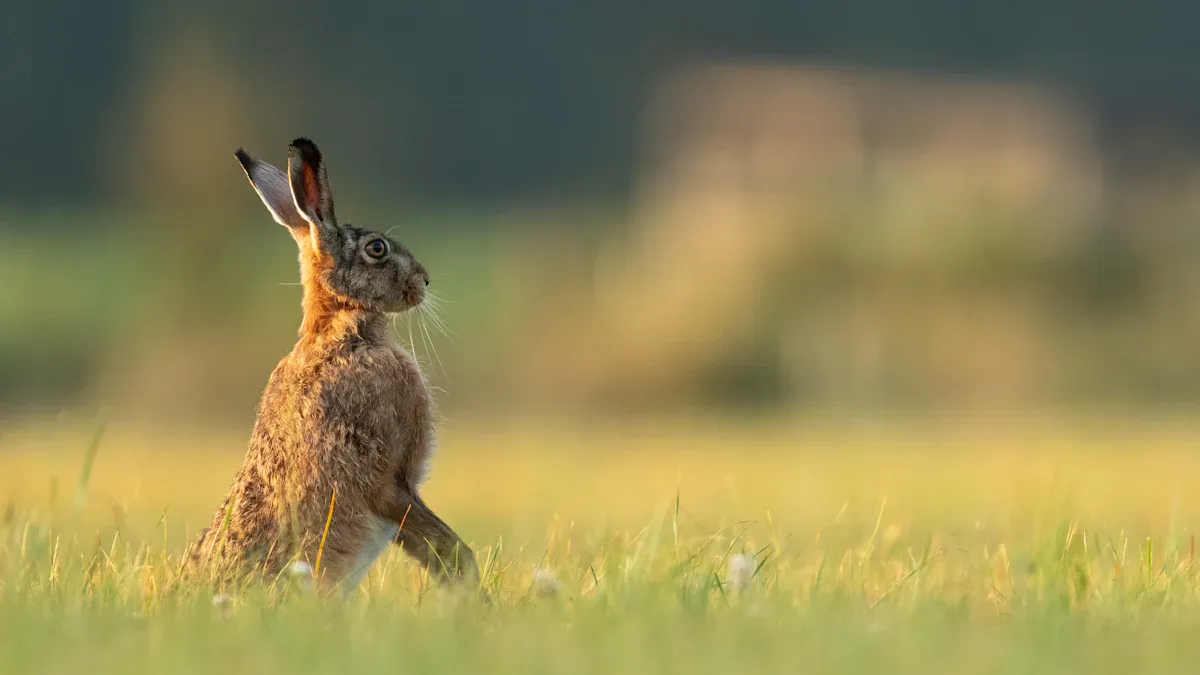
Wild rabbits come in various colors, but the most common shades include brown, gray, and white. Understanding these colors is crucial. For instance, the snowshoe hare changes its fur color seasonally. This adaptation helps it blend into snowy environments during winter and grassy areas in summer, enhancing its survival chances.
Key Takeaways
Wild rabbits commonly have colors like brown, gray, and white, which help them blend into their environments.
The snowshoe hare changes its fur color seasonally, adapting from brown in summer to white in winter for better camouflage.
Unlike wild rabbits, domestic rabbits showcase a wide variety of colors due to genetic mutations, making them popular as pets.
Colors of Wild Rabbits
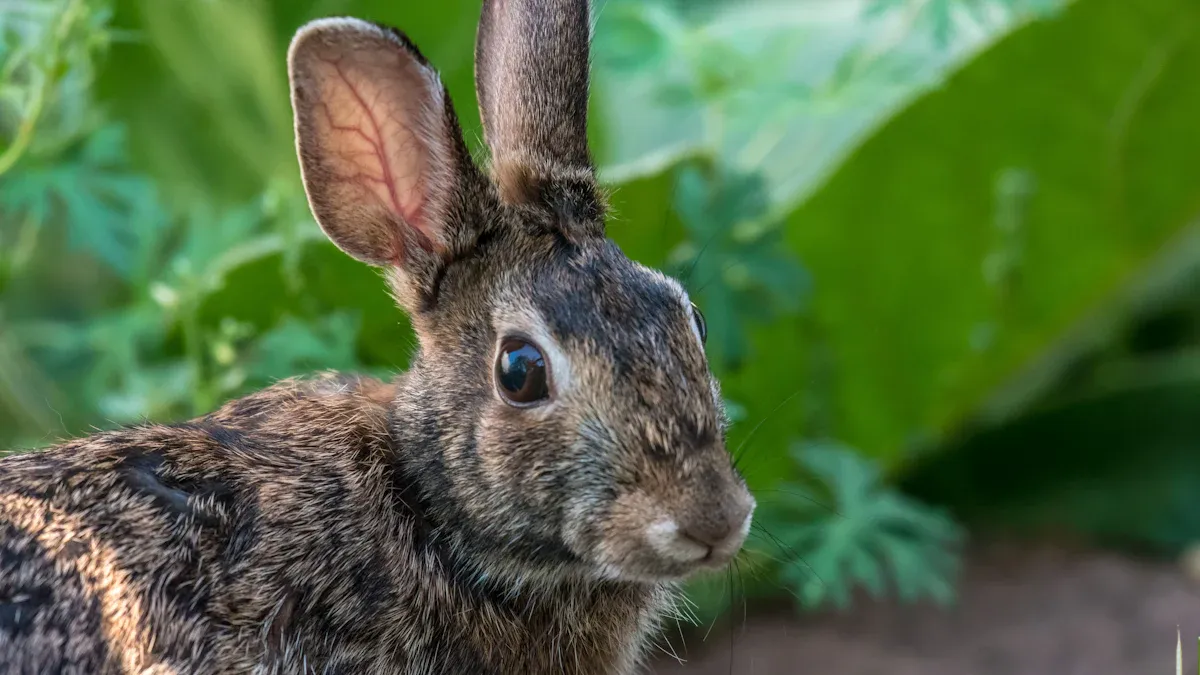
Agouti and Variations
Wild rabbits often display a unique pattern known as agouti coloration. This pattern features a mix of colors, typically with a darker hue on the back and lighter shades on the belly. The Eastern Cottontail is a prime example of this trait. Its coat usually appears brown with black and white ticking, which helps it blend into its surroundings.
Here’s a quick overview of agouti coloration traits:
Trait | Description |
|---|---|
Agouti Coloration | Wildtype is agouti with a light belly |
Chestnut Agouti | Original rabbit color, predominantly displayed |
Genetic Basis | Recessive non-agouti allele causes black coat |
In addition to the common agouti pattern, some wild rabbits exhibit rare color mutations. For instance, leucism can cause a rabbit to have a lighter coat while still retaining some pigmentation. This mutation can lead to variations in color, such as white, blonde, or orange fur. These differences can affect how well rabbits camouflage in their habitats, impacting their survival.
Seasonal Changes
Seasonal changes significantly influence the fur color of wild rabbits. For example, the snowshoe hare changes its fur from brown in the summer to white in the winter. This transformation occurs over approximately ten weeks, starting from the ears and feet. The primary trigger for this change is the photoperiod, or the length of daylight.
Here’s a summary of how seasonal changes affect rabbit fur:
Seasonal Change | Description |
|---|---|
Summer (Brown) | The snowshoe hare has brown fur during the summer months. |
Winter (White) | The fur changes to white over approximately 10 weeks, starting from the ears and feet. |
Environmental Cue | The primary trigger for this change is the photoperiod, or the length of daylight. |
Hormonal Response | Shortening days lead to reduced melanin production, resulting in white fur. |
Reverse Process | In spring, the brown fur replaces the white as days lengthen. |
Light exposure plays a crucial role in these seasonal changes. It influences not only the color of the fur but also the reproductive cycles and molting patterns of wild rabbits. As climate change alters snow cover patterns, these adaptations may become less effective, impacting the survival of species like the snowshoe hare.
Understanding the colors of wild rabbits, including their agouti patterns and seasonal changes, helps you appreciate their adaptations to the environment. These traits are vital for their survival, allowing them to evade predators and thrive in various habitats.
Wild Rabbits vs. Domestic Rabbits
When you compare wild rabbits to domestic rabbits, you notice significant differences in color diversity. Wild rabbits, like the Eastern Cottontail, typically have a limited color palette. They usually display shades of brown and black, which help them blend into their natural habitats. In contrast, domestic rabbits showcase a wide variety of colors. You can find them in hues like black, tan, gray, white, and even spotted patterns.
Here’s a quick comparison of color diversity:
Type of Rabbit | Color Diversity |
|---|---|
Wild Rabbits | Limited to brown and black (agouti) |
Domestic Rabbits | Extensive variety including white, black, tan, gray, and spotted |
The genetic factors influencing these color differences are fascinating. In wild rabbits, the genes responsible for coat color are relatively stable. They primarily exhibit the chestnut agouti color due to wild-type genes. On the other hand, domestic rabbits have undergone numerous genetic mutations. These mutations change the alleles of specific genes that control pigment production.
Here’s a summary of some key genes involved in rabbit coloration:
Gene | Effect on Coat Color | Description |
|---|---|---|
MC1R | Various colors | First gene studied; mutations affect coat color |
ASIP | Non-agouti black | Premature stop mutation leads to black coat |
TYRP1 | Brown | Associated with brown coat color |
POU2F1 | Rex rabbit colors | Affects fur color formation |
TYR | Various colors | Missense mutations affect coat colors |
MLPH | Dilute colors | Frameshift mutation associated with dilute coat color |
These genetic variations allow domestic rabbits to display a broader range of colors. This diversity makes them popular as pets, while wild rabbits maintain their more uniform appearance for survival in the wild. Understanding these differences helps you appreciate the unique adaptations of each type of rabbit.
Baby Wild Rabbits
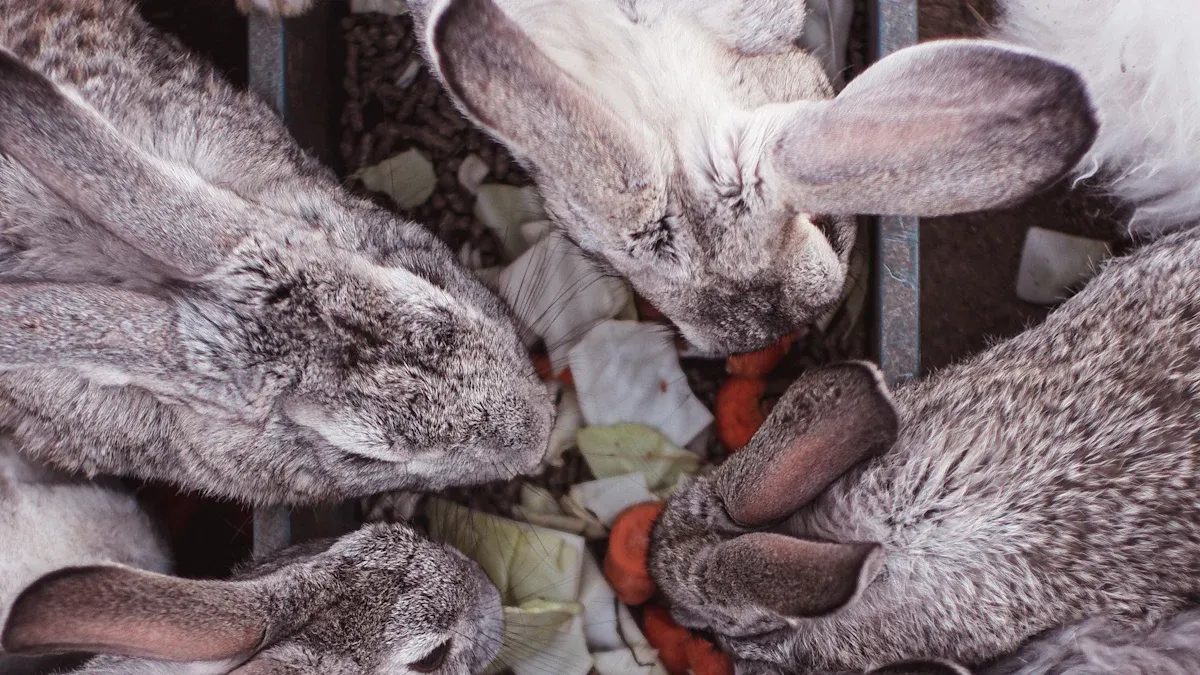
Identifying Baby Rabbits
Identifying baby wild rabbits can be an exciting experience. You can spot them by looking for their small size and soft fur. Baby rabbits, also known as kits, are typically born with a light brown or gray coat. This coloration helps them blend into their surroundings, providing protection from predators. Here are some key features to help you identify baby wild rabbits:
Size: Kits are usually about 3 to 4 inches long at birth.
Fur: Their fur is soft and often lighter than adult rabbits.
Eyes: Baby rabbits are born with closed eyes, which open around ten days after birth.
Ears: Their ears are small and floppy, gradually becoming more upright as they grow.
Color Changes
As wild rabbits mature, their fur undergoes noticeable changes. You may observe that their fur darkens due to hormonal changes and environmental factors. This transformation is similar to how a child’s hair might change color with age. Here are some factors that influence these color changes:
Hormonal Changes: As rabbits grow, hormones trigger changes in fur pigmentation.
Temperature: Higher temperatures can lead to lighter fur, while lower temperatures may cause darkening.
Age: The transition from a lighter kit coat to a darker adult coat typically occurs within a few months.
Understanding these changes helps you appreciate the life cycle of wild rabbits. Their ability to adapt their fur color plays a crucial role in their survival in the wild.
Injured Wild Rabbits
Assessing Injuries
If you encounter an injured wild rabbit, assessing its condition is crucial. Look for visible signs that indicate the severity of its injuries. Here are some key indicators to check:
Visible wounds
Bleeding
Inability to move
Severe limping
These signs can help you determine how serious the situation is. If the rabbit shows any of these symptoms, it likely needs immediate assistance.
Seeking Help
When you find an injured rabbit, follow these steps to ensure its safety and well-being:
Protect Yourself: Wear gloves and protective clothing to prevent injury and avoid contact with potential rabies.
Prepare a Container: Have a sturdy box or animal carrier ready to contain the rabbit.
Capturing the Animal: Use a thick towel to gently cover the rabbit and place it in the container.
If You Can’t Transport It Immediately: Keep the rabbit in a warm, dark, and quiet place without food or water.
Transport: Keep the rabbit in the box during transport and maintain a quiet environment.
Whom to Call for Help: Contact local wildlife rehabilitators or animal control for further assistance.
You can reach out to organizations like the Animal Education and Rescue Organization (A.E.R.O.) at 703-493-0554 or the Alexandria Animal Welfare League (AWLA) at 703-746-4444 for guidance on what to do next.
It’s important to note that helping injured wild rabbits may involve legal considerations. Here’s a quick overview:
Legal Aspect | Description |
|---|---|
Permits | Wildlife rehabilitators must obtain permits from federal and state agencies. |
Veterinarian Relationship | A licensed veterinarian must be involved in the rehabilitation process. |
Standards of Care | Different states have varying standards, which can be more restrictive than federal regulations. |
By following these steps and understanding the legal aspects, you can play a vital role in helping injured wild rabbits recover.
In summary, wild rabbits typically display colors like brown, gray, and white. These colors help them blend into their environments. Unlike domestic rabbits, which show a wide range of colors, wild rabbits maintain a more uniform appearance. 🐇 Appreciate the beauty of wild rabbits, and remember to help any injured ones you may find!
FAQ
What is the most common color of wild rabbits?
Wild rabbits commonly display shades of brown, gray, and white, which help them blend into their environments.
Do wild rabbits change color with the seasons?
Yes, some wild rabbits, like the snowshoe hare, change color seasonally to adapt to their surroundings.
How can I identify a baby wild rabbit?
You can identify baby wild rabbits by their small size, soft fur, and light brown or gray coat.
