


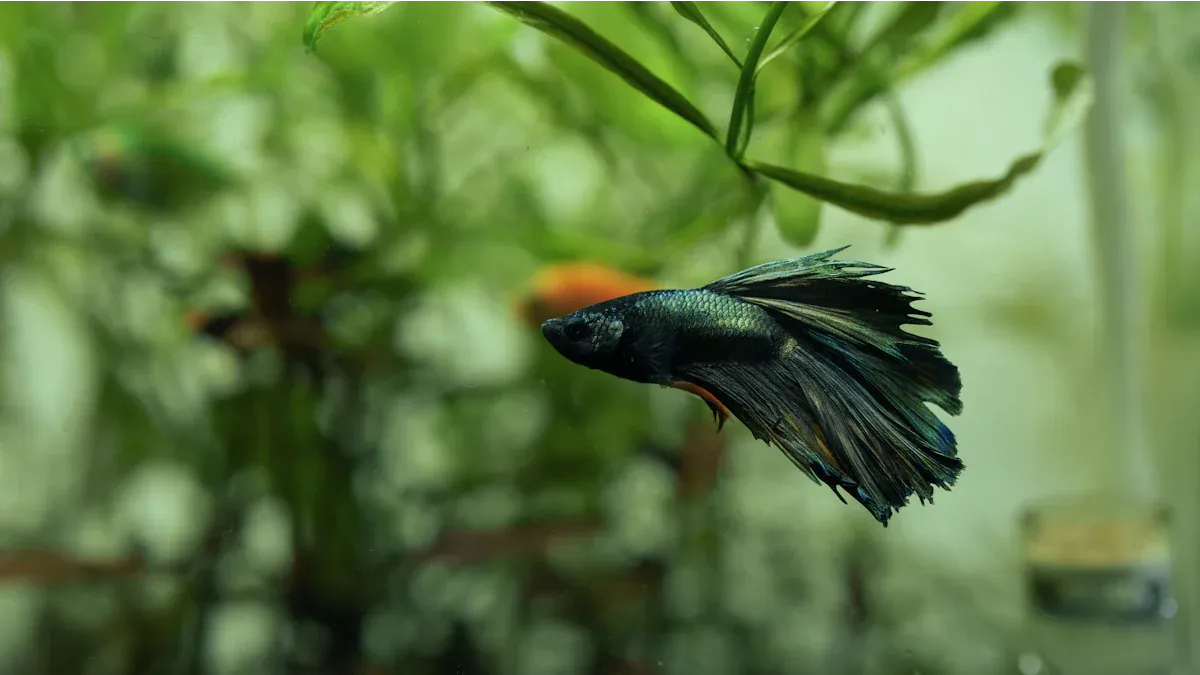
If you’ve noticed your betta fish jumping, you’re not alone! Betta fish jumping can happen for a few reasons. Sometimes, they’re trying to escape poor water conditions or they feel stressed. Other times, it’s just part of their natural behavior. Understanding why your betta is jumping is crucial for keeping them happy and healthy. Let’s dive into the common causes of this behavior!
Key Takeaways
Monitor water quality. Keep ammonia levels at 0 ppm to reduce stress and jumping.
Maintain a stable temperature. Aim for 78°F to 80°F to keep your betta comfortable.
Provide enough space. A minimum tank size of 5 gallons helps prevent stress and jumping.
Reduce stress factors. Avoid overcrowding and aggressive tank mates to create a peaceful environment.
Add enrichment. Use toys and plants to keep your betta engaged and reduce boredom-related jumping.
Water Conditions
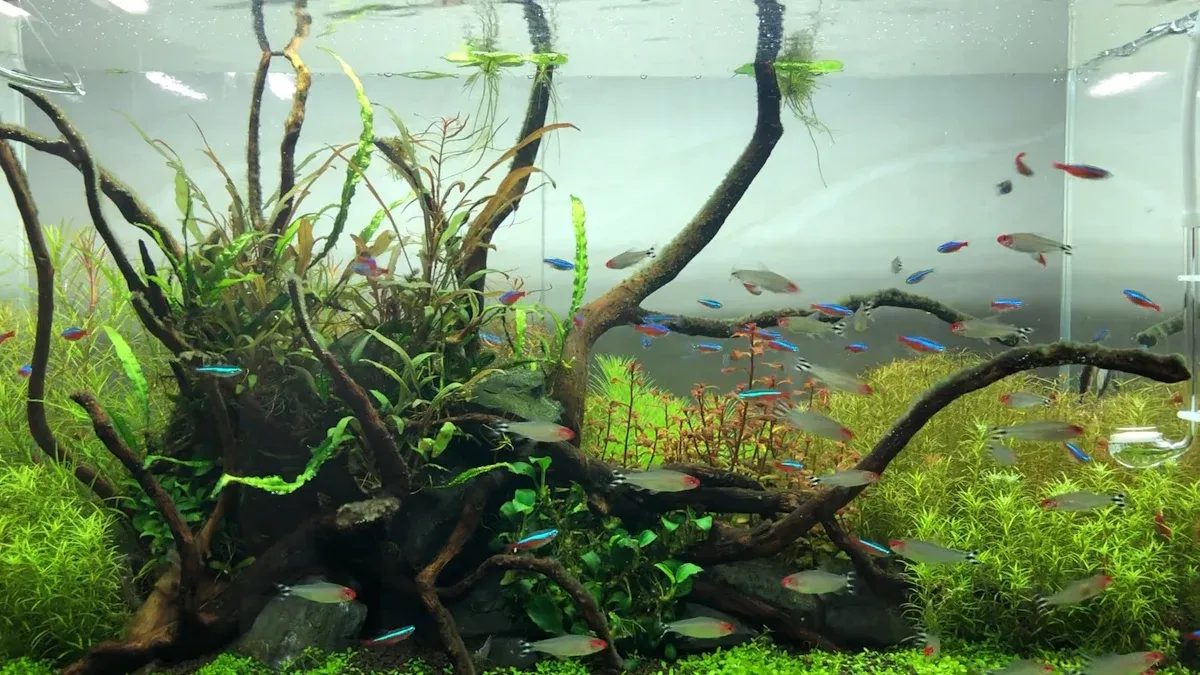
When it comes to your betta fish, water conditions play a huge role in their behavior. If the water quality is poor, you might notice your betta jumping more often. Let’s break down two critical factors: ammonia levels and temperature.
Ammonia Levels
High ammonia levels can be a real problem for your betta fish. Poor water quality, including elevated ammonia, can lead to jumping behavior. Your betta may instinctively jump to escape unsuitable conditions. Here are some key points to consider:
Ideal ammonia level: Aim for 0 ppm to keep your betta stress-free.
Cycling phase: During this time, you can maintain ammonia levels around 0.25 ppm. This helps beneficial bacteria grow while minimizing stress.
If ammonia levels rise, your betta might feel uncomfortable and start jumping. Remember, they come from environments that can become inhospitable, so this behavior is a survival instinct. Keeping the water clean and well-maintained is essential for their health.
Temperature
Temperature is another crucial factor that affects your betta’s behavior. Betta fish thrive in water temperatures between 78°F and 80°F (25.5°C to 26.7°C). Maintaining this range is vital to prevent stress and abnormal behaviors like jumping. Here’s what you should know:
Fluctuations: If the temperature goes beyond 82°F (27.8°C), your betta may experience increased stress, leading to erratic swimming and jumping.
Stable environment: Keeping the temperature consistent helps your betta feel secure and comfortable.
By monitoring both ammonia levels and temperature, you can create a safe and healthy environment for your betta fish. This will help reduce jumping behavior and keep your fish happy.
Tank Size and Setup
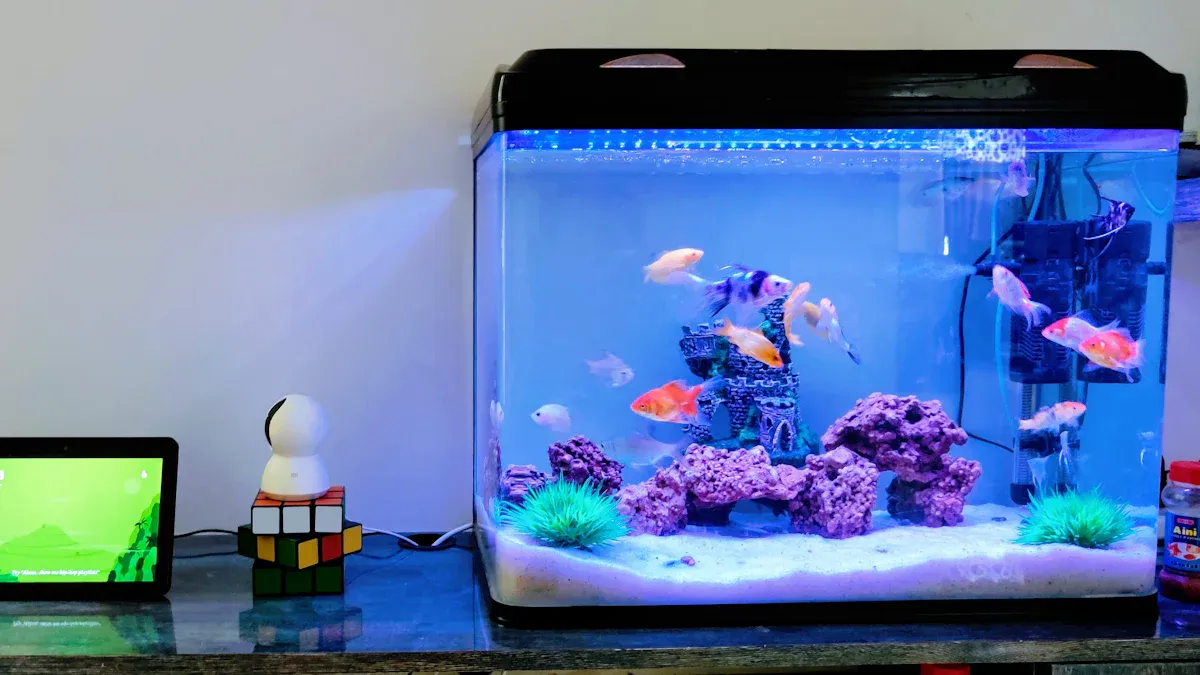
When it comes to keeping your betta fish happy, tank size matters a lot. A small tank can lead to stress, which often results in jumping. Let’s explore why having enough space is crucial for your betta.
Tank Size
You might think that a tiny tank is enough for your betta, but that’s not the case. The minimum recommended tank size has changed over time. Many experts now suggest a minimum of 5 gallons. Some still say 2.5 gallons can work if you provide proper care. However, larger tanks are generally better for your fish’s well-being. Here’s why:
Stress Reduction: A small tank can make your betta feel cramped. Limited swimming space can lead to jumping as they search for more room.
Better Maintenance: Larger tanks help maintain water quality, which is essential for your betta’s health.
Overcrowding
Overcrowding is another issue that can lead to jumping and aggression in betta fish. When too many fish share a small space, it creates stress. Here are some key points to consider:
Territorial Instincts: Betta fish are territorial. In a crowded tank, they may feel threatened, leading to aggressive behaviors like chasing or fin nipping.
Space and Hiding Spots: Providing enough space and hiding spots can help reduce aggression. Aim for a balanced community where each fish has enough room to swim comfortably.
To prevent overcrowding, aim for one male betta per 20 gallons. If you want to keep females, a sorority of 5–7 can coexist, but make sure the tank is spacious enough. Remember, overcrowding can lead to poor water quality and increased stress, which may cause your betta to jump.
By ensuring your betta has a suitable tank size and setup, you can help minimize jumping behavior and keep your fish happy and healthy.
Stress Factors
Stress can significantly affect your betta fish, leading to erratic swimming and jumping behavior. Understanding the sources of stress is essential for creating a peaceful environment for your fish. Let’s explore two major stress factors: environmental stress and physical injury.
Environmental Stress
Your betta fish can experience stress from various environmental factors. Here are some common stressors that might lead to jumping:
Poor water quality: High ammonia levels or dirty water can make your betta uncomfortable, prompting them to jump.
Confined space: A small tank can restrict your fish’s movement, causing discomfort and stress.
Aggressive tank mates: If you have other fish that are aggressive, your betta may feel threatened, leading to constant stress.
Jumping can indicate stress due to these poor water conditions. If you notice your betta jumping frequently, it’s a sign that something isn’t right in their environment.
Additionally, sudden changes in the aquarium can also trigger stress. For example:
Loud noises: Fish don’t hear like we do; they feel vibrations. Sudden loud sounds can startle them, causing panic and increased jumping behavior.
Bright lighting: Rapid changes in lighting can stress your betta, contributing to erratic behaviors like jumping.
Chronic stress can manifest in other ways too. You might observe your betta:
Swimming erratically
Breathing rapidly
Hiding behind plants
Fading colors
Clamping fins close to their body
These signs indicate that your betta is not just jumping but is also experiencing significant stress.
Physical Injury
Physical injuries can also lead to jumping behavior. If your betta has been injured, they may jump as a reaction to pain or discomfort. Here are some reasons why physical injuries might occur:
Sharp decorations: If your tank has rough edges or sharp decorations, your betta could injure themselves while swimming.
Aggressive interactions: If your betta is in a tank with aggressive tank mates, they might get nipped or chased, leading to injuries.
If you suspect your betta is injured, it’s crucial to assess their environment and make necessary changes. Providing a safe and comfortable space can help reduce jumping and promote healing.
By addressing these stress factors, you can create a more stable environment for your betta fish, reducing their jumping behavior and ensuring they thrive.
Natural Behaviors
Betta fish have unique instincts that can lead to jumping. Understanding these natural behaviors helps you create a better environment for your fish.
Instincts
In the wild, betta fish often jump as a survival tactic. Here are some reasons why they might leap:
Environmental Factors: Wild bettas jump mainly due to poor water conditions, lack of space, and stress from other fish. Captive bettas experience similar triggers but may jump more often because of confinement.
Mating Behavior: During mating season, both wild and captive male bettas may jump in search of mates. This instinctual behavior is a significant reason for jumping.
By recognizing these instincts, you can better understand your betta’s behavior and take steps to reduce unnecessary jumping.
Boredom
Boredom can also lead to increased jumping in betta fish. If your betta feels unstimulated, they might resort to jumping as a way to express their frustration. Here are some signs of boredom:
Repetitive Swimming: A female betta in a sparsely decorated tank may swim back and forth repeatedly, indicating a lack of stimulation.
Pacing and Tail Biting: Bettas in bare-bottom tanks often show less activity compared to those in well-planted environments. Pacing the glass and tail biting are clear signs of boredom.
To keep your betta engaged, consider adding enrichment activities to their tank. Here are some ideas:
Toys and Decorations: Provide ornaments and caves for exploration, like floating betta logs.
Exercise Mirror: Use a floating mirror to stimulate your betta’s natural territorial instincts.
Live Fish Food: Offer live foods to encourage hunting behavior, activating their instincts.
Aquarium Plants: Incorporate dense vegetation to create a natural habitat.
You can also try using ping pong balls or mirrors for a few minutes daily to encourage flaring and stretching. By keeping your betta entertained, you can reduce jumping caused by boredom and promote a happier, healthier fish.
In summary, understanding why your betta fish jumps is essential for their health and happiness. Key factors include water quality, tank size, and stress management. Here are some tips to help you keep your betta safe:
Use Glass Tops: Installing a lid can prevent your fish from jumping out.
Add Floating Plants: These create a visual barrier that discourages jumping.
Maintain Good Water Quality: Clean water prevents stress and promotes overall health.
By addressing these aspects, you can create a comfortable environment for your betta. Remember, a happy betta is less likely to exhibit abnormal swimming patterns or jump out of the tank!
FAQ
Why does my betta fish jump out of the tank?
Your betta may jump to escape poor water conditions, stress, or boredom. Ensure you maintain clean water, provide enough space, and keep them entertained to reduce jumping behavior.
How can I prevent my betta fish from jumping?
To prevent jumping, use a tank lid, add floating plants, and maintain good water quality. These steps create a safer environment and help keep your betta calm.
Is jumping a sign of illness in betta fish?
Jumping can indicate stress or discomfort, but it doesn’t always mean illness. Monitor your betta for other signs like lethargy or changes in appetite to determine if they need medical attention.
What should I do if my betta keeps jumping?
If your betta keeps jumping, check water quality, tank size, and stress factors. Make necessary adjustments to their environment and consider adding enrichment to keep them engaged.
Can jumping cause harm to my betta fish?
Yes, jumping can lead to injuries or stress. If your betta jumps out of the tank, they may hurt themselves. Always ensure a secure tank setup to minimize risks.
