


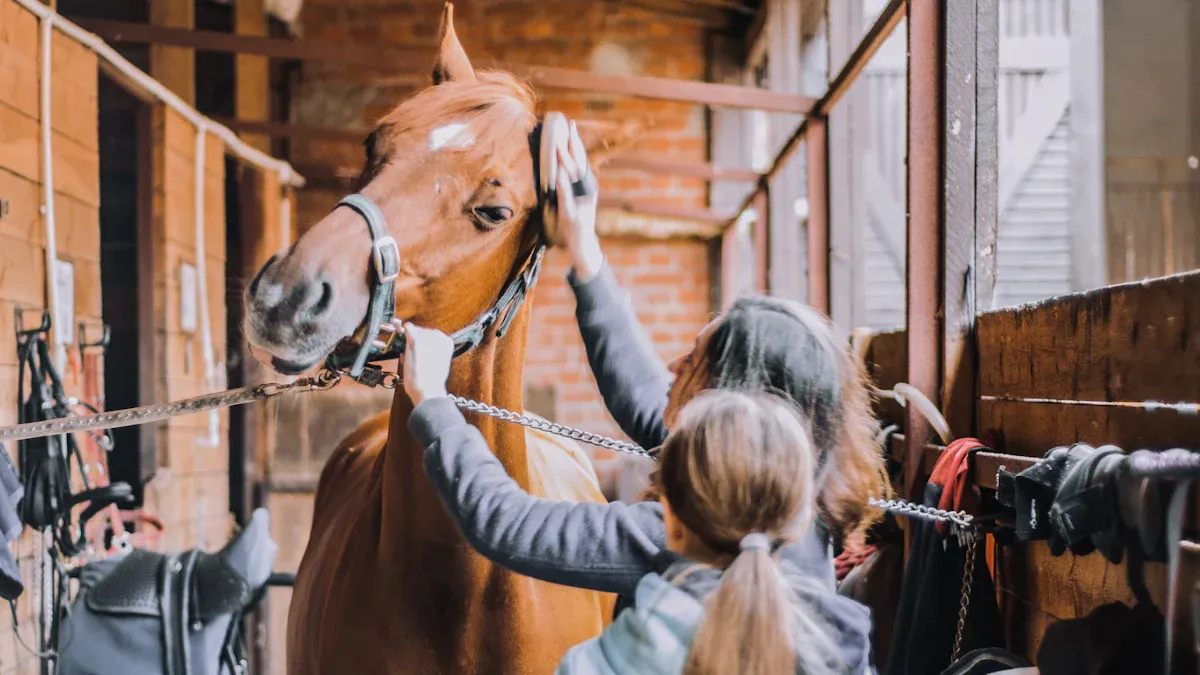
You can’t get lice from horses! Lice are host-specific parasites, meaning they only live on certain animals. Understanding the types of lice and their symptoms in horses is crucial for keeping your equine friends healthy. Watch for signs of infestation to ensure your horse stays comfortable and happy.
Key Takeaways
Lice are host-specific parasites. You cannot get lice from horses, so there’s no need to worry about transmission to humans.
Watch for signs of lice in horses, such as intense itching, hair loss, and skin irritation. Early detection helps keep your horse comfortable.
Regularly clean grooming tools and maintain a hygienic environment. This practice prevents lice from spreading among horses.
Horse Lice Types
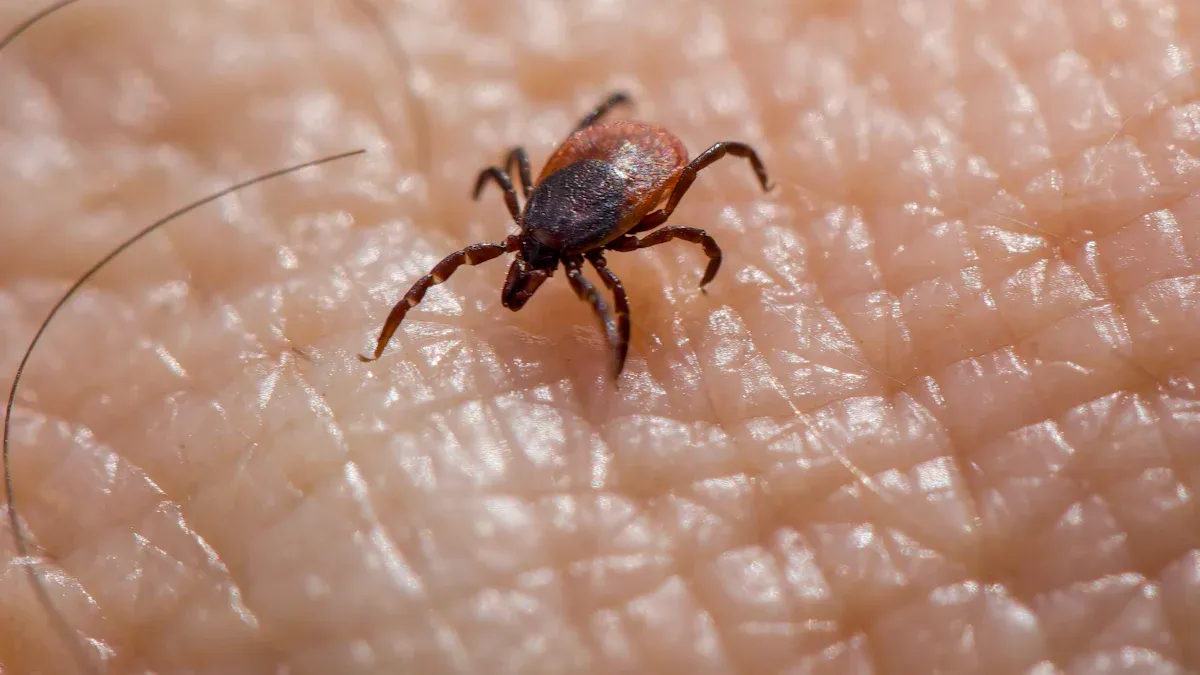
When it comes to horse lice, you mainly encounter two types: chewing lice and sucking lice. Each type has its own unique characteristics and feeding habits that can affect your horse’s health.
Chewing Lice
Chewing lice, scientifically known as Bovicola equi, feed on dander and skin flakes. They are quite active and can often be seen moving around on your horse’s coat. These lice prefer finer hair, typically found on the head, neck, mane, flanks, and tail base. If you notice your horse scratching more than usual, it could be a sign of these pesky parasites.
Here’s a quick comparison of chewing lice characteristics:
Characteristic | Chewing Lice (Bovicola equi) |
|---|---|
Feeding Habits | Feed on dander and skin flakes |
Movement | Active and can be seen moving |
Preferred Locations | Finer hair on head, neck, mane, flanks, and tail base |
Sucking Lice
On the other hand, sucking lice, like Haematopinus asini, are a bit different. They feed on blood by embedding their mouthparts into the hair roots. Unlike chewing lice, sucking lice are generally stationary and don’t move around much. You’ll find them in areas with longer, coarser hair, such as the forelock, mane, and legs.
Here’s how sucking lice stack up:
Characteristic | Sucking Lice (Haematopinus asini) |
|---|---|
Feeding Habits | Feed on blood by embedding mouthparts into hair roots |
Movement | Generally stationary, not moving around |
Preferred Locations | Areas with longer, coarser hair, such as forelock, mane, and legs |
Lice infestations can be a global concern, with varying prevalence rates. For instance, studies show that in some regions, up to 100% of horses may be affected. Keeping an eye on your horse for signs of these lice types can help you manage their health effectively.
Symptoms of Lice in Horses
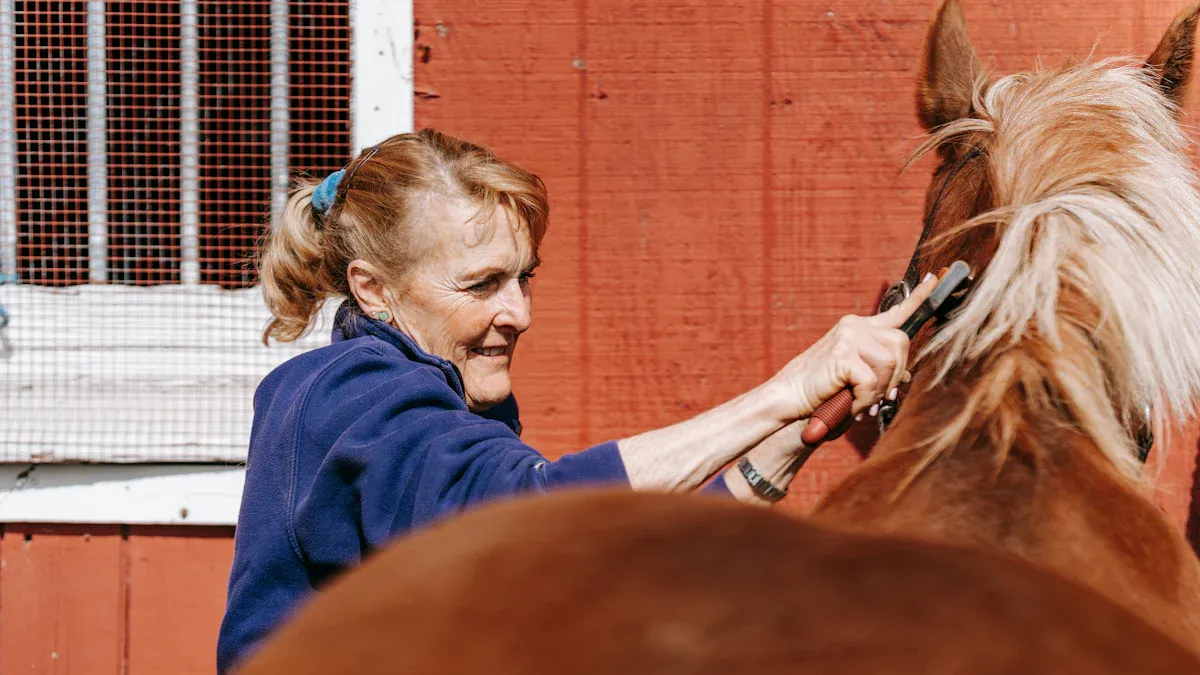
When your horse has a lice infestation, you might notice several telltale signs. Understanding these symptoms can help you act quickly to keep your horse comfortable.
Itching and Scratching
One of the most common symptoms of lice in horses is intense itching. You may see your horse biting at or rubbing its body against fences, trees, or other surfaces. This behavior often leads to sore and bald patches on the skin. Here are some signs to watch for:
Biting, rubbing, or scratching infested areas
Increased restlessness
Hair loss, especially in areas where the horse rubs frequently
If you notice your horse acting unusually restless or scratching more than normal, it could indicate a lice infestation.
Hair Loss and Skin Irritation
Hair loss and skin irritation are also significant indicators of lice. The constant itching can cause your horse to rub its skin raw, leading to abrasions and scabs. You might observe:
A rough coat with a shabby, unkempt appearance
Matted hair and sore patches
Skin loss in severe cases
Research shows that lice infestations can lead to serious skin damage if left untreated. The longer you wait, the more likely your horse will experience discomfort and potential health issues. If you suspect lice, it’s essential to diagnose horse lice promptly. A veterinarian can help identify the problem by examining your horse’s coat and looking for lice or their eggs.
By keeping an eye out for these symptoms, you can ensure your horse remains healthy and happy.
How Horses Get Lice
Lice can spread among horses in a couple of main ways. Understanding these transmission methods helps you keep your horse safe and healthy.
Direct Contact
One of the most common ways horses get lice is through direct contact. When horses are close together, they can easily pass lice from one to another. This often happens in crowded environments, like stables or during training sessions. Here are some key points about direct contact:
Lice are typically transmitted directly from one horse to another.
Crowded conditions increase the risk of lice spreading.
Horses often acquire lice through contact with infested horses.
If you have multiple horses, be sure to monitor their interactions. Keeping an eye on their behavior can help you catch any signs of lice early.
Shared Grooming Tools
Another significant way lice spread is through shared grooming tools and equipment. When you use the same brushes, combs, or blankets on different horses, you risk transferring lice. Here’s what you should know:
Lice can be passed from horse to horse via shared grooming tools or tack.
This risk is present in both small facilities and large show barns.
Thorough cleaning of any equipment used on an infested horse is essential before using it on a non-infested horse.
To minimize the risk, always clean your grooming tools regularly. This simple step can help prevent lice infestations from spreading among your horses.
By understanding how lice transmit, you can take proactive measures to protect your horses. Regular checks and good hygiene practices will go a long way in keeping your equine friends healthy and lice-free.
Treatment of Horse Lice
When it comes to treating horse lice, you have several effective options. It’s essential to act quickly to relieve your horse’s discomfort and prevent the infestation from spreading. Let’s explore the best treatment methods and how you can manage the environment to keep lice at bay.
Topical Treatments
Topical treatments are often the first line of defense against lice infestations. You can choose from various products, including shampoos, sprays, and powders. Here are some popular options:
Insecticidal Shampoos: Bathing your horse with an insecticidal shampoo, like permethrin, can effectively kill lice. Make sure to follow up with another treatment two weeks later to catch any remaining lice.
Ectoparasiticides: These are generally inexpensive and effective. They come in various forms, such as sprays or wipe-on formulas. You can apply them directly to your horse’s coat for quick relief.
Ivermectin: This oral dewormer is effective against sucking lice. The cost of treating lice with ivermectin is typically under $100, but prices may vary based on your location.
Here’s a quick overview of how long it typically takes for topical treatments to eliminate lice infestations:
Treatment Interval | Duration | Notes |
|---|---|---|
10 to 14 days | 2-3 applications | Multiple treatments needed due to lice lifecycle spanning several weeks |
Remember, treating lice isn’t a one-time event. You need to be diligent and follow through with the recommended treatment plan to ensure your horse is lice-free.
Environmental Management
Effective treatment of horse lice also involves managing the environment where your horse lives. Here are some key strategies for preventing lice infestations:
Regular Cleaning: Clean and disinfect stables, tack, grooming equipment, and bedding regularly. This helps prevent reinfestation.
Isolation of Infested Horses: If you notice a horse with lice, isolate it immediately to prevent the spread to others.
Quarantine New Arrivals: Always monitor and treat new horses for lice before introducing them to your stable. A two-week quarantine can help catch any potential infestations early.
By implementing these environmental management practices, you can significantly reduce the risk of lice outbreaks in your horse population.
Additionally, here are some preventive measures to keep in mind:
Quarantine New Arrivals: Introduce new horses to your stable with a two-week quarantine to monitor for lice.
Maintain Cleanliness: Regularly clean and disinfect barns and equipment, changing bedding frequently.
Reduce Stress: Ensure comfortable living conditions to strengthen your horse’s immune system.
Regular Health Checks: Conduct health checks and grooming to detect lice early.
Use Lice Treatment: Apply lice repellents and insect sprays as preventive measures.
By combining effective treatments with good environmental management, you can keep your horse healthy and lice-free.
You now know that lice can’t jump from horses to humans. Keep an eye on your horse for signs of lice. Here are some steps to help you monitor effectively:
Frequently inspect your horse, especially the mane, tail, and underbelly.
Groom regularly with a fine-toothed comb to catch any lice early.
If you spot any signs of lice, don’t hesitate to seek treatment. Your horse’s comfort depends on it! 🐴✨
FAQ
Can you get lice from grooming your horse?
No, you can’t get lice from grooming your horse. Lice are host-specific parasites that only affect horses.
How can I tell if my horse has lice?
Look for signs like itching, scratching, hair loss, and skin irritation. These symptoms indicate lice in horses.
What should I do if my horse has lice?
Treat your horse with topical treatments and manage the environment. Regular grooming helps prevent lice infestations.
