

The British Shorthair, with its plush coat and distinctive appearance, is a very popular cat. You want to understand this beloved British Shorthair breed. This guide offers you the pros and cons of ownership. We detail 15 must-know traits and facts. This helps you make an informed decision. Before welcoming one of these amazing cats into your life, consider both the joys and practical care for these lovely cats. Understanding the pros and cons ensures you provide the best care for your new cat. These cats make wonderful companions. A British Shorthair is a unique breed. Many people love this British Shorthair.
Key Takeaways
British Shorthairs are calm and gentle cats. They are independent but also show affection. They adapt well to different homes.
These cats have low care needs. They are quiet and get along with children and other pets. Their coats shed minimally.
British Shorthairs can gain weight easily. They may also have certain health issues. These include heart and kidney problems.
Owning a British Shorthair costs more at first. They also need regular vet visits. You must provide mental games for them.
British Shorthair Pros: 8 Key Traits
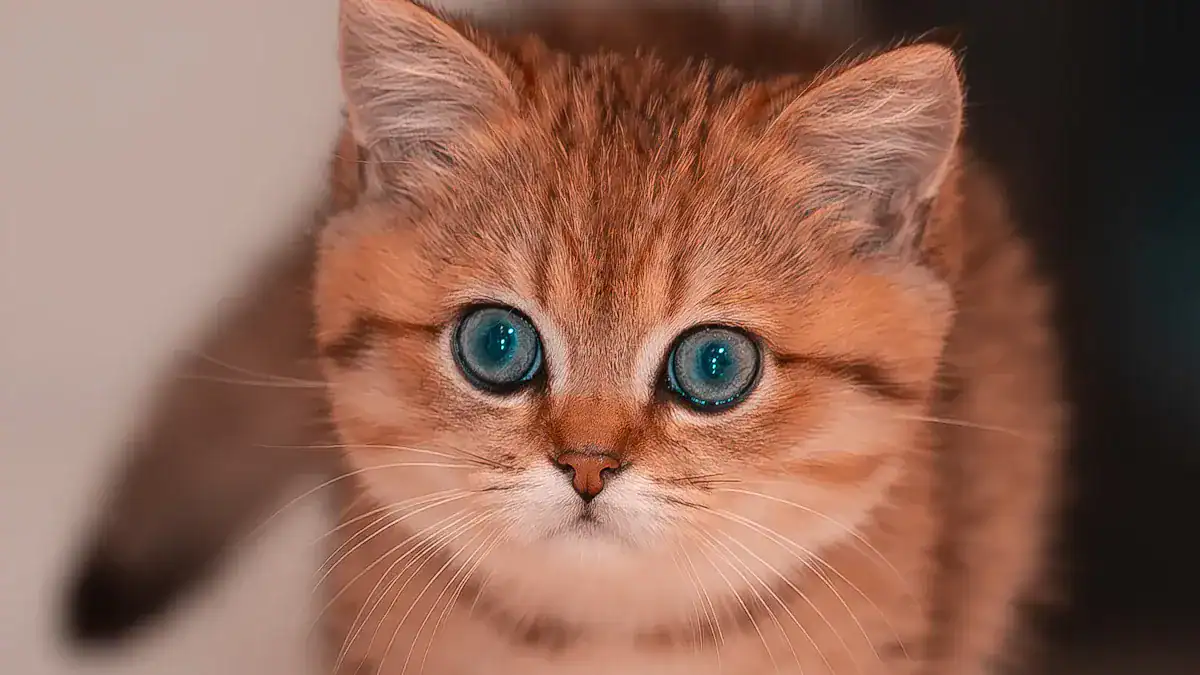
This section details the pros of owning a British Shorthair. You will learn about their unique traits. These pros make them wonderful companions. Understanding these points helps you weigh the pros and cons of this cat breed.
Calm and Gentle Temperament
The British Shorthair is famous for its calm and gentle temperament. This cat integrates into your home with minimal fuss. They rarely cause drama. You will find them to be a comforting presence. They are tolerant and quiet. They rarely swat or bite without strong provocation. This gentle disposition makes them easy to live with. Their calm temperament is a major advantage. This personality develops fully between 3 and 5 years old. They are well-behaved and easygoing. This sweet disposition is a hallmark of the british shorthair personality.
Independent Yet Affectionate Cats
British Shorthair cats offer a unique blend of independence and affection. They do not constantly demand your attention. They are content to sleep, observe, or play on their own. This makes them ideal if you have a busy lifestyle. Despite their independence, they show an affectionate side. They enjoy being near you. They come to you on their own terms. They are silent observers. They enjoy proximity to their family. This sweet disposition means they are not overly needy.
Quiet and Serene Nature
You will appreciate the quiet nature of a British Shorthair. These cats are generally less vocal than many other breeds. Think of Siamese cats; they are very talkative. British Shorthairs express themselves more through body language. They prefer a tranquil environment. They provide a mellow and comforting presence. They do not create much mayhem. Their quiet personality adds to their serene charm. The British Shorthair personality is truly unique.
Highly Adaptable to Various Homes
British Shorthairs are very adaptable. They thrive in many living situations. They are comfortable in family homes or apartments. They adjust well to changes in your routine. This makes them suitable for diverse lifestyles. They adapt well to apartment living. They are content indoors. You just need to provide enough space, scratching posts, and toys. They can live in country houses, flats, or farms. They only need a calm, safe, and cozy atmosphere. This breed is versatile. They adjust to almost any environment.
Low Overall Maintenance Needs
You will find British Shorthairs have low overall care needs. Their moderate activity level means they do not require constant exercise. They prefer quick games and relaxing in sunny spots. This makes them suitable for smaller homes. Their grooming needs are also manageable. This contributes to their low maintenance care.
Good with Children and Other Pets
British Shorthairs are often a great fit for children. They are patient and accepting. Their calm demeanor helps maintain peace among other animal housemates. They handle the enthusiasm of children gracefully. They prefer not to be carried, but they are tolerant. Their robust build and gentle disposition make them excellent playmates. You should teach children to respect the cat’s boundaries. This ensures a harmonious household. They form strong bonds with both children and adults. They are wonderful companions for gentle children. They coexist peacefully with other friendly household pets.
Generally Robust Health
British Shorthairs are generally a healthy breed. They have a good overall health record. However, like all purebred cats, they can be prone to certain conditions. These include heart disease like hypertrophic cardiomyopathy. They can also have polycystic kidney disease (PKD). Despite these possibilities, their general health is robust. Regular vet visits help manage any potential issues. This ensures your cat stays healthy.
Minimal Shedding Coat
You will find the British Shorthair’s coat relatively easy to manage. They have a dense, plush coat. They shed seasonally. This is comparable to British Longhairs. Their fur requires regular brushing to prevent matting. However, their shedding volume is not excessive. This makes their care quite straightforward.
British Shorthair Cons: 7 Important Facts
You consider a British Shorthair. You must understand the potential downsides. This section details important facts. These facts help you make an informed decision about this specific cat breed. Knowing these cons helps you prepare for ownership.
Predisposition to Certain Health Issues
British Shorthair cats are generally healthy. However, you should know about specific genetic conditions. These are potential health concerns for the breed. For example, Hypertrophic Cardiomyopathy (HCM) is prevalent in British Shorthair cats. This heart condition can affect your cat. Polycystic Kidney Disease (PKD) is another concern. Responsible breeders screen for these issues. You should always ask about parent health clearances. Understanding these common British Shorthair health problems helps you provide the best care. Regular veterinary check-ups are crucial for your cat’s long-term health.
Tendency Towards Weight Gain
British Shorthairs love to relax. They do not have high energy levels. This means they can easily gain weight. Obesity leads to other health problems. You must manage their diet carefully. You also need to encourage some activity. A healthy weight is important for your cat’s well-being. You prevent serious health issues by keeping them fit.
Higher Initial Cost and Expenses
Bringing a British Shorthair home involves significant costs. For 2025, reputable breeders typically charge between $1,000 and $3,000 for a British Shorthair kitten. This price varies based on factors like pedigree, color, and geographical location. Kittens from TICA- or CFA-registered breeders often come with health records and are socialized. These initial costs are just the beginning. You also face ongoing expenses.
Annual veterinary care for a British Shorthair cat typically ranges from $200 to $390. Look at the breakdown of typical vet costs:
Service | Estimated Cost Range |
|---|---|
Regular Vet Visits | $30 – $80 |
Rabies Vaccine | Around $30 |
Feline Leukemia Vaccine | Upwards of $45 |
Dental Cleaning | $100 – $400 |
Nail Trims | Less than $20 |
These figures do not include food, litter, toys, or emergency care. You must budget for these expenses. The pros and cons of ownership include financial considerations.
Can Be Aloof or Less Cuddly
You might expect a very cuddly cat. British Shorthairs are affectionate. However, they also value their independence. They show love without being overly clingy. They enjoy your company but also like alone time.
Affectionate yet independent, British Shorthairs strike a harmonious balance in their relationships with humans. They tend to show love and companionship without being overly clingy, unlike some other breeds that require constant attention. This breed enjoys spending time with its owners but also values its alone time, allowing it to thrive in homes where the occupants have varied schedules. Their independent spirit does not manifest as aloofness; instead, it showcases their ability to engage at different levels based on their owner’s availability.
They might not be lap cats. They prefer to sit beside you. They follow you from room to room. They observe your activities with quiet interest.
They entertain themselves during busy family schedules.
They enjoy proximity but cuddle selectively on their terms.
Yes, they tolerate alone time and greet family warmly upon return.
They are affectionate but independent.
They can be aloof with strangers.
This independent nature is one of the cons for people wanting constant physical affection.
Potential for Dental Problems
British Shorthair cats can experience dental issues. You should be aware of these problems. They are prone to retaining their baby teeth for longer periods. This leads to crowding or misalignment of their adult teeth as they emerge. This crowding creates pockets where food particles and bacteria collect. This increases the risk of gum disease.
Consider these examples:
One British Shorthair developed Feline Chronic Gingivostomatitis (FCGS) around 7-8 years old. This condition eventually required most adult teeth to be removed.
Another British Shorthair had 12 teeth extracted because they were not growing properly. This led to ongoing issues despite the extractions.
You must prioritize good oral hygiene for your cat. Regular dental care helps prevent these painful conditions.
Requires Mental Stimulation
British Shorthairs are intelligent cats. They need mental stimulation. You must provide engaging activities. This prevents boredom. Boredom can lead to destructive behaviors. Puzzle toys and treat dispensers are excellent choices.
Interactive treat puzzle toys, like the Buggin’ Out Puzzle & Play, allow cats to bat at pegs and swivel leaves. They uncover hidden treat compartments. You can adjust the difficulty. This engages their natural hunting instincts.
Hide the food games: Instead of using a bowl, hide kibble around the house. This appeals to a cat’s inner hunter. Start in familiar spots. Gradually expand the hiding places.
Other stimulating toys include:
Feather wands and fishing rod toys: These mimic prey movements. They tap into hunting instincts. Move the toy slowly and unpredictably. This encourages plotting and pouncing.
Soft balls and mice: These are small, lightweight toys. British Shorthairs can bat them around, carry them, or chase them.
Catnip toys: For cats responsive to catnip, these small stuffed toys can be favorites. They kick, bat, and carry them.
Interactive electronic toys: Automatic toys with unpredictable movements, like battery-operated mice or balls, keep cats entertained. They are especially useful when you are away.
You ensure your British Shorthair remains happy and engaged by providing these activities.
Not Highly Active or Playful
British Shorthair cats are not known for high energy. They are more relaxed than other breeds. You might want a very playful cat. This breed may not be the best choice. They prefer lounging to intense play sessions.
While most cats generally need at least 20-30 minutes of moderate exercise daily, British Shorthair cats are known to be more relaxed. They are less energetic than other breeds. They may not require as much exercise as more active counterparts like Bengals or Abyssinians. They prefer to lounge. British Shorthair cats are typically less energetic compared to active breeds such as Bengals or Siamese. This suggests they may require less stimulation and exercise. You will find them content with shorter playtimes. They enjoy quiet companionship more than vigorous activity. This is one of the cons if you seek a highly active feline companion.
Living with a British Shorthair Breed: Daily Care
Essential Nutrition and Diet
You must provide proper nutrition for your British Shorthair. Their dietary needs change throughout their lives. Kittens, adults, and seniors burn calories differently. Adjust portion sizes and feeding routines. This aligns with their specific life stage.
Life Stage | Nutritional Focus | Feeding Frequency | Example Food/Portion |
|---|---|---|---|
Kittens (0-12 months) | Calorie-dense, protein-packed for rapid growth; high protein and DHA for brain/eye development | 3-4 times daily | Royal Canin Kitten, Hill’s Science Diet Kitten; 1/4 cup dry or 2 oz wet per meal |
Adults (1-7 years) | Balanced food to maintain weight | 2-3 meals daily | 1/4 to 1/2 cup dry or 3-6 oz wet per meal for 8-12 lb cats |
Seniors (7+ years) | Reduced calories, glucosamine for joint support, digestible proteins | Adjust portions based on activity and weight | Monitor for changes in appetite |
Grooming and Coat Care
Your British Shorthair has a dense, plush coat. Regular grooming is part of their ongoing care. You need the right tools. Rubber curry brushes de-shed without damage. Metal greyhound combs detect tangles. High-quality slicker brushes remove trapped hair. Soft bristle brushes add shine. A misty spray comb softens fur.
Avoid certain tools. Bladed deshedders cut healthy hairs. Undercoat rakes are too aggressive for this breed. Cheap slicker brushes scratch your cat’s skin.
Follow this routine:
Use a metal comb first. This removes tangles.
Follow with a rubber brush or slicker. This lifts loose fur.
Finish with a misty spray comb or bristle brush. This softens the coat and adds shine.
Exercise and Playtime Needs
British Shorthair cats need exercise. This keeps them healthy and happy. Kittens need about 15-20 minutes of active playtime daily. Break this into shorter sessions. Introduce climbing trees or puzzle toys for older kittens. Rotate toys often. This keeps exercise fun. Feather wands, toy mice, and puzzle toys are good choices. Interactive games like fetch are also great. Always supervise playtime. Adjust exercise to your cat’s needs. Exercise prevents boredom and weight gain. Home fitness games help indoor British Shorthairs stay active. Indoor climbing and running games are also beneficial. Mental enrichment is important for adult British Shorthairs. Agility training can be fun. Using toys stimulates your cat.
Creating an Enriched Environment
You create an enriched environment for your British Shorthair. This supports their well-being. Provide interactive toys. Puzzle feeders, laser pointers, and wand toys are good examples. Maintain a consistent playtime schedule. Aim for 15-20 minutes daily. This burns energy and builds your bond. Environmental enrichment includes cat trees, shelves, and window perches. Rotate toys regularly. This prevents boredom. Mental stimulation through training is also good. British Shorthairs are intelligent. They can learn tricks. Provide sturdy scratching posts. Window perches let them observe outside. Vertical spaces like cat trees are good if your cat enjoys climbing. Safe hidey-holes offer quiet time. This comprehensive care ensures a happy British Shorthair.
Health and Wellness for British Shorthair Cats
You must prioritize your British Shorthair’s health. Understanding their specific needs helps you provide the best care. This section covers important health and wellness facts for your cat.
Genetic Risks
You should know about specific genetic risks for your British Shorthair. This breed can face certain inherited conditions. For example, Feline Infectious Peritonitis (FIP) is a serious concern. British Shorthairs show higher susceptibility to this fatal disease. It causes inflammation and fluid buildup. Cardiomyopathy, specifically hypertrophic cardiomyopathy (HCM), is another risk.
This condition thickens the heart muscle. Genetic testing helps identify a gene abnormality linked to HCM in some cats. Peritoneopericardial Diaphragmatic Hernia (PPDH) is an inherited defect. The diaphragm does not form correctly. This allows abdominal organs into the chest. Hemophilia, an inherited blood clotting disorder, also affects British Shorthairs. These conditions range from mild to life-threatening. You must discuss these risks with your breeder and veterinarian.
Importance of Regular Vet Visits
You need regular vet visits for your British Shorthair’s health. Healthy adult cats typically require annual wellness exams. Many veterinarians recommend check-ups at least twice every year. Kittens, senior cats, and those with existing health conditions may need more frequent visits. These regular check-ups help catch potential health issues early. Your vet can monitor your cat’s overall well-being. This proactive care ensures your British Shorthair stays healthy.
Weight Management Strategies
Your British Shorthair can gain weight easily. You must manage their diet carefully. High-quality protein should make up 40-50% of their food. Choose moderate fat content and low carbohydrates. Essential fatty acids like Omega-3 and Omega-6 are also important. Reduce calorie intake gradually. Choose senior-specific cat food if your cat is older. Monitor portion sizes carefully.
Implement gentle exercise routines. Use laser pointers, feather wands, and puzzle feeders. Climbing trees also encourage activity. Maintaining a healthy body weight improves muscle tone. It boosts metabolic function and reduces stress. These strategies are crucial for your cat’s health.
Maintaining Oral Hygiene
Maintaining good oral hygiene is vital for your cat’s health. British Shorthairs can experience dental problems. Regular dental care prevents painful conditions. You can brush your cat’s teeth. Use cat-specific toothpaste and a soft brush. Your vet can also perform professional dental cleanings. This helps prevent gum disease and tooth decay. Good oral care contributes to your British Shorthair’s overall well-being.
You now understand the British Shorthair’s unique blend of calm independence and affection. These British Shorthair cats offer relatively low maintenance. Many cats enjoy this lifestyle. Your decision to adopt a British Shorthair should come from a thorough understanding of these specific facts. Weigh the pros and cons, and the “15 Must-Know Traits & Facts,” against your lifestyle.
Consider your expectations and ability to provide appropriate care for your new cat. Owning a British Shorthair is a rewarding experience. These cats make composed and loving feline companions.