


For a healthy koi pond you’ll want a balanced mix: hardy water lilies for shade and focal points, fast-growing floaters like duckweed, water lettuce, or water poppy to soak up nutrients, and hornwort as a submerged oxygenator to curb algae. Place marginals on littoral shelves for habitat and protect crowns from freezing; anchor pots against koi digging. Keep floaters away from outlets and thin them regularly. Keep going and you’ll find plant-by-plant placement, depth, and care tips.
| Water Lettuce – Easy Live Pond Floating Plant |

| Best Shade Provider | Intended Use: Ponds, water features, indoor/outdoor floating | Growth Habit: Free‑floating rosette that forms dense clumps | Light Preference: Full sun | VIEW LATEST PRICE | Read Our Analysis |
| 3 Hornwort Bunch Plants for Ponds or Aquariums |

| Best Oxygenator | Intended Use: Ponds or aquariums (floating or loosely anchored) | Growth Habit: Free‑floating stems (can be loosely anchored) | Light Preference: Full sun (needs ~8 hours/day) | VIEW LATEST PRICE | Read Our Analysis |
| Live Duckweed (6000+) for Aquariums Ponds Aquaponics |

| Best Fast Spreader | Intended Use: Aquariums, ponds, aquaponics, water bowls | Growth Habit: Free‑floating mat/carpet, rapid reproduction | Light Preference: Indoor/outdoor (tolerant) — implies moderate to bright light | VIEW LATEST PRICE | Read Our Analysis |
| Live Water Lily Rhizomes – Pre-Grown Hardy (Red) |
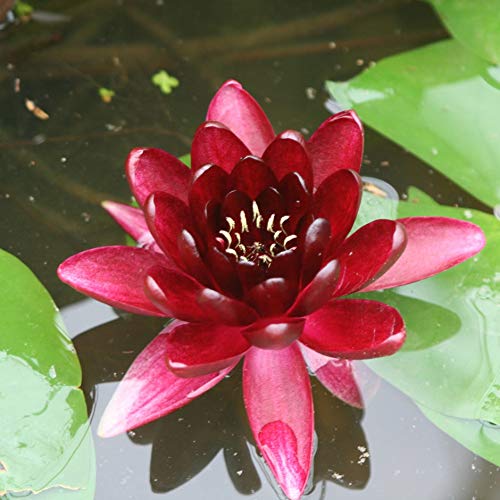
| Best Flowering Centerpiece | Intended Use: Water gardens/ponds (planted rhizome) | Growth Habit: Rhizome (potted, rooted perennial) | Light Preference: Full sun | VIEW LATEST PRICE | Read Our Analysis |
| Floating Plants for Water Gardens and Ponds (Water Poppy) |

| Best Easy Starter | Intended Use: Water gardens and ponds (floating) | Growth Habit: Floating with runners (spreads) | Light Preference: Not explicitly stated, but for outdoor ponds (prefers natural light/full sun) | VIEW LATEST PRICE | Read Our Analysis |
More Details on Our Top Picks
Water Lettuce – Easy Live Pond Floating Plant
Should you want a fast, low‑maintenance floating plant that gives your koi shelter and helps control nutrients, Water Lettuce is often the best choice — it forms dense rosettes with dangling roots that shade the pond, provide cover, and leach excess nutrients while thriving in calm, sunny water. You’ll like that it’s fish-safe and chemical-free, enhances oxygen, and gives koi supplemental forage in case you don’t mind nibbling. Keep it in calm areas away from strong currents or waterfalls, give full sun, and expect rapid growth. Overwinter indoors in cold zones or treat it as an annual for easy pond management.
- Intended Use:Ponds, water features, indoor/outdoor floating
- Growth Habit:Free‑floating rosette that forms dense clumps
- Light Preference:Full sun
- Water Function / Benefit:Shades water, nutrient uptake, provides shelter/oxygenation
- Fish / Wildlife Value:Provides shelter and supplemental food; koi may eat it
- Unit / Quantity Sold:1.0 count (single floating plant)
- Additional Feature:Dense surface clump former
- Additional Feature:Leaves remain dry
- Additional Feature:Fast growth in sun
3 Hornwort Bunch Plants for Ponds or Aquariums
Should you want a low-maintenance plant that oxygenates water and helps keep algae in check, hornwort bunches are a great pick for koi ponds or aquariums. You’ll get a three-stem bunch of natural green hornwort (Coontail) from Aqualeaf Aquatics, about 6–8 units in purchase size, tied at the base and ready to float or be loosely anchored. Stems can reach 24 inches; layered, hair-like leaves absorb nutrients through stems rather than roots. Give it full sun and at least eight hours of light daily. It clarifies water, tolerates sandy bottoms, and overwinters via bud tips on the pond floor.
- Intended Use:Ponds or aquariums (floating or loosely anchored)
- Growth Habit:Free‑floating stems (can be loosely anchored)
- Light Preference:Full sun (needs ~8 hours/day)
- Water Function / Benefit:Oxygenates, absorbs nutrients, helps limit algae
- Fish / Wildlife Value:Provides cover/oxygenation; suitable with fish (noted for ponds/aquariums)
- Unit / Quantity Sold:1 unit (one bunch with three stems)
- Additional Feature:Absorbs nutrients via stems
- Additional Feature:Seasonal tip overwintering buds
- Additional Feature:Can be loosely anchored
Live Duckweed (6000+) for Aquariums Ponds Aquaponics
Should you want fast, low‑maintenance surface cover that also improves water quality, Live Duckweed (6000+) is ideal for hobbyists keeping aquariums, ponds, or aquaponic systems. You’ll get 6000+ vibrant green, organically grown fronds that reproduce rapidly to form a floating carpet. Their hanging roots trap particles, shelter fry and shrimp, and provide natural biological filtration through absorbing excess nutrients and harmful substances. Duckweed doubles as high‑protein forage for koi, goldfish, turtles, and poultry. Use indoors or outdoors over sandy substrates, keep water quality monitored, and perform simple maintenance. Brand: Aquatic Discounts (UPC 826844025777, ASIN B0CH3WQT9V).
- Intended Use:Aquariums, ponds, aquaponics, water bowls
- Growth Habit:Free‑floating mat/carpet, rapid reproduction
- Light Preference:Indoor/outdoor (tolerant) — implies moderate to bright light
- Water Function / Benefit:Natural biological filtration, nutrient removal, water quality improvement
- Fish / Wildlife Value:Provides cover for fry and shrimp; serves as food for koi/goldfish/turtles/poultry
- Unit / Quantity Sold:6000+ pieces (bulk duckweed)
- Additional Feature:Sold as 6000+ pieces
- Additional Feature:Grown organically
- Additional Feature:High-protein natural feed
Live Water Lily Rhizomes – Pre-Grown Hardy (Red)
In case you want a low-maintenance, long-lasting focal point for your koi pond, these pre-grown hardy red water lily rhizomes from AquaLeaf Aquatics are a great choice. You get one natural, pre-rooted tuber (about 2 ounces) grown in a controlled nursery and guaranteed alive on arrival. Plant the tuber at a 45° angle with the crown toward the pot center, press soil around roots but don’t cover the crown, and set it in 6–12 inches of still, full-sun water. Fertilize regularly, cut back foliage in fall, and overwinter at the pond bottom for perennial blooms.
- Intended Use:Water gardens/ponds (planted rhizome)
- Growth Habit:Rhizome (potted, rooted perennial)
- Light Preference:Full sun
- Water Function / Benefit:Heavy feeder (aesthetic blooms) — contributes to pond plant diversity and habitat
- Fish / Wildlife Value:Provides habitat/visual interest; safe for ponds with wildlife (no direct food claim)
- Unit / Quantity Sold:1 pre‑grown rhizome (single tuber)
- Additional Feature:Pre-rooted tuber delivery
- Additional Feature:Plant at 45° angle
- Additional Feature:Guaranteed alive on arrival
Floating Plants for Water Gardens and Ponds (Water Poppy)
Provided that you want an easy-to-manage floating plant that actively helps keep pond water clear, the Water Poppy is a great choice. You’ll receive one potted plant in a 2″ pot that spreads via runners, bringing life to your water garden while acting as a natural biofilter. Place it directly in the pond and give it time to establish; trimmed or detached roots are fine—just set the plant in water and allow a couple weeks to re-root. Don’t order should temps drop below 20°F or exceed 100°F, and protect shipments in very hot or windy regions listed for shipping.
- Intended Use:Water gardens and ponds (floating)
- Growth Habit:Floating with runners (spreads)
- Light Preference:Not explicitly stated, but for outdoor ponds (prefers natural light/full sun)
- Water Function / Benefit:Natural biofilter, helps clear water
- Fish / Wildlife Value:Brings life to pond; provides habitat and planting surface
- Unit / Quantity Sold:1 potted plant (2″ pot)
- Additional Feature:Sold in 2″ pot
- Additional Feature:Reproduces by runners
- Additional Feature:Temperature-sensitive shipping guidance
Factors to Consider When Choosing Plants For Koi Ponds
While choosing plants for your koi pond, you’ll need to match species to water depth and the light or shade patterns around the pond. Consider how koi interact with plants, how fast each species grows, and how they affect nutrient levels and algae control. Balancing these factors will help you pick plants that thrive without creating maintenance problems.
Water Depth Preferences
Because different pond plants have distinct rooting and light needs, you should match plant types to specific depth zones so they can anchor, get light, and resist koi disturbance. Put shallow-floating plants like duckweed and water lettuce in 0–6 inches so roots access nutrients while leaves stay at the surface. Place marginal or bog plants such as irises and pickerelweed in 0–18 inches with crowns on shelves or at the edge to allow anchoring and seasonal dieback. Set true water lilies and hardy rhizomes where 6–24 inches of water covers the crown—dwarf lilies tolerate less, tropicals prefer deeper, warmer pockets. Locate submerged oxygenators so tips reach within the top foot; allow up to 24 inches of unobstructed stem. Plan zones for seasonal fluctuation and fry refuge.
Light And Shade
After mapping planting depths, you’ll want to take into account about how light and shade will affect both plants and koi. Aim for 40–60% surface shading with floating plants or shade structures to curb algae while letting submerged plants photosynthesize. Provide cover over the hottest hours to keep water below roughly 77–82°F (25–28°C); higher temperatures stress koi and lower dissolved oxygen. Balance light: full sun beds suit marginal and flowering species, shaded zones protect delicate submerged plants and fry from intense light and UV. Intense, prolonged sun increases algae, pH, and temperature, so account for longer summer daylight whenever siting plants. Position shade-tolerant species near edges and deeper zones; put sun-loving plants in shallow, well-lit sections.
Fish Compatibility Issues
Though koi add life and movement, they’ll also test most plantings—you’ll find they nibble tender floating species, root through marginal pots, and can shear softer foliage quickly. Because koi are omnivores, expect heavy grazing on duckweed, water lettuce, and soft-leaved plants; these might serve as sacrificial food but vanish fast. Choose larger, sturdier-rooted species—water lilies and hardy marginals—to reduce total loss, though foliage damage and substrate disturbance still occur. Anticipate digging: use heavy containers, anchored pots, planting baskets, or raised shelves to protect roots. Match plant choices to your stocking density and fish size; crowded or large koi need tougher species or physical barriers. Monitor water quality closely, since rapid plant loss can trigger nutrient and clarity swings.
Growth Rate Control
Controlling plant growth in a koi pond means balancing species choice, placement, and ongoing maintenance so fast growers don’t overwhelm light, oxygen, or your design. You should limit fast-growing floaters that can double coverage in days to weeks; they’ll quickly block light and reduce oxygen. Use containers or plant pots to isolate aggressive spreaders and keep frond-formers to small numbers. Adjust planting density and pick slower species if your pond has high light and nutrients. Perform mechanical thinning weekly to monthly based on growth, removing excess biomass to prevent overcrowding and nutrient buildup. Track seasonal surges—spring and summer—so you can prune proactively before peaks. With planned placement and routine removal, you’ll keep balance without constant emergency work.
Nutrient And Algae Balance
Often you’ll use plants as your initial line of defense against algae, because the right mix can steal nutrients algae need while keeping light and oxygen balanced for your koi. Use fast-growing floaters like duckweed or water lettuce to rapidly uptake nitrate and phosphate, and add submerged oxygenators such as hornwort to pull nutrients through stems and increase dissolved oxygen, which limits filamentous algae. Aim for roughly 40–60% surface cover and include marginal species to maintain light for submerged plants and fish. Don’t let surface plants overcrowd the pond — excessive cover strips too much light and can cause nighttime oxygen swings. Harvest prolific plants regularly; nutrient export only occurs whenever biomass is removed, otherwise decay returns nutrients and fuels blooms.
Winter Survival Needs
While planning pond plantings for winter, prioritize species and placement that match your climate and the plants’ cold tolerance so they survive until spring. Choose hardy water lilies, submerged oxygenators like hornwort, and many marginal perennials that tolerate brief freezing and remain viable at pond-bottom temperatures around 4–7°C (39–45°F). Adjust planting depth: move tender species to shallow containers you can haul indoors or place sensitive crowns and rhizomes below the freeze line (typically below about 18 inches in temperate zones). Let hardy perennials go dormant—cut back dead foliage but leave crowns and rhizomes undisturbed in cold water. Reduce pruning and fall fertilization so plants store energy. Remove decaying material to prevent oxygen depletion under ice. Overwinter tropicals indoors at 10–15°C (50–59°F).
Placement And Water Flow
After you’ve chosen hardy species and set them to survive winter, consider where each plant will sit in the pond and how water moves around it. Place floating plants like water lettuce or duckweed over calm bays to provide shade and soak up nutrients, keeping them away from strong currents, waterfalls, and skimmers that shred foliage. Anchor marginals and rooted species on littoral shelves 4–18 inches deep to create habitat gradients and protect crowns from deep-water cold and surface flow. Keep dense surface cover clear of aeration outlets and high-oxygen zones so gas exchange and diffusers work properly. Position sheltering plants with dangling roots near spawning and fry areas but outside main koi traffic routes. Leave inlets and pump flow paths open to prevent debris buildup and preserve circulation.