

You’ll want gentle, calorie-dense options that entice and hydrate while easing digestion. Try NutrientBoost Solid Gold toppers for protein and crunch, Oxbow Critical Care Carnivore for syringe-friendly calories, Choolip Vita Stick kidney-support lickables, Delectables Squeeze Up puree tubes for high-moisture, and Solid Gold chicken bone broth pouches for sipping and gut repair. Feed small, frequent meals, watch weight and stool, and coordinate with your vet so each choice matches your cat’s needs and tolerance — read on to learn more.
| NutrientBoost Solid Gold Cat Food Toppers (1 lb) |

| Digestive Support | Intended Use: Recovery/health support as a meal topper and treat (appetite, digestion, immune) | Target Species: Cats | Protein Source (animal-based): Lamb (high-quality animal protein, plasma) | VIEW LATEST PRICE | Read Our Analysis |
| Oxbow Critical Care Carnivore Recovery Formula (70g) |
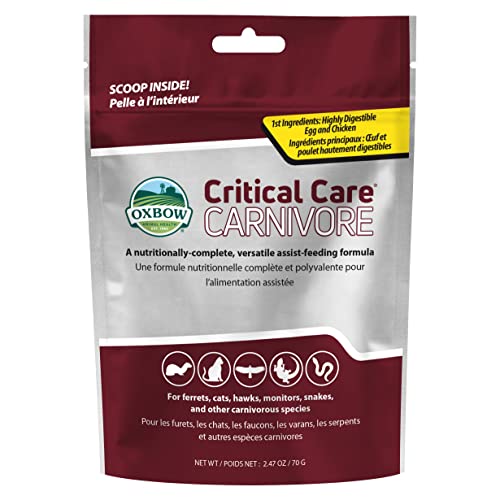
| Vet-Recommended Recovery | Intended Use: Recovery nutrition / assist-feeding for ill or weak carnivores | Target Species: Cats (also ferrets) | Protein Source (animal-based): Whole egg and dried chicken (animal proteins) | VIEW LATEST PRICE | Read Our Analysis |
| Choolip Vita Stick Kidney Support Lickable Pet Treats |

| Kidney Support | Intended Use: Kidney/urinary support and general recovery aid | Target Species: Cats and dogs | Protein Source (animal-based): Tuna and pollack puree (real fish proteins) | VIEW LATEST PRICE | Read Our Analysis |
| Delectables Squeeze Up Non-Seafood Cat Treats (20) |

| Hydration & Bonding | Intended Use: Appetite stimulation / hydrating lickable treat for recovery or picky eaters | Target Species: Cats | Protein Source (animal-based): Cage-free chicken, duck, real beef | VIEW LATEST PRICE | Read Our Analysis |
| Solid Gold Chicken Bone Broth Cat Food Topper (12ct) |
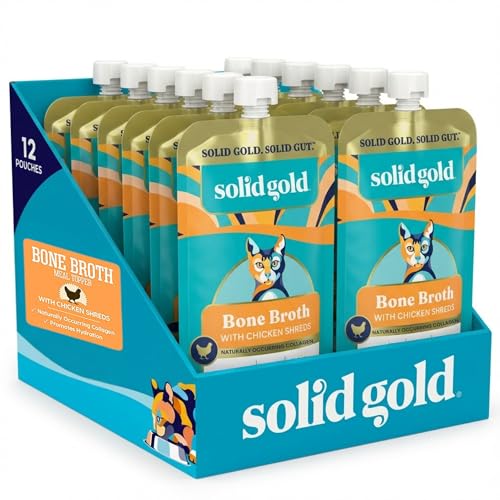
| Gentle Hydration | Intended Use: Recovery/hydration and gut support as a broth topper or sipable treat | Target Species: Cats | Protein Source (animal-based): Real chicken shreds and chicken broth | VIEW LATEST PRICE | Read Our Analysis |
More Details on Our Top Picks
NutrientBoost Solid Gold Cat Food Toppers (1 lb)
If your cat needs a gentle boost while recovering, Solid Gold NutrientBoost Lamb toppers are a smart choice you’ll reach for often because they combine appetite appeal with real nutrition. You’ll find a high-protein topper that doubles as a crunchy treat and mixes easily into wet or dry food. It’s grain-free and made for sensitive stomachs, using plasma and quality animal protein to support digestion, immune health, and lean muscle. You can give two tablespoons per cup of food, offer it alone as a snack, or sprinkle it to entice picky eaters and add variety to feeding routines.
- Intended Use:Recovery/health support as a meal topper and treat (appetite, digestion, immune)
- Target Species:Cats
- Protein Source (animal-based):Lamb (high-quality animal protein, plasma)
- Format / Feeding Form:Dry topper / crunchy treat (sprinkle or mix)
- Grain-free / Limited grains:Grain-free
- Use as Topper or Supplemental Feeding:Yes — used as meal topper or treat (supplemental)
- Additional Feature:Plasma-powered protein boost
- Additional Feature:Supports gut & immunity
- Additional Feature:High-protein crunchy topper
Oxbow Critical Care Carnivore Recovery Formula (70g)
Choose Oxbow Critical Care Carnivore when your cat needs a gentle, high-calorie boost after illness because it’s made from whole egg and dried chicken to deliver real animal protein in a small, easy-to-feed serving. You’ll find it’s a calorie-dense, easy-to-digest mix vets trust for weak or recovering cats and ferrets. You can prepare small portions quickly and feed by syringe or bowl, which helps when appetite is low. The 70 g bag stores neatly in your kit. It supports energy and lean mass without forcing large volumes, and it works well alongside other vet-recommended supplements.
- Intended Use:Recovery nutrition / assist-feeding for ill or weak carnivores
- Target Species:Cats (also ferrets)
- Protein Source (animal-based):Whole egg and dried chicken (animal proteins)
- Format / Feeding Form:Powdered assist-feed formula (reconstitute)
- Grain-free / Limited grains:Implied low-fillers / concentrated formula (veterinary recovery focus)
- Use as Topper or Supplemental Feeding:Yes — intended as an assist/recovery supplement (not sole diet)
- Additional Feature:Made with whole egg
- Additional Feature:Veterinarian-developed recovery diet
- Additional Feature:High-calorie calorie-dense formula
Choolip Vita Stick Kidney Support Lickable Pet Treats
Many cat owners find the Choolip Vita Stick Kidney Support Lickable Treats especially reassuring when their pet needs gentle kidney and urinary care, because the formula uses real tuna and pollack puree to give high-quality protein with low sodium for sensitive kidneys. You’ll notice pumpkin and blueberry for antioxidants and cranberry for urinary tract support. Coenzyme Q10 helps kidney cells and energy, while omega-3 supports overall health. It’s grain-free and free of carrageenan, gums, and preservatives, so you can use it long term. Squeeze it, serve over food, or freeze into a hydrating snack from the seven-count pack.
- Intended Use:Kidney/urinary support and general recovery aid
- Target Species:Cats and dogs
- Protein Source (animal-based):Tuna and pollack puree (real fish proteins)
- Format / Feeding Form:Lickable squeeze paste (tube)
- Grain-free / Limited grains:Grain-free
- Use as Topper or Supplemental Feeding:Yes — squeeze over food, direct treat, or supplemental
- Additional Feature:Coenzyme Q10 included
- Additional Feature:Real tuna & pollack puree
- Additional Feature:No preservatives or gums
Delectables Squeeze Up Non-Seafood Cat Treats (20)
You’ll appreciate Delectables Squeeze Up Non-Seafood because it’s a gentle, lickable treat that often helps cats eat and drink more when they’re recovering from illness or surgery. You’ll find 20 convenient tubes of creamy puree that you can squeeze by hand to coax a timid eater. The non-seafood recipes use cage-free chicken, duck, and real beef, and they’re grain-free without fillers or artificial colors. You can offer up to three tubes a day as a supplement alongside balanced food. The high moisture content supports hydration, bonding, training, and mild digestive comfort for all life stages.
- Intended Use:Appetite stimulation / hydrating lickable treat for recovery or picky eaters
- Target Species:Cats
- Protein Source (animal-based):Cage-free chicken, duck, real beef
- Format / Feeding Form:Lickable squeeze tubes (single-serve)
- Grain-free / Limited grains:Grain-free
- Use as Topper or Supplemental Feeding:Yes — lickable treat, topper, or supplemental snack
- Additional Feature:Cage-free chicken primary protein
- Additional Feature:High-moisture lickable tubes
- Additional Feature:Up to 3/day feeding guideline
Solid Gold Chicken Bone Broth Cat Food Topper (12ct)
If your cat needs extra hydration and gentle nutrition while recovering, Solid Gold Chicken Bone Broth Cat Food Topper (12ct) can be a comforting, easy-to-serve option that many cats find irresistible. You’ll pour the slow-simmered chicken broth over dry food or offer it alone for sipping. It contains real chicken shreds, collagen, and amino acids that help gut repair and hydration. The limited-ingredient formula skips BHA, BHT, artificial dyes, and carrageenan, so you’ll feel safer serving it. Single-serve pouches make feeding simple for seniors, kittens, picky eaters, and cats shifting foods. It’s made in USA.
- Intended Use:Recovery/hydration and gut support as a broth topper or sipable treat
- Target Species:Cats
- Protein Source (animal-based):Real chicken shreds and chicken broth
- Format / Feeding Form:Liquid broth pouches (single-serve pourable)
- Grain-free / Limited grains:Limited-ingredient (no carrageenan; grain-free style broth)
- Use as Topper or Supplemental Feeding:Yes — poured over food, sipped, or used as supplemental broth
- Additional Feature:Slow-simmered bone broth
- Additional Feature:Collagen-rich chicken shreds
- Additional Feature:Single-serve pourable pouches
Factors to Consider When Choosing Cat Food For Recovery
When your cat is recovering, you’ll want food that gives the right calorie density to rebuild strength without overloading the gut. Choose easily digestible proteins and formulas that encourage appetite while supporting hydration and key nutrients for tissue repair. I’ll walk you through how calorie needs, digestion, appetite stimulants, fluid content, and nutrient recovery all work together so you can pick the best option for your cat.
Calorie Density Needs
Think about calorie density as the secret tool that helps your recovering cat get enough energy even when appetite is low. You’ll want a diet that packs more calories per gram than regular food because illness raises needs while appetite drops. Choose formulas that deliver concentrated energy, often around 1.2 to 2.0 kcal per gram or higher, so small portions still matter. Feed small, frequent meals to prevent low blood sugar and muscle loss, and to reduce stomach upset. Track weight and calculate target calories, typically 20 to 40 kcal per pound, then use the product kcal per serving to meet that goal. Pick palatable, higher fat and protein choices when allowed, but check with your vet about tolerance and any restrictions first.
Easily Digestible Proteins
After dialing in calorie density to keep your cat fed when appetite is low, you’ll also want to focus on the type of protein in recovery diets because that determines how well your cat can heal and keep energy up. Choose high biological value proteins like egg, poultry, or lean fish since they give complete essential amino acids for tissue repair and immune support. Look for proteins low in connective tissue and fat and processed by cooking, hydrolyzing, or powdering to ease digestion. Aim for at least 30 to 40 percent of protein calories from highly digestible animal sources in therapeutic formulas. Consider hydrolyzed or single-source proteins to lower antigenicity and reduce vomiting or diarrhea. Watch body weight and serum albumin and adjust if gains stall.
Appetite Stimulation Options
Usually you’ll need to try several gentle tricks to coax a recovering cat to eat, and that’s okay — it’s part of caring for them. Warm food slightly to about body temperature so the scent opens their appetite, since cats depend on smell. Offer small amounts of highly aromatic, high-protein toppers or gravies mixed in lightly to entice without upsetting digestion. Give small, frequent ounce-sized meals rather than one big serving to reduce nausea and keep steady intake. Try varied textures like lickable broths, soft pâtés, moistened kibble, or a few crunchy bits to see what sparks interest and what they tolerate. Introduce new or tempting foods gradually over one to three days to protect their gut and preserve appetite.
Hydration And Fluids
Keeping your recovering cat well hydrated makes a big difference in how quickly they bounce back, so focus on offering fluids that are easy to take and that gently replace what they’ve lost. You’ll want to switch to high moisture foods like canned diets and broths, since they often contain 70 to 80 percent water compared with 6 to 10 percent in dry kibble. Offer small warmed portions more often to tempt a nauseous cat. If your cat won’t drink, talk to your veterinarian about syringe feeding or prescribed subcutaneous fluids. Watch for skin tenting, sunken eyes, or more than five percent weight loss and seek assessment. When vomiting or diarrhea occurs, your vet may recommend electrolyte balanced fluids to restore sodium, potassium, and chloride.
Nutrient Recovery Support
When your cat is healing, the food you choose should do more than just fill a bowl; it should pack concentrated calories, easy-to-use protein, and extra nutrients that speed repair and steady energy. You want calorie-dense formulas so a small portion meets higher energy needs when appetite is low. Choose high-quality animal protein and amino acids to protect muscle and support the immune system. Look for added B vitamins, vitamin A, vitamin E, zinc, and omega-3s to aid cell repair, reduce inflammation, and boost antioxidant defenses. Also pick formulas with prebiotics or probiotics to improve absorption when digestion is fragile. Finally, prioritize palatability and moisture because tasty, wet nutrition raises intake and helps hydration, making nutrient delivery more reliable during recovery.
Gentle On Digestive Tract
You’ve focused on nutrients that speed repair, and now you’ll want food that’s gentle on a sensitive gut so those nutrients actually get used. Choose highly digestible proteins and moderate fat to cut digestive workload and help absorption. Pick soluble fibers like beet pulp or psyllium plus prebiotics such as FOS and MOS to steady gut motility and feed good bacteria. Use low-residue, low-lactose recipes with easy carbs like rice, potato, or tapioca to minimize stool volume and upset. Offer moderate calorie density in small, frequent meals so you meet needs without overloading the intestine. Avoid abrupt ingredient changes, artificial additives, spicy items, and high-fat treats that can irritate the lining and provoke vomiting or diarrhea. Adjust slowly and watch your cat.
Vet-Recommended Formulas
Because recovery needs are special, vet-recommended formulas give you a reliable way to deliver concentrated energy and healing nutrients in small meals your cat can handle. These diets pack calories and protein into tiny portions, so you can help a weak or picky cat gain strength without overwhelming them. They use highly digestible animal proteins like egg, poultry, or fish and easy-to-absorb fats to protect lean tissue and speed repletion. Many include electrolytes, B vitamins, and glutamine to support cells, appetite, and gut lining. When assisted feeding is needed, you’ll appreciate smooth, homogeneous textures that reconstitute to safe viscosities for syringe use and lower aspiration risk. Your veterinarian will match a formula to the cat’s condition, calories, and organ tolerance while medical care continues.
Feeding Frequency Adjustments
You might have already picked a vet-recommended recovery formula, and now you’ll need to think about how often to feed it. During recovery, offer small, frequent meals, like four to six times a day, so your cat gets steady calories without upsetting their stomach. If your cat is weak or not eating, give very small amounts every two to four hours to spark appetite and prevent low blood sugar. When using high-calorie or nutrient-dense food, keep the same frequency but cut portion size so digestion stays comfortable. Watch weight and stool daily, and shift to more frequent, smaller feedings if vomiting or diarrhea appears. Also coordinate timing with medications or appetite stimulants to help treatments work better for your cat.