


You’ll keep your tropical fish healthier and more colorful in 2026 through using high-quality foods that match their habits and diets. Top picks include Hikari Tropical Food Sticks for carnivores, Big Kahuna 12mm and 18mm Algae Wafers for plecos and other bottom feeders, Hikari Sinking Wafers for corydoras and loaches, and Hikari Fancy Guppy pellets for livebearers. These options enhance growth, immunity, and water clarity—and you’re about to see why each one stands out.
| Hikari Tropical Food Sticks 250g |

| Best for Carnivores | Target Fish Type: Top-feeding carnivorous tropical fish | Primary Food Form: Floating sticks | Feeding Role: Staple daily diet for carnivores | VIEW LATEST PRICE | Read Our Analysis |
| Big Kahuna 12mm Algae Wafers for Bottom Feeders |

| High-Protein Bottom Feed | Target Fish Type: Bottom feeders (plecos, cory cats, loaches, snails, shrimp, catfish) | Primary Food Form: 12 mm sinking algae wafers | Feeding Role: Complete and balanced daily diet for bottom feeders | VIEW LATEST PRICE | Read Our Analysis |
| Hikari Tropical Sinking Wafers for Bottom Feeders |
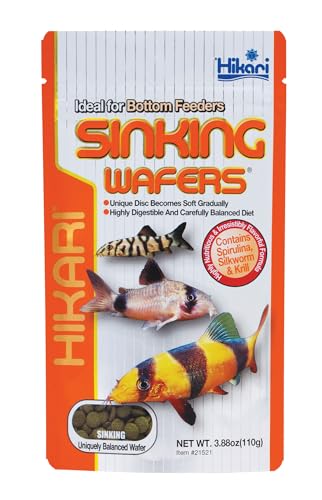
| Clean-Water Bottom Feed | Target Fish Type: Bottom feeders (corydoras catfish, loaches, other bottom dwellers) | Primary Food Form: Small sinking wafers/discs | Feeding Role: Primary diet tailored to bottom feeders’ needs | VIEW LATEST PRICE | Read Our Analysis |
| (3 Pack) Hikari Usa Tropical Fancy Guppy For Pet Health 0.77-Ounce Each |
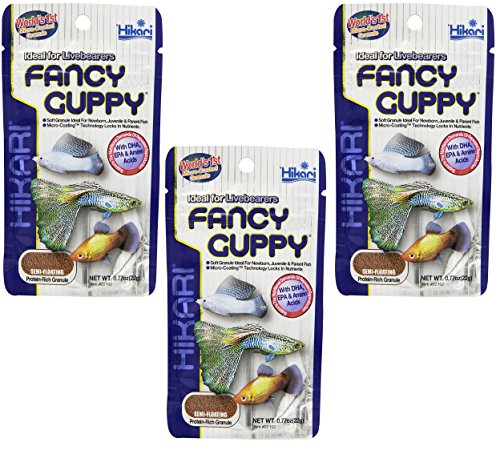
| Best for Livebearers | Target Fish Type: Small tropical livebearers (fancy guppies, mollies, platies, endlers, swordtails) | Primary Food Form: Slow-sinking micro pellets | Feeding Role: Daily food for all life stages (growth/breeding support) | VIEW LATEST PRICE | Read Our Analysis |
| Big Kahuna 18mm Algae Wafers for Bottom Feeders |

| Large Pleco Choice | Target Fish Type: Bottom feeders (plecos, snails, other bottom dwellers) | Primary Food Form: 18 mm sinking algae wafers | Feeding Role: Complete and balanced daily diet for bottom feeders | VIEW LATEST PRICE | Read Our Analysis |
More Details on Our Top Picks
Hikari Tropical Food Sticks 250g
In case you keep top-feeding carnivorous tropical fish, Hikari Tropical Food Sticks 250g is customized for their daily needs. You get a perfectly balanced daily diet that suits aggressive feeders like arowanas and large cichlids, without the risks that come with live foods.
These sticks contain higher levels of carotenoids, so you’ll notice your fish’s natural colors become more vivid and defined over time. Stabilized vitamin C helps support a stronger immune system, improving resilience to stress and disease. Since the food’s free of parasites and harmful bacteria, you protect your tank while giving your carnivores consistent, high-quality nutrition.
- Target Fish Type:Top-feeding carnivorous tropical fish
- Primary Food Form:Floating sticks
- Feeding Role:Staple daily diet for carnivores
- Key Nutritional Focus:High carotenoids and stabilized vitamin C for color and immunity
- Water Quality Considerations:Safer than live foods; no parasites/bacteria
- Package Size / Format:250 g package
- Additional Feature:Enhances brilliant coloration
- Additional Feature:Supports immune system health
- Additional Feature:Live-food alternative safety
Big Kahuna 12mm Algae Wafers for Bottom Feeders
Big Kahuna 12mm Algae Wafers for Bottom Feeders stand out in case you keep plecos, cory cats, loaches, snails, shrimp, or other bottom-dwellers and want a complete, algae-rich staple food. You’re getting a high‑protein formula that supports rapid growth, vivid color, and strong comprehensive health in adult fish. Spirulina and other algae match what many bottom feeders naturally graze on, so your fish stay active and well-conditioned.
You can choose from 8 oz up to 10 lbs, all in resealable packaging. Feed only what they’ll finish in 2–3 minutes, then remove leftovers to protect water quality.
- Target Fish Type:Bottom feeders (plecos, cory cats, loaches, snails, shrimp, catfish)
- Primary Food Form:12 mm sinking algae wafers
- Feeding Role:Complete and balanced daily diet for bottom feeders
- Key Nutritional Focus:High protein with vitamins and spirulina/algae for growth and color
- Water Quality Considerations:Feed 2–3 minutes and remove leftovers to protect water quality
- Package Size / Format:8 oz pack (also 2, 5, 10 lbs; resealable)
- Additional Feature:Medium 12mm wafers
- Additional Feature:Resealable freshness packaging
- Additional Feature:Customer-rated 4.4 stars
Hikari Tropical Sinking Wafers for Bottom Feeders
Hikari Tropical Sinking Wafers for Bottom Feeders are an excellent choice in case you keep corydoras, loaches, or other bottom-dwelling tropical fish that need food delivered right to the substrate. You get a diet customized to bottom feeders, rich in vegetable matter, spirulina, silkworm, and krill for balanced protein and fiber.
These wafers soften slowly, so smaller fish can rasp at them, while larger catfish easily swallow them whole. Their disc shape and compact size suit mixed-species aquariums. Thanks to high digestibility, they won’t cloud your water as easily, helping you maintain cleaner tanks. The 3.88 oz pack works well for most home setups.
- Target Fish Type:Bottom feeders (corydoras catfish, loaches, other bottom dwellers)
- Primary Food Form:Small sinking wafers/discs
- Feeding Role:Primary diet tailored to bottom feeders’ needs
- Key Nutritional Focus:Vegetable-rich formula with spirulina, silkworm, krill, and added vitamins
- Water Quality Considerations:Highly digestible to reduce water clouding
- Package Size / Format:3.88 oz package
- Additional Feature:Gradual softening wafers
- Additional Feature:Extreme digestibility formula
- Additional Feature:Vegetable-rich ingredient blend
(3 Pack) Hikari Usa Tropical Fancy Guppy For Pet Health 0.77-Ounce Each
Perfect for keepers of small livebearers, the 3-pack Hikari USA Tropical Fancy Guppy Food delivers slow-sinking micro pellets that suit guppies, endlers, mollies, platies, and swordtails at every life stage. Each 0.77-ounce pack provides momentary float, then a gentle sink that lets timid top dwellers and mid-water feeders eat comfortably.
You can feed small portions multiple times daily to enhance growth, color, and breeding activity while supporting strong disease resistance. With a 4.7-star rating from over a thousand reviews, this compact, room-temperature-stable trio fits easily in your cabinet and keeps your livebearer community thriving.
- Target Fish Type:Small tropical livebearers (fancy guppies, mollies, platies, endlers, swordtails)
- Primary Food Form:Slow-sinking micro pellets
- Feeding Role:Daily food for all life stages (growth/breeding support)
- Key Nutritional Focus:Formula to improve breeding, growth, health, and disease resistance
- Water Quality Considerations:No explicit clouding claim; pellet form helps controlled feeding
- Package Size / Format:Three packs, 0.77 oz (22.68 g) each
- Additional Feature:Slow-sinking micro pellets
- Additional Feature:Improves breeding performance
- Additional Feature:Enhances disease resistance
Big Kahuna 18mm Algae Wafers for Bottom Feeders
In case you keep plecos, snails, or other bottom dwellers that graze nonstop, Big Kahuna’s 18mm Algae Wafers give them a dense, nutritionally complete food they can steadily work on. You’re getting a high-protein formula customized to bottom feeders, so growth, energy, and lively coloration don’t fall behind tankmates. The wafers hold together well, letting fish rasp naturally without clouding the water.
You can choose 8 oz, 2 lbs, 5 lbs, or 10 lbs bags, all in resealable packaging that keeps the wafers fresh. That makes these wafers practical whether you run one display tank or multiple pleco grow-outs.
- Target Fish Type:Bottom feeders (plecos, snails, other bottom dwellers)
- Primary Food Form:18 mm sinking algae wafers
- Feeding Role:Complete and balanced daily diet for bottom feeders
- Key Nutritional Focus:High protein with vitamins for growth, vibrant color, and vitality
- Water Quality Considerations:No explicit clouding claim; balanced wafers help reduce excess waste
- Package Size / Format:8 oz, 2 lbs, 5 lbs, 10 lbs; all resealable
- Additional Feature:Large 18mm wafers
- Additional Feature:High-end pleco nutrition
- Additional Feature:Multiple bulk sizes
Factors to Consider When Choosing Fish Foods for Tropical Fish
Whenever you select food for your tropical fish, you need to match their species-specific dietary needs and guarantee a proper balance of protein and essential nutrients. You’ll also want to consider whether floating or sinking foods suit their feeding habits, and pay close attention to ingredient quality and sourcing. Finally, pick pellet sizes and textures that your fish can easily eat without choking or creating excess waste.
Species-Specific Dietary Needs
How do you match fish food to the actual species you keep rather than relying on a generic “tropical” label? Start by looking at mouth position, body shape, and natural behavior. Carnivores need protein‑rich options, often with ingredients like silkworm, krill, and stabilized vitamin C sticks that promote immunity and coloration.
Bottom‑feeders such as corydoras and plecos do best with sinking wafers high in vegetable matter, spirulina, and algae so they can graze naturally and digest efficiently. Small species like guppies and mollies prefer micro or slow‑sinking pellets they can pick at near the surface.
Always match pellet size, hardness, and shape to your fish’s physical abilities to guarantee they can bite, chew, and swallow cleanly, reducing leftovers and water pollution.
Protein And Nutrient Balance
Matching food to the species you keep only works provided the protein and nutrients inside that food actually fit their needs. Carnivores need high, quality protein for rapid growth and tissue repair, while herbivores and omnivores do better on moderate protein paired with more plant matter.
Aim for foods that list digestible marine or plant proteins foremost, not cheap fillers that bloat fish and foul water. Excess protein turns into waste, driving ammonia and nitrate upward, so match percentages to the species’ natural diet. Look for formulas with stabilized vitamin C, essential minerals, and carotenoids to enhance immunity and color. For bottom dwellers, prioritize spirulina- and algae-rich blends with adequate protein, supporting steady growth, strong digestion, and long-term health.
Floating Vs. Sinking Foods
Ever notice some foods stay on the surface while others sink straight to the bottom? That’s not random; it’s a key part of matching food to your tropical fish. Floating foods suit top-feeding species and shy fish that prefer grabbing food near the surface. They also let you watch behavior and health while your fish eat.
Sinking foods slowly drop through the water column and settle on the substrate, perfect for bottom feeders that graze or scavenge. Many come as wafers or pellets that soften in water, making them easy for smaller or delicate bottom-dwellers to nibble.
When you choose between floating and sinking foods, base it on each species’ natural feeding zone and habits so every fish can eat with minimal competition.
Ingredient Quality And Sources
During the period you’re choosing food for your tropical fish, the ingredient list matters just as much as the brand name on the label. Look for nutrient-dense components like spirulina, marine algae, krill, and silkworm meal; these deliver concentrated protein, essential fatty acids, and trace minerals that support growth and energy.
Prioritize foods produced from clean, controlled sources rather than questionable live foods that might harbor parasites or harmful bacteria. This reduces disease risk and keeps the aquarium more stable.
Seek formulas rich in natural carotenoids (from ingredients like krill and certain algae) to improve and maintain vivid coloration. Check for vitamin fortification, especially stabilized vitamin C, to strengthen immune function. Finally, match ingredient profiles to each species’ diet—carnivore, omnivore, or bottom feeder—for best digestion and health.
Pellet Size And Texture
How closely you match pellet size and texture to your tropical fish’s mouths and feeding style directly affects how well they eat and how clean your tank stays. Choose pellet sizes that fit comfortably into their mouths so they can swallow food in one or two bites. Oversized pellets cause choking risks and uneaten fragments; pellets that are too small get ignored or wasted.
Use smaller pellets or mini wafers for nano species or shy fish so they can eat without competing for big pieces. Match texture to feeding zone: floating pellets for top feeders, slow‑sinking or sinking wafers for mid‑level and bottom dwellers. Softer, highly digestible pellets that gradually soften in water work best for small fish or species with weaker jaws.
Impact On Water Quality
At the moment you choose food for your tropical fish, you’re also deciding how clean and stable your water will stay. Highly digestible foods produce less waste, so fewer particles decompose and cloud the tank. That means clearer water and more stable parameters between water changes.
Choose formulas with balanced nutrients and minimal fillers; they generate less residue and organic buildup, helping you keep ammonia, nitrite, and nitrate under control. Slow-sinking or floating pellets also matter, because you can watch what gets eaten and prevent excess food from sinking into the substrate and rotting.
Always remove uneaten food quickly. And any time possible, use parasite- and bacteria-free products to avoid introducing pathogens that can compromise both water quality and fish health.
Feeding Frequency And Portions
During the period you select a food for your tropical fish, you’re also choosing how often and how much you’ll need to feed. Aim to offer only what your fish can eat within 2–3 minutes. This limit helps prevent overfeeding, protects water quality, and reduces stress.
Feed small portions two to three times a day instead of one heavy meal. Frequent, modest feedings support better digestion and nutrient absorption. Adjust the schedule to your fish: active species and growing fry usually need more frequent meals than slow, adult community fish.
Watch behavior closely during feeding. In case some fish miss out or food sinks uneaten, tweak the amount. Always remove leftovers promptly to avoid contamination and disease.