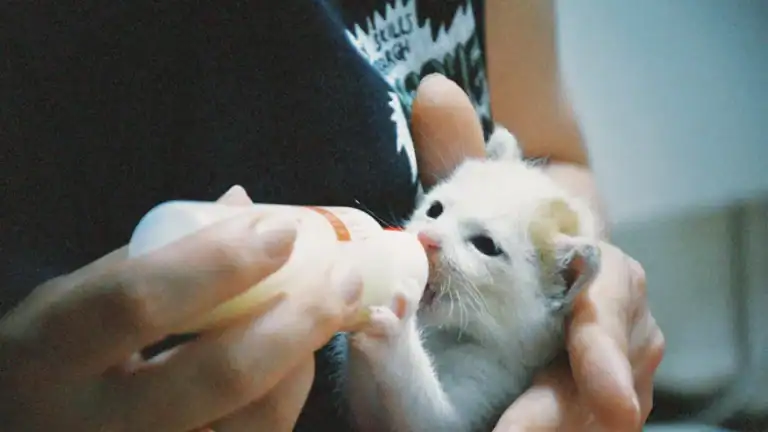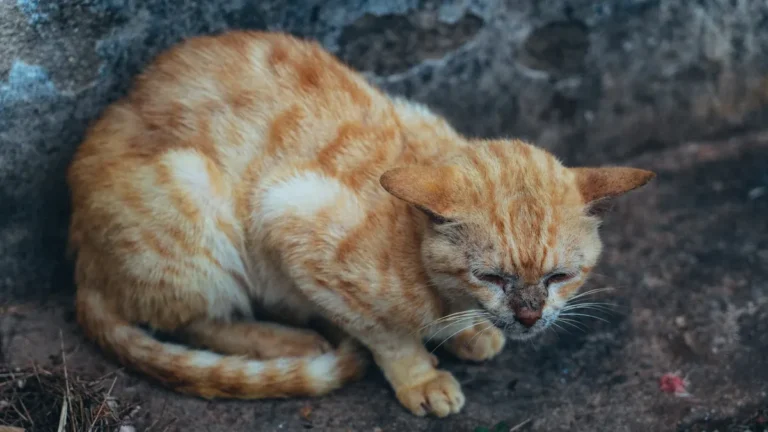


Albino cats lack melanin from birth, so they have pink skin, very pale eyes, and extreme light sensitivity. White cats have pigment genes that are usually hidden beneath white fur and often show normal eye color or heterochromia. Genetics differ: true albinism is recessive, while dominant white or white spotting can mask other colors. Albino cats face higher risk of sunburn and vision issues, whereas white cats can still carry a deafness risk; genetic testing and protective care help owners manage both.
Genetic Causes and Inheritance Patterns
Many people find the genetics behind albino and white cats both fascinating and a little worrying, so it helps to explain it simply and kindly.
The albino condition comes from a TYR mutation that stops melanin production. It follows an inheritance pattern that is autosomal recessive, so both parents must pass the allele for a kitten to be albino.
In contrast, white coats often result from a dominant W gene or strong white spotting that masks color without removing pigment. That means a white cat can carry and pass color genes even though it looks white.
Readers who care can feel included through understanding testing exists. That testing clarifies breeding choices and helps keep cats healthy and connected to loving homes.
Coat, Skin, and Eye Appearance
When comparing coat and skin, the albino cat shows true lack of pigment with a white coat, pink skin, and delicate nose and paw pads, while the white cat often has pale skin and concealed pigments that can surface in the nose or pads.
In the eyes, albino cats might have very pale blue to pinkish tones because light reflects off blood vessels, whereas white cats usually have normal melanin-driven colors like green, gold, deep blue, or even one blue and one another color.
These visible differences help a caregiver understand sunlight sensitivity and guide gentle precautions for each cat.
Coat and Skin Color
Because coat color often hides deeper genetic differences, a cat with a white coat can still be very different beneath the fur.
One cat might lack melanin distribution entirely because of a TYR mutation, so skin and base fur show pink tones from blood vessels.
Another cat could appear white due to dominant W genes that mask pigment but leave some substrate staining on nose leather or paw pads.
Readers who love cats will feel relief understanding these signs are gentle clues.
Skin that looks truly pink needs careful sun protection and vet checks.
Pale but not pink skin suggests preserved pigment and lower sun risk.
Both cats benefit from attentive care, shaded spaces, and kind handling that honors their fragile features.
Eye Color Differences
How can the color of a cat’s eyes tell a deeper story about its genetics and care needs? A true albino shows very pale blue to pinkish eyes because absent iris pigmentation lets blood vessels show. This affects pupil dilation and makes bright light painful, so the cat might squint and avoid sun.
A white cat often has full iris pigmentation, so eye colors range from deep blue to green or gold and pupil dilation works normally. Sometimes a white cat has heterochromia, and that side could link to hearing risk.
Readers who care will feel included whenever learning that eye color guides practical steps. Gentle indoor adjustments and vet checks help both kinds see and thrive.
Light Sensitivity and Vision Differences
In bright light, albino cats often react more strongly than white cats, and caretakers can see this in simple, honest ways. Albino cats show altered retinal development that shapes visual behavior from kittenhood, so they might squint, blink, or avoid bright rooms. White cats usually handle light more normally whenever no other eye issues exist.
Both types rely on shared care routines, and that common ground helps owners feel connected. Albino cats could have reduced depth perception and more glare sensitivity, so move furniture slowly and guide them during play. Gentle indoor lighting, shaded windows, and calm handling support comfort and trust. Regular vet eye checks help spot changes in vision and keep each cat safe and engaged.
Risk of Sunburn and Skin Cancer
Showing clear vulnerability in sunlight, an albino cat needs special care because its skin and eyes lack the pigment that normally shields against ultraviolet damage.
An albino cat often burns quickly and can develop skin cancer, so caretakers feel protective and responsible.
A white cat can also burn, but usually less often.
Many owners find comfort in shared routines that reduce risk, like limiting midday sun and checking skin regularly.
- Use UV protective clothing for outdoor time and provide shaded areas.
- Apply veterinarian approved Sunscreen formulations to thinly furred spots as necessary.
- Schedule frequent skin checks and prompt vet visits for any sores.
These steps build a caring community of guardians who watch together.
Deafness and Hearing Associations
Understand that hearing differences can touch a family deeply, so it helps to learn what links coat color and ear health in cats.
White cats with the dominant W gene often show higher rates of unilateral or bilateral deafness because pigment cell loss affects the inner ear.
This can matter most whenever a blue eye sits above the deaf side.
In contrast true albino cats do not have the same strong deafness link, though data are limited.
Owners can seek testing such as otoacoustic emissions to check hearing early on.
Positive veterinary support and gentle behavioral conditioning help both cat and family adapt.
Neural plasticity could assist some cats in coping over time.
Small steps, patience, and community comfort make care feel shared.
Immune Function and Overall Health Risks
Albino cats might have weaker immune responses because the same lack of melanin that affects skin and eyes can also influence immune function, so owners should be watchful for more frequent or severe infections.
White cats usually retain normal melanin-driven immune protection, but they can still face infection risks from environment stressors or inherited conditions, so regular checks remain significant.
Both types benefit from long-term health monitoring with a veterinarian to catch infections sooner and manage any chronic issues with care and empathy.
Immune System Impact
Needing extra care, true albino cats often face subtle but significant immune challenges that can affect daily health and long-term welfare. They might show altered vaccine responsiveness and a slightly higher tendency toward autoimmune disorders, so caregivers who belong to a supportive community feel reassured whenever they learn what to watch for. Simple monitoring and steady vet relationships help.
- Regular wellness checks to track vaccine response and detect initial signs of immune imbalance.
- Close skin and eye care because damage can stress the immune system and worsen results.
- Thoughtful breeding and genetic testing to reduce inherited immune risks and keep families connected.
Transitional care brings immune and dermatologic concerns together, helping owners act with calm confidence.
Infection Susceptibility Risks
Many owners notice that cats with very little pigment can face extra infection risks, and those concerns deserve calm attention and clear steps.
In homes where people care deeply, it helps to recognize that reduced melanin can weaken some immune responses. This change can increase infection susceptibility whenever pathogens enter skin or eyes.
Gentle handling, clean bedding, and timely vet checks lower pathogen exposure. Owners can watch for slow-healing sores, repeated ear or eye infections, and unusual lethargy.
Should any sign appear, calling a veterinarian quickly keeps the cat safer. Simple measures like hygiene, avoiding crowded places, and keeping vaccinations current build community care. These steps protect the individual cat and reassure everyone who loves and lives with it.
Long-Term Health Monitoring
Regularly checking health gives owners steady confidence while caring for cats that lack normal pigment. Long-term monitoring treats immune function and skin risk as linked needs. Gentle exams remind owners they belong to a caring circle and help spot changes shortly. Routine veterinary visits include longitudinal dermatologic screening and simple bloodwork. At home, families use behavioral vision tracking to observe squinting, bumping, or light avoidance. Together these steps form consistent care.
- Schedule twice yearly vet checks with skin and eye focus.
- Keep a log of sun exposure, wounds, and infection signs.
- Use a weekly checklist for appetite, energy, coat condition, and vision observations.
This approach lowers anxiety, builds teamwork, and protects vulnerable cats.
Care, Management, and Breeding Considerations
At the time caring for an albino cat or a white cat, owners should start with gentle adjustments that protect skin, eyes, and general health while keeping daily life calm and comforting.
Care plans pair genetic counseling for breeders with environmental enrichments at home so cats feel safe and stimulated.
Owners should limit sun exposure, use vet-approved skin protection, and provide shaded outdoor time with supervision. Eye checks and frequent vet visits help catch issues promptly.
Breeding choices should avoid concentrating rare alleles and prioritize temperament and health.
Housing, play, and diet support immune resilience and reduce stress. Hearing tests fit white cat management, and clear communication with vets and fellow caretakers builds a trusting support network.