
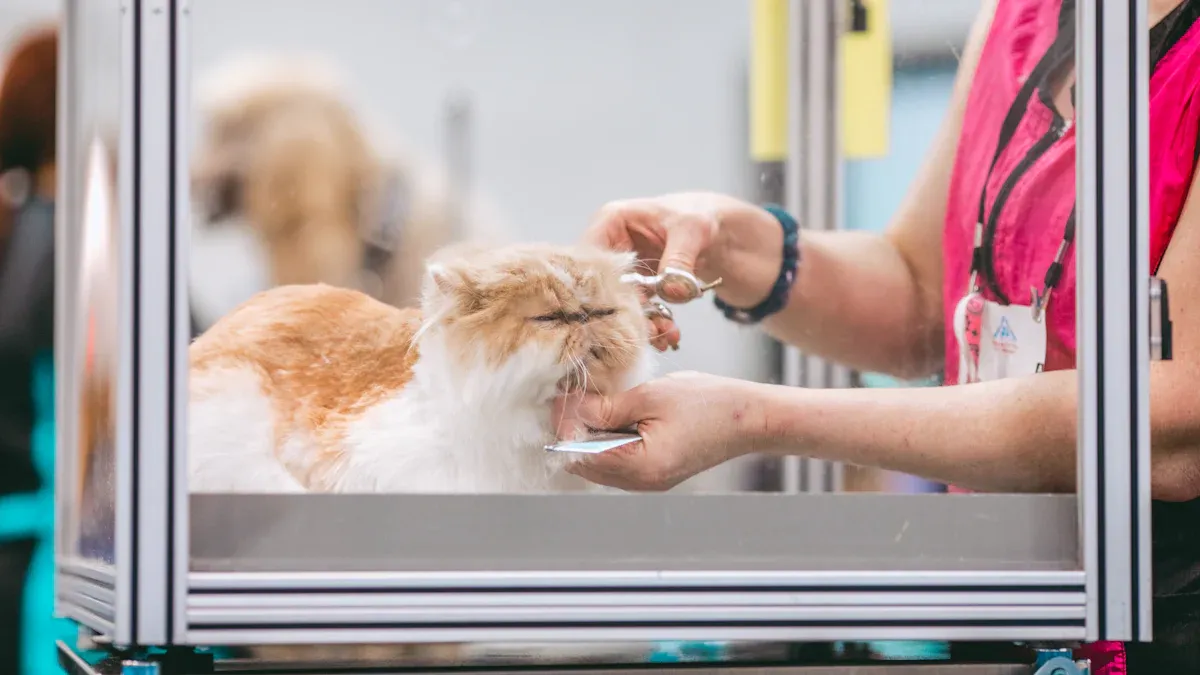
Thinking about a Lion Cut for Cats? Your cat’s coat, health, and daily habits matter a lot. For example:
A dull coat or heavy shedding may make grooming tough.
Arthritis or obesity can keep your cat from cleaning itself.
Always ask a pro for advice. Safe grooming starts with expert care.
Key Takeaways
A Lion Cut can help reduce matting and shedding, making grooming easier for both you and your cat.
Regular trims every 8 to 12 weeks keep your cat comfortable, especially in warm weather, and can lead to a happier, more playful pet.
Always consult a professional groomer or vet before deciding on a Lion Cut to ensure it suits your cat’s health and temperament.
Lion Cut for Cats Overview
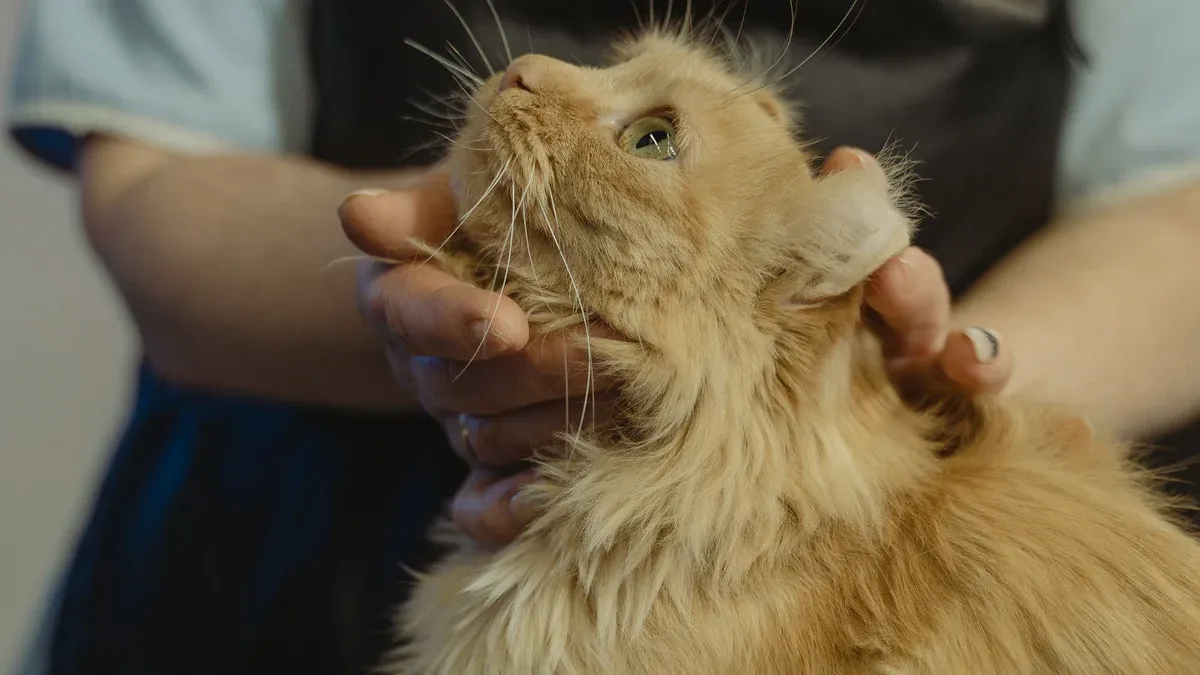
What Is a Lion Cut?
If you have ever seen a cat that looks like a tiny lion, you have probably seen a lion cut. This style is one of the most popular choices for cats with long or thick fur. Here is what makes the lion cut stand out:
The groomer shaves the body, belly, and chest very close to the skin.
Long hair stays on the legs and around the head, giving your cat a “mane.”
The tail usually has a fluffy “pom” at the end.
The front legs have trimmed “boots” up to the elbow, and the back legs up to the hock bone.
Some groomers offer fun variations, like fuller manes, mohawks, or even a “bolero” jacket look.
You might choose a Lion Cut for Cats if your pet sheds a lot or gets matted fur easily. This style helps keep your cat cool and comfortable, especially in warm weather.
How Is It Done?
A professional groomer should always do a Lion Cut for Cats. The process uses electric clippers to shave the fur close to the skin, but leaves the mane, boots, and tail pom intact. Groomers know how to keep your cat calm and safe during the trim. They also check for any skin problems or mats before starting. Most cats need a lion cut every 8 to 12 weeks to keep their coat in good shape. If your cat has never had a lion cut before, talk to your vet or a trusted groomer first.
Benefits of Lion Cut for Cats
A Lion Cut for Cats can do more than just change your cat’s look. You might notice your cat moves easier, feels cleaner, and even acts happier. Let’s break down the main benefits you can expect.
Prevents Matting
Long-haired cats often get mats in their fur. Mats can pull on your cat’s skin and cause pain. They can also hide dirt or even bugs. When you choose a Lion Cut for Cats, you remove most of the long fur that causes these problems. Your cat’s coat stays smooth and easy to care for. You will spend less time brushing out tangles, and your cat will feel more comfortable every day.
Tip: Most cats with long hair benefit from a lion cut every 8 to 12 weeks. This keeps mats from forming and helps your cat stay clean.
Reduces Hairballs
Does your cat cough up hairballs? You are not alone. Long-haired cats swallow more fur when they groom themselves. This extra fur can build up in their stomach and cause hairballs. Research shows that daily brushing helps, but sometimes it is not enough. A lion cut trims the fur down to a length that is easier for your cat’s body to handle. You may notice fewer hairballs and less mess around your home.
Comfort in Warm Weather
Cats with thick coats can get hot in the summer. A lion cut helps your cat stay cool and comfortable. Many groomers say cats act more playful and lively after a trim, especially if they had mats before. Denise Barbarich, a cat groomer, says cats often feel like kittens again after a lion cut. You might see your cat running, jumping, or just relaxing more. The lion cut also keeps your cat cleaner, since there is less fur to trap dirt.
The lion cut helps cool cats in hot weather.
Many cats feel better and act more energetic after grooming.
This style can be both practical and cute.
A Lion Cut for Cats can make life easier for both you and your pet. You get less shedding, fewer hairballs, and a happier cat. Regular trims every 8 to 12 weeks keep your cat looking and feeling their best.
Risks and Downsides
Stress and Anxiety
You might notice your cat acting differently after a big haircut. Some cats feel stressed or anxious when they lose most of their fur. They may hide, hiss, or even act more aggressive than usual. The sudden change in how they look and feel can be confusing. Cats use their fur for comfort and security. When you take that away, they might feel exposed or scared. If your cat already gets nervous during grooming, a lion cut could make things worse.
If your cat seems upset after a trim, give them extra love and patience. Sometimes, it takes a few days for them to adjust.
Skin Issues
A lion cut leaves your cat’s skin much more exposed than usual. This can lead to several problems, especially if your cat spends time outside. Without their thick coat, cats can get sunburned easily. White cats and those with light-colored fur are at even greater risk. Sunburn can cause pain, redness, and even peeling. Your cat’s skin might also become dry or irritated from rubbing against furniture or carpets. In some cases, cats scratch or lick their skin too much, which can lead to sores.
Outdoor cats face a higher risk of sunburn after a lion cut.
Cats with sensitive skin may develop irritation or rashes.
Short fur means less protection from cold, heat, and rough surfaces.
Tip: Keep your cat indoors after a lion cut, especially during sunny days. This helps protect their skin from harm.
Not for Every Cat
Not every cat is a good fit for this style. Some cats just do not like the feeling of having their fur trimmed so short. They may become stressed or uncomfortable. Cats who go outside need their fur for protection from the weather. Without it, they can get too hot or too cold. If your cat has health problems or very thin skin, a lion cut could cause more harm than good.
Outdoor cats need their fur for sun and weather protection.
Some cats dislike the sensation of short fur and may act out.
Cats with certain health issues or delicate skin should avoid this cut.
If your cat has severe mats, a professional groomer may need to take special care. Mats close to the skin can pull and hurt, so removing them safely is important. Never try to cut out mats at home, as you could accidentally injure your cat.
Always talk to your vet or a professional groomer before deciding on a lion cut. They can help you figure out what is best for your cat’s health and happiness.
Best Candidates
Long-Haired Breeds
If you have a cat with long, thick fur, you know how much work it takes to keep their coat smooth. Breeds like Persians, Maine Coons, and Ragdolls often struggle with tangles and mats. Their fur can get dirty fast and may even hide bugs or debris. You might notice your cat spending a lot of time grooming, but still ending up with knots. A lion cut can make life easier for both you and your cat. With shorter fur, your cat feels lighter and cleaner. You also spend less time brushing and more time playing together.
Tip: Long-haired cats often feel more comfortable and playful after a trim.
Cats with Grooming Challenges
Some cats have trouble keeping themselves clean. Obesity, arthritis, or old age can make it hard for them to reach certain spots. If your cat struggles to groom, you may see mats or dirty patches on their body. A lion cut helps by removing most of the fur that causes problems. You can keep your cat’s skin healthy and avoid painful mats.
Here are some reasons why a lion cut works well for cats with grooming challenges:
Obese cats have limited mobility and can’t reach every area.
Grooming sessions may take longer or need to happen more often.
You must position obese cats carefully during grooming to avoid health risks.
A short coat is easier to manage and keeps your cat comfortable.
If your cat has trouble grooming, talk to your vet or a professional groomer. They can help you decide if a lion cut is the right choice.
Not Suitable for All Cats
Health or Skin Problems
Some cats have health or skin issues that make shaving risky. If your cat has sensitive skin, allergies, or any kind of irritation, a close shave can make things worse. You might notice redness, bumps, or even sores after grooming. Cats with food allergies, like many Persians, often get itchy or irritated skin. If your cat licks itself a lot after grooming, it can cause red or bloody spots.
Here’s a quick look at common health and skin problems that can make a lion cut a bad idea:
Health/Skin Issue | Description |
|---|---|
Discomfort or skin irritation | An unkempt coat can lead to discomfort or irritation for the cat. |
Difficulty grooming | Cats with obesity or arthritis may struggle to groom themselves properly. |
Potential for skin problems post-grooming | Shaving can lead to skin issues if not done carefully, especially in sensitive areas. |
If your cat has any of these problems, talk to your vet before booking a grooming appointment.
You should also watch for signs of skin trouble after a haircut. If your cat starts licking or scratching more than usual, check for redness or swelling. Sometimes, even a gentle trim can cause problems for cats with sensitive skin.
Nervous Temperament
Some cats just do not like change. If your cat gets scared easily or hates being handled, a lion cut might not be the best choice. The sudden loss of fur can make your cat feel exposed or insecure. You might see your cat hiding, acting jumpy, or avoiding you after a haircut.
Cats may feel disoriented or insecure after a big trim.
The new look and feel can make them act differently.
You should watch your cat closely and offer extra comfort during this time.
Every cat is unique. If your cat seems nervous or stressed, skip the lion cut and try gentle brushing instead.
Professional Grooming Advice
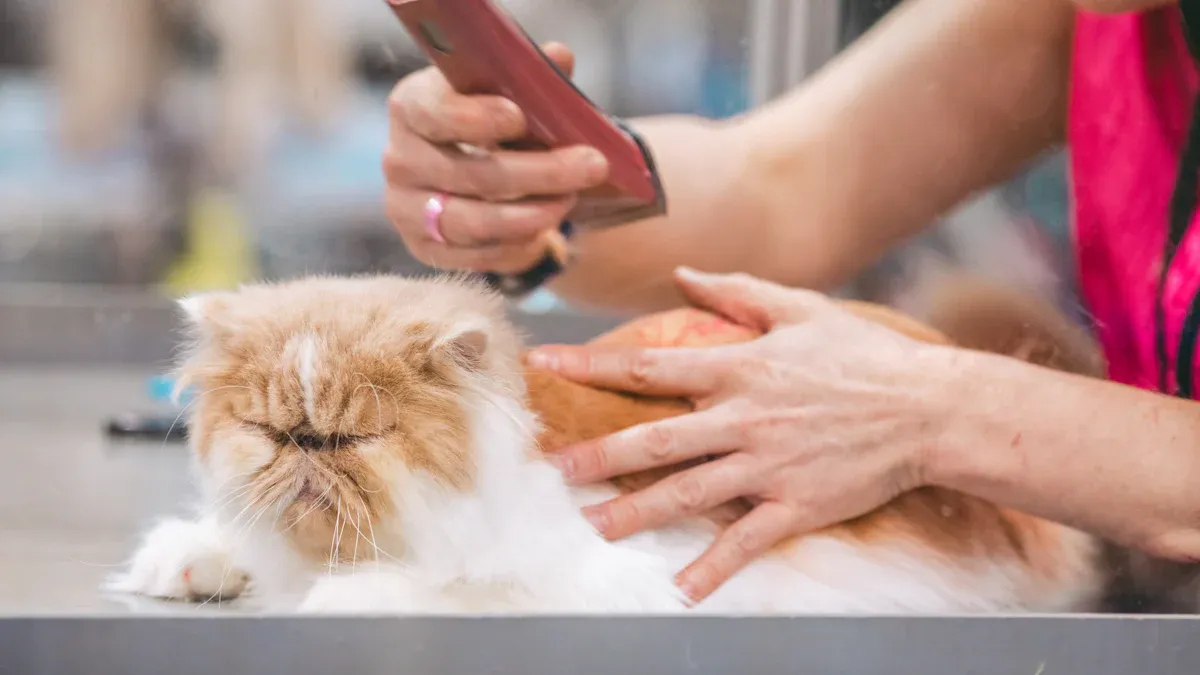
When to Seek Help
Sometimes, you just can’t keep up with your cat’s grooming needs. Maybe your schedule is packed, or your cat’s fur mats faster than you can brush. Here are some signs that tell you it’s time to call a professional:
You don’t have enough time for regular brushing.
Your cat keeps coughing up hairballs from swallowing too much fur.
Mats have gotten so bad that only shaving can help.
A professional groomer knows how to handle tough mats and can make your cat feel comfortable again. Groomers also check your cat’s age and health before starting. They look at your cat’s grooming needs and avoid sensitive spots. For older cats, they pay extra attention to body temperature since seniors can get cold easily.
If you notice any of these signs, don’t wait. Your cat will thank you for getting expert help.
Choosing a Groomer
Picking the right groomer makes a big difference. You want someone who knows cats and has the right training. Look for these things when choosing a groomer:
Certification from groups like the National Cat Groomers Institute of America.
Special training in cat grooming, especially for styles like the lion cut.
Experience with cats—ask how long they’ve been grooming and how often they do lion cuts.
A good groomer will answer your questions and make you and your cat feel at ease. You can always ask for a tour of the grooming area or read reviews from other cat owners.
A skilled groomer keeps your cat safe, happy, and looking their best.
When you think about a Lion Cut for Cats, keep these things in mind:
Long or thick coats often need extra help, especially in hot weather.
Experts say you should check your cat’s health and comfort first.
Watch for any pain or odd behavior after grooming and keep up with regular trims.
If you feel unsure, ask your vet or a trusted groomer. You know your cat best, so choose what keeps them happy and healthy.
FAQ
Can you give your cat a lion cut at home?
You should not try this at home. Professional groomers have the right tools and training. You could hurt your cat or cause stress.
How long does a lion cut last?
Most lion cuts last about 8 to 12 weeks. Your cat’s fur grows back slowly. You may need regular trims to keep the style.
Will my cat act differently after a lion cut?
Some cats feel playful and happy. Others may hide or seem nervous. Watch your cat closely and offer comfort if you notice changes.
Tip: Give your cat treats and gentle pets after grooming. This helps build trust and keeps your cat calm. 🐾