



Choosing a cat, male or female, is a common dilemma. You consider their pros and cons. While general tendencies exist for male vs female cats, a cat’s individual personality and spay/neuter status often matter more than gender. This guide explores 15 big differences. We discuss the pros and cons of male cat and the pros and cons of female cat. You will learn about the male cat vs female cat difference. This helps you understand their personality. Your best cat depends on your lifestyle and preferences. Understanding these differences helps you choose your perfect feline companion. Consider the female vs male cat traits carefully. Both male and female cats make wonderful pets. This male vs female cat guide will assist you.
Key Takeaways
Male cats are usually bigger and heavier. They have broader faces. Female cats are often smaller. They have more delicate features.
A cat’s personality and whether it is spayed or neutered matter most. This is more important than its gender. Both male and female cats can be loving pets.
Male cats may spray more often. They can also have more urinary health problems. Female cats generally live longer. Spaying or neutering helps all cats stay healthy and well-behaved.
Spaying a female cat costs more than neutering a male cat. This is because the surgery is more complex. However, the overall cost difference is small over a cat’s life.
Physical Traits: Male vs Female Cat Size and Appearance

Size and Weight Differences
You often notice physical differences between male and female cats. Male cats are generally larger and heavier. Female cats tend to be more slender. This is one of the clear differences you will see among cats. For example, within the same breed, a male cat usually outweighs a female cat. Consider Siamese cats. Male Siamese cats typically weigh between 11-15 pounds. Their female counterparts weigh 8-12 pounds. This shows a 3-pound weight difference at both ends of the range for this cat breed. Another example is Maine Coons. Male Maine Coons can reach up to 25 pounds. Female Maine Coons typically weigh up to 18 pounds. This shows a potential 7-pound weight difference between the sexes in these cats. These size differences are common across many cat breeds. You will find these traits in many domestic cats.
Head and Face Features
You will also observe distinct head and face features in cats. Male cats often have a broader face and a larger skull. They possess stronger jaw muscles. This gives them a more imposing facial appearance. You might notice more prominent whisker pads on a male cat. These contribute to a wider, more imposing look. Male cats also tend to have a longer and broader snout. They often develop more evident face fat pads. These create a fuller-faced appearance, sometimes called ‘tomcat cheeks’. Their forehead is often flatter and broader. This gives them a more angular and pronounced facial structure. A male cat typically has a thicker and more muscular neck. You will see a more defined jawline and prominent cheekbones on these cats.
In contrast, a female cat usually has a softer, more refined face shape. Her features are more delicate. You will see smoother facial contours. Female cats have less prominent whisker pads. This aligns with their more delicate facial structure. Their snout is shorter and narrower. Female cats have less evident face fat pads. Their forehead is more rounded and less prominent. A female cat also has a more slender and less muscular neck. These facial traits highlight a key male vs female cat difference. You can easily spot the male cat vs female cat difference in their head shapes. These physical traits help you tell them apart. Male cats are also often more territorial. The female vs male cat comparison shows clear distinctions here.
Personality Traits: Understanding Cat Personalities
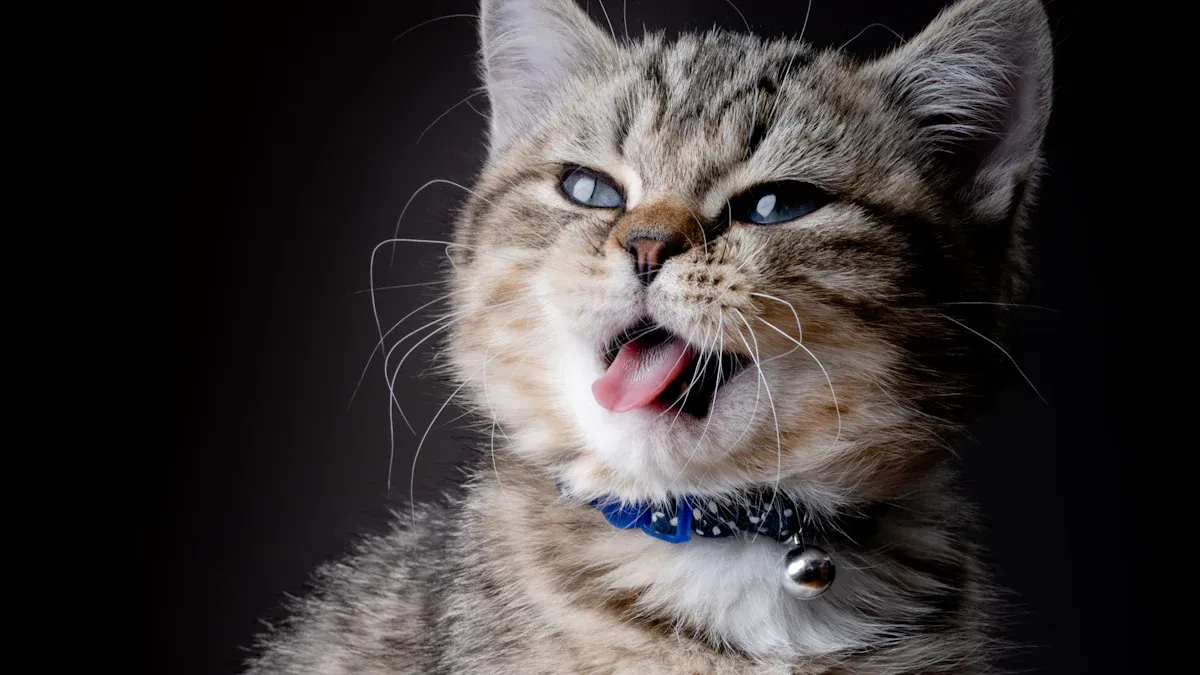
You will find many personality traits in cats. These traits often influence your choice between a male cat and a female cat. Understanding these differences helps you choose a companion.
Affection and Cuddliness
Many people believe male cats are more affectionate. They often describe male cats as friendly and outgoing. You might hear that a male cat seeks more attention. However, scientific evidence does not support this idea. Studies show no inherent difference in affection levels between male and female cats. Your cat’s affection comes from its upbringing and socialization. Neutering status also plays a big role. A specific study on cat compatibility with children found no link between gender and affection. So, your cat’s individual personality matters most. Both male and female cats can be very cuddly.
Playfulness and Energy
Male cats often display more playfulness and higher energy levels. They enjoy interactive games. You might see a male cat chasing toys with great enthusiasm. This active behavior is common. A neutered male cat often retains this playful nature. Female cats also enjoy play. Their playfulness can vary more. Some female cats are very energetic. Others prefer calmer activities. Your cat’s breed and individual temperament influence its energy.
Independence and Sociality
Female cats often show more independence. They might seem more reserved. You may notice a female cat enjoys her alone time. This does not mean she is unfriendly. It is simply a part of her personality. Male cats, especially neutered ones, are often more social. They enjoy being part of family activities. You might find a male cat follows you around the house. This male cat behavior makes them seem more easy-going. The differences in temperament are clear. However, remember that every cat is unique. A female cat personality can be very outgoing. A male cat can be quite independent. These are general tendencies, not strict rules for every cat. The male cat vs female cat difference in behavior is often subtle.
Key Behaviors: Male vs Female Cats’ Habits
You will notice distinct behaviors in male and female cats. These habits often influence your daily life with your pet. Understanding these differences helps you manage your cat’s needs.
Spraying and Marking
Cats communicate through scent. Urine spraying and marking is one way they do this. Both male and female cats can spray. However, male cats are often the more frequent culprits. A study found that male cats made up 75% of cases presented for spraying behavior. Female cats also spray, especially when they are in heat. This behavior signals their availability for mating.
Neutering or spaying greatly reduces spraying. Neutering decreases urine spraying behavior in about 90% of male cats. It also makes their urine odor less intense. Spaying reduces urine marking in 95% of female cats. This happens because spaying removes hormonal influences. You will find that this procedure significantly improves household cleanliness.
Vocalization
Cats use vocalizations to express many things. Both male and female cats meow, purr, and hiss. However, female cats can become very vocal during their heat cycles. You might hear extremely loud and constant “yowling.” They also make other unusual vocalizations. During proestrus, you may hear short, low calls. In estrus, female cats often yowl. These cries can sound alarming, almost like an animal in pain. This specific female cat behavior is a clear sign she is in heat.
Aggression and Territory
You might wonder if one gender is more aggressive. Studies show no major difference in aggression between male and female cats. Factors like environment, genetics, or personality usually influence feline aggression more than gender. A recent study confirmed no significant differences in aggressive behavior based on cat gender.
However, territorial behavior does show some differences. Male cats naturally tend to have larger territories. They defend these areas more vigorously. Unneutered male cats are more likely to roam and fight with other males. This often happens due to sexual competition. These fights can lead to injuries. Neutering can decrease certain types of aggression in male cats. It reduces their drive for territorial protection. This lowers the risk of fights and injuries. Neutering removes the testicles, which produce testosterone. This hormone influences aggression towards other males and territorial marking. Minimizing these hormones reduces aggression in male cats.
Health and Longevity: Common Concerns for Cats
Common Health Concerns
You should know about health differences between male and female cats. This is a key aspect of the male vs female cat discussion. Male cats face specific health challenges. Their narrower urethras make them more prone to urinary obstructions. These blockages can be life-threatening for your cat if not treated quickly. Male cats also get urinary tract infections more often.
Feline Lower Urinary Tract Disease (FLUTD) affects many cats. This condition is more common in male cats, especially if they are overweight or eat only dry food. FLUTD can cause pain and difficulty urinating. Studies also show male cats can have reproductive disorders. Female cats generally experience fewer gender-specific health issues. They often seem less stressed overall, which may contribute to their general well-being. These differences are important for your cat’s well-being. You want healthy cats. All cats deserve good care. Understanding these health aspects helps you provide the best for your cat. Many cats live long, happy lives with proper care. Your cats will thrive with attention. Healthy cats are happy cats.
Lifespan Expectations
You might wonder about your cat’s lifespan. There are differences here too. Female cats often live longer than male cats. One analysis found female cats live 1.33 years longer than male cats. Female cats live about 12.51 years. Male cats live around 11.18 years. Another study showed male cats lived 1.20 years less than female cats. These numbers show a clear trend. Your female cat may enjoy a longer life. These are general trends for cats. Individual health and care also play a big role in how long any cat lives. Proper nutrition, regular vet visits, and a safe environment greatly influence any cat’s longevity. Understanding the male vs female cat health profiles helps you prepare. The female vs male cat health comparison offers valuable insights. Every cat is unique.
Care Requirements: Deciding on Your Male vs Female Cat
Grooming Needs
You need to consider grooming for all cats. Both male and female cats require regular grooming. Long-haired cats need more frequent brushing. This prevents mats and hairballs. Short-haired cats also benefit from brushing. It keeps their coats healthy. You should start grooming your cat early. This helps them get used to the process. Grooming needs do not differ much between a female vs male cat. It depends more on their coat type.
Spay/Neuter Impact
Spaying or neutering greatly impacts your cats’ behavior and health. This procedure is crucial for all cats. For a male cat, neutering brings many benefits.
It reduces behaviors linked to testosterone. Your male will have less desire to roam. This lowers the risk of accidents. Neutering also lowers aggression towards other male cats. This reduces fight injuries. It helps reduce spraying for territory marking. The urine smell becomes less intense. Neutering does not make your cat lazy or fat with proper diet and exercise. For a female cat, spaying stops heat cycles. You will not hear loud yowling. It reduces restlessness and agitation. Your female cat will not rub against objects to spread scent. Spaying eliminates or reduces urine marking. It also means no more attracting male cats. Your female cat becomes calmer and more content. Many spayed female cats become more consistently affectionate. They are less prone to roaming.
Ownership Costs
You also need to consider ownership costs. Veterinary care is a major part of this. Spaying a female cat is generally more expensive than neutering a male cat. This is because the female cat surgery is more complex. Here are typical costs:
Procedure | Low-Cost Clinic | Private Practice |
|---|---|---|
Neutering (male cat) | $50-$150 | $200-$400 |
Spaying (female cat) | $75-$200 | $300-$500 |
These are initial costs. You will have other vet expenses throughout your cats’ lives. These include vaccinations and check-ups for all cats. The overall cost differences between a male vs female cat are not huge over a lifetime.
Training and Adaptability: 15 Big Differences to Consider
Trainability
You might wonder if one gender of cat is easier to train. Both male and female cats can learn tricks and commands. Training success depends more on the individual cat’s personality. It also depends on your patience. Some people believe male cats are more eager to please. This might make them slightly easier to train. Female cats can be more independent.
This might make them less inclined to follow commands. However, many female cats respond well to positive reinforcement. You can teach any cat to use a litter box. You can also teach any cat to come when called. These are important skills for all cats. The 15 big differences between male vs female cat do not strongly impact trainability. You will find that individual cats vary greatly.
Environmental Adaptability
Cats adapt to new environments differently. Your cat’s personality plays a big role. Male cats often adjust more quickly to changes. You will find a male cat often explores new spaces with less hesitation. A male cat may seem more laid-back about new people or pets. Female cats can be more sensitive to their surroundings. A female cat might take longer to feel comfortable in a new home. She may hide more at first. This is a common behavior for many female cats. However, a well-socialized female cat can adapt very well. These variations are general. Many factors influence how well a cat adapts. These include early experiences and temperament. You will find that some cats are naturally more resilient. Other cats need more time and support. Understanding these traits helps you prepare your home. This ensures a smooth transition for your new cat. You will find many considerations when choosing a male vs female cat. These are some of the 15 big differences to consider.
You have explored the 15 big differences between male and female cats. Both male cat and female cat make wonderful companions. Each cat has unique pros and cons. You see many differences in their personality and behavior.
However, a cat’s individual personality, upbringing, and spay/neuter status are often more influential than gender alone. These factors truly shape a cat’s behavior. Consider your own lifestyle, living situation, and preferences. This helps you choose the best male or female cat for you. Provide love, care, and commitment. This ensures a happy life for any cat, regardless of its gender. All cats deserve a loving home. These cats will thrive with your care.