

Cats communicate in unique and often mysterious ways. You might find their signals confusing. Research shows many people, even cat owners, struggle to understand feline communication. For example, you might misinterpret subtle cat behaviors. Studies reveal participants correctly identify cat facial expressions only about 59% of the time, highlighting the difficulty in reading a cat’s true behavior. This makes decoding cat behaviors a real challenge. Understanding your cat’s body language and vocalizations strengthens your bond. This cat behavior chart helps you interpret these signals. Use this cat behavior chart to recognize signs of anxiety, fear, or anger in your cats.
Key Takeaways
Watch your cat’s tail to understand its mood. A high tail means happiness, a tucked tail shows fear, and a swishing tail can mean agitation or play.
Listen to your cat’s sounds. Purring means comfort, meows are for greetings or requests, and hissing is a clear warning to stay away.
Observe your cat’s body language. A slow blink shows trust, kneading means comfort, and head rubbing marks you as part of its family.
Understand common cat actions. Pouncing is play and hunting practice, bringing ‘gifts’ shows affection, and grooming you means you are family.
Address problem behaviors like urinating outside the litter box or destructive scratching. These often signal stress or health issues, so seek vet advice if needed.
Tail Positions: What They Mean
High Tail: Confidence & Happiness
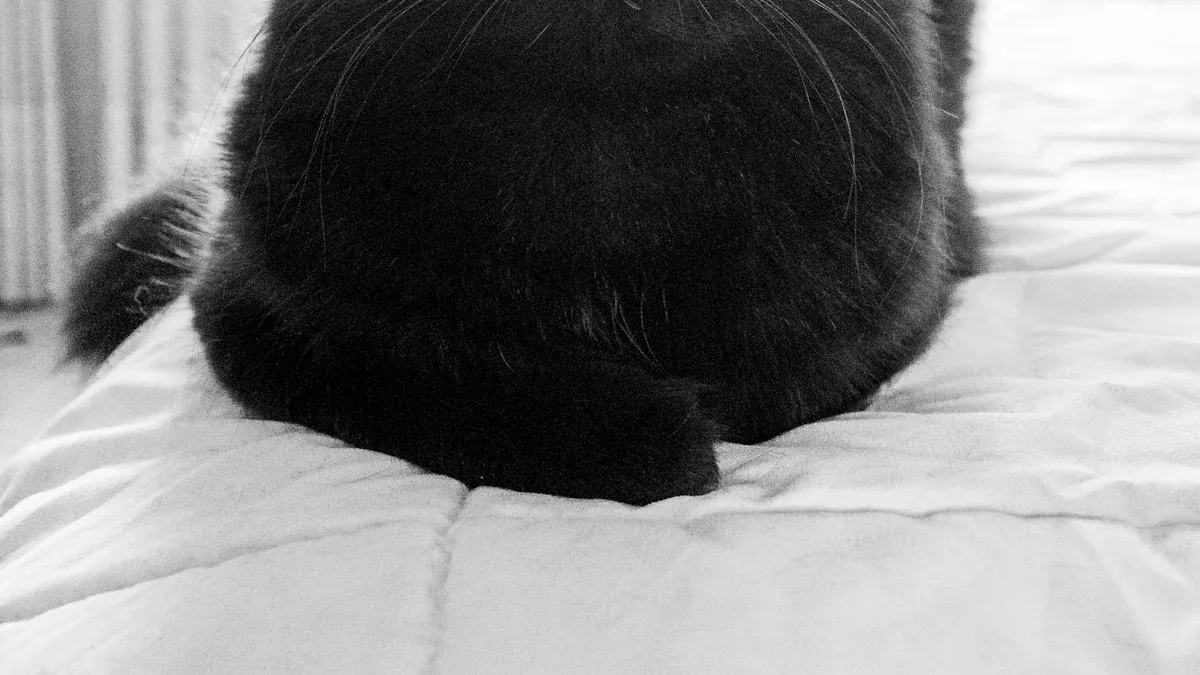
When your cat holds its tail high, it shows confidence and happiness. A straight, rigid tail, often called the ‘flagpole’ position, means your cat feels self-assured and poised. It is typically receptive to affection. If your cat holds its tail upright with a gentle curve at the tip, it conveys happiness, confidence, and comfort. This indicates that approaching your cat is likely acceptable.
An upright tail position, whether your cat walks or stands, signals confidence and a readiness to engage. If the tail tip also gives a slight flick, you can interpret it as an especially happy greeting. This shows your cat is pleased to see you.
Tucked Tail: Fear & Submission
A tucked tail often signals fear or submission. When a feline tucks its tail tightly between its legs or curves it beneath its body, it feels nervous. This position shows it is trying to appear smaller. A tail whipping from side to side can also signal fear, along with aggression and frustration. If a tail resembles a pipe cleaner, it indicates a severely agitated or frightened animal. This cat tries to look bigger to deter danger. A tail rapidly slapping back and forth signifies both fear and aggression. It serves as a clear warning for other cats.
Swishing Tail: Agitation & Playfulness
A swishing tail can mean agitation or playfulness. A quick flickering of the tail tip or the entire tail shows excitement. It can also mean your pet is aroused or agitated. The tail might be raised high and lightly waving. It could also lay low while flickering. If you observe this during petting, stop immediately. This animal is becoming overstimulated.
A tail wrapped around its body indicates a threat. This often comes with crouching and tight enveloping of the tail. Hissing and dilated pupils further confirm agitation. Ferocious thumping of the tail on the ground also means agitation. The faster and stronger the movement, the higher the degree of agitation. This can escalate to claw and fang use if you provoke it. Flicking and thumping the tail together show a high level of stress. This behavior indicates strong agitation. Many cats show this when annoyed.
| Category | Behavior / Signal | Description | Likely Emotion or Meaning | Recommended Human Response |
|---|---|---|---|---|
| Ears | Forward | Ears upright and pointing ahead | Alert, curious, interested | Engage or play gently |
| Slightly back | Ears angled slightly sideways/back | Unsure, cautious | Move slowly, speak softly | |
| Flattened back | Ears pinned against head | Fearful, angry, threatened | Give space immediately | |
| Eyes | Slow blinking | Relaxed eyes, half-closed | Content, trusting | Slow blink back to show affection |
| Wide open pupils | Pupils dilated | Excited, scared, playful, or aggressive (context matters) | Observe other signals | |
| Narrow pupils | Pupils constricted | Focused, confident, possibly irritated | Avoid sudden movements | |
| Tail | Upright, relaxed tip | Tail vertical and relaxed | Friendly greeting | Approach or pet |
| Puffed-up | Fluffed tail | Frightened, defensive | Do not approach | |
| Low or tucked | Tail between legs | Fear, submission | Reassure calmly or give space | |
| Lashing / twitching | Fast back-and-forth motion | Annoyed, overstimulated | Stop petting or engaging | |
| Wrapped around body | Tail curled around paws | Calm, comfortable | Let rest | |
| Body Posture | Arched back, fur standing | Defensive posture | Fearful or ready to fight | Do not touch |
| Lying on side, exposed belly | Relaxed, trusting (or playful trap) | Comfortable or playful | Approach slowly; not always an invite for belly rubs | |
| Crouched, head low | Trying to appear small | Scared, anxious | Provide safety and quiet | |
| Standing tall | Confident, dominant | Neutral or playful | Respect space | |
| Vocalizations | Purring | Steady vibrating sound | Content, comforted (sometimes in pain) | Pet gently if relaxed |
| Meowing | Short or varied tones | Communication for attention, food, or greeting | Respond as appropriate | |
| Trilling / chirping | Rolling “rrr” or chirp sound | Friendly greeting or excitement | Engage softly | |
| Growling / hissing | Low or sharp sound | Angry, afraid, defensive | Back away immediately | |
| Yowling / caterwauling | Loud drawn-out sound | Mating call, distress, or territorial | Investigate or comfort | |
| Other Actions | Kneading | Pressing paws alternately | Contentment, affection, marking scent | Allow or provide blanket |
| Head-butting / rubbing | Glands mark scent | Affection, ownership | Pet back | |
| Grooming you | Licking or nibbling | Affection, bonding | Accept gently | |
| Ignoring / turning back | Avoiding interaction | Relaxed or disinterested | Give space | |
| Staring directly | Prolonged eye contact | Challenge or demand | Break gaze calmly |
Cat Vocalizations: Understanding Sounds
Purring: Contentment & Comfort
You often hear your cat purr when it feels content. This soft, rhythmic sound indicates happiness or enjoyment. A cat’s purr is more than just a sign of comfort. Research shows cats purr as a form of self-healing. The consistent pattern and frequency during inhalation and exhalation offer benefits. The low-frequency hum of 25 to 50 hertz from purring can promote bone growth and fracture healing. Bones strengthen under pressure.
The frequency of a cat’s purr is precisely what you need for bone growth. It improves bone density and builds bone strength. It also supports wound and fracture healing. This sound stimulates bone fracture repair. It provides pain relief and manages breathlessness and inflammation. Petting a cat or listening to its purring releases oxytocin. This hormone promotes happiness and reduces stress. This calming effect lowers cortisol levels. Many individuals who interact with cats experience a decrease in heart rate and blood pressure.
Meows: Greetings & Requests
Your cat uses meows to get your attention. This complex call often signals greetings or requests. A short meow might be a simple “hello.” A longer, more insistent meow often means “feed me” or “pet me.” You might hear a specific meow when your cat wants a treat. Cats learn to use different meows to communicate specific needs to their human companions. This vocalization is a primary way your cat interacts with you.
Trilling & Chirping: Friendly Communication
Trilling and chirping are sweet, high-pitched sounds. Your cat uses them to express happiness or seek attention. You might hear a trill as a friendly greeting when you return home. Cats also use trills during play. They make a trill when they want a treat or a cuddle. Mother cats use trills to communicate with their kittens. Kittens specifically respond to their own mother’s trills. This sound shows a positive and friendly intention.
Hissing & Growling: Warning & Defense
Hissing and growling are clear warning sounds. Your cat uses a hiss to say “I’m warning you” or “I’m scared.” This indicates discomfort or feeling threatened. A growl is a strong warning. It means “back off” or “stop what you are doing.” This sound often precedes a fight if you push the cat further. These vocalizations signal that your cat feels threatened or fearful. They tell others to keep their distance. A cat may also spit, which is a shorter, louder version of hissing. This defensive sound occurs when your cat feels surprised.
Body Language: Key Physical Cues
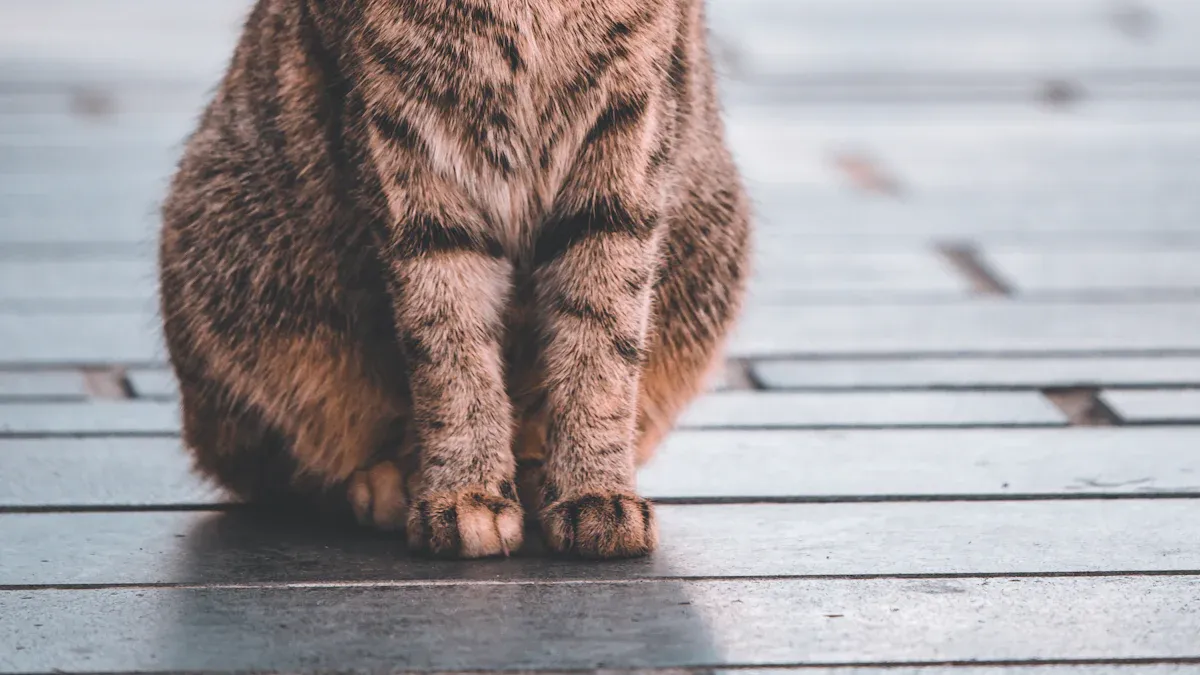
Your cat communicates much through its body. You can learn a lot by watching its physical cues. These actions reveal its feelings and intentions.
Slow Blink: Affection & Trust
When your cat slowly closes and then opens its eyes, it gives you a “slow blink.” This is a clear sign of affection and trust. A cat becomes vulnerable when its eyes are closed. It cannot spot threats. So, when a cat slow blinks in your presence, it shows deep trust. It feels safe enough to be vulnerable with you. This behavior is a form of positive emotional communication. Scientists found that ‘slow-blinking’ helps people bond with their cats. Cat behavior experts say it means, “I trust that you’re not gonna kill me.”
Kneading: Comfort & Contentment
You might see your cat pushing its paws into a soft surface, alternating left and right. This is kneading. It often happens when your cat feels comfortable and content. This behavior starts in kittens. They knead their mother to stimulate milk flow. This action releases oxytocin, a bonding hormone. Many cats continue this into adulthood. This is a trait called neoteny, where adult animals keep juvenile behaviors. Wild cats also kneaded grass or leaves. They did this to create safe, comfortable resting spots. Cats have scent glands in their paw pads. Kneading also helps them mark their territory with their scent.
Head Rubbing: Marking & Affection
Your cat rubs its head against you, furniture, or other pets. This action shows affection. It also marks you as part of its territory. Cats have special glands around their head. These glands produce pheromones. When your cat rubs its head, it deposits these chemical signals. The F3 pheromone marks objects and territory. The F4 pheromone helps with social relationships. It creates a “group scent” among cats, humans, or other species. This behavior helps your cat feel safe. It also shows you belong to its trusted group.
Understanding Common Cat Behaviors
You observe many interesting cat behaviors. These actions reveal much about your feline friend. Understanding these common cat behaviors helps you connect with your cat.
Pouncing & Stalking: Play & Hunting Instincts
Your cat often pounces and stalks. This is not just play. It is a strong display of their natural hunting instincts. Cats follow a specific sequence when they hunt for food.
You see them searching the environment for prey.
They then locate prey within the environment.
Next, they approach the prey.
They capture the prey.
They kill the prey.
They manipulate the prey.
Finally, they consume the prey. Even when playing with toys, your cat practices these steps. This behavior keeps them sharp. It satisfies their inner hunter. This instinctual drive is powerful for every cat.
Bringing “Gifts”: Sharing & Seeking Approval
Sometimes your cat brings you a “gift.” This might be a toy or even real prey. This behavior shows sharing and seeking approval. Your cat sees you as part of its social group. They share their catch with you. This is a sign of affection. It also shows they trust you. Some wonky cat behaviors like knocking stuff over or food hiding might seem strange. But bringing gifts is a clear sign of their bond with you. They want to provide for you, just like they would for their kittens. They might also expect you to share your food with them.
Grooming Owners: Affection & Marking
Your cat grooms you by licking your hair or skin. This is a sign of affection. It also marks you as part of their territory. Cats groom each other to show affection. This is called allogrooming.
Licking helps cats show affection. It strengthens social bonds. It builds relationships.
Allogrooming can redirect potential aggression. It helps cats avoid physical conflict.
It can also indicate dominance. The alpha cat often does the grooming.
The repetitive motion of grooming is soothing. It acts as a comforting massage. When your cat grooms you, they include you in their social network. They are curious and territorial. They want you to smell like them. This makes you part of their family. This social interaction deepens your bond.
Problematic Cat Behaviors: Addressing Concerns
You might encounter some challenging actions from your feline friend. Understanding these problematic cat behaviors helps you address them effectively. These actions often signal underlying issues.
Inappropriate Urination: Stress & Health Issues
When your cat urinates outside its litter box, this is called non-litterbox elimination. This can be frustrating. It often points to stress or health problems. Medical conditions can cause this behavior. For example, urinary tract infections (UTIs) or bladder stones make urination painful. Conditions like kidney disease or diabetes increase how often your cat needs to urinate. This can make the litter box fill quickly. Orthopedic pain can also make it hard for your cat to get into the litter box.
Environmental factors also cause stress-induced urination.
A new cat or human in the home can cause stress.
Moving to a new house is stressful for cats.
A litter box near noisy appliances can deter your cat.
Another pet stalking your cat near the litter box creates anxiety.
These situations make your cat feel unsafe or uncomfortable.
Destructive Scratching: Marking & Anxiety
Your cat scratches to mark territory and keep its claws healthy. However, destructive scratching on furniture is a common concern. This behavior can stem from anxiety or a lack of appropriate scratching surfaces. You can redirect this natural instinct. Provide tall scratching posts with sisal rope. These posts should have multiple levels. You can also use pheromone products on surfaces you want your cat to avoid. Regularly trimming your cat’s nails also helps limit damage. Rewarding your cat for using its scratching post encourages good habits.
Attacking People or Pets: Fear & Overstimulation
Sometimes, your cat may attack people or other pets. This aggressive behavior often comes from fear or overstimulation. Many triggers exist for these wonky cat behaviors.
Fear: Your cat feels threatened and cannot escape.
Play and excitement: Your cat has not learned appropriate play boundaries.
Redirection: Your cat is agitated by something it cannot reach, like another cat outside. It then lashes out at you.
Pain: Your cat may lash out if you touch a painful area.
Watch for signs of overstimulation. Your cat’s tail might twitch. Its ears may flick back. Its skin might ripple. You might see dilated pupils or hear a low growl. These are warnings. If you see these signs, stop interacting with your cat. This helps prevent an attack. Understanding these wonky cat behaviors helps you keep everyone safe.
Observing your cat’s unique communication is valuable. This cat behavior chart helps you understand their signals. Cat behaviors can seem unpredictable, but you can understand them. Remember, each cat is an individual. Context is key to interpreting their behavior. Continue attentive observation. This deepens your human-feline bond. For persistent or concerning cat behaviors, consult a veterinarian or certified cat behaviorist. These professionals can offer tailored advice for your cat.