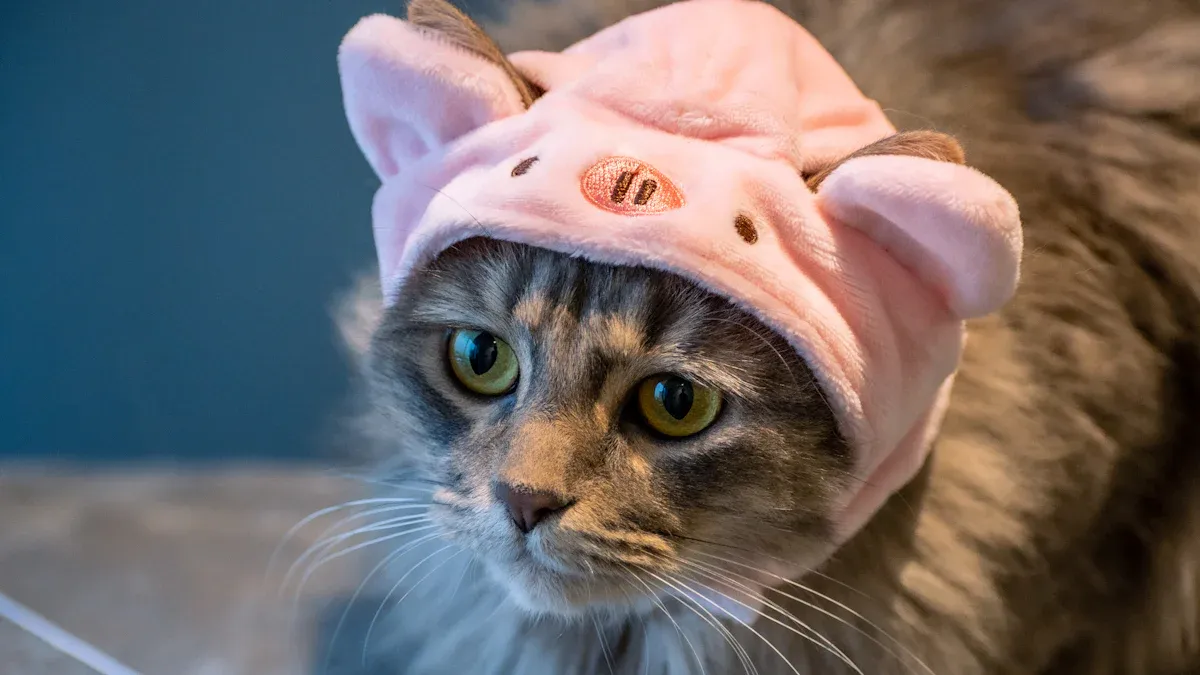
Dressing your cat is a growing trend. The global pet clothing market was valued at USD 2.09 billion in 2023. It will reach USD 2.75 billion by 2030. A well-fitting outfit ensures your cat’s comfort and safety. Ill-fitting clothes cause stress, restrict movement, and lead to skin irritation or overheating. They can also cause fur matting. This step-by-step guide helps you measure your cat accurately. You avoid common measurement mistakes. Understanding the cat clothes size chart is key. It helps you select the right size for a perfect pet dress.
Key Takeaways
Measure your cat when it is calm. Use a soft tape measure. Give treats to your cat.
Measure your cat’s neck, chest, and back length. The chest measurement is the most important.
Always check the brand’s size chart. Do not guess the size. Each brand has different sizes.
If your cat’s size is between two sizes, pick the larger one. Loose clothes are better than tight clothes.
After putting clothes on your cat, watch it. Make sure it can move, eat, and use the litter box easily.
Step 1: Gather Your Tools
Before you begin measuring your cat, prepare your workspace. Gathering the right tools makes the process smooth and stress-free for both you and your feline friend. This initial preparation sets you up for success in this entire step-by-step guide.
Soft Measuring Tape
You need a soft, flexible measuring tape. A tailor’s tape works best. Unlike rigid rulers or construction tapes, a soft tape easily conforms to your cat’s unique curves. This ensures you get accurate measurements around their neck, chest, and body. Accuracy is key for a perfect fit.
Treats and Notepad
Keep your cat calm and cooperative with treats. Treats create a positive association with the measuring session. Offer small, tasty rewards throughout the process. Many cat owners find success by offering treats and praise after each step. This positive reinforcement helps your cat relax. Keep sessions brief and gentle, especially if your cat seems reluctant. A tranquil setting also helps. You can offer treats, praise, or gentle petting during and after the measuring.
Also, grab a pen and a notepad. You will record each measurement immediately. This prevents errors and ensures you have all the data you need when you consult the cat clothes size chart. A helper can also be beneficial. One person can gently hold the cat while the other measures.
Step 2: Choose the Right Time
Choosing the right moment to measure your cat is crucial. This step ensures a smooth experience. It helps you get accurate measurements without stressing your feline friend.
When Your Cat is Relaxed
You want to measure your cat when they are calm. This makes the process easier for both of you. A relaxed cat is more cooperative. You can tell your cat is relaxed by certain signs. Their head is still. Their muscles are loose. They might lie on their side or sit with a straight back. Their ears are in a natural, forward position. Their eyes might be halfway closed. Their tail is extended and still.
To encourage this calm state, let your cat approach you first. Get down to their level. Extend a soft, curved hand. This invites them to come closer. Avoid picking them up right away. Pet or massage their head and neck. Cats like these areas. Do not touch the area near their tail or their belly. These spots often make cats uncomfortable. Give your cat choices during handling. Let them sit, stand, or move. This leads to better interactions.
Avoid High-Energy Moments
Do not try to measure your cat during playtime. Avoid times when they are very active. This includes after a meal or when they are exploring. A cat full of energy will not sit still. They will resist your attempts to measure them. This creates stress for your cat. It also makes your job harder. You will get inaccurate measurements.
Wait until your cat is sleepy or resting. Early morning or late evening often works well. These are times when cats are naturally less active. A quiet environment helps too. Turn off loud noises. Keep other pets away. A calm setting helps your cat stay relaxed. This ensures you get accurate numbers for your cat clothes size chart. This entire step-by-step guide relies on good measurements.
Step 3: Accurate Measuring Your Cat: Neck Girth
You are now ready to take your cat’s first measurement. The neck girth is important for the comfort of any clothing. A correct neck measurement ensures your cat can breathe and move freely.
Locate Collar’s Natural Rest
First, you will find the natural resting place for a collar. This spot is typically at the base of your cat’s neck. It sits right where their neck meets their shoulders. You can often feel a slight indentation there. This area is usually the widest part of their neck. It is where a comfortable collar would sit without riding up or slipping down. Take your soft measuring tape. Gently wrap it around this specific area. Make sure the tape lies flat against their fur. Do not press down too hard. You want an accurate circumference without compressing their fur or skin. This measurement is vital. It determines how comfortable the neckline of any clothing will be. A well-fitting neck prevents irritation. It also stops the garment from shifting around. Finding this exact spot sets the foundation for a good fit when measuring your cat.
Allow Two Fingers Space
Once you have the tape in place, apply the ‘two-finger rule’. This rule is essential for your cat’s comfort and safety. After wrapping the tape around their neck, try to slide two of your fingers underneath it. Your fingers should fit snugly but comfortably between the tape and your cat’s skin. This indicates the perfect tension. If your fingers do not fit, the tape is too tight. Loosen it a bit. If there is too much space, and your fingers slide in easily with room to spare, the tape is too loose.
Adjust it until you achieve that perfect two-finger gap. This small space ensures your cat can breathe freely. It also allows them to move their head and neck without any restriction. This simple yet effective trick is a vital part of this step-by-step guide. It guarantees the neck opening of any clothing will be just right. Record this measurement carefully. You will need it when you compare it to the cat clothes size chart later.
Step 4: Accurate Measuring Your Cat: Chest Girth
Measuring your cat’s chest girth is the most crucial step for a well-fitting garment. This measurement ensures the clothing fits comfortably around their body. It prevents any restriction of movement or breathing. Pay close attention to this part of our step-by-step guide.
Widest Part Behind Front Legs
You need to find the broadest part of your cat’s rib cage. This area is typically located right behind their front legs. It is also directly behind their armpits. Take your soft measuring tape. Gently wrap it around your cat’s body at this widest point. Make sure the tape lies flat against their fur. You want to measure the circumference here. The tape should go past any fur.
This ensures you get an accurate reading of their body size. This spot is usually about 1 to 2 inches (3 to 5 centimeters) behind their front legs. Getting this measurement right is key for comfort.
Snug But Not Tight Tape
Once you have the tape in position, ensure the tension is correct. The measuring tape should feel snug. However, it must not squeeze your cat. You want a secure fit without cutting into their fur or skin. Think of it like a bracelet on your wrist. It fits well but does not feel tight. After you have the measurement, try to slip two fingers underneath the tape. Your fingers should fit comfortably. This space ensures your cat has enough room to breathe easily.
It also prevents any bruising or restriction. A fit that is too tight can cause discomfort. It can also limit your cat’s movement. Record this chest girth measurement carefully. It is essential when you consult the cat clothes size chart.
Step 5: Measure Back Length
Measuring your cat’s back length is essential. This measurement determines how long a garment will be. It ensures the clothing covers your cat properly. It also prevents the outfit from dragging or being too short.
Base of Neck to Base of Tail
You will measure from the base of your cat’s neck to the base of their tail. The base of the neck is where their collar naturally rests. You found this spot in Step 3. The base of the tail is where the tail joins the body. Do not include the tail itself in this measurement. Place the end of your soft measuring tape at the base of the neck. Extend the tape straight along your cat’s spine. Stop the tape exactly at the point where the tail begins. This measurement gives you the correct back length for most cat clothes. This ensures a comfortable and appropriate fit.
Cat Standing Naturally
Your cat must stand in a natural position for this measurement. Do not measure them while they are lying down or curled up. A natural stance means all four paws are on the ground. Their back should be straight. Their head should be held normally.
You can encourage this posture with treats. Hold a treat slightly above their head. This often makes them stand tall. You can also gently guide them into position. A helper can hold the cat still. This helps you get an accurate reading. If your cat is hunched or stretched, the measurement will be wrong. An incorrect back length can make clothes uncomfortable. It can also make them look ill-fitting. Take your time. Ensure your cat is calm and standing correctly. Record this number carefully. You will use it with the cat clothes size chart.
Tip: If your cat is restless, try measuring them after a nap. They are often more cooperative then.
Step 6: Consider Leg Length (If Applicable)
This step is not always necessary. You only need to measure leg length for specific types of cat clothing. These items include garments with sleeves or full-body suits. If your chosen outfit does not cover your cat’s legs, you can skip this step.
For Sleeves or Full Suits
Some cat clothes feature sleeves. Others cover your cat’s entire body. These items require leg measurements. You want the sleeves to fit well. You also want the full suit to cover your cat properly. Incorrect leg measurements can make clothing uncomfortable. Sleeves might be too long and trip your cat. They might be too short and not offer enough coverage. Full suits could restrict movement if they are the wrong length.
Shoulder/Hip to Desired Point
You will measure from a specific point on your cat’s body. For front leg sleeves, start at the top of your cat’s shoulder. This is where the leg joins the body. For back leg coverage, begin at your cat’s hip. This is also where the leg connects to the body. Extend your soft measuring tape down the leg. Measure to the point where you want the garment to end. Some clothes cover the entire leg. Others stop at the elbow or knee. You decide the desired length based on the clothing design. Ensure your cat stands naturally during this measurement. A relaxed stance gives you the most accurate number. Record these measurements. You will use them when checking the cat clothes size chart.
| Size | Neck Girth (cm / in) | Chest Girth (cm / in) | Back Length (cm / in) | Typical Cat Weight | Example Breeds / Notes |
|---|---|---|---|---|---|
| XXS | 14–18 cm / 5.5–7 in | 20–25 cm / 8–10 in | 18–22 cm / 7–9 in | 1–2 kg / 2–4 lb | Kittens (2–4 months), Singapura |
| XS | 16–20 cm / 6–8 in | 26–30 cm / 10–12 in | 23–27 cm / 9–11 in | 2–3 kg / 4–6 lb | Small cats, Cornish Rex |
| S | 20–24 cm / 8–9.5 in | 31–36 cm / 12–14 in | 28–32 cm / 11–13 in | 3–4.5 kg / 6–10 lb | Average domestic shorthair |
| M | 24–28 cm / 9.5–11 in | 37–42 cm / 14.5–16.5 in | 33–37 cm / 13–15 in | 4.5–6 kg / 10–13 lb | British Shorthair, Abyssinian |
| L | 28–32 cm / 11–12.5 in | 43–48 cm / 17–19 in | 38–42 cm / 15–17 in | 6–7.5 kg / 13–17 lb | Large cats, Siberian |
| XL | 32–36 cm / 12.5–14 in | 49–55 cm / 19–21.5 in | 43–48 cm / 17–19 in | 7.5–9 kg / 17–20 lb | Maine Coon, Ragdoll males |
| XXL | 36–40 cm / 14–16 in | 56–62 cm / 22–24.5 in | 49–54 cm / 19–21 in | 9–11+ kg / 20–25 lb | Extra lar |
Step 7: Consult the Cat Clothes Size Chart
You have carefully measured your cat. Now, you need to compare those numbers to a cat clothes size chart. This step is critical. It ensures you pick the right garment size. Do not skip this part.
Brand-Specific Charts Vary
Every clothing brand creates its own unique cat clothes size chart. You will find that measurements can differ greatly from one manufacturer to another. A “small” from one brand might be a “medium” from another. This means you cannot assume sizes are the same across different companies. Always look for the specific size chart provided by the manufacturer of the item you want to buy. This chart will list the neck girth, chest girth, and back length measurements for each size. Compare your cat’s measurements directly to these numbers. This direct comparison helps you choose the best fit.
Avoid Universal Sizing Assumptions
Never assume a universal sizing standard exists for cat clothing. This is a common mistake. For example, dog sizing charts often result in clothes that are too baggy on a cat’s midsection. Dog hoodies can be bulky and restrictive on a cat. This makes your cat look unimpressed and uncomfortable. Woolen dog-cat blend apparel might fit a dog well, but it can be too bulky for a cat. This bulk can inhibit your cat’s natural acrobatics and movement.
Ill-fitting garments cause many problems. They can restrict your cat’s natural movements, making grooming, running, or even toileting difficult. This loss of natural behaviors can cause stress and anxiety for your cat. Clothes that do not fit well can also become entangled or tighten, posing a safety risk. Investing time upfront in precise sizing helps you avoid wasting your budget on clothes that do not fit. Always refer to the specific chart provided by the manufacturer.
Step 8: When in Doubt, Size Up
You have carefully measured your cat. You are now ready to compare those numbers to the size chart. Sometimes, your cat’s measurements might fall between two sizes. This is a common situation. You need clear guidance for this.
For In-Between Measurements
Your cat’s measurements might not perfectly match one size on the chart. For example, your cat’s chest girth could be a medium, but their back length might fit a small. What should you do in this case? Always choose the larger size. Sizing up ensures your cat’s comfort. A slightly larger garment is much better than one that is too small. You want your cat to move freely. You want them to feel good in their new outfit.
Loose is Better Than Tight
A loose fit is always preferable to a tight one. Tight clothing can cause many problems for your cat. It restricts their movement. This makes it hard for them to walk, run, or jump. Tight clothes can also make grooming difficult. Cats groom themselves often. If they cannot reach certain spots, their fur can become matted. Clothing that is too tight around the neck, chest, or limbs can be really uncomfortable. It can also pose serious health risks. Pets communicate through body language. Wearing clothing can interfere with their natural movements and senses.
Many animals find the sensation of wearing clothes restrictive. This can inhibit their ability to move freely. It leads to stress or frustration. Some outfits can cover a pet’s eyes, ears, or whiskers. This interferes with their senses. It makes them feel disoriented or anxious. You want your cat to be happy and healthy. A garment that is too snug can chafe their skin. It can even cause sores. Always prioritize your cat’s well-being. A little extra room ensures they stay comfortable. This makes the experience positive for both of you. You will find the right fit by carefully checking the cat clothes size chart and then choosing the larger option when in doubt.
Step 9: Read Customer Reviews for Sizing
You have your cat’s measurements. You have checked the brand’s size chart. Now, take one more crucial step. Read customer reviews. These reviews offer practical sizing feedback. They give you real-world experiences.
Real-World Fit Experiences
Customer reviews provide valuable insights. They tell you how clothes actually fit on different cats. Look for specific keywords in these reviews. Phrases like “sizing details” often highlight important product dimensions. The term “fit” is also very common. It emphasizes the overall suitability of the clothing. Many customers share “user photos and reviews since fit can vary.” These photos show you how the garment looks on a real cat. This helps you see if the fit matches your expectations.
Some reviews mention an “adjustable fit with buttons.” This feature directly impacts how well you can adapt the clothing to your cat’s size. You might also see comments about how the brand “carefully sized them to fit.” This indicates the quality of the sizing process. Many customers discuss “size” in their feedback. They often note if the size was tight or too small. This information helps you decide whether to size up.
Check Similar Cat Breeds
Look for comments from owners of similar cat breeds. Cats have unique body types. These body types require specific sizing considerations. For example, hairless cats, like Sphynx or Devon Rex, need clothes for warmth. They need snug-fitting clothes. These garments hug their contours without bunching. Specific products are designed to be skin-friendly. They offer warmth without bulk. Small cats, such as Munchkin or Singapura, have unique structures.
They need specific clothing types. These clothes must fit snugly but not too tightly. Large breed cats, like Maine Coon or Norwegian Forest cats, have sturdy frames. They also have thick fur. They require larger coat sizes. Adjustable straps help accommodate their volume. If your cat is slender, like a Sphynx, you need a snug fit. If your cat is fluffier, you may need more room. Material stretch and adjustable straps are crucial for a proper fit. These real-world experiences offer valuable insights into a product’s fit.
Step 10: Test Fit and Observe Comfort
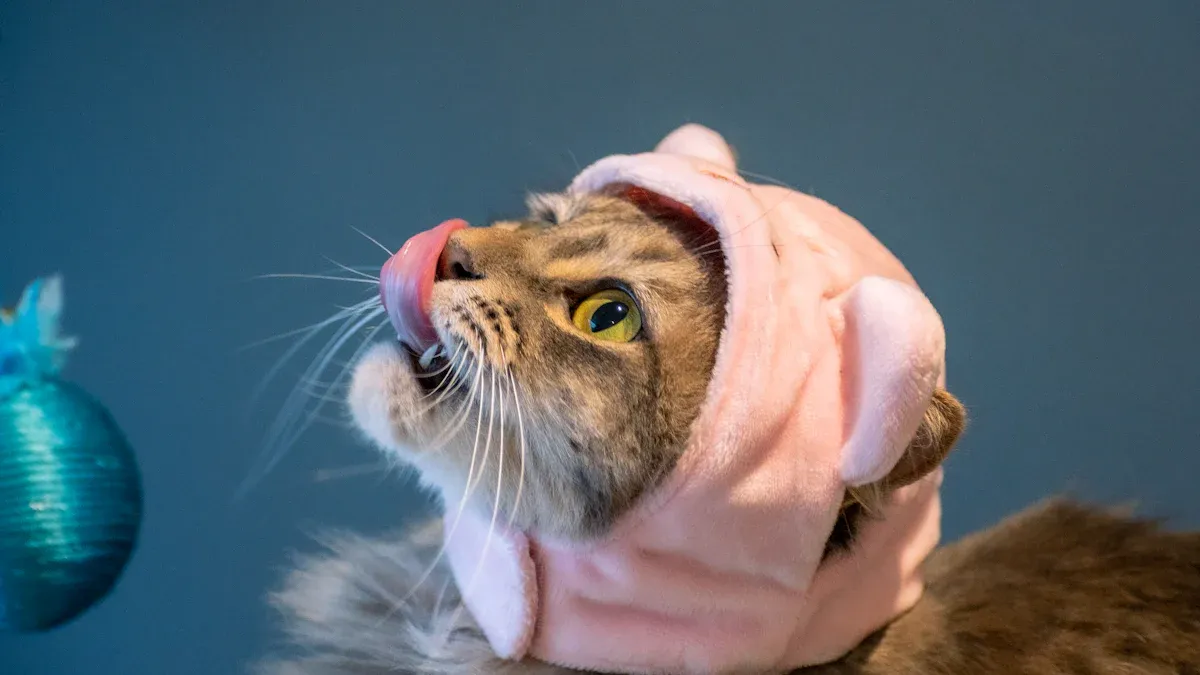
You have measured your cat. You have chosen the right size. Now comes the final, crucial step. Put the clothing on your cat. Watch their reaction closely. This observation tells you if the fit is truly perfect.
Check for Restricted Movement
Once your cat wears the new garment, observe them. Do they walk normally? Can they stretch their body? Look for any signs of stiffness. See if they struggle to jump onto their favorite perch. The clothing should not stop them from moving freely. Your cat needs to run and play. They need to groom themselves. They must explore their space without hindrance. Restricted movement causes stress for your cat. It can also lead to muscle strain or discomfort. A well-fitting outfit allows your cat to be themselves.
Ensure No Chafing or Discomfort
After your cat wears the clothing for a short time, take it off. Carefully check their skin and fur. Look for any red marks or irritated areas. Feel for any tender spots. Common areas where chafing or discomfort can occur include:
Neck
Underarms
Belly
Groin areas
Chest
Shoulder blades
Around legs
Prolonged contact with fabric can lead to skin irritation. It can cause chafing or rashes. This happens especially if the garment lacks breathability. Make sure the fabric is soft. It should not rub your cat’s fur or skin.
Cat’s Basic Functions Unhindered
Your cat must perform their basic daily functions easily. They need to eat and drink without struggle. The clothing should not block their mouth. It should not get in their food bowl. Most importantly, your cat must use their litter box. The garment should not cover their rear end. It should not get dirty. A good fit means your cat can live normally. They can stay clean. They can stay healthy. If the clothing stops these actions, it does not fit well. You need to adjust it or choose a different size.
Accurate measurements are vital for your cat’s comfort and safety. Following these 10 steps, from measuring your cat correctly to understanding the cat clothes size chart, helps you choose the right size. A well-fitting outfit looks great. It also ensures your cat moves freely and comfortably. Ill-fitting clothes, like tight collars, cause distress. They restrict movement and can even lead to injuries. You empower yourself to make informed decisions. Enjoy dressing your stylish and happy feline friend!