

The Birman cat captivates you with its striking beauty and gentle nature. This affectionate cat is gaining popularity. Many people consider Birman cats for their homes. You must understand the joys and responsibilities of Birman ownership. This guide offers a balanced look at birman cat pros and cons. We provide 14 essential facts. This helps you make an informed decision about a Birman cat. You will explore the Birman’s personality, care, health, and suitability for various households. This guide addresses your core questions about owning a Birman cat.
Key Takeaways
Birman cats are gentle and loving. They make great family pets.
Birman cats have beautiful silky fur. They need regular brushing to stay healthy.
Birman cats need lots of attention. They do not like being alone for a long time.
Birman cats can have some health problems. Choose a good breeder to get a healthy cat.
Owning a Birman cat costs money. Plan for food, vet visits, and toys.
Birman Cat Overview
Birman Origin and Lifespan
The Birman cat is a beautiful and ancient breed. You might wonder about the Birman cat’s longevity. A study in the UK analyzed veterinary records. It found that Birman cats have an average life expectancy of 14.39 years. This is a notable lifespan for a cat. It is higher than the overall average for cats in the study. This long life means you can enjoy your Birman cat for many years.
Birman Physical Traits
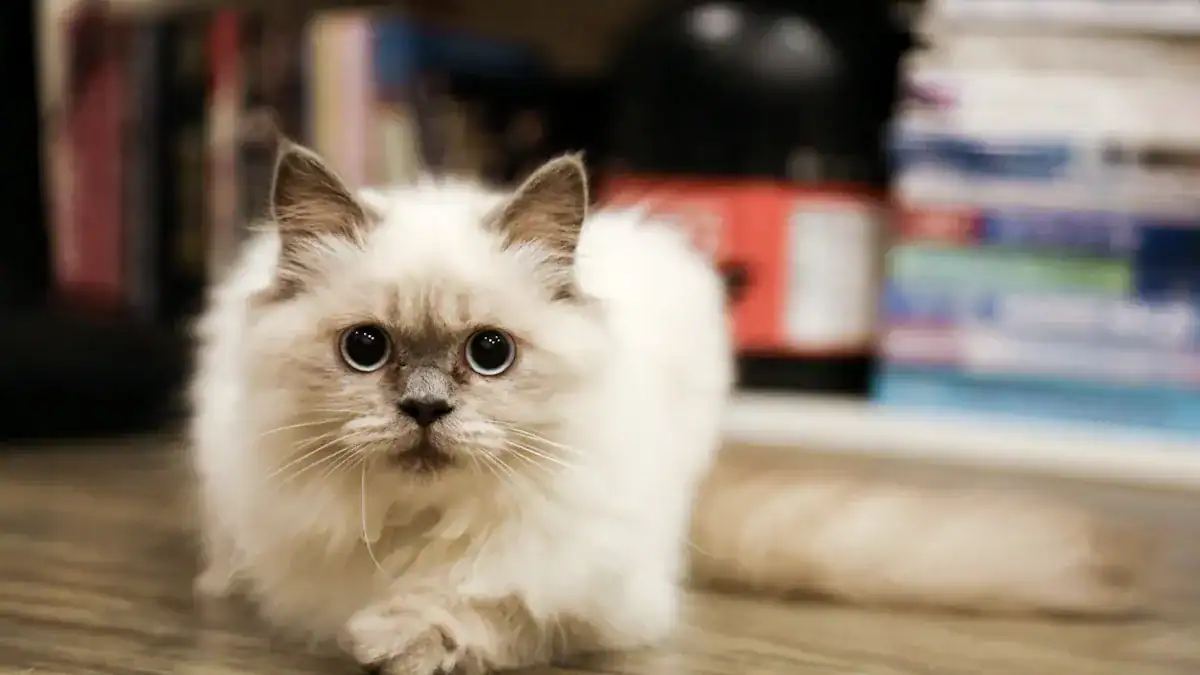
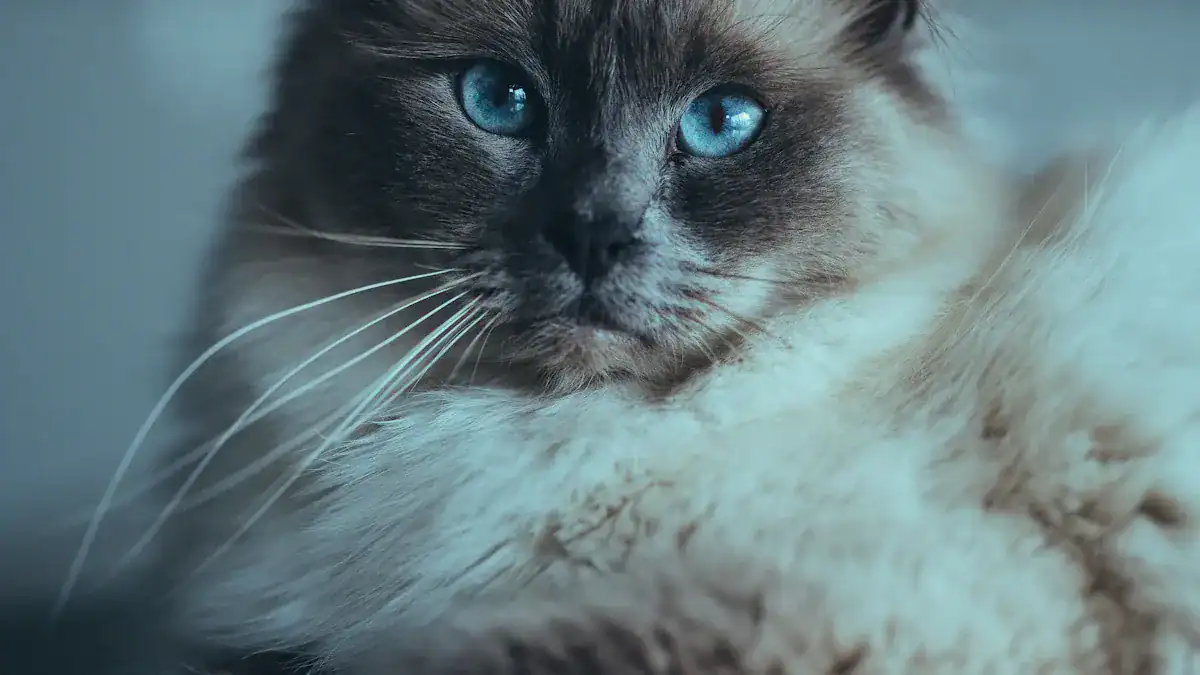
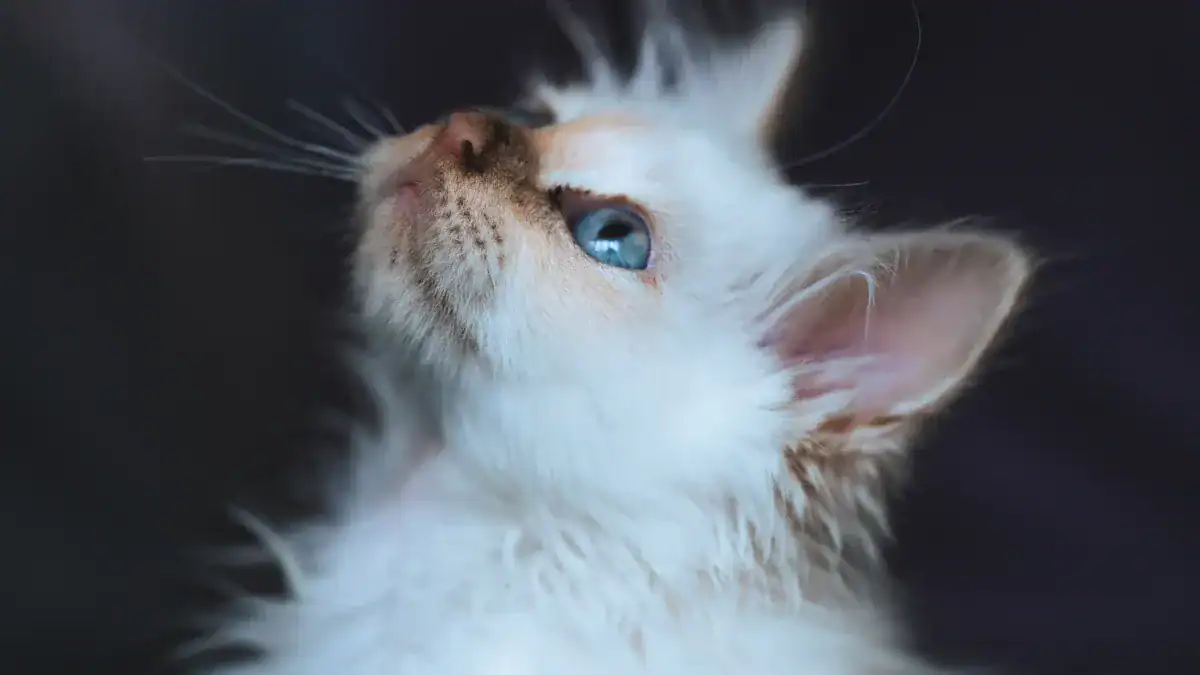
The Birman cat has a striking appearance. You will notice its medium to long silky fur. This coat does not have an undercoat. It tends not to mat. All Birman cats have gorgeous blue eyes. These are often described as glittering or intense blue eyes. The deeper the blue, the better. A distinct birman cat traits are their white ‘gloves’ and ‘laces’ on all four feet. The ‘laces’ extend about halfway up the back leg on the back feet. Their coat patterns vary. They can be solid, tabby, or tortie. Common colors include Seal Point, Blue Point, Chocolate Point, Lilac Point, and Red Point. The body fur is pale. The face, ears, feet, and tail have darker points. For example, a Seal Coat Birman cat has cream fur on its body. It has dark fur on its face, tail, ears, and legs.
Birman Temperament
The Birman cat has a charming personality. Its temperament is gentle and loyal. This cat is very affectionate. Many people call them ‘velcro’ cats because they love to be close to you. They are outgoing and curious. You will find them laid-back and playful. Sometimes, a Birman cat can be shy or skittish in new situations. However, they are not overly aggressive. This makes the Birman cat a wonderful companion.
Birman Cat Pros: Key Advantages
Gentle and Affectionate Nature
You will find the Birman cat a truly affectionate companion. These gentle creatures love to be near you. They often follow you around the house. People even call them ‘velcro’ cats because they stick so close. A Birman cat enjoys being held. They relax in your arms. This birman cat shows loyalty and affection. They love to be by your side. They get along well with children and other pets. Their gentle temperament makes them wonderful additions to any home.
Excellent Family Pets
Birman cats are often called ‘people cats’. They have a sweet and social nature. They thrive on companionship. This birman adjusts well to busy home environments. Their gentle nature makes them perfect for children. Children learn how to interact with pets respectfully. Birmans are perfectly suited for families. This includes families with children or other pets.
Their temperament is sweet-natured, patient, and even-tempered. They are also tolerant. They have an excellent disposition. They are friendly, outgoing, and self-assured. A birman cat is unusually fond of children. They adapt well to active households. They are moderately active, quiet, and gentle. This makes them loyal affectionate companions. They are truly great for households.
Quiet Companionship
You will appreciate the quiet nature of a birman cat. They are not excessive talkers. They use only a few soft meows. These meows indicate hunger or a desire for affection. They communicate with you. Their voices are typically soft and pleasant. They are sociable and people-oriented. They enjoy human company. This birman will follow you around. They flop next to you.
They purr affectionately. They snooze beside you while you watch shows. They are playful. They engage in games like fetch. They are moderately active. They often try to ‘assist’ with your tasks. You will never feel alone with this cat. They are relatively quiet. They are soft-spoken and refined. They have soft, chirp-like voices.
Highly Adaptable Birman
The birman cat adapts well to many living situations. They thrive in houses or apartments. You just need to provide toys, attention, and companionship. They are great with children. They also get along well with other pets. This includes other cats and calm dogs. They are also good with elderly people. Their calm demeanor makes them suitable.
Many owners see their birman cat following them. They become an important part of the family routine. These cats have affectionate and easygoing personalities. They are loving, outgoing, friendly, and sweet. They enjoy spending time with people. They also enjoy other household pets. This makes them adaptable to many homes.
Intelligent and Trainable
You will find the birman cat quite intelligent. They are curious and love to explore. This makes them quick learners. You can teach them tricks. They respond well to positive reinforcement. Their playful nature means they enjoy interactive games. They can even learn to walk on a leash. This cat enjoys mental stimulation. Provide puzzle toys to keep them engaged. Their intelligence makes them a rewarding companion.
Striking Appearance
The birman cat has a truly striking appearance. They possess a lush, medium-length coat. This coat feels exceptionally fine and silky. It lacks the dense undercoat of other breeds. This means fewer tangles and mats. Their coloration is ‘pointed’. Their body is a soft, pale hue. It transitions to darker shades on their ears, face, paws, and tail. Colors include seal, chocolate, blue, and lilac.
Their deep, hypnotic blue eyes are a defining feature. These large, round eyes are a vivid sapphire blue. They create a striking contrast against their creamy fur. This gives them an expression of sweet innocence. They are famous for their pristine white paws. These are called ‘gloves’. They look like they were dipped in snow. On their hind legs, these white markings extend upwards. These are called ‘laces’. This adds to their regal image.
Low-Maintenance Grooming
You might think a long-haired cat needs a lot of grooming. However, the birman cat has relatively low care requirements. They are good at self-grooming. But they can ingest a lot of fur. This can lead to hairballs. A consistent brushing routine is important. This prevents issues. Brush your long-haired birman daily or every other day. This prevents matting and tangling. Use a wide-toothed comb or slicker brush. Carefully detangle knots. Remove loose fur. Pay attention to areas prone to matting. These include behind the ears, under the armpits, and around the tail. You might consider trimming their fur. This is especially true around the hindquarters. This prevents fecal matting. Professional grooming visits can also benefit them.
Ideal for First-Time Owners
The birman cat is an ideal companion for first-time owners. They are extremely family-friendly. They adapt well to apartment living. Their patient and kind nature makes them suitable for families with children. They are playful and patient. This makes them excellent companions. They are loyal and loving. This benefits both novice and experienced owners.
Their temperament is gentle, calm, friendly, and loving. They are quiet talkers. Yet, they enjoy communication. They are very social. They thrive in the company of people and other animals. They are affectionate and loyal to their owners. They are playful and curious. This makes them wonderful family cats. Their fur care is low. Regular brushing is enough to maintain their coat. It prevents tangles and hairballs. This can also be a bonding experience for you and your birman cat pros and cons.
Birmans love to be involved in household activities. They often take a supervisory role. They might even ‘steal’ small items. They need plenty of opportunities for play. Interactive toys satisfy their engaging nature.
Birman Cat Cons: Potential Challenges
You now understand the many joys of owning a Birman cat. However, you must also know the potential challenges. Owning a Birman cat comes with specific responsibilities. These cats have unique needs. You should consider these needs before you bring a Birman into your home.
Demand Significant Attention
A Birman cat loves company. You will find this Birman very social. They thrive on human interaction. They want to be part of your daily life. This means they demand significant attention from you. They will follow you from room to room. They will want to sit on your lap. They will want to be near you. If you cannot provide consistent interaction, a Birman cat might not be the best choice. They are very sociable creatures. They need your presence and affection.
Prone to Certain Health Issues
You should know about potential health problems a Birman cat can face. Like many purebreds, a Birman cat can inherit specific genetic conditions. You need to be aware of these.
Hypotrichosis: This is a genetic defect. It causes thinning hair or balding. You might see bald patches on their body or head. Affected cats should not breed.
Multiple Eye Problems: A Birman cat can develop various eye conditions. Some of these can lead to blindness.
Cataracts: This is common in older Birmans. The eye lenses become cloudy. This affects their vision.
Eyelid Agenesis: This is a birth defect. The upper eyelid does not form correctly. This causes constant irritation. It can lead to blindness.
Corneal Sequestration: This is a painful condition. A hard black patch of dead tissue forms on the cornea. This often happens due to chronic inflammation.
Feline Infectious Peritonitis (FIP) Susceptibility: Birman cats have a higher chance of getting FIP. This disease is fatal. A mutant virus causes it. Genetic factors likely play a role.
Hypertrophic Cardiomyopathy (HCM): This is a common heart condition in cats. The heart muscle walls thicken. This is a genetic condition. Breeders can screen for it.
Kidney Disease: Some Birman lines may be more likely to get kidney disease. This is because they share ancestry with Persians. Persians are prone to kidney problems.
You must choose a reputable breeder. They will screen their breeding cats for these health problems. This helps ensure you get a healthy Birman cat.
Can Be Vocal When Seeking Attention
You might think a Birman cat is always quiet. While they are generally soft-spoken, they can become vocal. They often meow to get your attention.
A Birman cat might meow for food.
They might meow if they want to go outside.
They often meow when they want you to pet them.
Cats learn quickly. If you reward a meowing cat with cuddles, petting, or treats, they will learn to vocalize more. A Birman cat is naturally vocal. Excessive meowing can mean they need your attention. They are social cats. They enjoy interaction. Too much vocalization often comes from a desire for attention.
Active and Playful Nature
You might see a Birman cat as calm. However, they are also active and playful. They need regular playtime. You must provide toys and interactive play sessions. A Birman cat enjoys chasing toys. They like puzzle feeders. They need mental stimulation. If they do not get enough activity, they can become bored. Boredom can lead to behavioral problems. You need to dedicate time each day for play. This keeps your Birman cat happy and healthy.
Cost of Ownership
You should consider the financial commitment of owning a Birman cat. The initial purchase price can be high. Beyond that, you have ongoing costs.
Routine Veterinary Care: You can expect to pay $100–$200 annually for check-ups and vaccinations.
Premium Food & Grooming: This can cost $500–$800 per year. High-quality food is important for their health.
Diets: You might spend $10 – $50 per month on food alone.
Miscellaneous: Other costs include litter, toys, and beds. This can add $100 – $300 annually.
These costs add up. Owning a Birman cat is a long-term financial responsibility.
Not Suited for Extended Solitude
A Birman cat thrives on companionship. They do not do well when left alone for long periods. If you work long hours, or travel often, a Birman might not be the best fit. They can develop separation anxiety. They can become lonely. This can lead to stress or destructive behaviors. Their compatibility with your lifestyle is key. If you must leave them alone, consider getting another pet. A companion animal can help. A pet sitter can also provide company. A Birman needs consistent interaction. This is a crucial part of their well-being. You must ensure they have company. This helps prevent loneliness problems.
Birman Care and Maintenance
Birman Grooming Needs
You need to understand your birman’s grooming needs. Your birman has a beautiful, silky coat. This coat does not have a dense undercoat. This means it is less prone to matting. However, regular care is still important. You should brush your birman daily or every other day. This prevents tangles and removes loose fur. Use a slicker brush.
These are great for thick, fluffy coats. A pin brush also works well for longer coats. You can use a quality stainless steel comb. A wide-toothed comb helps reach the skin. This prevents mats. Smaller combs are good for legs and heads. Grooming gloves offer gentle care. This routine helps maintain your cat’s coat. It also supports their overall well-being.
Birman Nutritional Requirements
Proper nutritional care is vital for your birman cat’s health. You must provide a balanced diet. Animal proteins are essential. They give your birman 11 crucial amino acids. These support body function, bones, skin, and hair. Your cat also needs lipids, minerals, and vitamins. A small amount of fiber helps digestion. Prioritize wet food for your birman. Pâté is a good choice. It has high water content. This helps produce less concentrated urine. This prevents urinary disorders. It also helps with obesity. A low phosphorus diet is crucial. It preserves renal function. Too much phosphorus can harm the kidneys. This careful diet contributes to your birman’s long-term well-being. These are important nutritional requirements for your birman cat.
Birman Exercise and Play
Your birman cat needs regular exercise and care for mental stimulation. This keeps your birman cat happy. Provide a variety of toys. Interactive play is key. Use feather wands. They encourage leaping and pouncing. Laser pointers are fun, but always end with a physical toy. This satisfies their hunting instinct. Puzzle toys dispense food. They engage your cat’s mind.
Electronic toys, like motorized chasers, offer high-energy playtime. You can make DIY puzzles from boxes or toilet paper rolls. Hide treats inside. Vertical spaces are important. Cat trees, shelves, and window perches allow climbing and observation. These activities support your birman’s physical and mental well-being.
Birman Veterinary Care
Proper veterinary care is essential for your birman’s health. You must follow a vaccination schedule. Kittens and adult cats need core vaccines. These protect against panleukopenia, calicivirus, rhinotracheitis, and rabies. Your adult birman cat needs an annual booster shot. This is for Rhinotracheitis-Calici-Panleukopenia. Rabies shots are often required by law. Do not give rabies shots until your cat is at least 6 months old. Your vet will consider local disease prevalence. They also look at your cat’s age and lifestyle. This ensures the best care for your birman. Regular check-ups help maintain your birman’s overall well-being.
Birman History and Origins
Birman Legends and Lore
You might hear fascinating stories about the birman cat’s origins. These tales often involve ancient temples and sacred priests. One popular legend claims the birman cat came from Burma. Temple priests, called kittahs, kept these cats in the High Burma mountains. Mme Juanita Léotardi, the first birman breeder in France, invented this story. She was known for creating tales to justify the high price of her cats. Mme Marcelle Adam, a novelist, later put this invented story into poetic form. She published it in 1926.
The legend even changed characters over time. Initially, M. Vanderbilt was linked to the birman’s origin. This name likely implied wealth. Later, new figures appeared in the story. These included Thadde Hadish, Major Sir Russel Gordon, and Auguste Pavie. This fabricated legend borrowed parts from the history of the Siamese cat. The Siamese cat was already known in Europe.
Birman Breed Development
The true history of the birman cat is also quite interesting. You can trace its development through several key moments.
1898: British Army Major Russell Gordon first saw sacred temple cats. Dr. Jumaud later identified these as birmans.
1925: The birman breed, called ‘Sacre de Birmanie’, received its first official recognition in France. This happened through the Federation Feline Francaise.
1926: You could see photographs of the male birman ‘Manou de Madalpour’ and his mother ‘Poupee’. These appeared in Vie A La Campagne after they were shown in Paris.
1927: Dr. Jumaud wrote an article in La Vie A la Campagne. He described the birman cat’s special features.
1930: A large photograph of a birman cat was in Philippe Jumaud’s Les Races de Chat. This showed the breed was present before this year.
1935: Monsieur Baudoin-Crevoisier, a well-known birman breeder, sold ‘Dieu d’Arakan’ and six other birmans to Princess Ratibor Hohenhole.
1936: ‘Dieu d’Arakan’ and ‘Reine de Rangoon’ produced seventeen birmans in fourteen litters. This happened at the Castle of Francanvilla Bisio.
Early 1950s: Pure birman litters were being born again after World War II. Only two birmans survived the war to keep the breed going.
1955: The birman breed was recognized again as a pure breed.
1966: The Governing Council of Cat Fanciers recognized the breed in England.
You have explored the birman cat pros and cons. Birman cats offer immense joy but require specific responsibilities. Consider the birman’s attention demands, activity levels, and potential health concerns. Remember, the birman is an affectionate and adaptable companion. A birman cat is ideal for you if you commit to consistent affection, regular play, and a stimulating environment. This birman needs your dedicated care. Assess your lifestyle and resources. This ensures an informed decision before welcoming an affectionate birman into your home. This wonderful birman will enrich your life.