

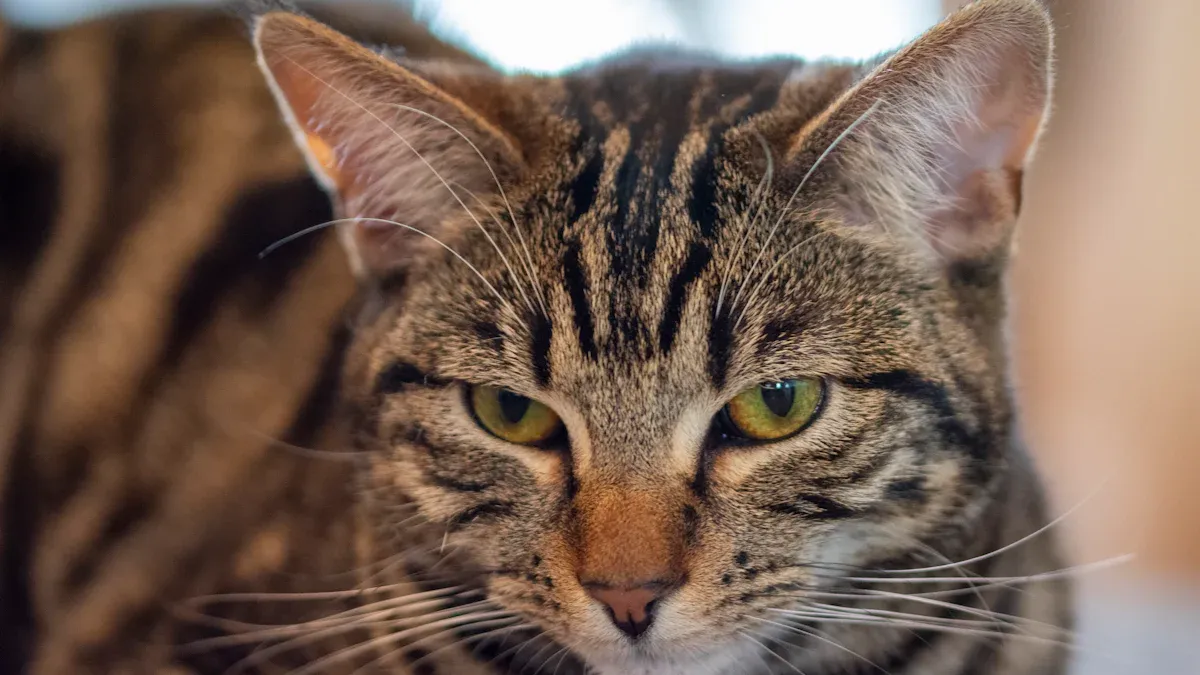
Domestic Short Hair Tabby cats capture the hearts of many pet lovers. These cats are known for their friendly and playful nature. Their adaptability makes them perfect companions for various households. You will find that tabby cats often display unique coat patterns and vibrant personalities. Caring for a domestic short hair tabby is straightforward. They require minimal grooming, regular playtime, and a balanced diet to thrive.
Key Takeaways
Domestic Short Hair Tabby cats are friendly, curious, and outgoing, making them great companions for families.
Regular grooming, including weekly brushing and nail trimming, helps maintain your tabby’s coat and overall health.
Daily exercise is essential; aim for at least 30 minutes for adults and an hour for kittens to keep them active and engaged.
A balanced diet tailored to your cat’s life stage is crucial for their health; consult your vet for specific dietary needs.
Regular veterinary check-ups and vaccinations are vital to prevent health issues and ensure a long, happy life for your tabby.
Temperament
Personality Traits
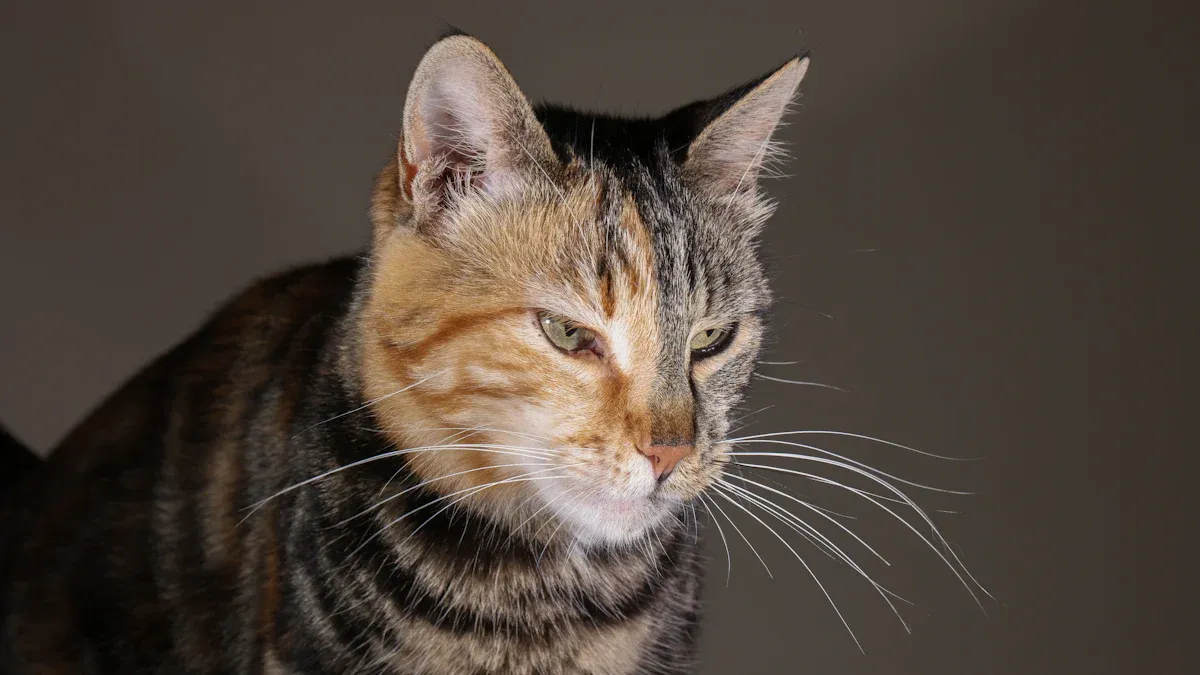
Domestic Short Hair Tabby cats are known for their friendly and playful nature. You will often find them curious and outgoing, making them delightful companions. Here are some common personality traits observed in tabby cats:
Friendly
Curious
Outgoing
These traits contribute to their reputation as one of the most beloved cat breeds. Compared to other popular breeds, tabby cats stand out for their affectionate demeanor. They are intelligent, playful, and social, thriving on attention from their human companions. Their adaptability allows them to fit well into various households, whether you have children or other pets.
Breed | Personality Traits |
|---|---|
Domestic Short Hair | Friendly, affectionate, adaptable |
American Shorthair | Easy-going, adaptable |
Siamese | Extroverted, vocal |
Behavior and Socialization
The behavior and socialization of Domestic Short Hair Tabby cats can vary based on genetics and individual experiences. For instance, the health of the mother during pregnancy can impact the kittens’ brain development. A stressed mother may pass on stress hormones, which can lead to behavioral issues in her offspring.
Handling kittens at a young age is crucial for their social development. Early socialization helps them interact better with humans and other cats. Genetics from both parents also play a significant role in shaping their personality. Inherited traits can determine behavior, similar to patterns observed in other animals.
Overall, understanding these factors can help you nurture a well-adjusted tabby cat. By providing a loving environment and early socialization, you can enhance their natural friendly and playful temperament.
Care for Domestic Short Hair Tabby
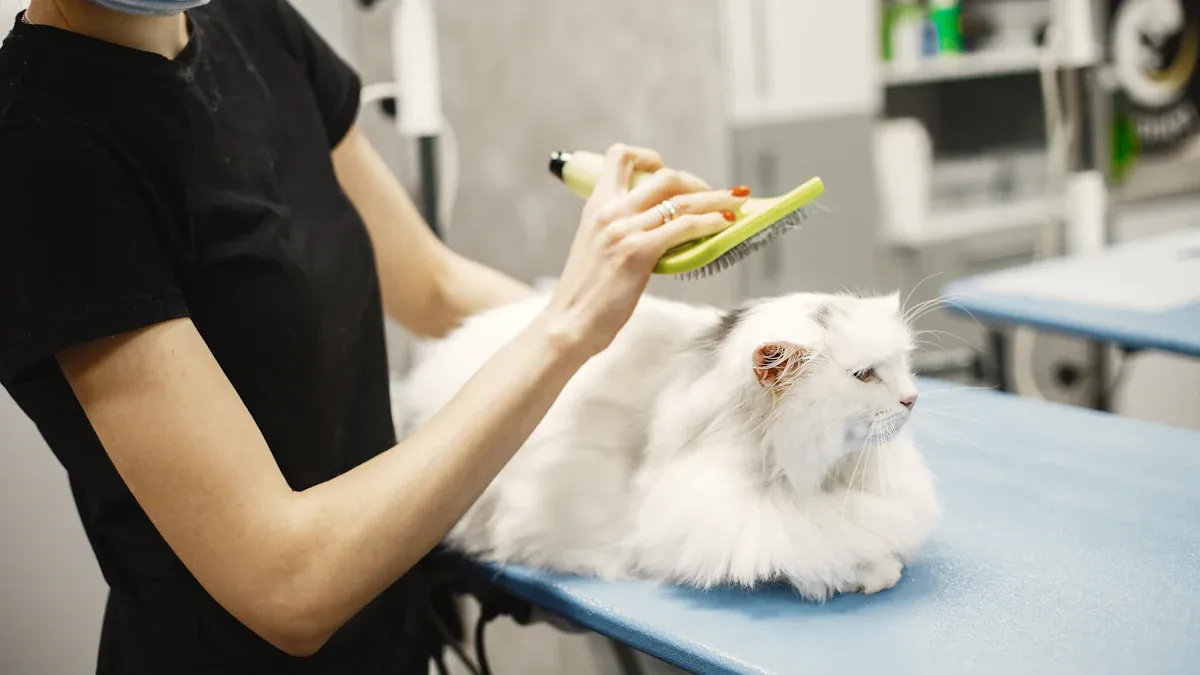
Caring for your Domestic Short Hair Tabby cat is straightforward and rewarding. These cats are low-maintenance, making them ideal for both first-time and experienced cat owners. Here are some essential care tips to keep your tabby happy and healthy.
Grooming Tips
Grooming your tabby cat is essential for maintaining a healthy coat and skin. Here are some practical grooming tips:
Brush your cat at least once a week. This helps remove loose fur, dirt, and debris.
Use a bristle brush or a metal comb. Always brush in the direction of hair growth for comfort.
Trim your cat’s nails every 2–3 weeks. This keeps their nails healthy and protects your furniture.
Regular grooming sessions not only improve your cat’s coat but also enhance their overall skin health. As your tabby ages, grooming becomes even more beneficial.
Exercise Needs
Keeping your Domestic Short Hair Tabby active is crucial for their physical and mental well-being. Here are some exercise recommendations:
Aim for at least 30 minutes of exercise daily for adult cats. Kittens require about an hour due to their higher energy levels.
Break exercise into shorter sessions of 5-10 minutes, two to three times a day. This keeps your cat engaged without overwhelming them.
To make exercise fun, consider these activities:
Train your cat to do tricks using clicker training.
Use laser pointers for a fun chase, but always provide a tangible toy at the end.
Set out interactive toys or puzzle feeders to stimulate their minds.
These activities mimic natural hunting behaviors and keep your tabby physically fit.
Dietary Considerations
Nutrition plays a vital role in your tabby cat’s health. Here’s a breakdown of dietary needs based on their life stages:
Life Stage | Dietary Needs | Key Nutrients |
|---|---|---|
Kittens | Frequent meals with high-quality protein | Calcium, Phosphorus, DHA |
Adults | Balanced diet rich in animal-based proteins | Calories, Vitamins, Minerals |
Seniors | Weight management, soft or wet food | Glucosamine, Controlled Phosphorus, Protein, Sodium |
Ensure you provide a balanced diet that meets your cat’s specific needs. Regularly consult with your veterinarian to adjust their diet as they age.
By following these care tips, you can ensure your Domestic Short Hair Tabby remains healthy and happy throughout their life.
Health Considerations
Taking care of your Domestic Short Hair Tabby involves understanding their health needs. Like all cats, tabbies can face various health issues. Being aware of these can help you provide better care and ensure a long, happy life for your feline friend.
Common Health Issues
Domestic Short Hair Tabby cats are prone to several health problems. Here are some common issues you should watch for:
Health Issue | Description |
|---|---|
Hepatic Lipidosis | A liver disease caused by fat accumulation, leading to symptoms like weight loss and lethargy. |
Skin Conditions | Issues like allergies and flea bites causing itching and hair loss. |
Upper Respiratory Infection | Symptoms include sneezing and runny nose, often treatable with antibiotics. |
Weight Issues | Overweight cats face risks like diabetes and joint pain due to lack of exercise. |
Tummy Upset | Caused by dietary indiscretion or stress, leading to vomiting or diarrhea. |
Hyperthyroidism | Excess thyroid hormone production causing weight loss and increased appetite. |
Additionally, dental disease is common in Domestic Short Hair Tabby cats. This can lead to gingivitis and tooth loss if not managed. Obesity is another concern, as it can lead to diabetes and heart disease. You should also be aware of urinary tract issues, which can cause frequent urination and straining. Regular monitoring can help catch these problems early.
Regular Veterinary Care
Regular veterinary care is essential for maintaining your tabby’s health. Here are some guidelines for veterinary visits:
Healthy adult cats (ages 1–7) should have annual check-ups.
Kittens and senior cats need more frequent visits.
Cats with underlying health conditions require regular veterinary visits.
Vaccinations play a crucial role in preventing diseases. Here are some recommended vaccinations for your tabby:
Vaccine Type | Age to Start | Revaccination Schedule |
|---|---|---|
Distemper Combination (FVRCP) | 8 weeks | Every 4 weeks until 16 weeks, then annually or every three years |
Rabies | 3 months | Annually or every three years |
Feline Leukemia | 8 weeks | 2 initial doses 2-4 weeks apart, then annually based on risk |
By ensuring your Domestic Short Hair Tabby receives regular veterinary care, you can help them live a longer, healthier life. These cats typically have an average lifespan of 12 to 18 years, which is relatively long compared to outdoor cats. Their endurance skills and natural hunting instincts also contribute to their overall well-being.
Fun Facts
Unique Characteristics
Domestic Short Hair Tabby cats are known for their striking coat patterns. These patterns come in various types, each adding to their charm. Here’s a quick overview of the most common tabby patterns:
Pattern Type | Description |
|---|---|
Striped Tabby | Features vertical stripes along the body, resembling a fishbone. |
Blotched Tabby | Displays rounded stripes and circles, also known as a marble pattern. |
Spotted Tabby | Contains dark spots scattered over the agouti body. |
Ticked Tabby | Entire body is covered with ticked agouti hair, with minimal markings. |
These unique tabby markings make each cat distinct. Their mixed ancestry contributes to a variety of physical traits, including rounded heads and muscular builds. Unlike purebred short-haired breeds, Domestic Short Hair Tabby cats offer a delightful mix of characteristics.
Historical Background
The history of Domestic Short Hair Tabby cats is rich and fascinating. Here are some key points about their origins:
The term ‘tabby’ comes from a striped silk fabric from Baghdad, first used in the 1690s.
The tabby pattern is not a separate breed but a common pattern found in various domestic cat breeds.
Ancestry may trace back to the Egyptian Mau, highlighting their long-standing relationship with humans.
Throughout history, tabby cats have played significant roles in human societies. They were revered in ancient Egypt, where they were associated with the goddess Bast. Their contributions included pest control in early agricultural societies, protecting food supplies. Over time, they evolved into cherished companions, showcasing their adaptability and friendly nature.
These traits make Domestic Short Hair Tabby cats particularly suitable for first-time cat owners. Their affectionate temperament, low grooming requirements, and compatibility with children and other pets make them an excellent choice for families.
Adoption and Purchase
When you decide to bring a Domestic Short Hair Tabby into your home, you have two main options: adopting from a shelter or buying from a reputable breeder. Each choice has its benefits, and understanding them can help you make the best decision for your family.
Adoption Centers
Adopting a tabby cat from a shelter is a wonderful way to give a cat a second chance. Many adoption centers focus on rescuing cats and finding them loving homes. Here are a couple of notable adoption centers in the United States:
Adoption Center | Description |
|---|---|
Tabby’s Place | A cage-free haven for cats from desperate circumstances, with over 100 residents awaiting adoptive homes. |
Furkids | Rescues hundreds of homeless cats each year, offering many for adoption at various locations. |
Adopting a tabby cat not only saves a life but also helps reduce the number of homeless cats in your community. Many shelters offer special events to promote adoption, such as themed days or community outreach programs. You can also find compelling stories about the cats available for adoption on social media, which can inspire you to adopt a tabby.
Reputable Breeders
If you prefer to buy a tabby cat, ensure you choose a reputable breeder. A good breeder prioritizes the health and well-being of their cats. They provide proper care and socialization for their kittens. To verify the health and lineage of a Domestic Short Hair Tabby, consider using DNA testing services. Here’s a comparison of two popular options:
Feature | Wisdom Panel™ Complete for Cats | Basepaws Cat DNA Test |
|---|---|---|
Ancestry | Yes | Yes |
Health Screening | 45+ genetic health conditions | 43 genetic diseases |
Traits | 25+ physical traits | 25 genetic traits |
Multi-generational family tree | Yes | No |
Results Time | Within 3 weeks | Not specified |
Genetic Consult | Yes | No |
Using these tests can help you understand your cat’s background and any potential health issues. When you buy a tabby cat, ask the breeder about the kitten’s parents and their health history. This information can guide you in providing the best care for your new feline friend.
By choosing to adopt or buy a tabby cat responsibly, you contribute to the well-being of these wonderful animals. Whether you adopt a tabby cat from a shelter or buy one from a reputable breeder, you will find a loyal companion that brings joy to your life.
In summary, understanding the temperament and care needs of Domestic Short Hair Tabby cats is essential for their well-being. These cats are known for their friendliness and affectionate nature. Here are some key points to remember:
They can be temperamental and may experience stress due to changes in their environment.
A high-quality balanced diet and access to fresh water are crucial.
Indoor shelter protects them from external dangers.
Regular litter box maintenance prevents undesirable behaviors.
Grooming is important, though they require less maintenance than longhaired breeds.
Regular veterinary care is necessary for their health.
By providing a stimulating environment and meeting their needs, you can ensure a happy life for your tabby. Responsible pet ownership not only enhances their well-being but also brings joy to your home. Embrace the companionship of these wonderful pets!
FAQ
What is the average lifespan of a Domestic Short Hair Tabby?
Domestic Short Hair Tabby cats typically live between 12 to 18 years. With proper care, regular veterinary visits, and a balanced diet, you can help your tabby reach the higher end of this lifespan.
Do Domestic Short Hair Tabby cats get along with other pets?
Yes, these cats usually adapt well to other pets. Their friendly and social nature makes them suitable companions for dogs and other cats. Early socialization helps them develop positive relationships with other animals.
How often should I groom my Domestic Short Hair Tabby?
You should groom your tabby at least once a week. Regular brushing removes loose fur and dirt, promoting a healthy coat. This routine also strengthens your bond with your cat and keeps them comfortable.
Are Domestic Short Hair Tabby cats prone to any specific health issues?
While generally healthy, Domestic Short Hair Tabby cats can face issues like obesity, dental disease, and upper respiratory infections. Regular veterinary check-ups help catch these problems early and ensure your cat stays healthy.
What type of food is best for my Domestic Short Hair Tabby?
A balanced diet rich in animal-based proteins is ideal for your tabby. Choose high-quality cat food that meets their specific life stage needs. Consult your veterinarian for personalized dietary recommendations.