



The San Francisco Bay Area offers unparalleled bird diversity, making it a prime location for Bird Watching. You can observe many local bay area birds and various migratory species here. Over 300 common birds call this region home. Many migratory birds use the Pacific Flyway. Golden-crowned Sparrows, for example, travel along coastal routes to breeding grounds in Alaska. Hermit Thrushes also show distinct migratory patterns based on their wintering locations in the bay. This makes Bird Watching a dynamic experience for wildlife watching. This guide helps you explore these avian wonders. It provides practical information for both beginners and experienced birders interested in birding in the bay area.
Key Takeaways
Gather essential gear like binoculars and a field guide for successful bird watching.
Use quiet observation and look for clues like bird shape, size, and behavior to identify species.
Follow ethical guidelines to protect birds and their homes, such as staying on trails and keeping a distance.
Explore diverse birding spots in the North, East, San Francisco/Peninsula, and South Bay areas.
Identify birds by their silhouettes, feather patterns, calls, and the type of place they live.
Getting Started: Your Essential Birding Guide
You want to start your birding adventure in the San Francisco Bay Area. You need some foundational knowledge and tools. This guide helps you prepare. You will refine your approach to bird watching.
Bird Watching Essentials
You need a few key items for successful birding. A simple notebook helps you record your observations. Binoculars are crucial for seeing distant birds. A good field guide helps you identify species. You can also use a birding app.
For binoculars, consider the environment. In open wetlands, marsh birds often appear distant. You need added reach. 10×42 binoculars are excellent for these areas. They help you see birds far away. Coastal regions also have distant birds and strong light. 10x binoculars work well here. They bring birds closer. For marshy areas, like where you might see a great blue heron, 8×42 binoculars are effective. The ‘8x’ magnification makes the bird eight times closer. You can clearly see fine details, like its plumage.
The ‘Laws Pocket Guide to San Francisco Bay Wetland Birds’ is a great resource. It is detailed and full-color. John Muir Laws created the original paintings. This guide focuses specifically on wetland birds in the Bay Area. It includes a map. The paper is water-resistant and tear-proof. This makes it durable for outdoor use. You can also use ‘Sibley’s Birds of the California Coast’ for waterbirds in local ponds and wetlands. The ‘Merlin’ app by Cornell’s All About Birds is a free tool. It supplements field guides with pictures and sound recordings.
Timing is important for bird observation. High tides are ideal for seeing shorebirds and rails. Fall through spring are excellent for water birds.
Basic Birding Techniques
You need effective techniques to identify species. First, maintain quietness. Avoid sudden movements. Look for birds on exposed perches. Practice patience. Do not wear brightly colored clothing. This prevents startling birds. You can use ‘pishing’ sounds. This attracts curious small birds.
When you identify a bird, look at several clues. Consider the bird group. What is its shape? How big is it? Observe its behavior. What season is it? Look for specific field marks. Listen to its voice.
Shorebirds offer diverse identification challenges. Oystercatchers are large and heavy. They have thick, pink legs and long, red-orange bills. Black Oystercatchers prefer rocky coasts. American Oystercatchers like sandy beaches. Stilts and Avocets are leggy and long-beaked. They have strong black and white patterns. The American Avocet has an upturned bill. The Black-necked Stilt is slimmer. They live in brackish water habitats, like salt marshes.
Plovers are visual foragers. They move with unique stop-and-start motions. They have large eyes and short bills. They peck for food. Their habitats vary from sand to mudflats. Killdeer live on farms. Piping and Snowy Plovers live on beaches. Sandpipers are the largest group. They vary in size and bill length. They probe with their beaks. They use sensitive tips to feel for food. Their habitats include oceans, creeks, and grasslands. Mudflats at low tide are great for many species.
You can also distinguish shorebirds by their foraging. Plovers are small to medium-sized. They have short, stout bills. They forage visually. They move in short bursts. Yellowlegs are medium to large. They have long bills and legs. They forage by sight. They pick food from mud or water. Dowitchers are stocky. They have very long bills. They probe repeatedly in mud. Peeps are small to medium-sized. They have short legs and bills. They forage by touch and taste. They pick food from the surface or probe rapidly.
Spring is ideal for learning different shorebird species. They show bright breeding plumages. Summer is excellent for practicing identification skills. July and August mark the peak of southbound shorebird migration. This offers prime observation opportunities. Mudflats can host many species during this time. You might see 20 or more species simultaneously. This is a great beginner’s guide to birding.
Ethical Birding Practices
You must follow ethical guidelines. This minimizes disturbance to birds and their habitats. Always stay on designated trails. Be aware of your surroundings. Do not force birds to fly or change their behavior. Pick up after yourself and others. This maintains pristine bird habitats.
Do not post locations of nests. Do not share locations of day-roosting owls or sensitive species. During nesting season, do not use audio recordings. These lure birds into view. Observe birds quietly and from a distance. Avoid close approaches. These disrupt normal activities. Observe nesting birds from a distance. Retreat if parents become alert to your presence. Do not handle or disturb eggs or young. Do not use recorded bird sounds or playback from digital devices. Avoid trampling habitats. Stay on established trails. Keep motor vehicles on established roads. Obtain permission for private lands. Do not leave litter or smoke in bird habitats.
Support bird and habitat conservation. Keep pets controlled. Prevent window strikes. Use native plants. Avoid stressing birds. Limit the use of recordings. This is especially true in heavily birded areas. Exercise caution when photographing or approaching birds. Minimize habitat disturbance. Familiarize yourself with all laws and regulations. These include rules for protected nesting areas.
North Bay Birding Hotspots
The North Bay offers some of the best places to see birds in the San Francisco Bay Area. This region is a crucial resting and feeding ground for many species, especially during migration. You will find diverse habitats here, from rocky headlands to vast wetlands. The narrow continental shelf brings ocean birds closer to the coast.
Point Reyes National Seashore
Point Reyes National Seashore is a premier birding hotspot. You can explore numerous trails to find many different birds. Look for warblers, flycatchers, and sparrows in cypress trees. You might even spot uncommon vagrants like the Blackburnian warbler. Seabirds like sooty shearwaters and red-necked phalaropes migrate through this area.
Here are some birds you can find and their preferred spots:
Bird Species/Group | Preferred Habitat |
|---|---|
Warblers, Sparrows, Kinglets | Trails over Inverness Ridge |
Shorebirds, Waterfowl | Giacomini Wetlands |
Osprey, Northern Harriers | Flying over wetlands |
Western Snowy Plover | Sandy beaches (Abbotts Lagoon) |
Black Oystercatchers | Lighthouse Rocks and Cliff Areas |
Bodega Bay and Estuary
Bodega Bay and Estuary is another fantastic hotspot. It sits along the Pacific Flyway, making it a vital stop for migratory birds. This area has diverse habitats where terrestrial, freshwater, and marine ecosystems meet. You will find abundant food sources, especially in eelgrass beds.
Key bird species you can observe here include:
Loons: Yellow-billed loon, common loons
Shorebirds: Phalaropes, marbled godwits, willets, snowy plover
Waterfowl: Various ducks and other species
Raptors: Peregrine falcons, merlins, bald eagles
Rush Ranch Open Space
Rush Ranch Open Space is a great spot for birding in the North Bay. This preserve offers excellent views of wetland and grassland birds. You can easily spot several common species here.
Look for these birds at Rush Ranch:
White-tailed kite
Great blue heron
Marsh wren
Black phoebe
Savannah sparrows
Red-winged blackbirds
North Bay Coastal Birds
Along the North Bay coast, you will see many fascinating species. Look for shorebirds like snowy plovers, godwits, willets, oystercatchers, and turnstones. Seabirds such as loons, grebes, and alcids are also common. Brown pelicans often cruise over the breakers.
North Bay Wetland Birds
The North Bay’s wetlands are rich with avian life. You will find abundant waterfowl, including many types of ducks. Keep an eye out for Ridgway’s rails in the dense marsh vegetation. Great egrets and great blue herons also frequent these rich feeding grounds in the bay.
East Bay Birding Hotspots
The East Bay offers fantastic birding opportunities. Its location along the Pacific Flyway makes its wetlands vital. These areas serve as crucial foraging, resting, and overwintering sites for many birds. You will find diverse populations here. These include marsh birds, raptors, shorebirds, and songbirds. East Bay Parks offer diverse bird populations. You can spot Acorn Woodpeckers, Barn Owls, and Rufous Hummingbirds.
Don Edwards NWR
Don Edwards National Wildlife Refuge is a significant preserve for bird life. It provides critical habitat for resident and migratory species. You can see white pelicans, kites, hawks, and ospreys. Eagles also frequent this area. Millions of shorebirds and waterfowl visit during migration. Look for the endangered California clapper rail. You might also spot the western snowy plover. This refuge works to conserve fish, wildlife, and plants.
Hayward Regional Shoreline
Hayward Regional Shoreline is another excellent spot. You can observe many raptors here. These include kites, red-tailed hawks, and falcons. Wading birds like great egrets and great blue herons are common. You often see them standing in shallow water during winter. Low tides are perfect for observing smaller waders. Stilts, avocets, and godwits gather to feed in the mud. You can also find least terns and Forster’s terns.
Lake Merritt
Lake Merritt provides a unique urban birding experience. Bird islands here offer a safe haven from city disturbances. These islands are home to nesting Double-crested Cormorants. They are crucial for diverse bird populations. You can see American White Pelicans, a long-term resident. Herons and egrets use the islands for roosting. Many duck species visit, such as Greater Scaup and Ruddy Duck. Grebes are also common in appropriate seasons.
East Bay Coastal Birds
Along the East Bay coast, you will encounter various coastal birds. Hayward Regional Shoreline hosts sandpipers and peregrine falcons. Elsie Roemer Bird Sanctuary is home to seabirds, egrets, and long-billed curlews. You can also find plovers there.
East Bay Wetland Birds
The East Bay’s wetlands teem with life. Don Edwards NWR features barn swallows, great egrets, and pelicans. You will also see herons, ruddy ducks, American avocets, and Western willets. These wetlands are essential for many bird species.
San Francisco and Peninsula Birding

You will discover unique avian diversity across the San Francisco Peninsula. This area offers many excellent birding spots. You can find both coastal and wetland birds here.
Golden Gate Park
Golden Gate Park provides a green oasis for many bird species. You can explore its diverse habitats. Look for songbirds in the trees and waterfowl on the ponds.
Lake Merced
Lake Merced is a great spot for water birds. You can easily see American Coots and Pied-billed Grebes. Look for Canada Geese and Mallards. Eared Grebes and Clark’s Grebes also frequent the lake. You might spot a Great Blue Heron or a California Red-shouldered Hawk.
Crissy Field
Crissy Field offers crucial coastal habitats. You will find loons, grebes, and scoters here. Various dabbling and diving ducks are common. Gulls, terns, willets, sanderlings, and sandpipers feed in the mudflats. Estuaries provide fish and crabs for these birds. The San Francisco Bay serves as a vital stopover for migrating species.
Heron’s Head Park
Heron’s Head Park is a notable spot on the San Francisco Peninsula. This 22-acre open space resembles a Great Blue Heron’s head from above. It functions as a thriving wildlife habitat. Over one hundred bird species visit this park. Its restored wetlands are significant for avian life. They provide crucial habitat for migratory birds. This is their only stop in San Francisco. You can find endangered California clapper rails here. They successfully nested in the park. The park also supports nesting Bryant’s Savannah Sparrows. Black-necked Stilts and American Avocets have also nested successfully. You can see Double-crested Cormorants and Black Oystercatchers year-round. In winter, look for American Wigeon and Bufflehead. This preserve is a vital oasis in an urban environment.
Palo Alto Baylands
Palo Alto Baylands is another excellent preserve on the San Francisco Peninsula. You can find many water birds here. Look for ruddy ducks, northern shovelers, and American wigeons. The Harriet Mundy Marsh is known for nesting Black-necked Stilts and American Avocets. The Duck Pond Loop is great for viewing pelicans and cormorants. You can also spot raptors like White-tail Kites and Ospreys. The trails here offer great views. This baylands nature preserve is a must-visit.
SF Coastal Birds
Along the San Francisco coast, you will find many shorebirds. Look for sanderlings running along the waves. You can also spot various gulls and terns.
Peninsula Wetland Birds
The wetlands of the San Francisco Peninsula host many species. You can see Ridgway’s Rails and American Avocets. Great Egrets and Snowy Egrets are common.
South Bay Birding Hotspots
The South Bay offers fantastic opportunities for bird watching. You will find diverse avian life here. California hosts over 600 bird species. This is nearly two-thirds of all North American bird species. Around 450 commonly seen bird species make it one of the most diverse birding states. You can explore many best places to see birds in this region.
Alviso Slough Trail
The Alviso Slough Trail is a prime location for birding. You can enjoy year-round birdwatching here. Spring and fall migration seasons are the best times to visit. You will see a variety of waterfowl, shorebirds, and passerines. Look for American avocets and black-necked stilts. Northern pintails are also common. You might even spot the endangered California Ridgway’s rail. The threatened western snowy plover also frequents this area. Late September brings winter shorebirds. You can see western sandpipers, long-billed curlews, and least sandpipers. Ravens and northern harriers fly overhead. Hundreds of gulls gather on the salt flats. Double-crested cormorants, egrets, and great blue herons are also present. American white pelicans and brown pelicans are often visible. Songbirds like marsh wrens and savannah sparrows sing in the reeds.
Shoreline at Mountain View
Shoreline at Mountain View provides excellent birding along its trails. You can find great egrets and blue herons. Sandpipers, sparrows, and wrens are also common. Pelicans often glide over the water. The Charleston Road Marsh offers limited habitat for waterbirds. You might occasionally see a green heron there. This preserve is a good general location for marsh species.
Eden Landing Reserve
Eden Landing Reserve is a vital preserve in the South Bay. You will see egrets, herons, and terns. Curlews, cormorants, and pelicans are also present. Avocets and the threatened Western snowy plover live here. The endangered clapper rail also calls this place home. Waterfowl like mallards, scaups, and pintails are abundant. Habitat restoration plays a crucial role. Biologists optimize former salt ponds. They create precise habitat conditions for various birds. This helps many species thrive throughout the year. The South Bay Salt Pond Restoration Project enhances pond habitat. They build nesting islands. Six new islands have been constructed since 2010. These provide nesting habitat for waterbirds. The San Francisco bay supports thousands of breeding waterbirds. This includes American avocets, black-necked stilts, and Forster’s terns. These ducks and other waterbirds historically relied on salt ponds for nesting and foraging.
South Bay Coastal Birds
You will find many coastal birds in the South Bay. Shoreline Lake is known for waterbirds. Look for Surf Scoters, Eared Grebes, and Horned Grebes. Barrow’s Goldeneye also visits. Breeding terns and skimmers, like Black Skimmers and Forster’s Terns, are present.
South Bay Wetland Birds
The South Bay wetlands are rich with avian life. Bernal-Gulnac-Joice Ranch features a wide variety of raptors and songbirds. Chesbro Reservoir is excellent for various waterfowl. You can also find raptors, small shorebirds, woodpeckers, and brush inhabitants there.
Identifying Bay Area Birds
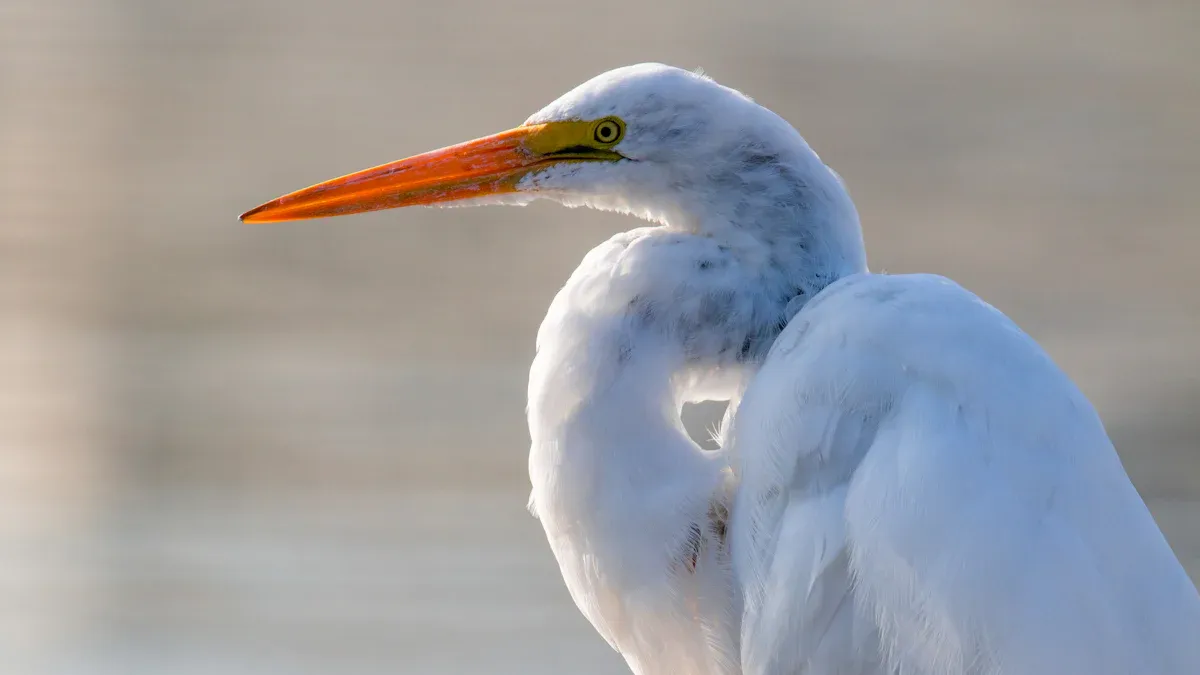
You can find many resources to help you identify the diverse birds in the San Francisco Bay Area. This section gives you general guidance. It applies across all locations.
You can find many resources to help you identify the diverse birds in the San Francisco Bay Area.
Comprehensive guides like ‘Bay Area Birds by David Lukas’ give you in-depth information. They cover life history, status, and distribution of local species.
Convenient laminated fold-outs from ‘Local Birds’ cover common species. These include backyard/trail and coastal/water species. You can also find similar guides for Marin County and Monterey Bay Area.
Point Blue offers a ‘Waterbird ID Card’ for common California waterbirds. They also provide a ‘Pocket guide to SF Bay species PDF’ with protection and conservation tips.
eBird is a powerful online resource. Both beginners and advanced birders use it. You can look up reported species sightings by species, region, and date.
Sialia.com by David Ranney compiles online birding discussion groups. These groups cover the Bay Area. You can find out what species people see and where.
You will also find recommendations for essential birdwatching gear. These include binoculars and spotting scopes. Guides from Audubon, Birdwatcher’s Digest, and birdwatching.com offer helpful advice.
The San Francisco Bay and San Pablo Bay National Wildlife Refuges Checklist lists 281 species. You find these species in the San Francisco Bay and Delta. They also live in bordering wetlands.
Bird Silhouettes
You can often identify a species by its shape alone. Pay attention to its overall size and body structure. Is it plump or slender? Does it have a long neck or short legs? These features create a unique silhouette. This silhouette helps you narrow down possibilities quickly. For example, a heron has a long neck and legs. A duck has a more compact body.
Plumage and Markings
Plumage refers to a species’ feathers. Markings are specific patterns or colors on those feathers. These features are key for identification. You will notice distinct patterns. These patterns help you tell one species from another.
Species Name | Plumage Patterns and Markings |
|---|---|
Nuttall’s Woodpecker | Black and white striped coloring; red tuft (males) |
Horned Grebe | Golden tufts and black back (breeding adults) |
Steller’s Jays | Chunky blue bodies, black heads, prominent crest |
Golden-Crowned Sparrow | Distinctive yellow mark on its head |
Brown Pelican | Large size; red skin on throat (breeding season) |
For example, a male Nuttall’s Woodpecker has black and white stripes. It also has a red tuft on its head. A Horned Grebe in breeding season shows golden tufts and a black back. Steller’s Jays have chunky blue bodies and black heads with a prominent crest. You can easily spot a Golden-Crowned Sparrow by its distinctive yellow head mark. A Brown Pelican is large. It develops red skin on its throat during breeding season.
Bird Calls and Songs
Species communicate through calls and songs. A song is usually a longer, more complex vocalization. Species use songs to attract mates or defend territory. Calls are shorter, simpler sounds. They serve many purposes. Learning these sounds greatly enhances your birding experience. You can identify species you cannot see.
Species calls are different from songs. They include all vocalizations except territorial fitness demonstrations.
You can categorize calls into begging, territorial aggression, contact calls, and alarms.
Begging calls are less useful for identification. Young songbirds sound similar. These calls also last for a limited time.
Territorial aggression calls are also not ideal for initial identification. Species make them mostly during nesting season. They occur less frequently.
Contact calls are very useful for identification. You also call them companion calls or stay-in-touch notes. They help identify species that flock or pair.
Alarm calls are crucial for understanding nearby activity. They are also useful for species identification. They often sound like louder versions of contact calls. They can also have strong tonal similarities to contact calls.
Habitat Clues
A species’ habitat provides strong clues for its identity. Different species prefer different environments. You will find shorebirds on mudflats or sandy beaches. Wetland species live in marshes and estuaries. Forest species stay in trees. Knowing the typical habitat for a species helps you narrow your search. For instance, you expect to see a Great Blue Heron near water. You would not expect to find it in a dense forest.
Beginner Birding Tips
Start with a good field guide. Many guides cover nearly 250 species. Some focus specifically on wetland species. Take notes on what you see. Use binoculars to get a closer look. Be patient and observe quietly. Join a local bird watching group. Experienced birders can offer valuable tips. Most importantly, enjoy the process of discovery. Every outing offers a new chance to learn about a bird.
The San Francisco Bay Area offers rich, accessible bird watching. You connect with nature and learn through birding. Explore the suggested locations. Apply the identification tips for better bird watching. You can help protect these vital habitats and their birds. Support habitat restoration and bird-friendly building designs. Purchase duck stamps to aid conservation efforts. Join a local preserve committee. This helps protect wildlife in every preserve.
FAQ
What is the best time to go bird watching?
You will find excellent bird watching from fall through spring. Many water birds visit during these months. High tides are perfect for observing shorebirds and rails. Early mornings often offer the most activity. 🌅
What gear do I need to start bird watching?
You need a few key items. Binoculars help you see birds up close. A field guide or a birding app assists with identification. A notebook lets you record your observations. 📝
How can I identify different bird species?
You can identify birds by several clues. Look at their size and shape. Observe their plumage and markings. Listen to their unique calls and songs. Consider the habitat where you find them.
What are important birding ethics?
You must always respect the birds and their environment. Stay on designated trails. Do not disturb nests or young birds. Observe quietly from a distance. Keep pets under control. 🤫