



The Atlantic Spotted Dolphin is a fascinating creature that thrives in warm temperate and tropical waters. You may find these dolphins in various oceanic regions, where they form strong social bonds within their pods. With an estimated population of over 77,000 in U.S. waters alone, these dolphins display complex social structures. Their interactions with others, including aggressive behaviors and cooperative hunting strategies, highlight their unique adaptations. Understanding their behavior and habitat can deepen your appreciation for these highly social mammals.
Key Takeaways
Atlantic Spotted Dolphins thrive in warm temperate and tropical waters, primarily found in the Atlantic Ocean and Gulf of Mexico.
These dolphins form strong social bonds within pods, which can range from 5 to 50 individuals, depending on the environment.
Communication is key for Atlantic Spotted Dolphins, using unique vocalizations and body language to strengthen social ties.
Their distinctive spotting pattern changes with age, making it easy to identify them and understand their maturity.
Conservation efforts are vital for protecting Atlantic Spotted Dolphins from threats like entanglement, vessel strikes, and pollution.
Habitat of the Atlantic Spotted Dolphin
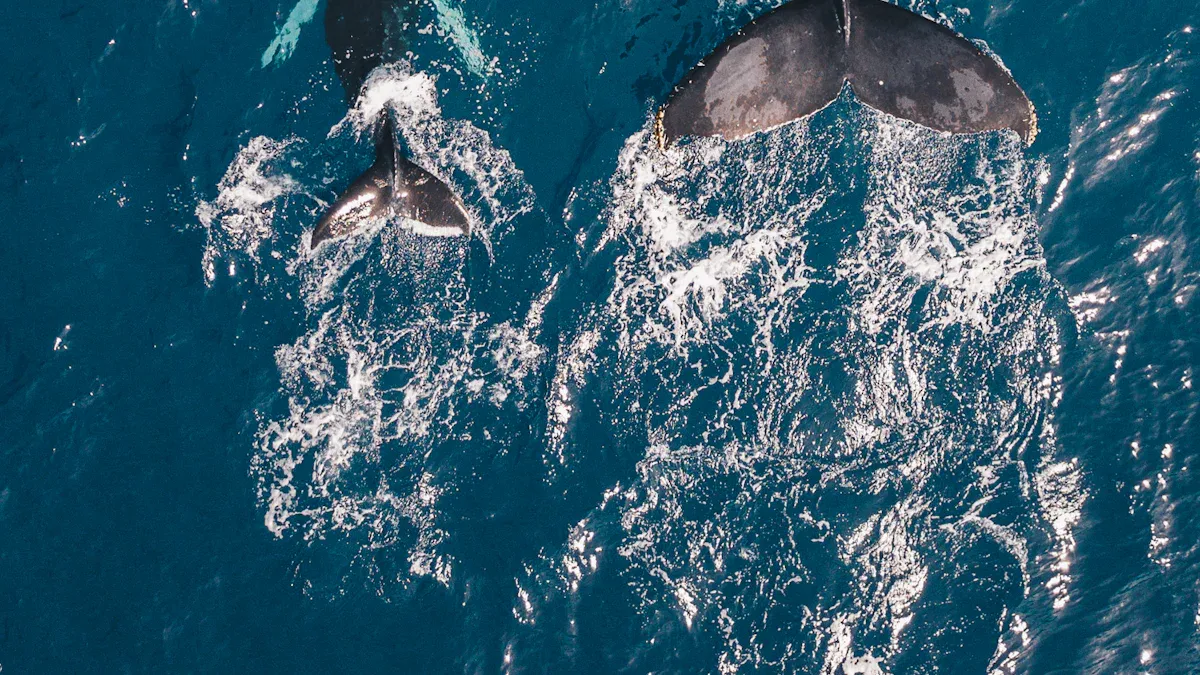
Distribution
The Atlantic Spotted Dolphin thrives in warm temperate and tropical waters. You can find these dolphins primarily in the following regions:
Region | Description |
|---|---|
Atlantic Ocean | Found in tropical and warm temperate waters, from southern Brazil to New England in the west. |
Extends to the coast of Africa in the east, primarily over the offshore continental shelf. | |
Gulf of Mexico | Records mostly from offshore waters over the continental shelf, second in abundance to bottlenose dolphins. |
These dolphins often migrate based on seasonal changes. For example, in 2013, over half of the resident Atlantic Spotted Dolphins moved from Little Bahama Bank to Great Bahama Bank. This mass emigration significantly altered their home range sizes and social structures. Such movements indicate that environmental changes and prey availability directly impact their distribution.
Water Conditions
Atlantic Spotted Dolphins prefer specific water conditions that support their lifestyle. They inhabit waters with temperatures typically ranging from 18°C to 22°C (64°F to 72°F). However, they can also tolerate temperatures as low as 10°C (50°F).
Salinity and depth also play crucial roles in their habitat selection. Research shows that tide levels and salinity influence the suitability of habitats for dolphins. In coastal areas, these factors determine where dolphins can thrive. Interestingly, while salinity fluctuations do not significantly change the distribution of dolphin groups, they still interact with depth to influence habitat selection.
The Atlantic Spotted Dolphin’s natural habitat provides ample opportunities for social interaction and hunting. They often hunt in groups, using sophisticated techniques to catch prey. Their ability to adapt to various water conditions allows them to exploit different food sources effectively. This adaptability is vital for their survival, especially in changing environments.
Social Behavior of the Atlantic Spotted Dolphin

Pod Dynamics
Atlantic Spotted Dolphins exhibit complex social structures within their pods. You typically find these pods consisting of 5 to 15 individuals in coastal areas. In deeper waters, pod sizes can increase to around 50 dolphins. This variation in pod size allows for different social interactions and hunting strategies.
The social lives of these dolphins change as they age and reproduce. Here are some key points about pod dynamics:
Calves nurse for about 2–3 years, forming strong bonds with their mothers.
Young dolphins learn from group members and begin to branch out socially.
Females usually have a 3–4 year interval between calves after giving birth.
Atlantic Spotted Dolphins demonstrate a fission-fusion society. This means that pod membership frequently changes based on sex, age, reproductive status, and kinship. Male dolphins often form long-term alliances, which help them access females for mating opportunities. Juvenile males learn social behaviors and start forming relationships that lead to future alliances.
Communication and Interactions
Communication plays a vital role in the social lives of Atlantic Spotted Dolphins. They use a unique communication system that includes vocalizations and body language. Here are some common vocalizations:
Vocalization Type | Description |
|---|---|
Signature Whistles | Unique whistles used for individual identification |
Other Vocalizations | Includes clicks and other sounds for communication |
Dolphins also rely on body language to interact within their pods. They may engage in behaviors such as:
Bumping into one another to signal affection or interest.
Spy hopping or leaping out of the water to indicate excitement or alertness.
Using jaw claps during conflicts to signal ‘back off!’ or while playing to establish social hierarchy.
These interactions reinforce social bonds among dolphins. Research shows that they exhibit deep emotional connections. For example, dolphins grieve the loss of pod members and display mourning behaviors. Maternal bonds are crucial for calf survival, as mothers teach vital social and survival skills.
A long-term study tracked 59 male dolphins over 14 years. Most adolescent bonds persisted into adulthood, indicating that social connections are often more significant than familial ties. This highlights the importance of social behavior in the lives of Atlantic Spotted Dolphins.
Interesting Facts About Dolphins
Unique Traits
The Atlantic Spotted Dolphin possesses several unique traits that set it apart from other dolphin species. One of the most distinctive features is its dynamic spotting pattern, which changes as the dolphin ages. Here’s how their appearance evolves:
Calves start as gray-white with few or no spots.
Speckling begins around 3-4 years of age.
By age 8-9, they develop a mottled appearance.
As they mature, a fused pattern emerges, leading to a black body with white spots.
This unique swimming style and appearance not only make the Atlantic Spotted Dolphin a playful specimen but also serve as a visual indicator of age and maturity. You can easily identify these dolphins by their striking patterns, which contribute to their charm and allure in the ocean.
Conservation Status
The conservation status of the Atlantic Spotted Dolphin is currently classified as “Data Deficient” according to the IUCN Red List. This classification indicates that researchers lack sufficient information to assess the population trends accurately. However, several threats and conservation efforts are crucial to their survival.
Some primary threats facing these dolphins include:
Entanglement in fishing gear: This can cause injury, fatigue, and sometimes death.
Vessel strikes: Busy shipping lanes increase the risk of collisions.
Environmental change and pollution: Climate change and pollution from plastics and chemicals lead to habitat loss.
Hunting: In certain regions, hunting for food and bait poses a risk.
Natural predators: Orcas and large sharks prey on them.
Conservation efforts are essential to protect the Atlantic Spotted Dolphin. Various measures, such as the Marine Mammal Protection Act, aim to safeguard these dolphins and their habitats. Public education and awareness campaigns also play a vital role in promoting conservation efforts.
By understanding the unique traits and threats facing the Atlantic Spotted Dolphin, you can appreciate the importance of protecting this remarkable species and its environment.
In summary, the Atlantic Spotted Dolphin captivates with its social behavior and unique traits. You learned about its habitat in warm waters and the importance of pod dynamics. These dolphins rely on strong social bonds for survival and communication. Protecting their environment is crucial for their future. By understanding their challenges, you can contribute to conservation efforts. Together, we can ensure that these remarkable mammals continue to thrive in our oceans. 🌊🐬
FAQ
What do Atlantic Spotted Dolphins eat?
Atlantic Spotted Dolphins primarily eat fish, squid, and crustaceans. They often hunt in groups, using cooperative strategies to catch their prey effectively.
How long do Atlantic Spotted Dolphins live?
These dolphins can live up to 40 years in the wild. Their lifespan varies based on environmental factors and threats they face.
Are Atlantic Spotted Dolphins endangered?
Currently, Atlantic Spotted Dolphins are classified as “Data Deficient.” This means researchers lack enough information to assess their population trends accurately.
How can I help protect Atlantic Spotted Dolphins?
You can help by supporting marine conservation organizations, reducing plastic use, and spreading awareness about the threats these dolphins face.
Can I see Atlantic Spotted Dolphins in the wild?
Yes, you can spot Atlantic Spotted Dolphins in warm temperate and tropical waters. Popular locations include the Bahamas, Florida, and the Gulf of Mexico. Always respect their natural habitat while observing them. 🐬🌊
